
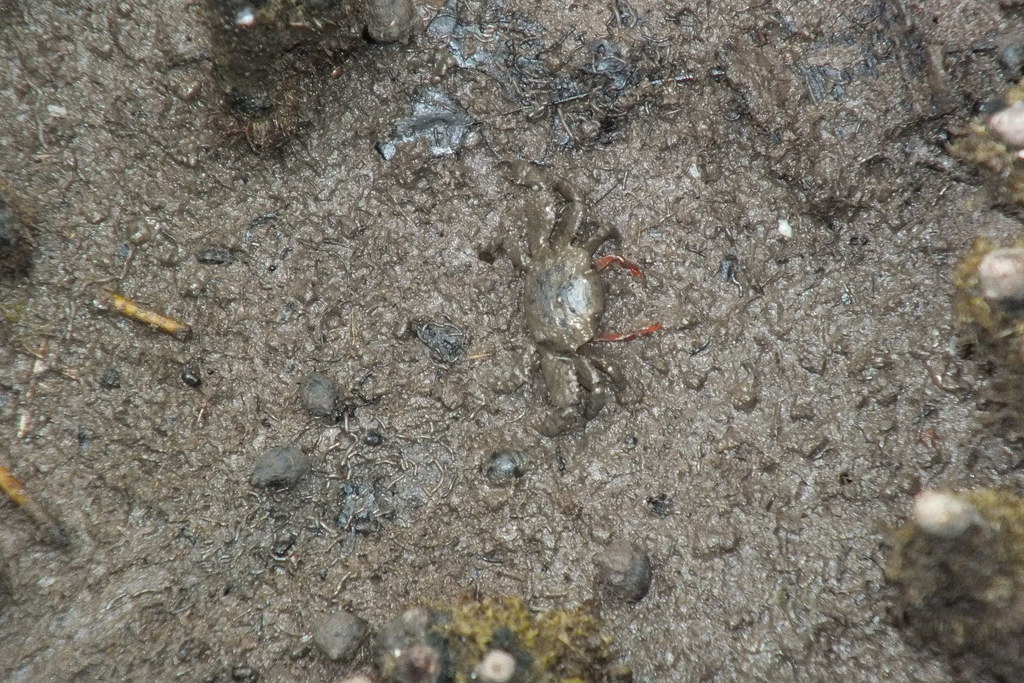
Ward's Hairy-legged Crab
Paracleistostoma wardi
- Water temperature23–29 °C
- Best monthsJune and October
- How commonRare
Photo credit: (c) coenobita, some rights reserved (CC BY), uploaded by coenobita · CC BY · iNaturalist
About this species
Paracleistostoma wardi is a species of crab first described as Cleistostoma wardi in 1926 by zoologist Mary J. Rathbun and named after former actor, marine collector and later honorary zoologist Charles Melbourne Ward. The type specimens were from mudflats in Sandgate, Queensland, Australia. It is known as Ward's hairy-legged crab, with Rathbun describing it as having "Ambulatory legs" which are "densely hairy". The crabs are small with holotypes 17.6 mm across the carapace and 12.2 mm long. The claws are red to maroon, with the upper moveable male claw (dactyl) having one tooth, at the base. There is orange coloration at the front edges of the carapace behind the eyes. The carapace is smooth, slightly convex, and has no teeth on the sides and looks cut-off at the front edges. It is found in Queensland from Moreton Bay to Cairns.
Text from the Wikipedia article “Paracleistostoma wardi”, licensed CC BY-SA 4.0. Read the article
Where and when
Where it has been recorded
Worldwide
Loading the map
Best months
Worldwide (open data)
- January: 1 records
- February: 0 records
- March: 1 records
- April: 7 records
- May: 4 records
- June: 12 records
- July: 5 records
- August: 4 records
- September: 5 records
- October: 8 records
- November: 2 records
- December: 6 records
Depth and water temperature
Water temperature
Recorded in surface water of 23–29 °C
Photos
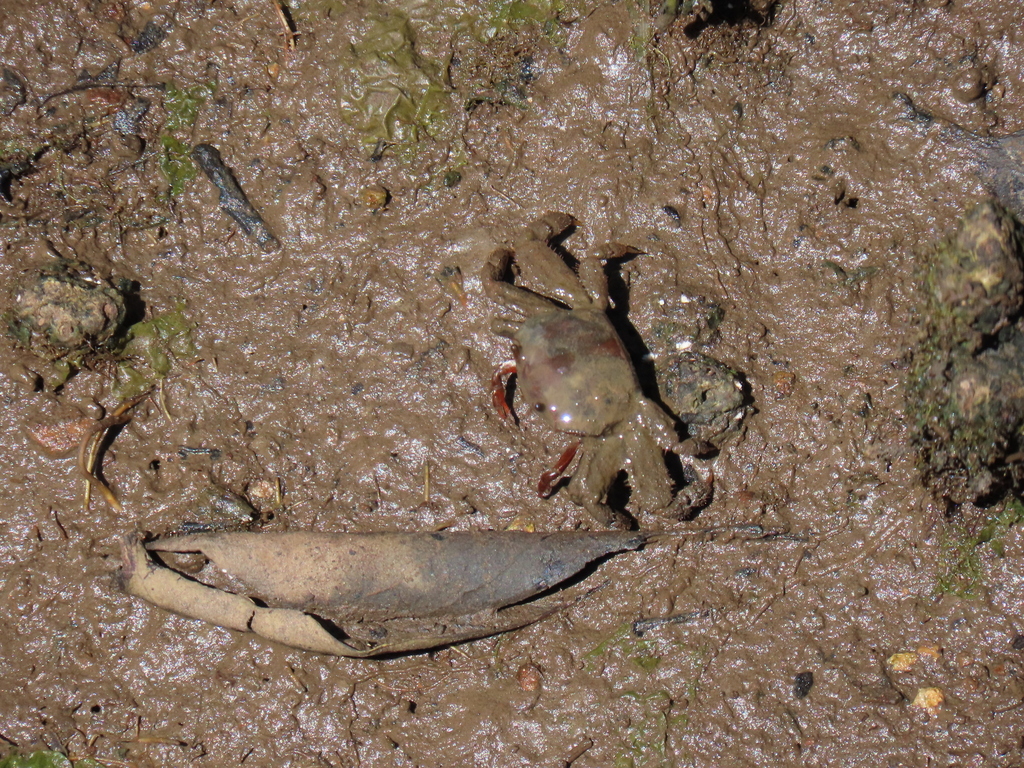
(c) Daniel Eisenhauer, some rights reserved (CC BY) · CC BY · iNaturalist 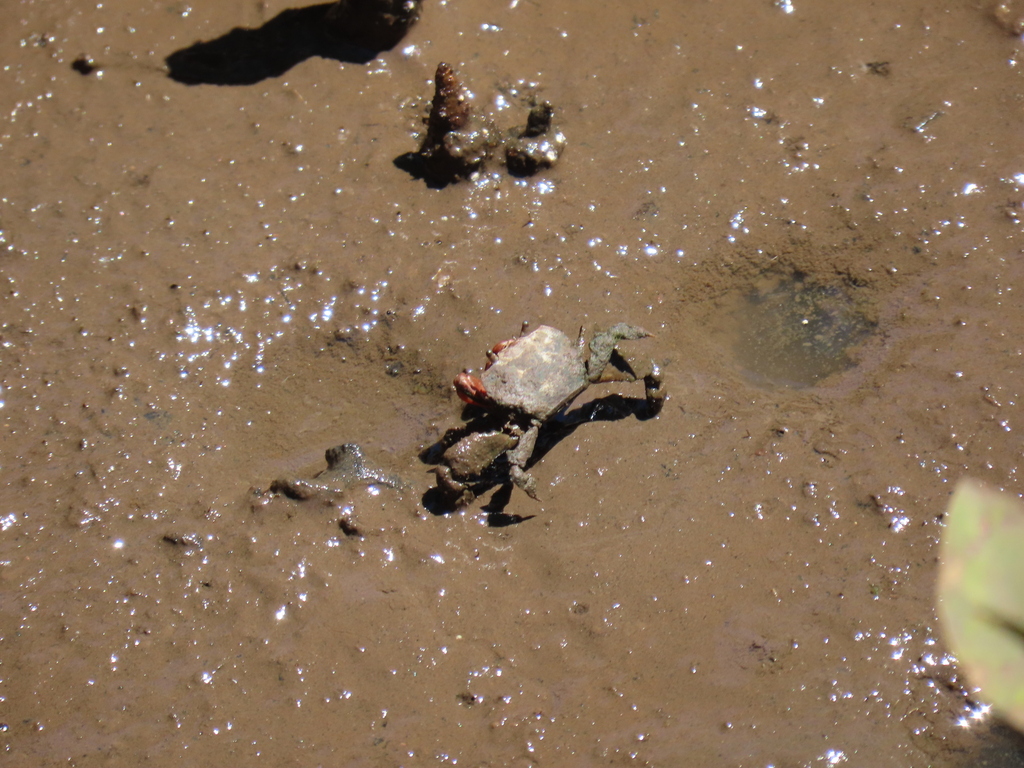
(c) Daniel Eisenhauer, some rights reserved (CC BY) · CC BY · iNaturalist 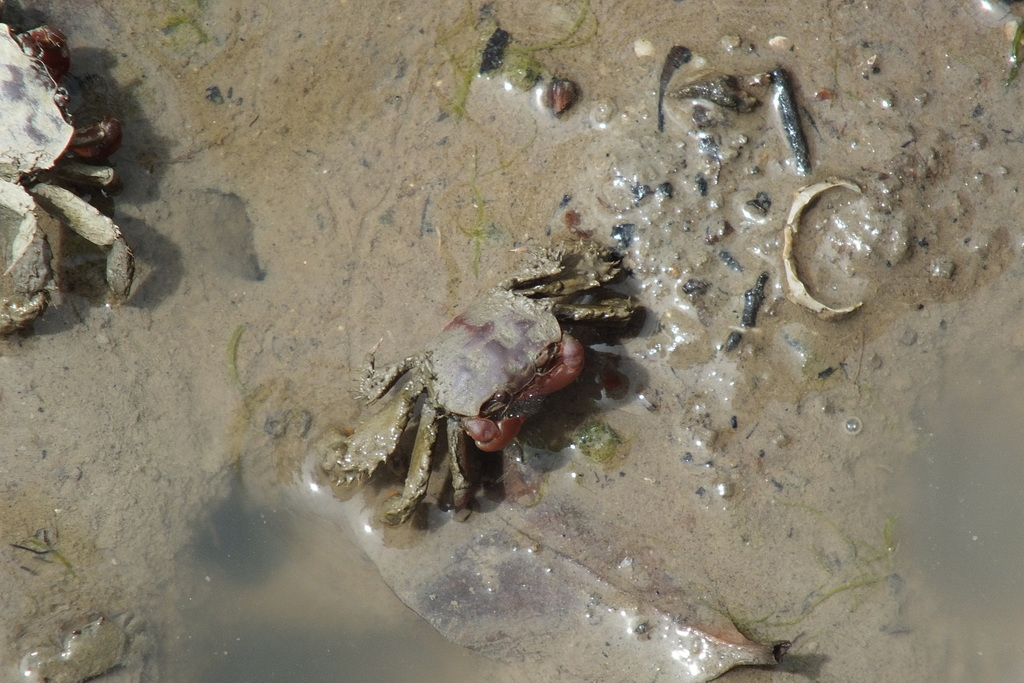
(c) coenobita, some rights reserved (CC BY) · CC BY · iNaturalist 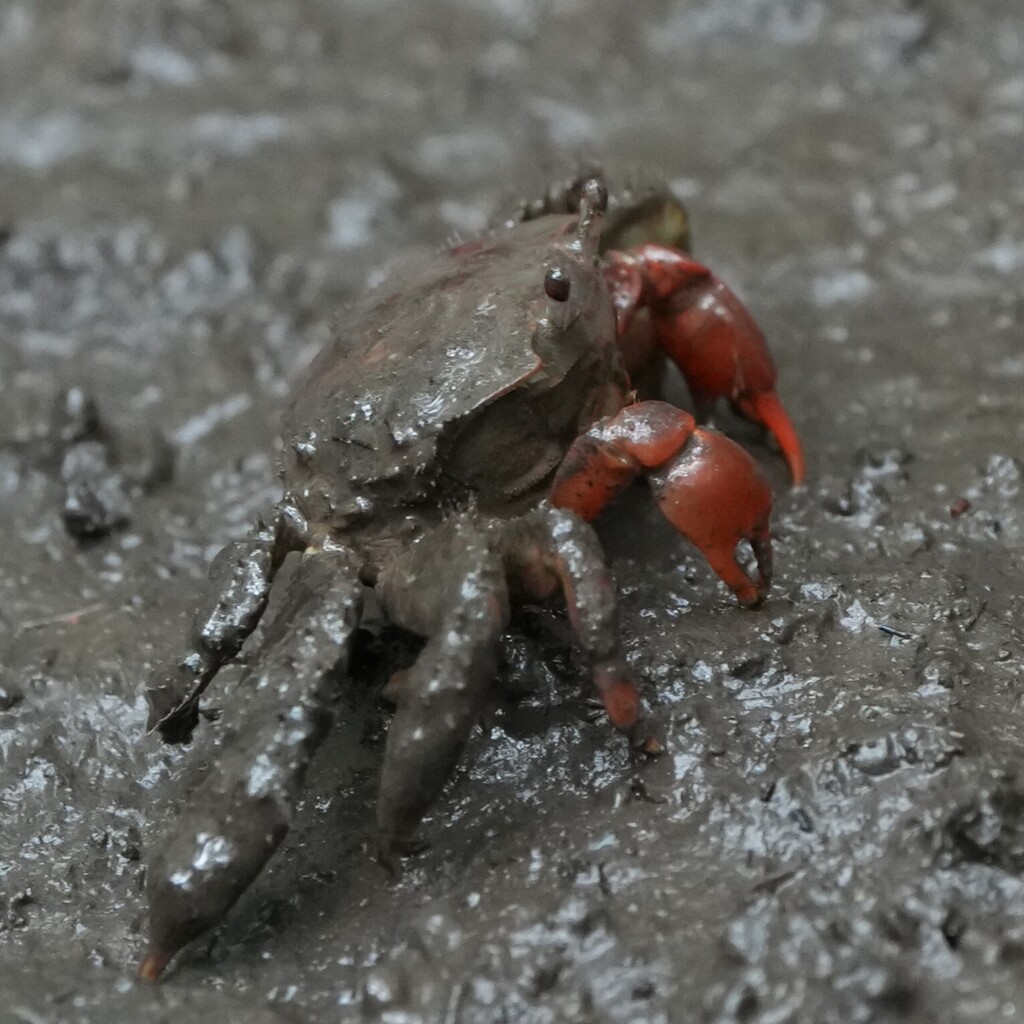
no rights reserved · CC0 1.0 · iNaturalist
Names and classification
- English
- Ward's Hairy-legged Crab
Other scientific names: Cleistostoma wardi
Similar species
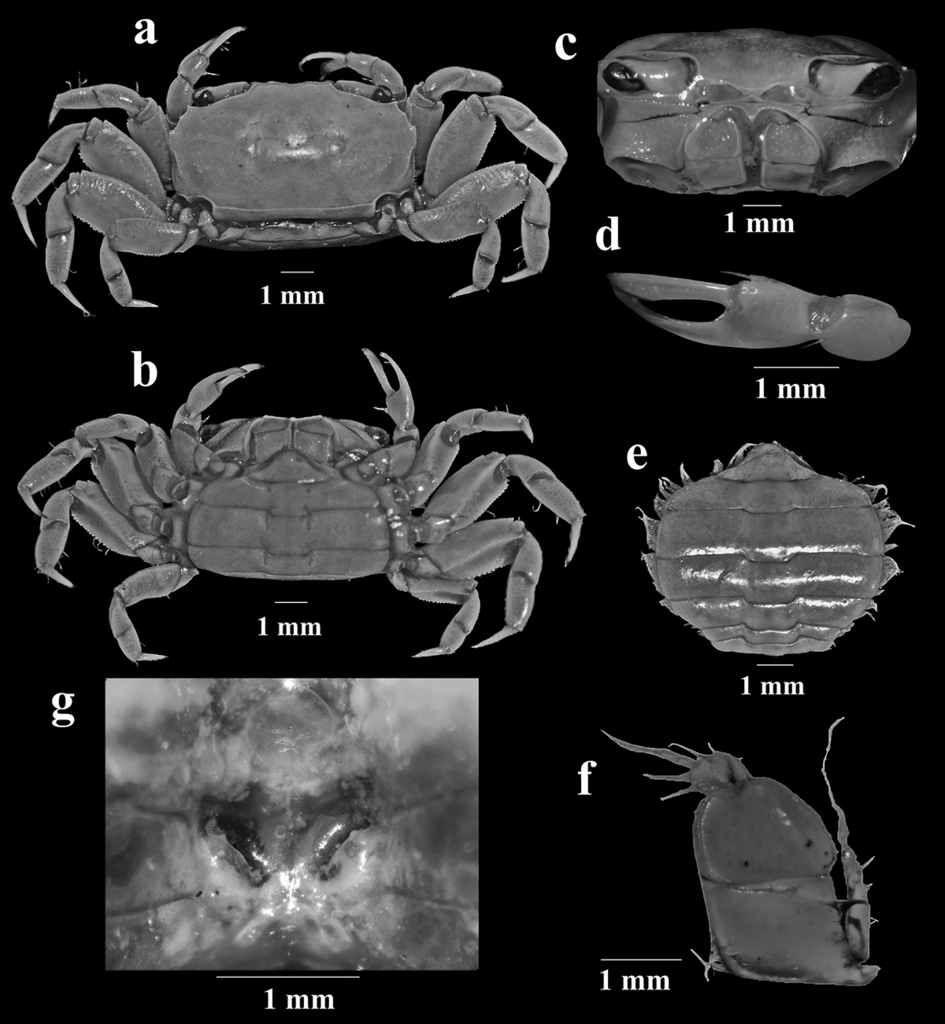
- Red Silt Crab
Paracleistostoma depressum
Sources and credits
Names and taxonomy: WoRMS (CC BY 4.0) and the GBIF Backbone (CC BY 4.0). Photos: iNaturalist observers, each under the licence shown (CC0, CC BY or CC BY-SA).
- Depth, temperature, months and maps: records from OBIS and GBIF under CC0 or CC BY.
- Descriptions: Wikipedia, licensed CC BY-SA, each linked to its article.
- Conservation status as published by GBIF (IUCN Red List).
- 70 open-data records from 1972 to 1998.
- Species data updated November 5, 2026.
Log what you see on your next dive
The free DiveHive diver app keeps your logbook with every sighting and shows what lives at the site you dive next.