
DiscoverSpeciesOther invertebrates
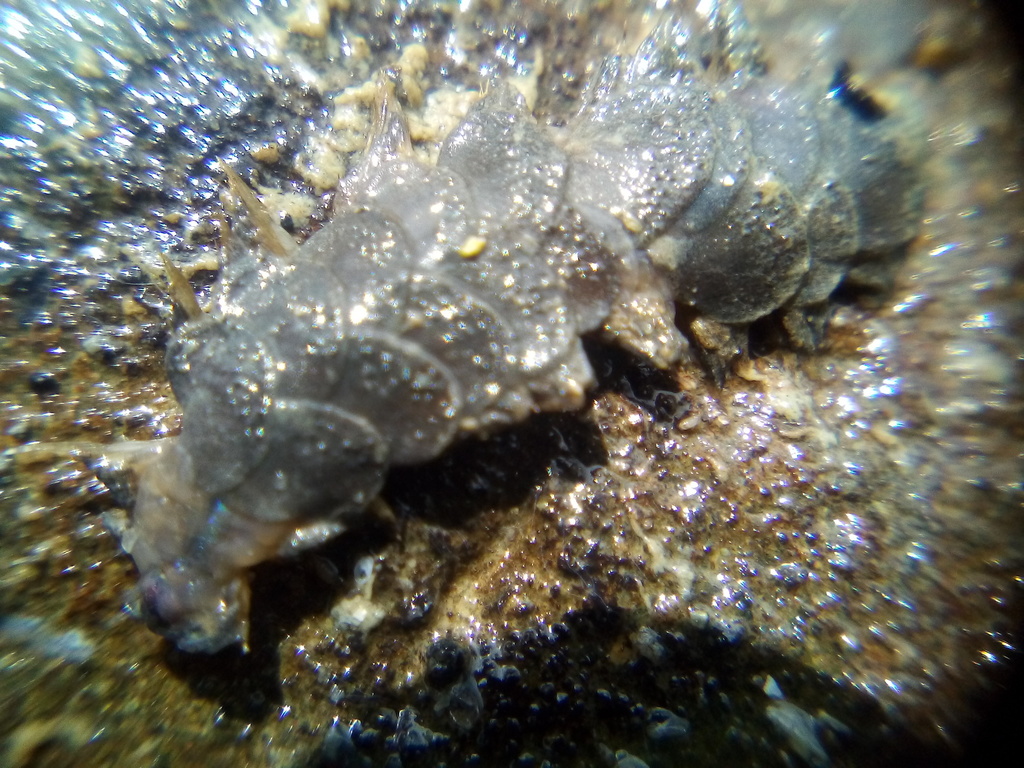
Paralepidonotus ampulliferus
- Usual depth0–18 m
- Water temperature16–29 °C
- Best monthsFebruary, June, and September
- How commonOccasional
Photo credit: (c) Stephen Thorpe, some rights reserved (CC BY), uploaded by Stephen Thorpe · CC BY · iNaturalist
Where and when
Where it has been recorded
Worldwide
Loading the map
Best months
Worldwide (open data)
- January: 4 records
- February: 58 records
- March: 6 records
- April: 4 records
- May: 14 records
- June: 36 records
- July: 16 records
- August: 12 records
- September: 37 records
- October: 31 records
- November: 19 records
- December: 28 records
Depth and water temperature
Depth
Mostly recorded at 0–18 m · Deepest record: 67 m
Water temperature
Recorded in surface water of 16–29 °C
Photos
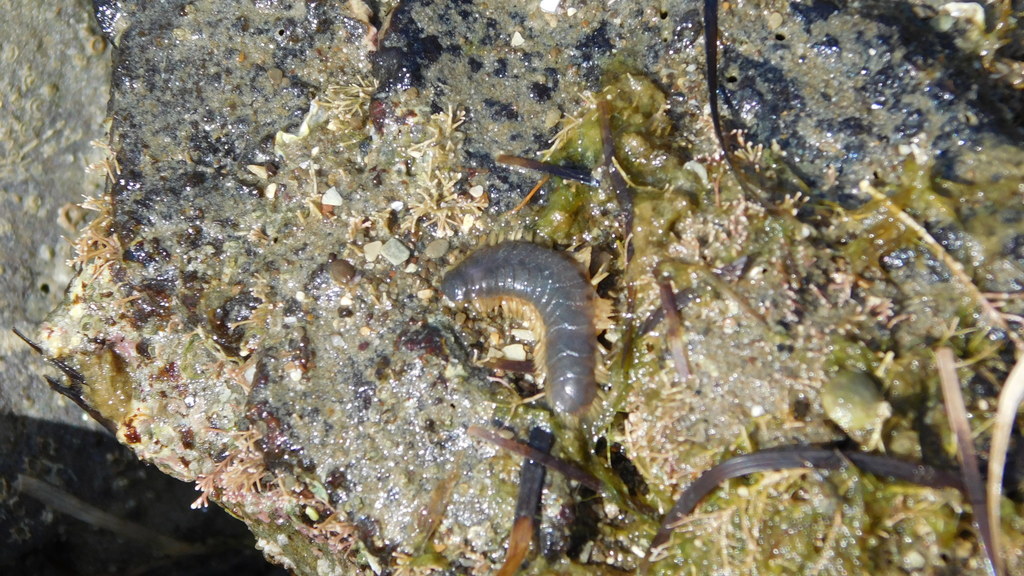
(c) Stephen Thorpe, some rights reserved (CC BY), uploaded by Stephen Thorpe · CC BY · iNaturalist 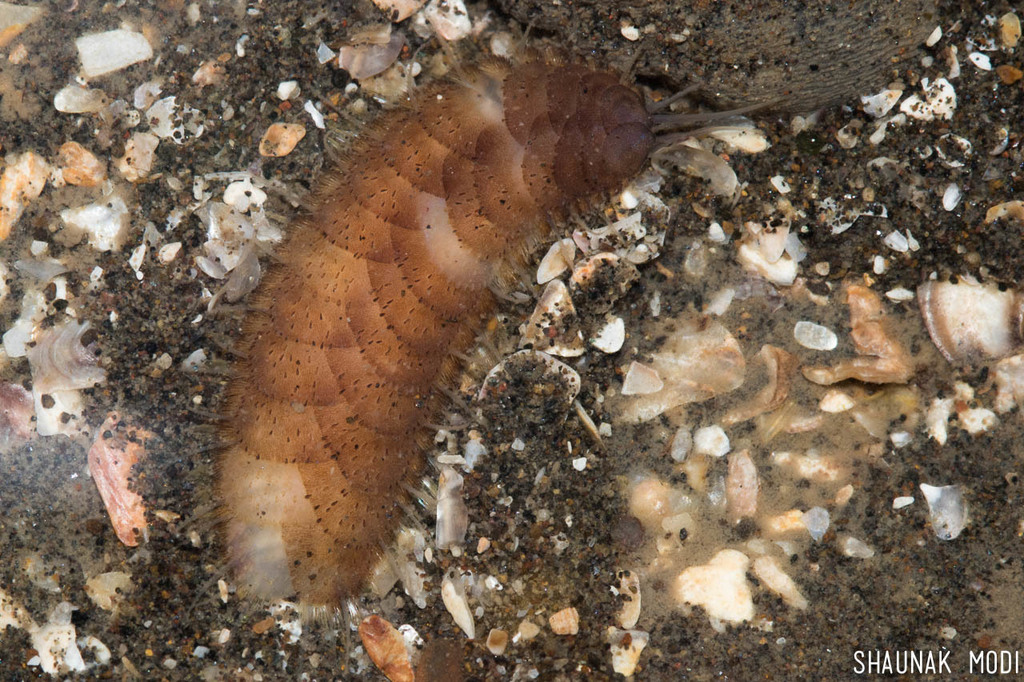
(c) Shaunak Modi, some rights reserved (CC BY) · CC BY · iNaturalist 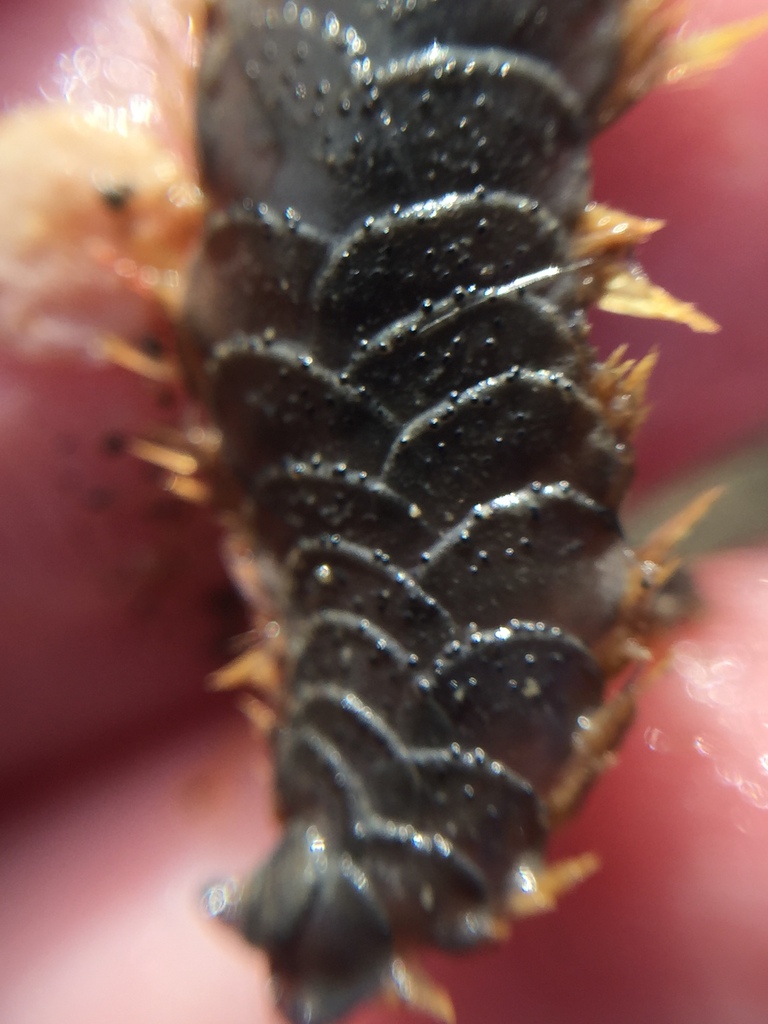
(c) Stephen Thorpe, some rights reserved (CC BY) · CC BY · iNaturalist 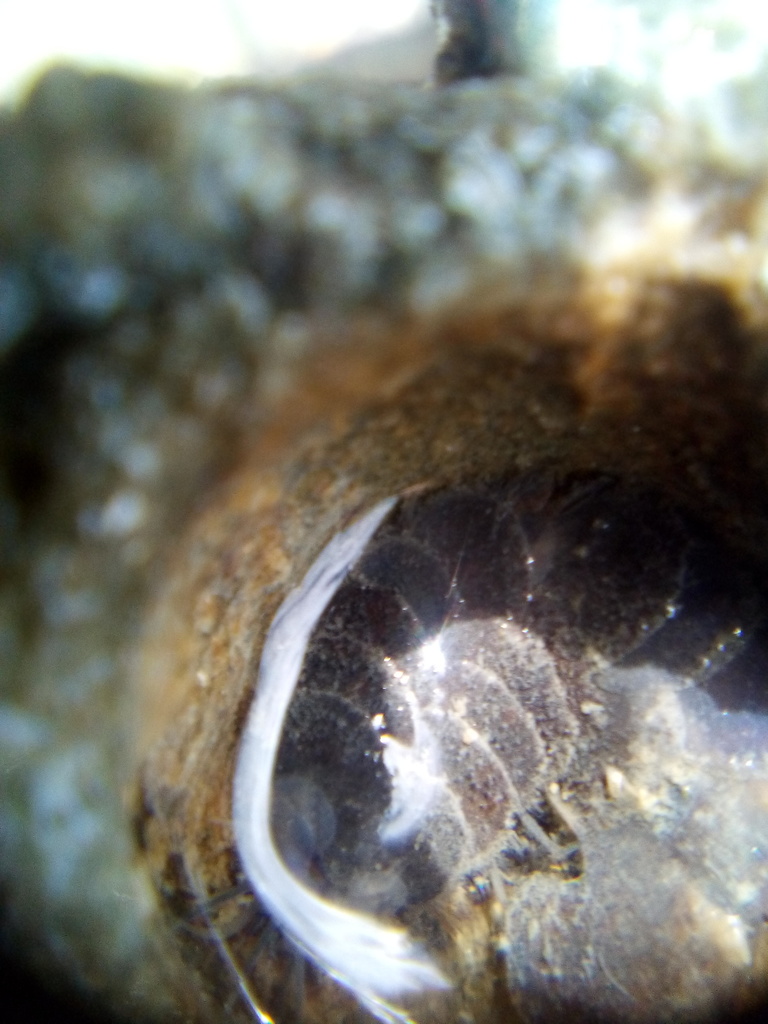
(c) Stephen Thorpe, some rights reserved (CC BY) · CC BY · iNaturalist 
(c) Javier, some rights reserved (CC BY) · CC BY · iNaturalist
Names and classification
Names in 1 more languages
- Japanese
- コブツキウロコムシ
Other scientific names: Harmothoe ampullifera, Harmothoe pseudoampullifera, Lepidonotus ampulliferus, Malmgrenia ampulliferoides, Paralepidonotus ampullifera, Polynoe ampullifera
Similar species
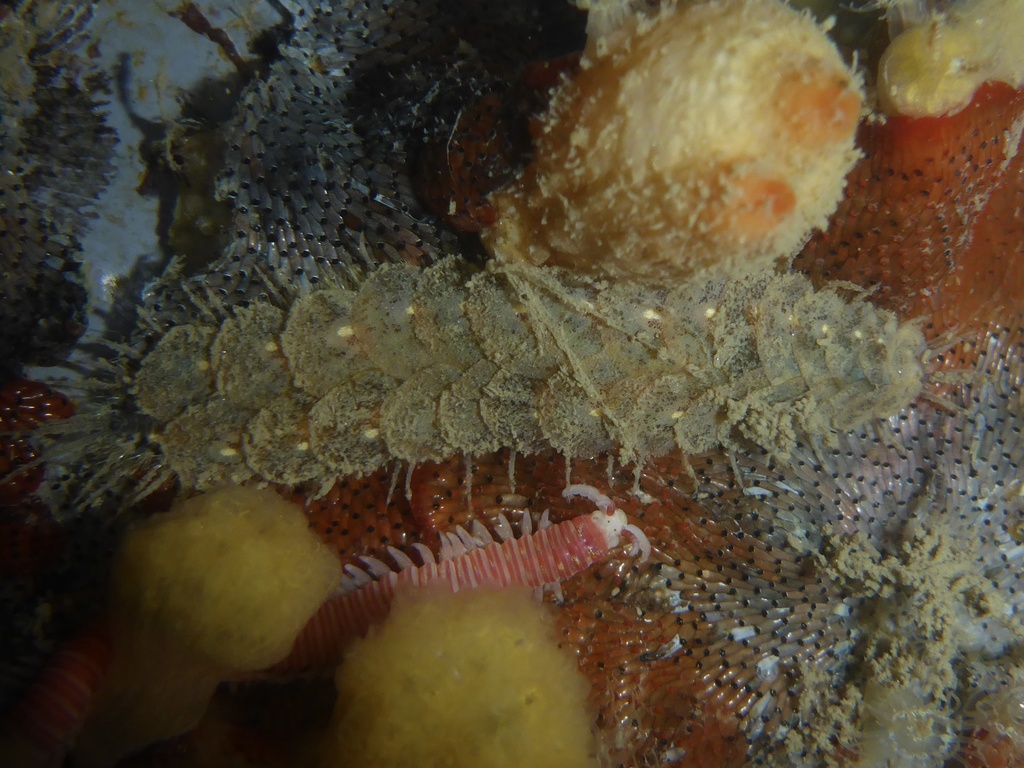 Common fifteen-scaled worm
Harmothoe imbricata
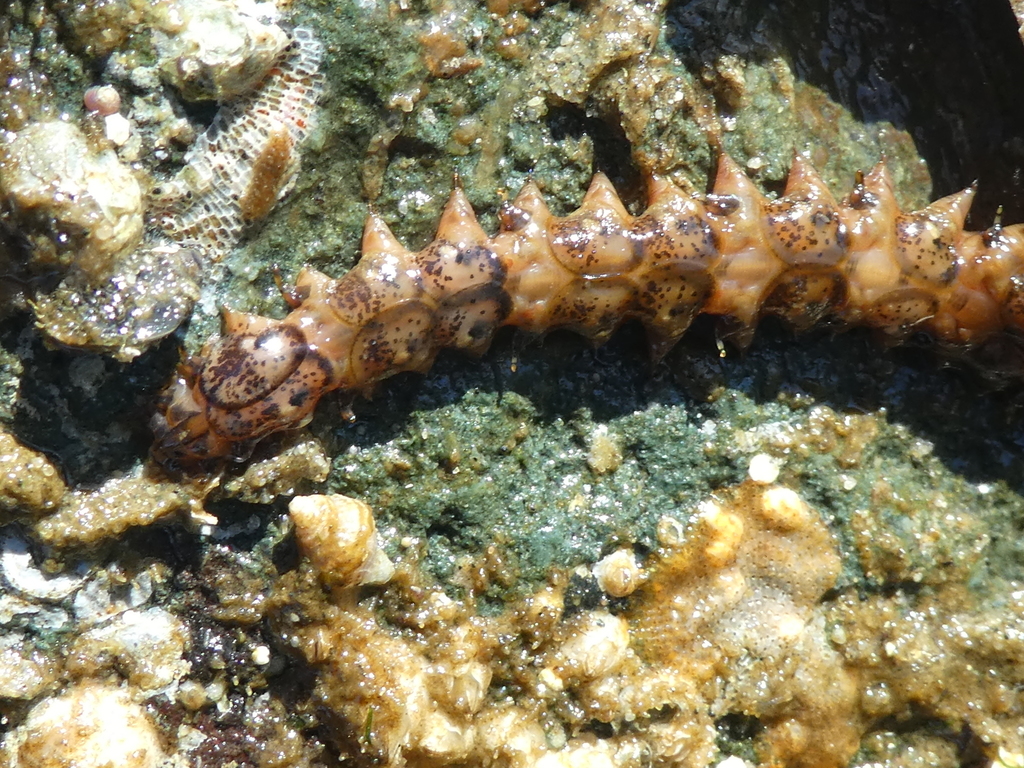 Eighteen-scaled Worm
Halosydna brevisetosa
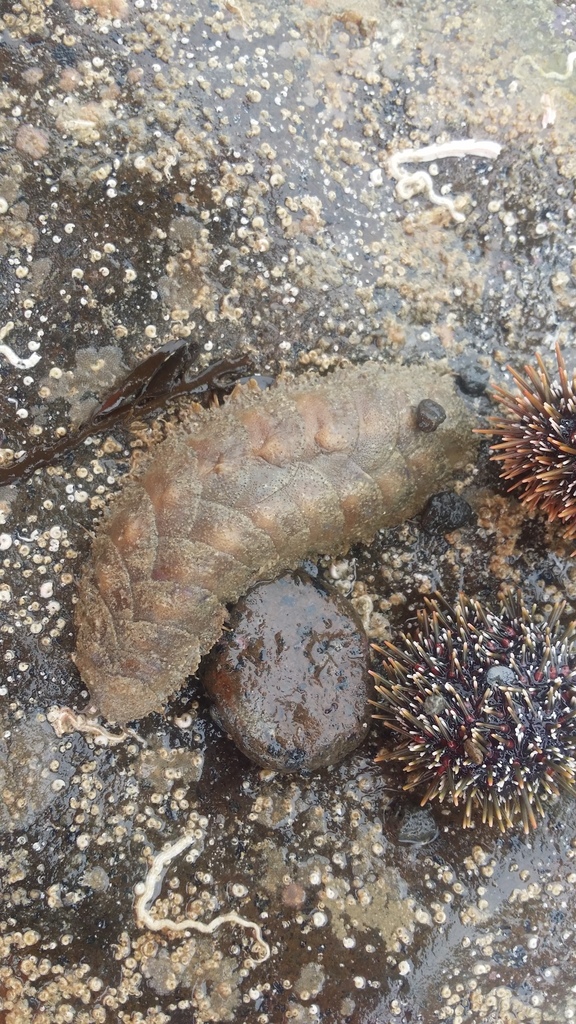
 Club-spined Scale Worm
Gastrolepidia clavigera
Sources and credits
Names and taxonomy: WoRMS (CC BY 4.0) and the GBIF Backbone (CC BY 4.0). Photos: iNaturalist observers, each under the licence shown (CC0, CC BY or CC BY-SA).
- Depth, temperature, months and maps: records from OBIS and GBIF under CC0 or CC BY.
- Conservation status as published by GBIF (IUCN Red List).
- 436 open-data records from 1878 to 2020.
- Species data updated November 5, 2026.
Log what you see on your next dive
The free DiveHive diver app keeps your logbook with every sighting and shows what lives at the site you dive next.