
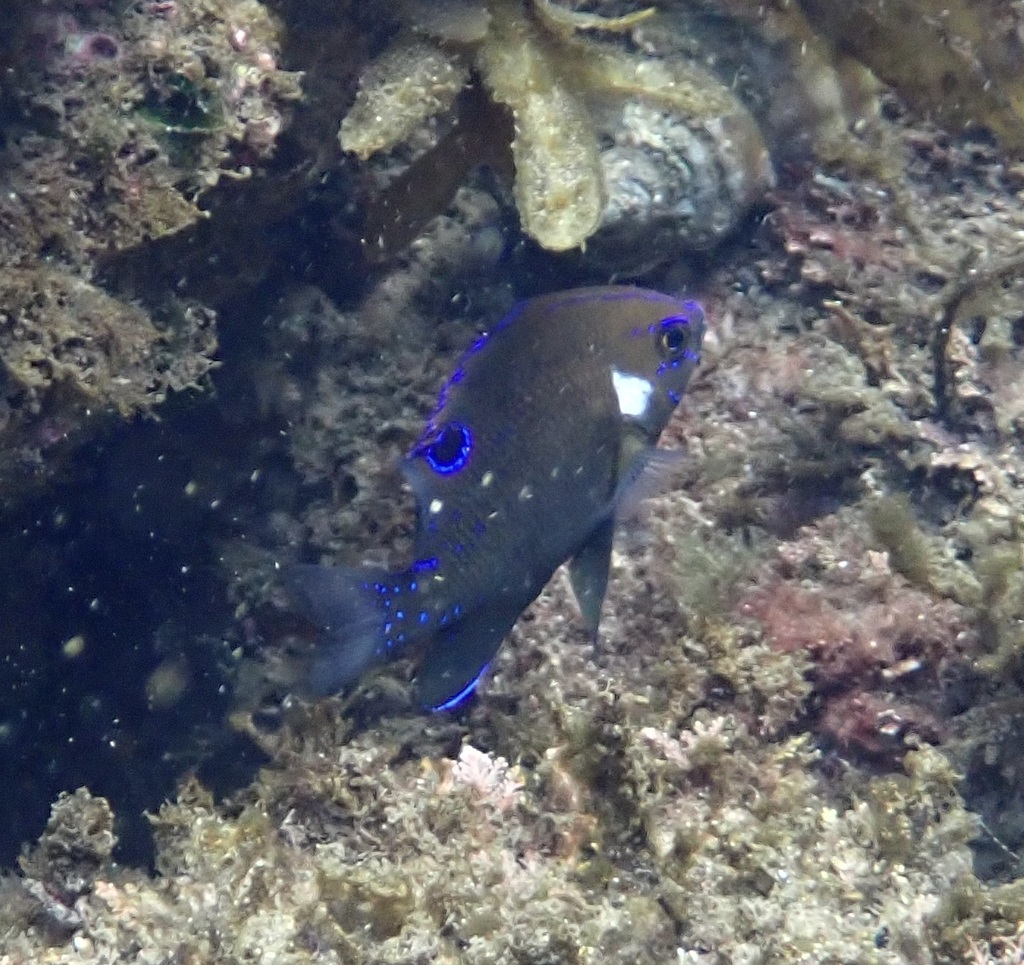
scalyfin
Parma microlepis
- Usual depth5–10 m
- Water temperature14–24 °C
- Best monthsJanuary, February, and March
- How commonOccasional
Photo credit: (c) libby hepburn, some rights reserved (CC BY) · CC BY · iNaturalist
About this species
Parma microlepis, commonly known as the white-ear, is a species of fish in the family Pomacentridae. This fish is endemic to Eastern Australia.
Text from the Wikipedia article “Parma microlepis”, licensed CC BY-SA 4.0. Read the article
Where and when
Where it has been recorded
Worldwide
Loading the map
Best months
Worldwide (open data)
- January: 311 records
- February: 303 records
- March: 299 records
- April: 245 records
- May: 210 records
- June: 279 records
- July: 117 records
- August: 138 records
- September: 152 records
- October: 146 records
- November: 188 records
- December: 250 records
Depth and water temperature
Depth
Mostly recorded at 5–10 m · Deepest record: 40 m
Water temperature
Recorded in surface water of 14–24 °C
Photos
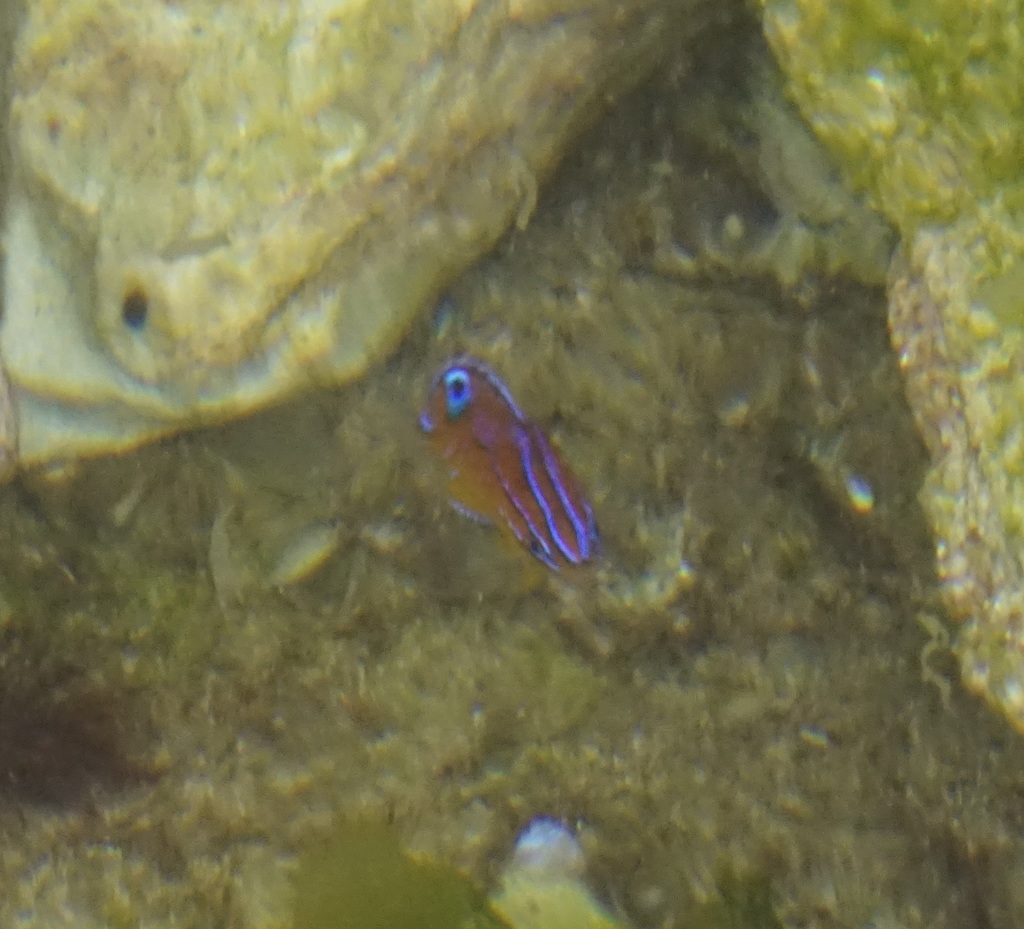
(c) Tim, some rights reserved (CC BY) · CC BY · iNaturalist 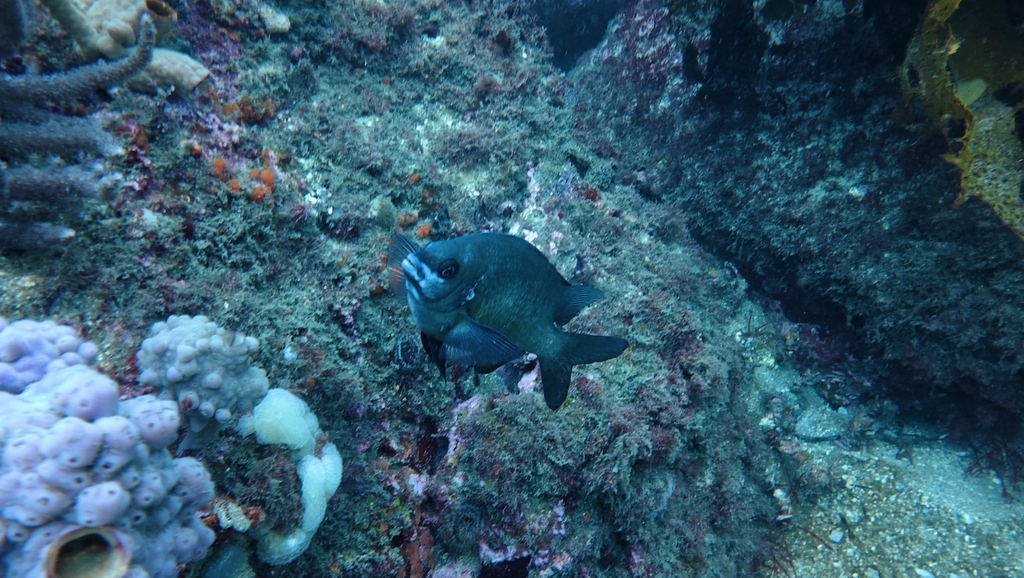
(c) Bryce Watts-Parker, some rights reserved (CC BY) · CC BY · iNaturalist 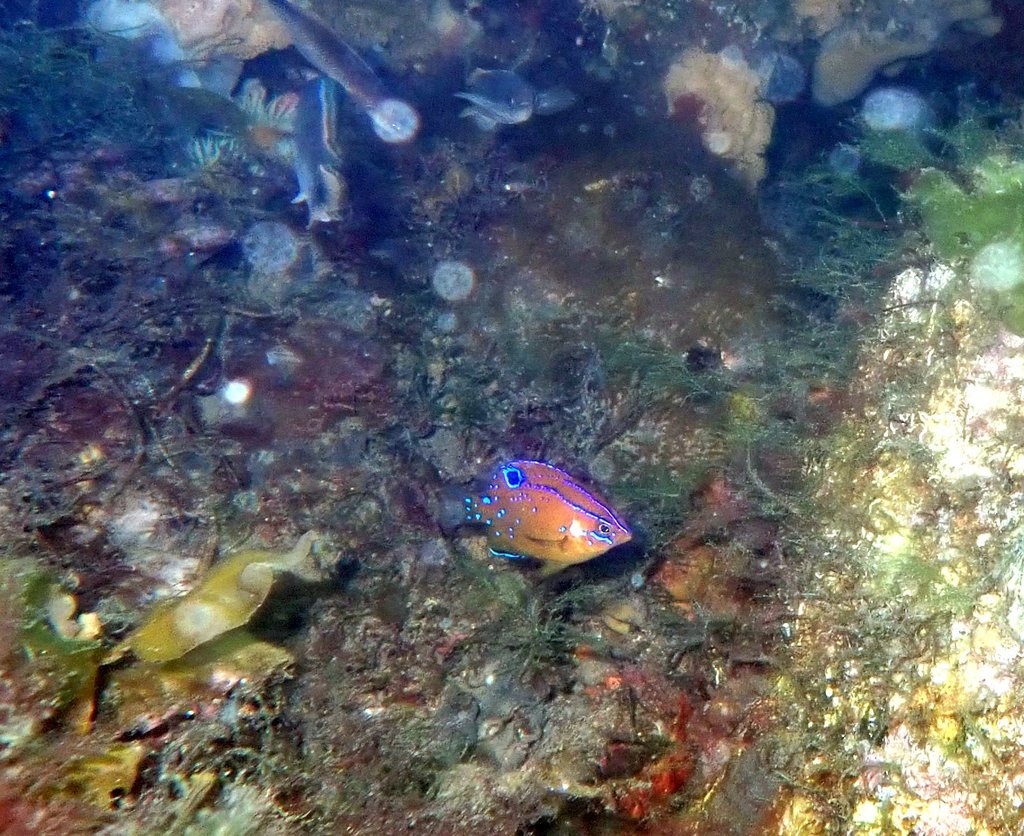
(c) Bruce Deagle, some rights reserved (CC BY) · CC BY · iNaturalist 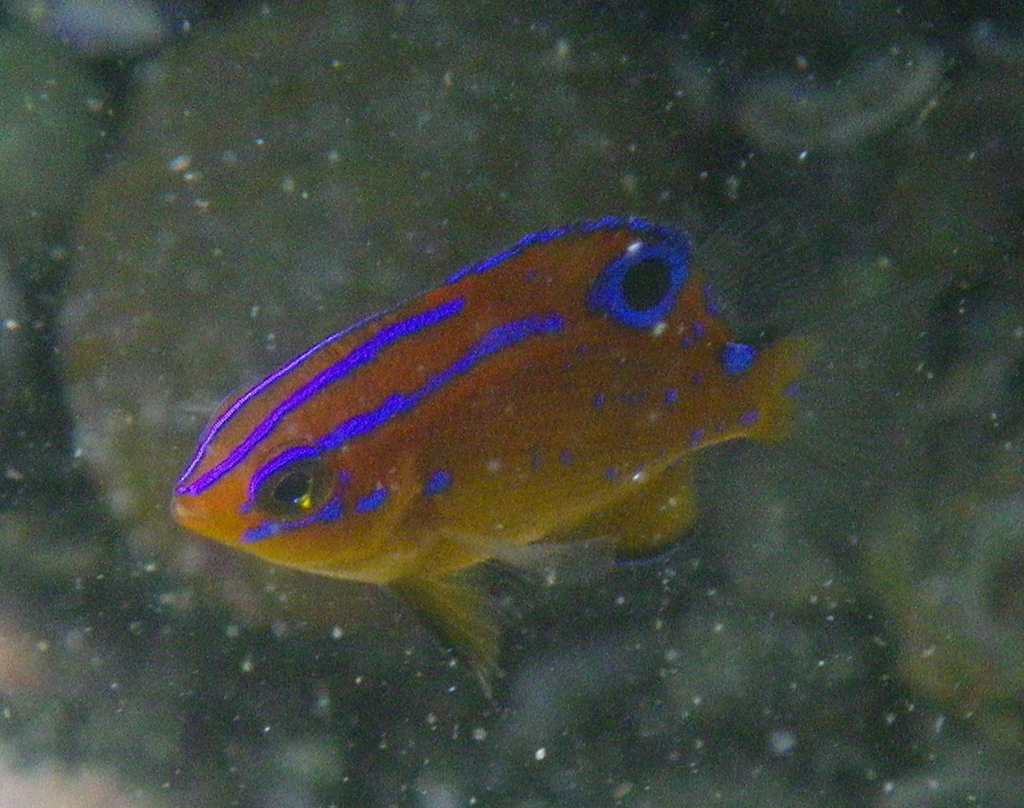
(c) tobyyy, some rights reserved (CC BY-SA) · CC BY-SA · iNaturalist 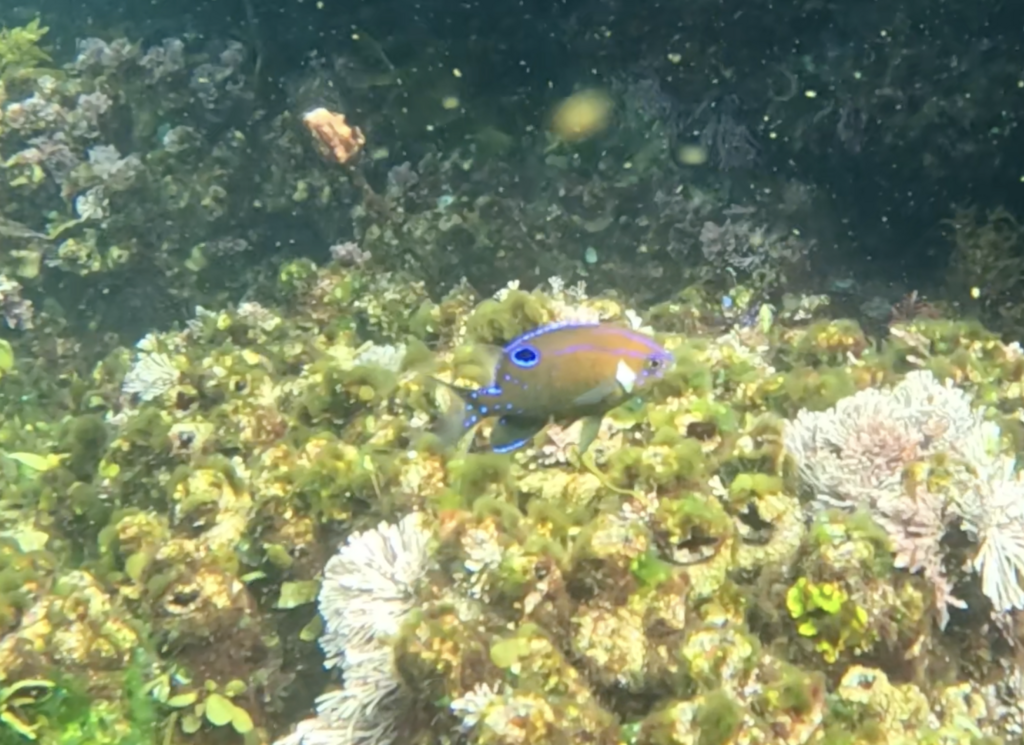
(c) Hugh Chan, some rights reserved (CC BY) · CC BY · iNaturalist 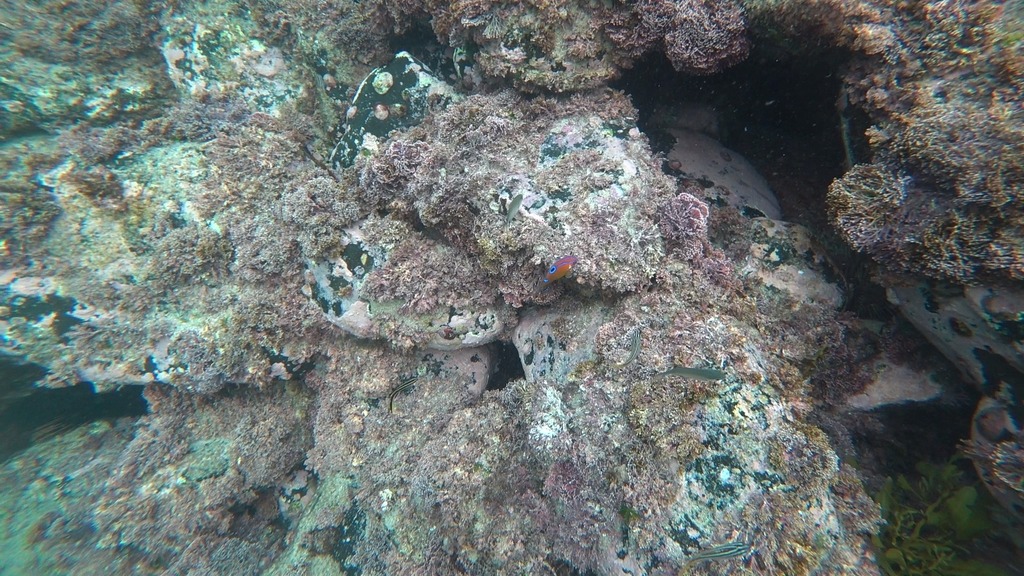
(c) Andrew Harvey, some rights reserved (CC BY) · CC BY · iNaturalist 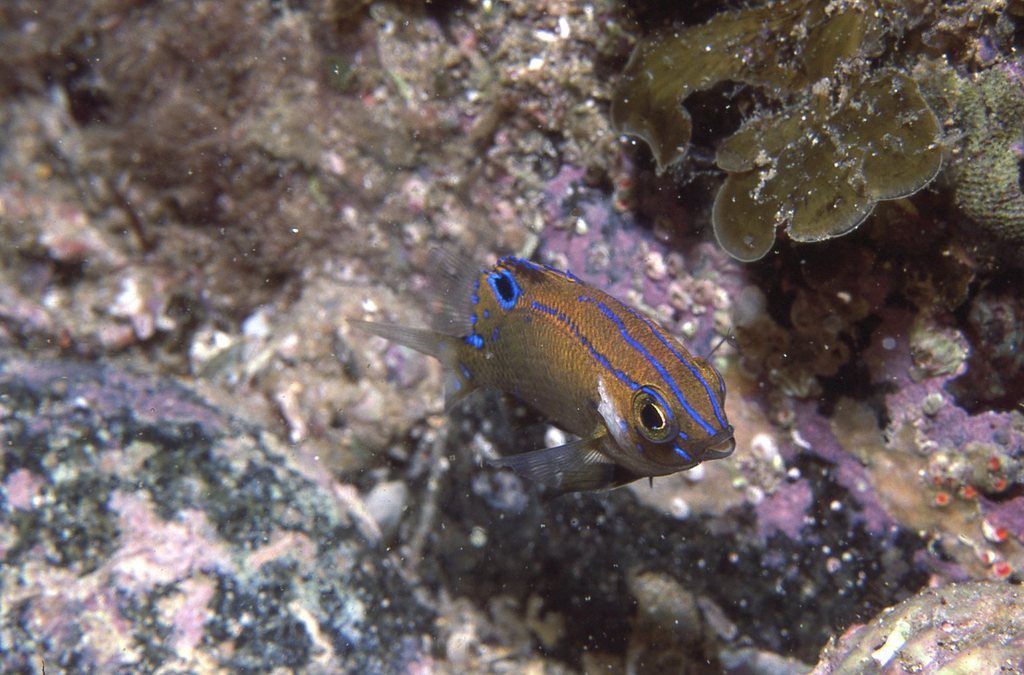
(c) Eldon E Ball, some rights reserved (CC BY) · CC BY · iNaturalist
Names and classification
- English
- scalyfin, White-ear, White Ear, White-ear Parma, White-ear Scalyfin, White Ear Scalyfin
Names in 2 more languages
- Spanish
- Teniente blanco
- Simplified Chinese
- 小鳞盾豆娘鱼
Other scientific names: Glyphidodon australis, Parma macrolepis, Parma squamipinnis, Pomacentrus semifasciatus
Similar species
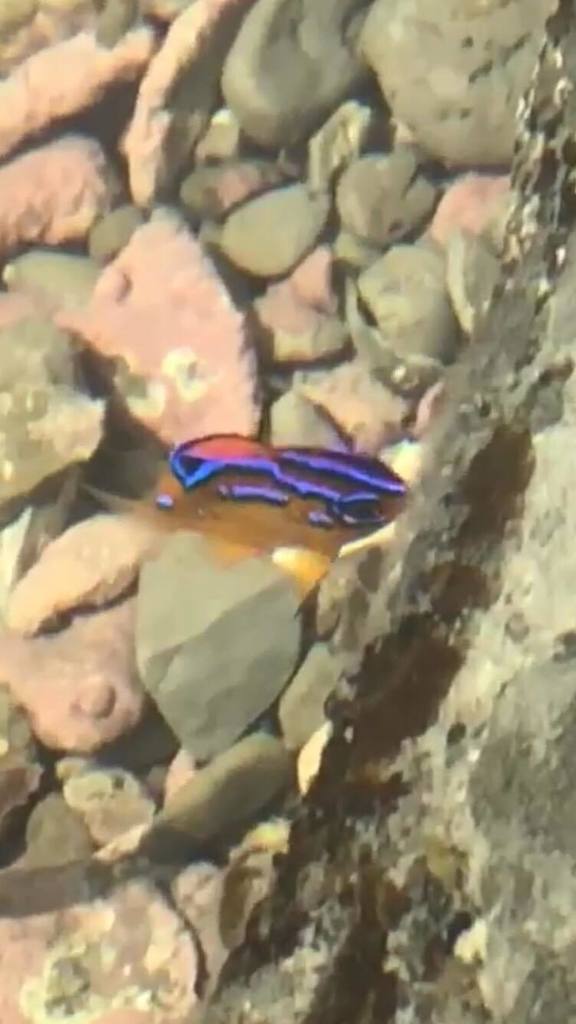 Black Scalyfin
Parma alboscapularis
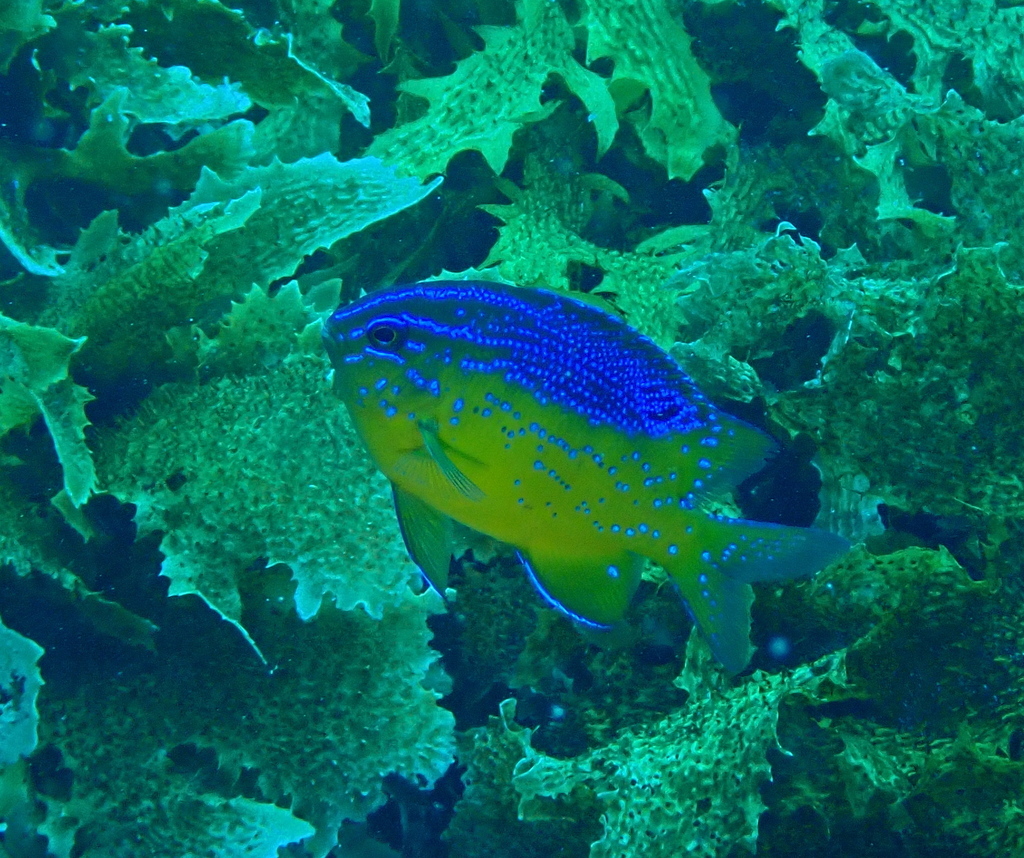 Common Scalyfin
Parma mccullochi
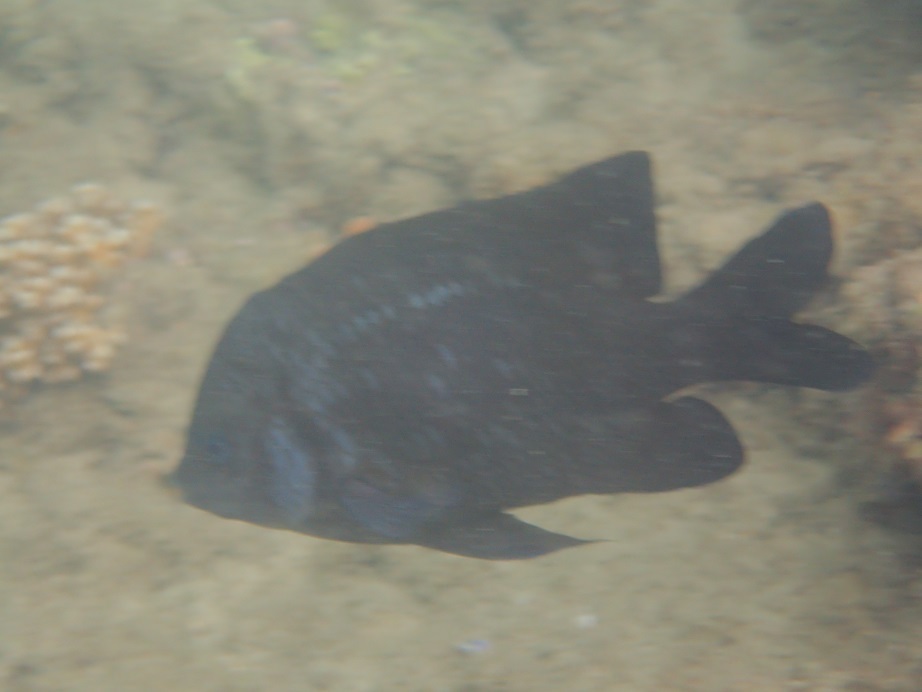 Big-scaled Parma
Parma oligolepis
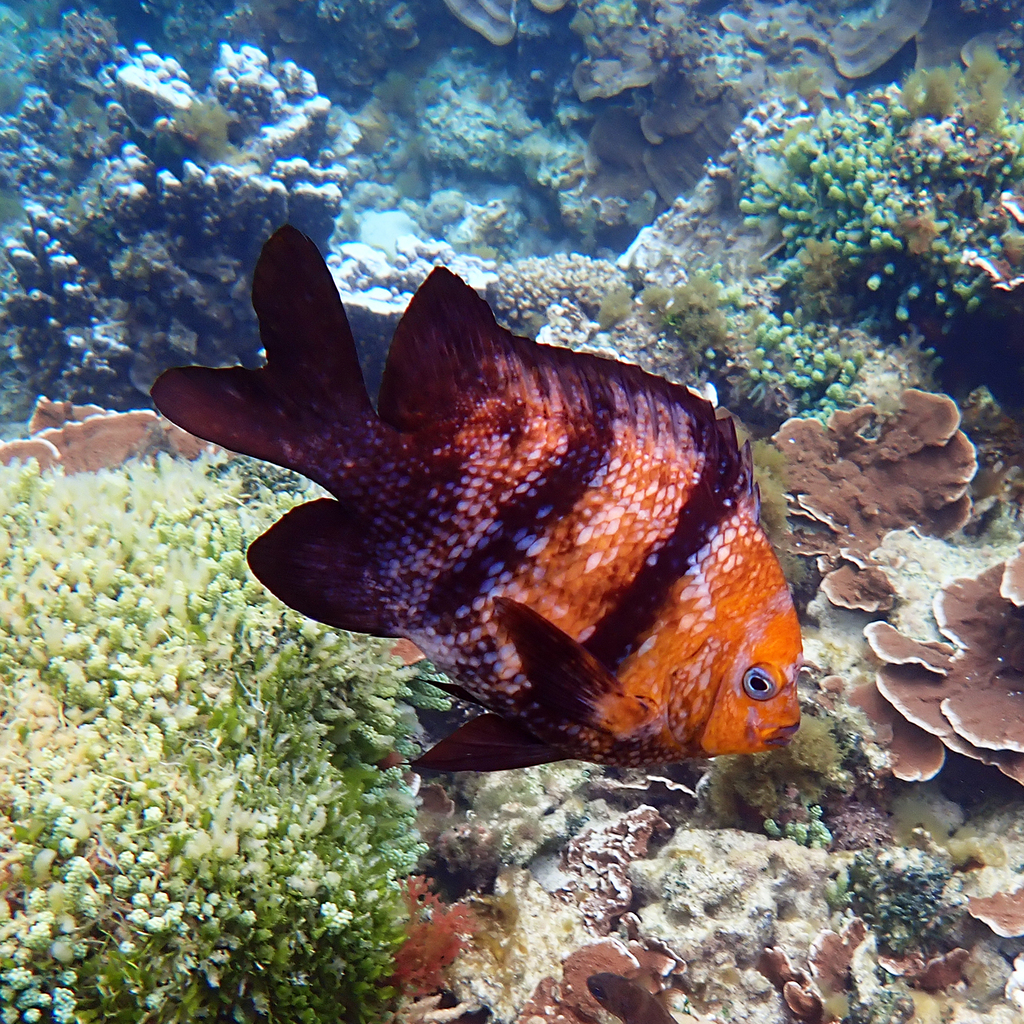 Banded Parma
Parma polylepis
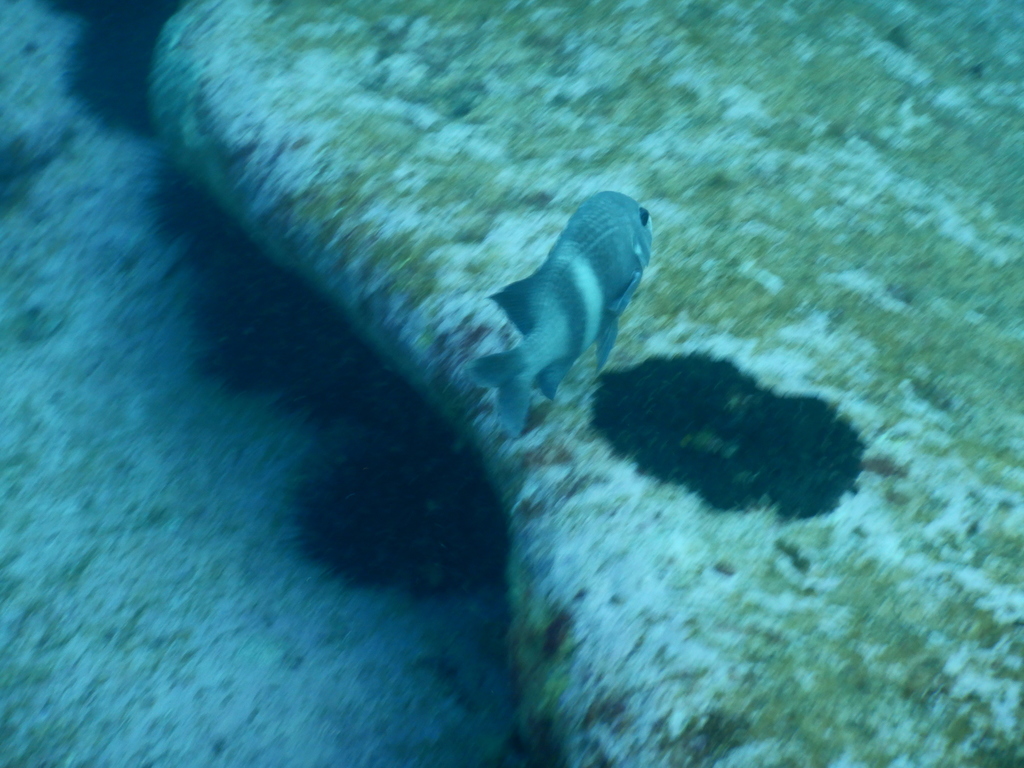 Girdled Parma
Parma unifasciata
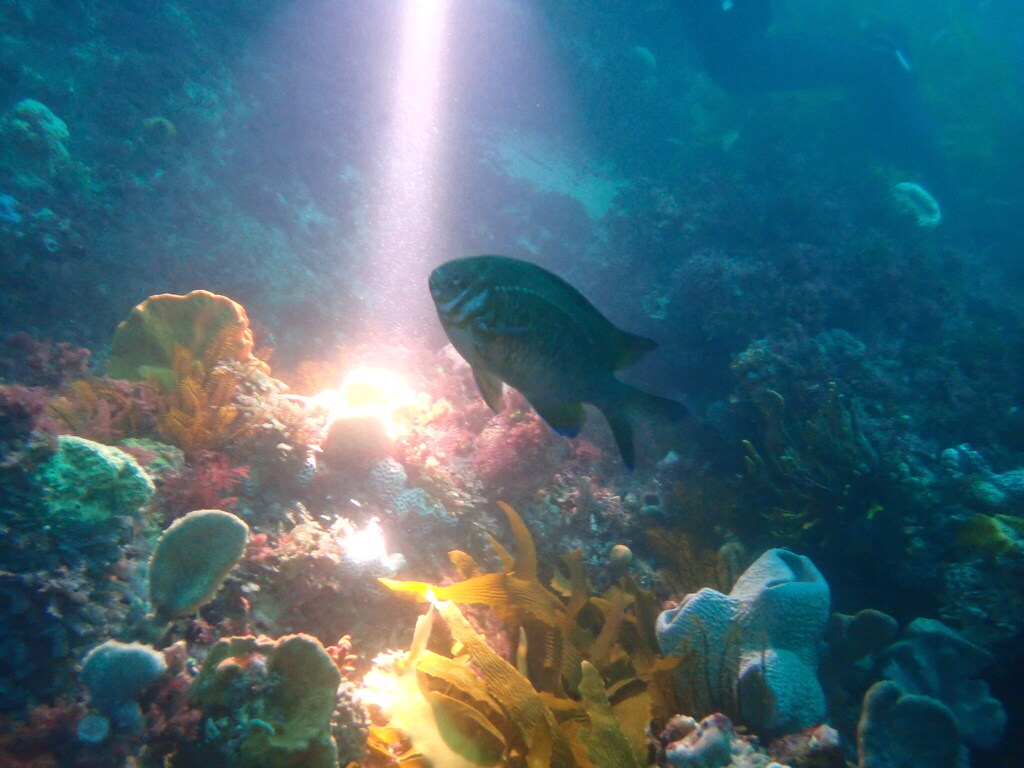 Common Scalyfin
Parma victoriae
Sources and credits
Names and taxonomy: WoRMS (CC BY 4.0) and the GBIF Backbone (CC BY 4.0). Photos: iNaturalist observers, each under the licence shown (CC0, CC BY or CC BY-SA).
- Depth, temperature, months and maps: records from OBIS and GBIF under CC0 or CC BY.
- Descriptions: Wikipedia, licensed CC BY-SA, each linked to its article.
- Conservation status as published by GBIF (IUCN Red List).
- 4,418 open-data records from 1906 to 2023.
- Species data updated November 5, 2026.
Log what you see on your next dive
The free DiveHive diver app keeps your logbook with every sighting and shows what lives at the site you dive next.