
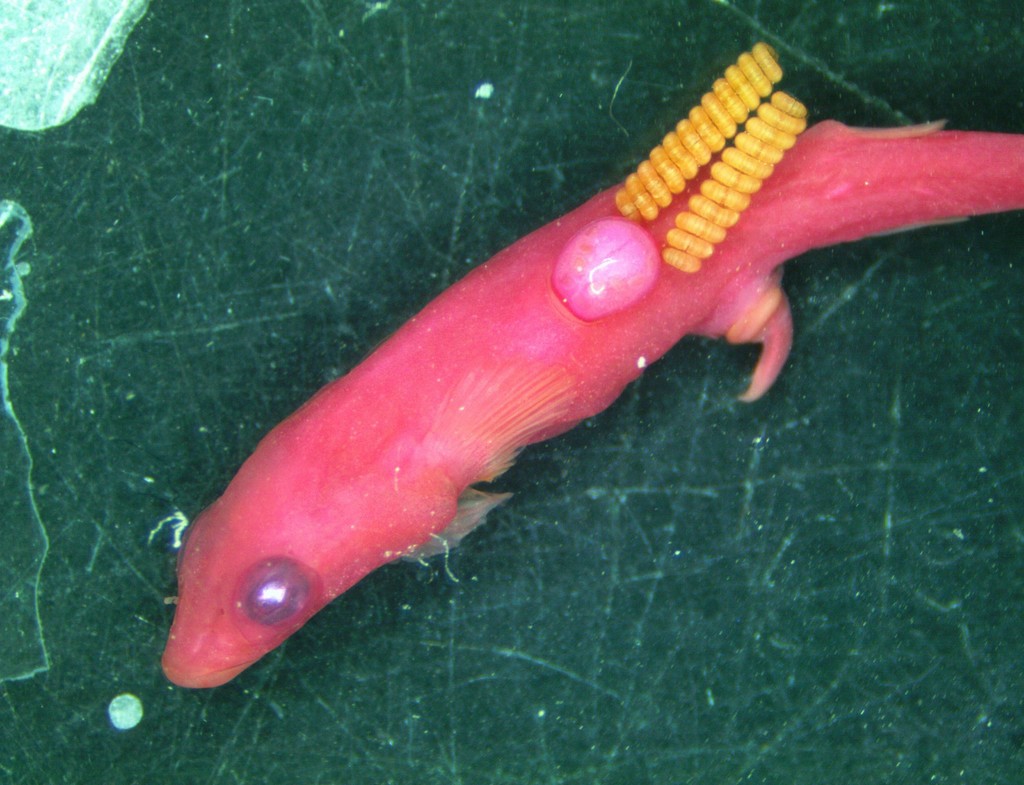
Little Clingfish
Parvicrepis parvipinnis
- Usual depth0–3 m
- Water temperature14–23 °C
- Best monthsFebruary and March
- How commonRare
Photo credit: (c) Thomas Mesaglio, some rights reserved (CC BY) · CC BY · iNaturalist
About this species
The little clingfish is a species of clingfish found in reef environments along the coast of Australia. This species grows to a length of 3 centimetres (1.2 in) TL. This species is the only known member of its genus. This species was described by Edgar Ravenswood Waite as Diplocrepis parvipinnis in 1906 with a type locality of Long Bay, Sydney, New South Wales. In 1931 Gilbert Percy Whitley raised the monotypic genus Parvicrepis for this species.
Text from the Wikipedia article “Little clingfish”, licensed CC BY-SA 4.0. Read the article
Where and when
Where it has been recorded
Worldwide
Loading the map
Best months
Worldwide (open data)
- January: 3 records
- February: 12 records
- March: 14 records
- April: 5 records
- May: 5 records
- June: 0 records
- July: 0 records
- August: 2 records
- September: 1 records
- October: 0 records
- November: 2 records
- December: 4 records
Depth and water temperature
Depth
Mostly recorded at 0–3 m · Deepest record: 3 m
Water temperature
Recorded in surface water of 14–23 °C
Names and classification
- English
- Little Clingfish, Smallfin Clingfish
Other scientific names: Diplocrepis parvipinnis
Similar species
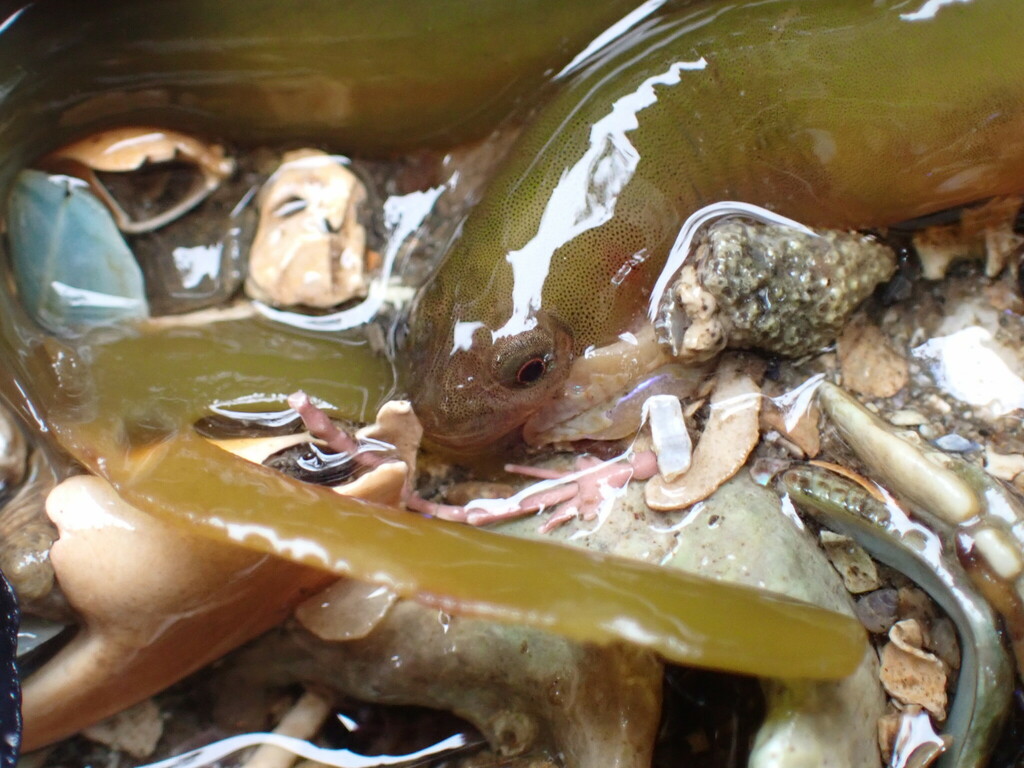 Common Shore-eel
Alabes dorsalis
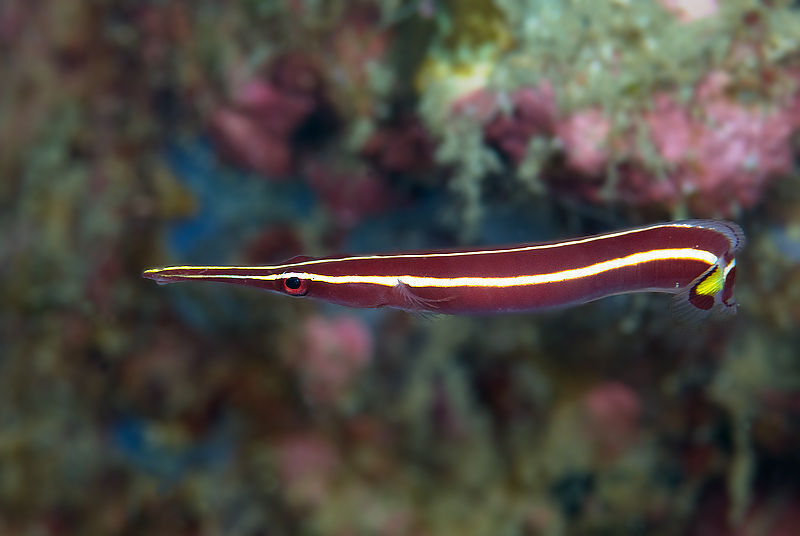 Long-snout Clingfish
Diademichthys lineatus
 Pygmy Shore Eel
Alabes parvula
 Broad Clingfish
Aspasmogaster costata
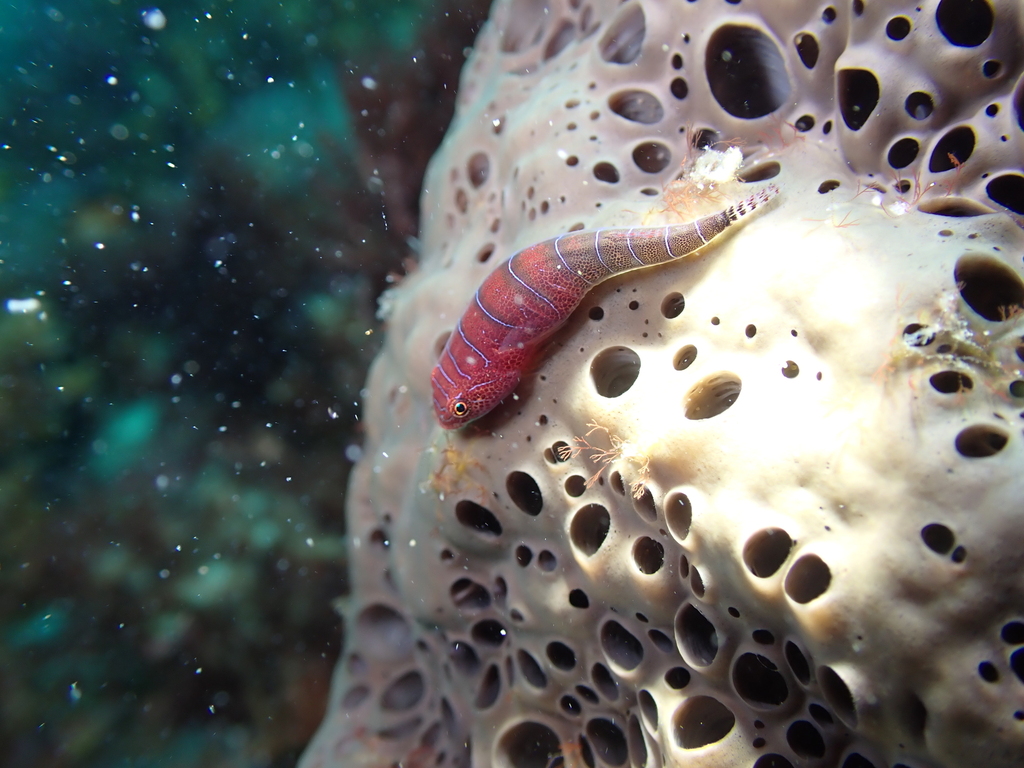 Western Cleaner Clingfish
Cochleoceps bicolor
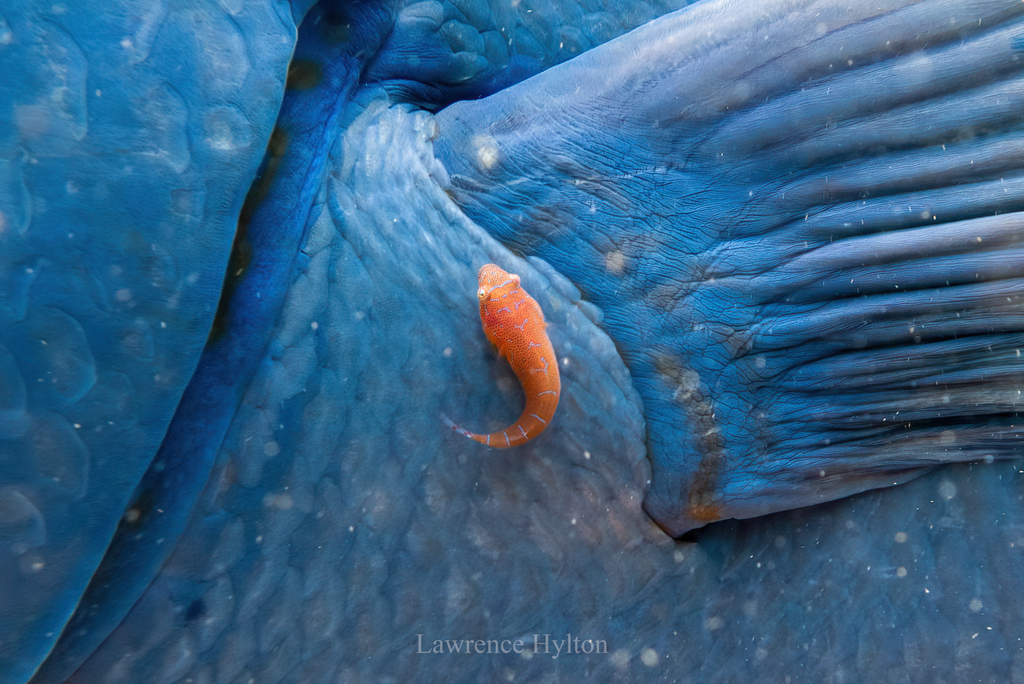 Eastern Cleaner-clingfish
Cochleoceps orientalis
Sources and credits
Names and taxonomy: WoRMS (CC BY 4.0) and the GBIF Backbone (CC BY 4.0). Photos: iNaturalist observers, each under the licence shown (CC0, CC BY or CC BY-SA).
- Depth, temperature, months and maps: records from OBIS and GBIF under CC0 or CC BY.
- Descriptions: Wikipedia, licensed CC BY-SA, each linked to its article.
- Conservation status as published by GBIF (IUCN Red List).
- 85 open-data records from 1907 to 2013.
- Species data updated November 5, 2026.
Log what you see on your next dive
The free DiveHive diver app keeps your logbook with every sighting and shows what lives at the site you dive next.