
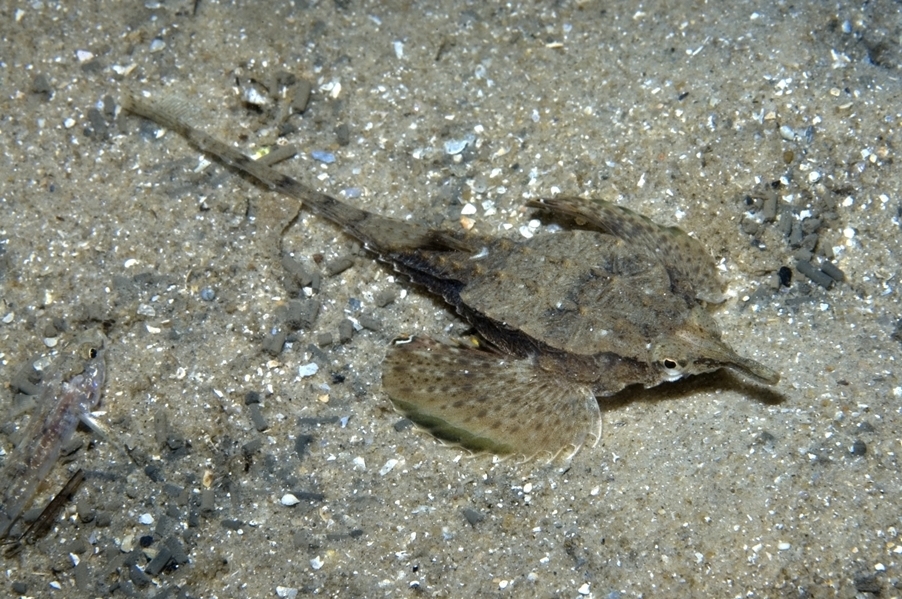
Dragonfish
Pegasus lancifer
- Usual depth5–56 m
- Water temperature14–28 °C
- Best monthsFebruary, April, and September
- How commonRare
Photo credit: (c) Julian Finn (Museum Victoria), some rights reserved (CC BY) · CC BY · iNaturalist
About this species
Pegasus lancifer, the sculptured seamoth or sculptured dragonfish, is a species of seamoth which is endemic to the temperate seas of southern Australia and Tasmania. They are known to gather in large numbers in the shallows of estuaries. Individuals can bury themselves in the sediment and change colours to camouflage them. The male & female spawn as a pair, swimming with their vents touching around a 1 metre (3.3 ft) above the substrate, while the eggs and sperm are released. After spawning the pair separates and the eggs begin a pelagic phase.
Text from the Wikipedia article “Pegasus lancifer”, licensed CC BY-SA 4.0. Read the article
Where and when
Where it has been recorded
Worldwide
Loading the map
Best months
Worldwide (open data)
- January: 9 records
- February: 12 records
- March: 3 records
- April: 10 records
- May: 10 records
- June: 4 records
- July: 6 records
- August: 6 records
- September: 11 records
- October: 7 records
- November: 8 records
- December: 5 records
Depth and water temperature
Depth
Mostly recorded at 5–56 m · Deepest record: 59 m
Water temperature
Recorded in surface water of 14–28 °C
Photos
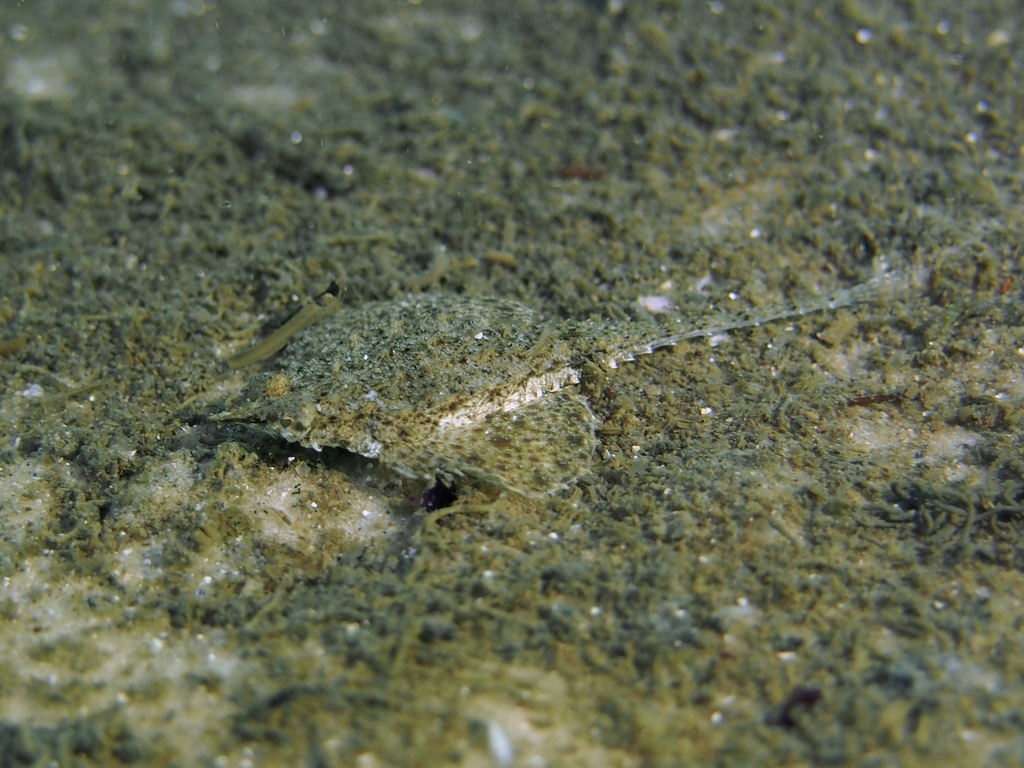
(c) Christopher Mark, some rights reserved (CC BY) · CC BY · iNaturalist 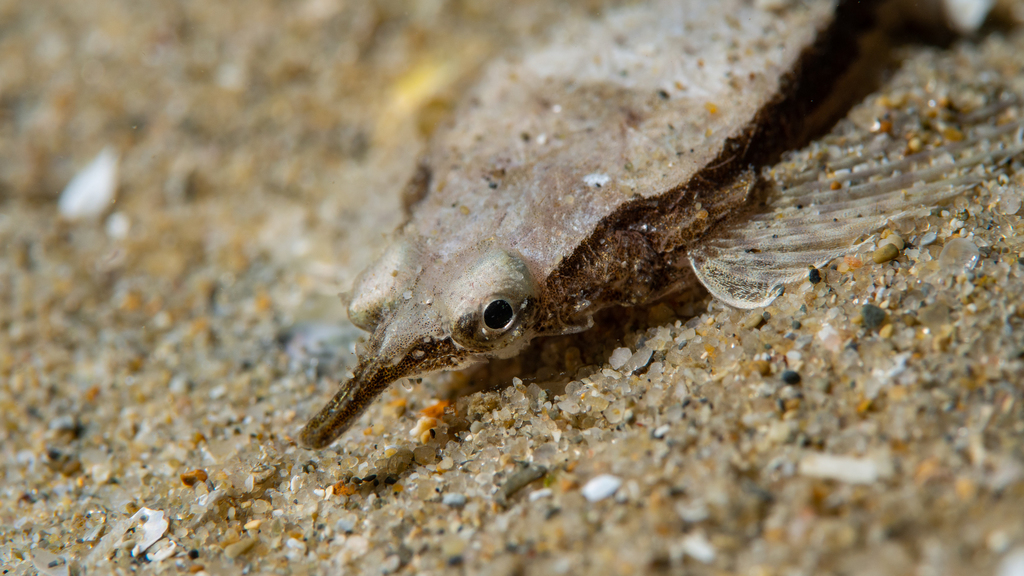
(c) Christopher Mark, some rights reserved (CC BY) · CC BY · iNaturalist 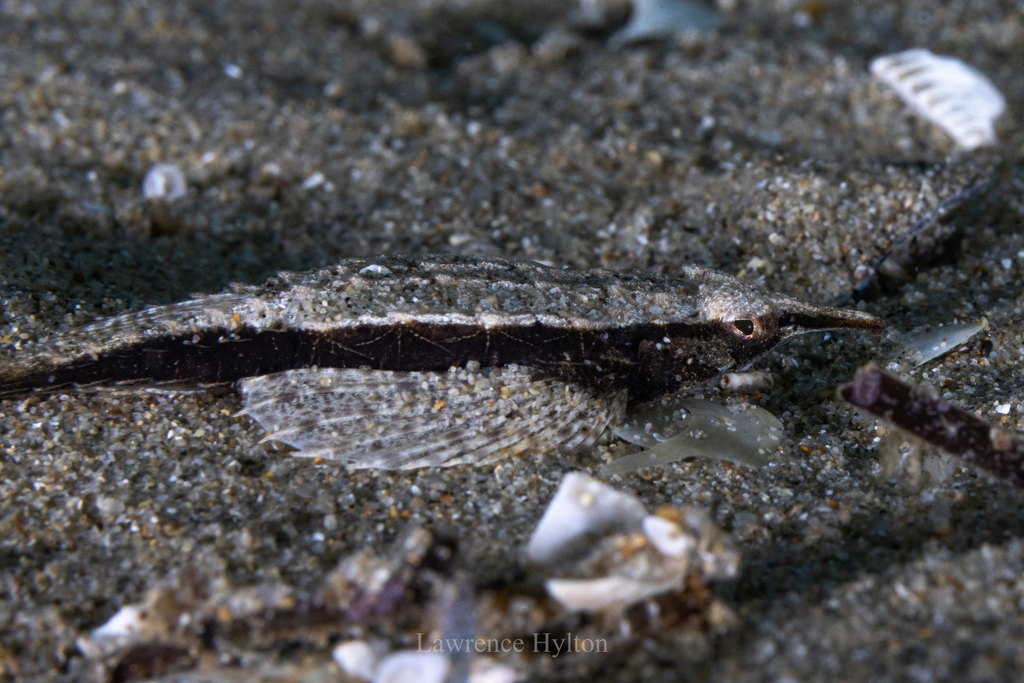
(c) Lawrence Hylton, some rights reserved (CC BY) · CC BY · iNaturalist
Names and classification
- English
- Dragonfish, Sculptured Dragon-fish, Sculptured Dragonfish, Sculptured Seamoth, Seamoth
Names in 1 more languages
- Simplified Chinese
- 矛海蛾魚, 矛海蛾鱼
Other scientific names: Acanthopegasus lancifer, Parapegasus lancifer
Similar species
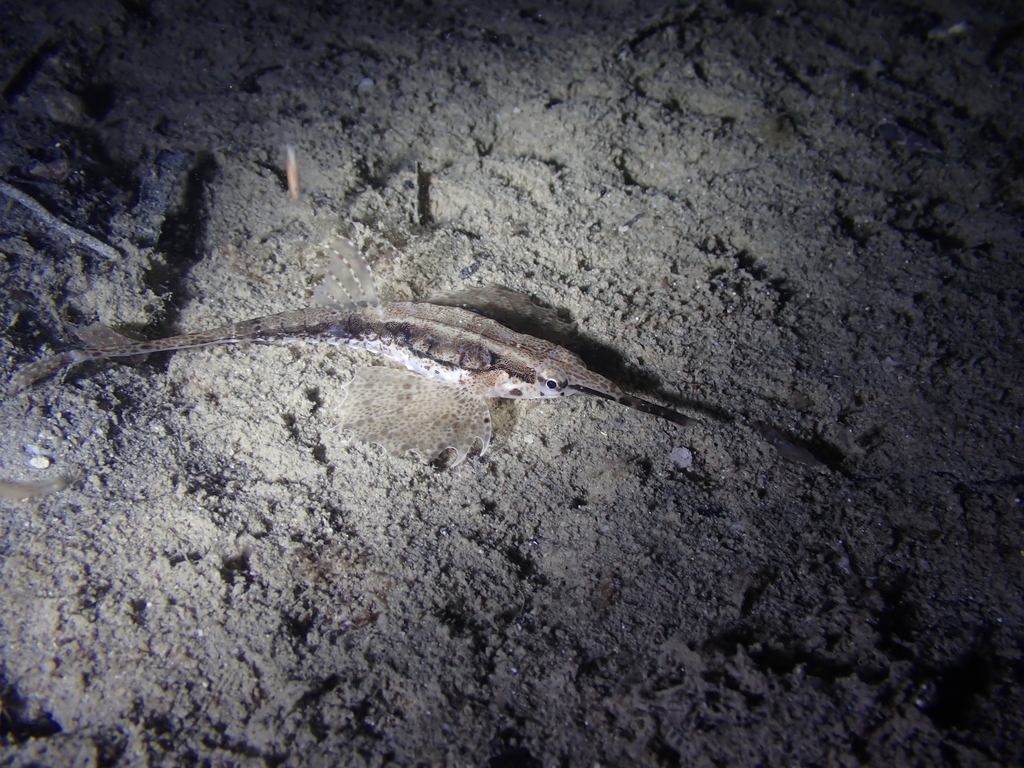 Longtail seamouth
Pegasus volitans
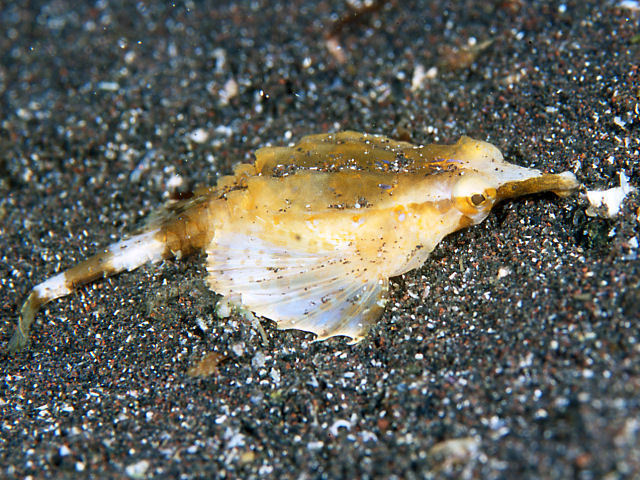 Brick Seamoth
Pegasus laternarius
- Short-spined Seamoth
Pegasus tetrabelos
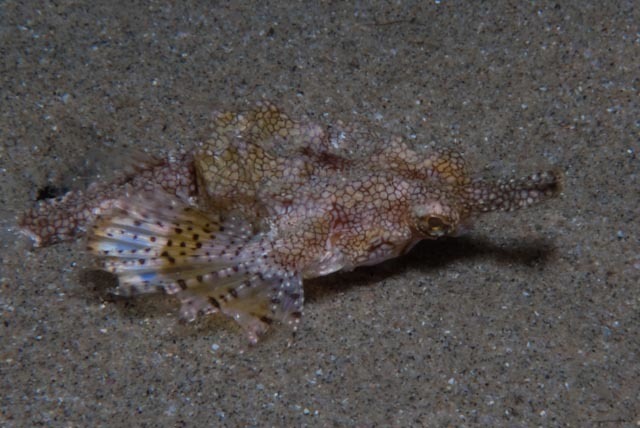 Short dragonfish
Eurypegasus draconis
- Hawaiian Sea-moth
Eurypegasus papilio
Sources and credits
Names and taxonomy: WoRMS (CC BY 4.0) and the GBIF Backbone (CC BY 4.0). Photos: iNaturalist observers, each under the licence shown (CC0, CC BY or CC BY-SA).
- Depth, temperature, months and maps: records from OBIS and GBIF under CC0 or CC BY.
- Descriptions: Wikipedia, licensed CC BY-SA, each linked to its article.
- Conservation status as published by GBIF (IUCN Red List).
- 199 open-data records from 1887 to 2008.
- Species data updated November 5, 2026.
Log what you see on your next dive
The free DiveHive diver app keeps your logbook with every sighting and shows what lives at the site you dive next.