
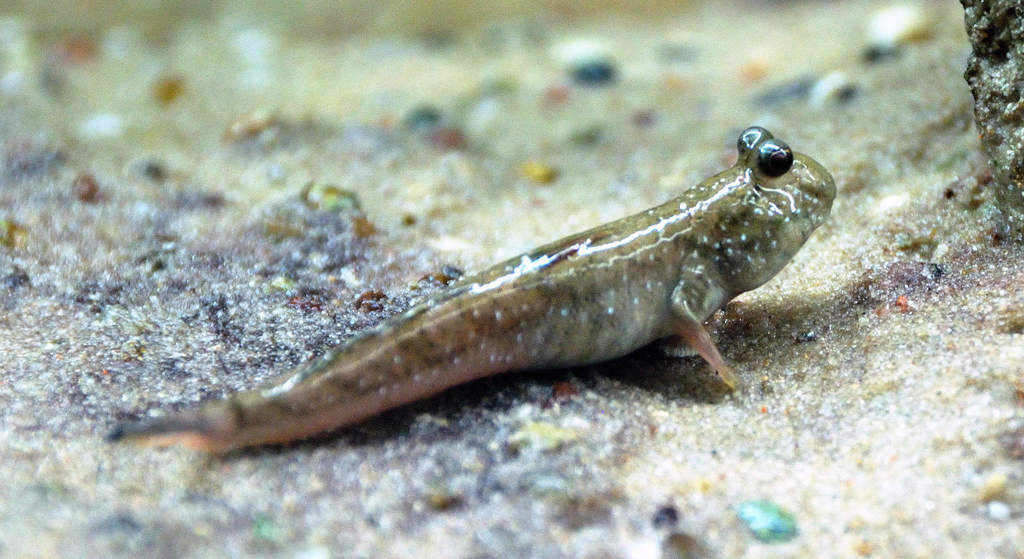
Pearse's Mudskipper
Periophthalmus novemradiatus
- Usual depth0–1 m
- Water temperature28–30 °C
- Best monthsJanuary
- How commonRare
Photo credit: (c) Michael K. Oliver, Ph.D., some rights reserved (CC BY-SA) · CC BY-SA · iNaturalist
About this species
Pearse's mudskipper or Indian dwarf mudskipper, is a species of mudskippers native to marine and brackish waters along the coasts of the Bay of Bengal. This species is amphibious, dwelling in intertidal areas. It can reach a length of 10 centimetres (3.9 in) SL.
Text from the Wikipedia article “Pearse's mudskipper”, licensed CC BY-SA 4.0. Read the article
Where and when
Where it has been recorded
Worldwide
Loading the map
Best months
Worldwide (open data)
- January: 18 records
- February: 1 records
- March: 4 records
- April: 7 records
- May: 4 records
- June: 0 records
- July: 1 records
- August: 0 records
- September: 2 records
- October: 2 records
- November: 3 records
- December: 3 records
Depth and water temperature
Depth
Mostly recorded at 0–1 m · Deepest record: 0.5 m
Water temperature
Recorded in surface water of 28–30 °C
Photos
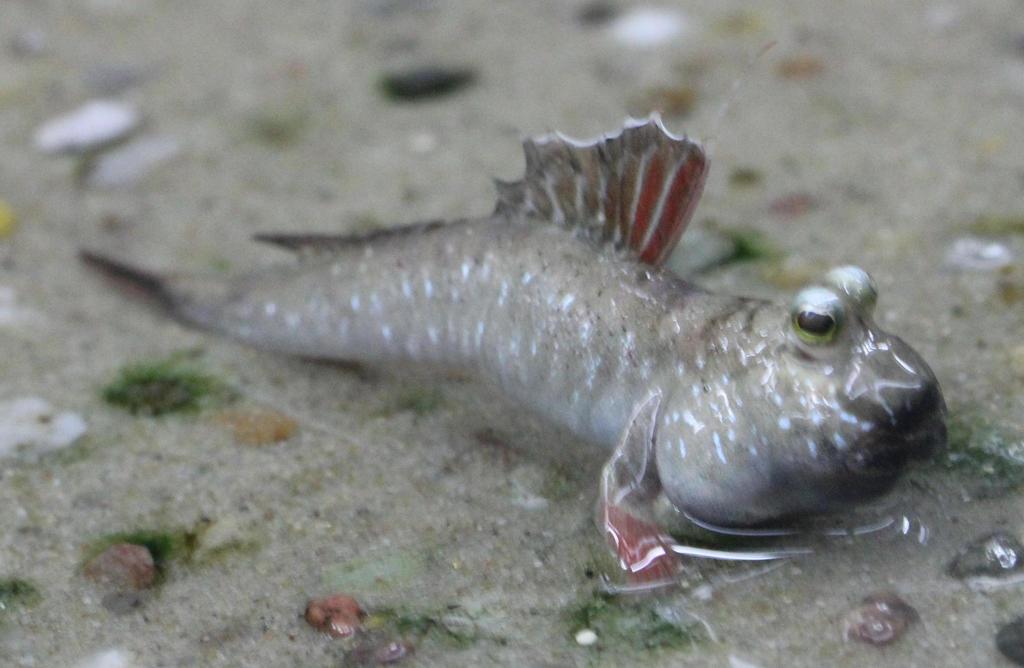
(c) Ruben Undheim, some rights reserved (CC BY-SA) · CC BY-SA · iNaturalist 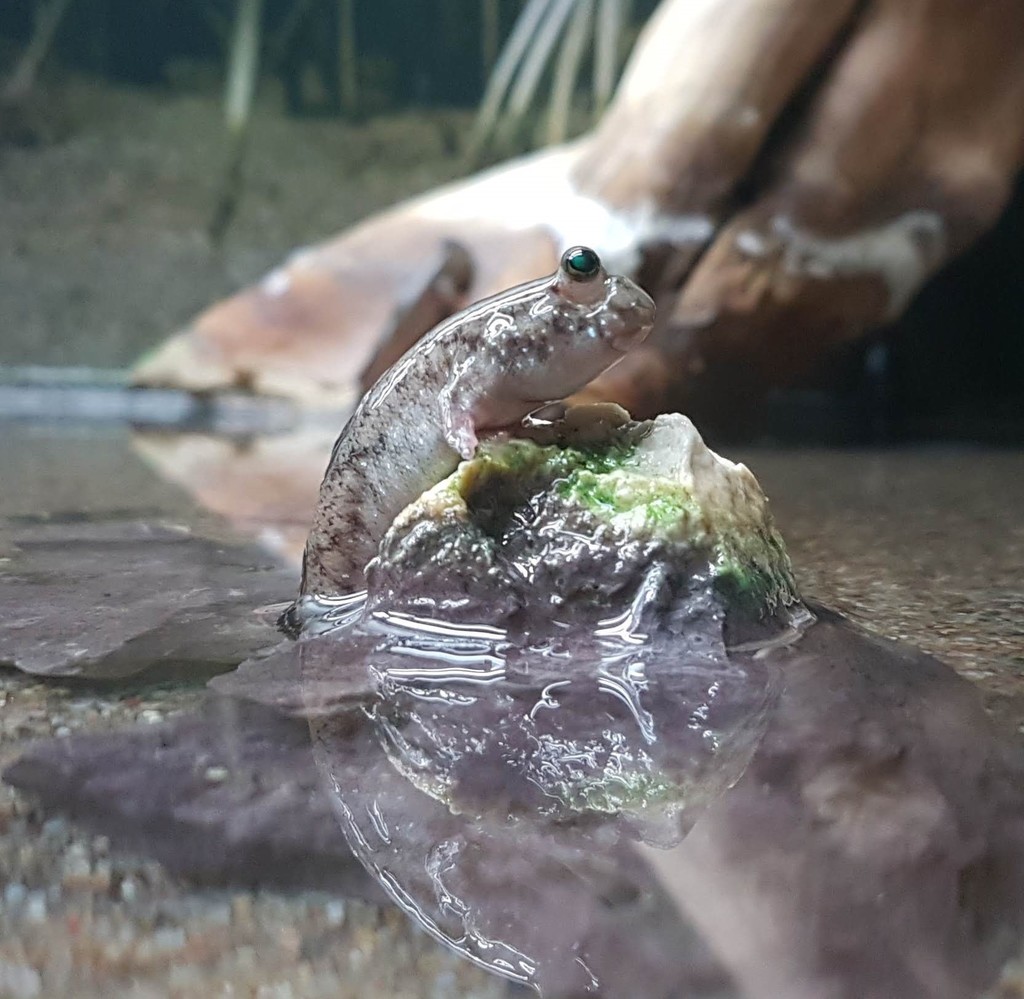
(c) JSutton93, some rights reserved (CC BY-SA) · CC BY-SA · iNaturalist
Names and classification
- English
- Pearse's Mudskipper
Names in 4 more languages
- German
- Indischer Zwergschlammspringer
- Spanish
- Saltarín del fango de Pearse
- Thai
- ปลาตีนเล็ก
- Simplified Chinese
- 九刺彈塗魚
Other scientific names: Gobius novemradiatus, Periophthalmus novermradiatus, Periophthalmus pearsei
Similar species
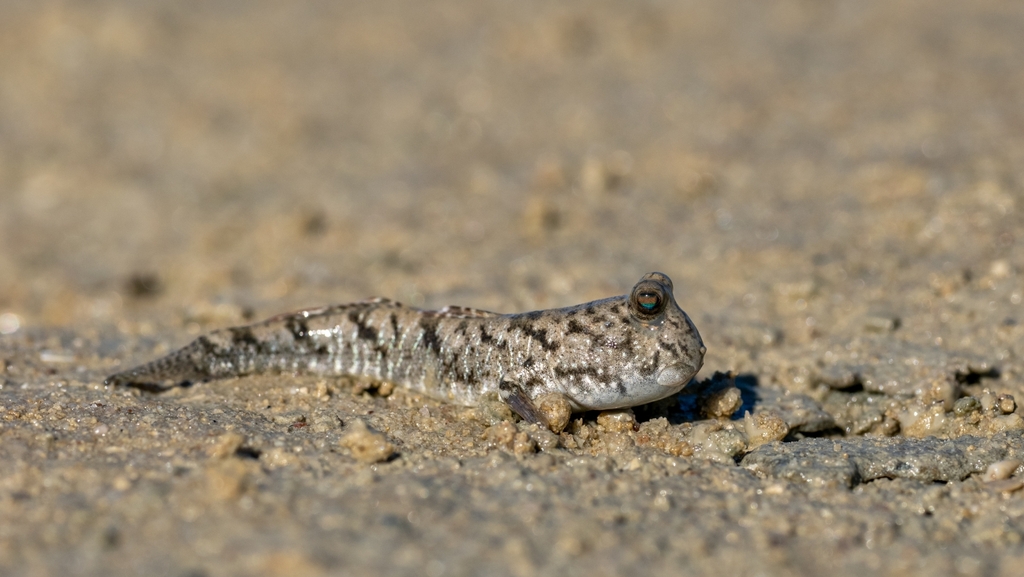 Barred mudskipper
Periophthalmus argentilineatus
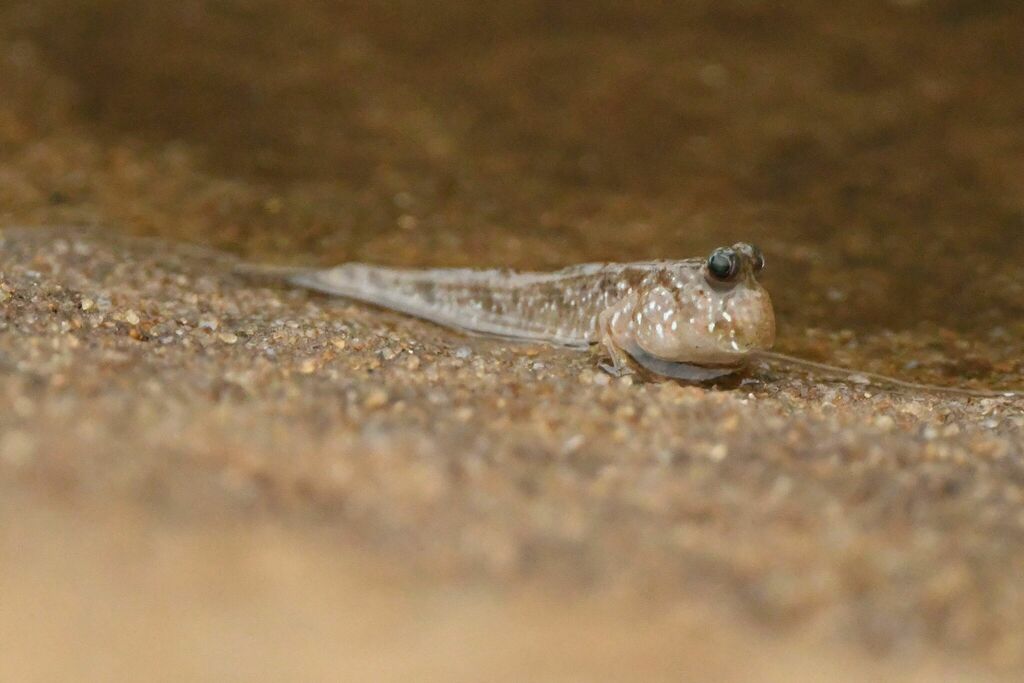 Atlantic Mudskipper
Periophthalmus barbarus
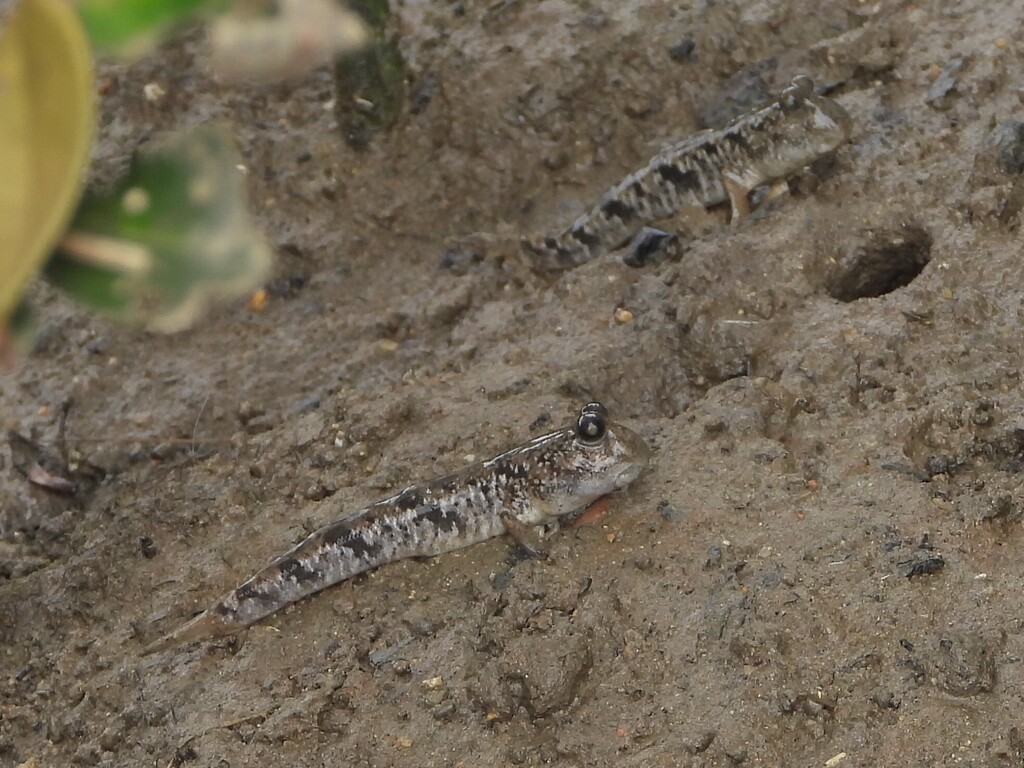 Dusky Mud Hopper
Periophthalmus modestus
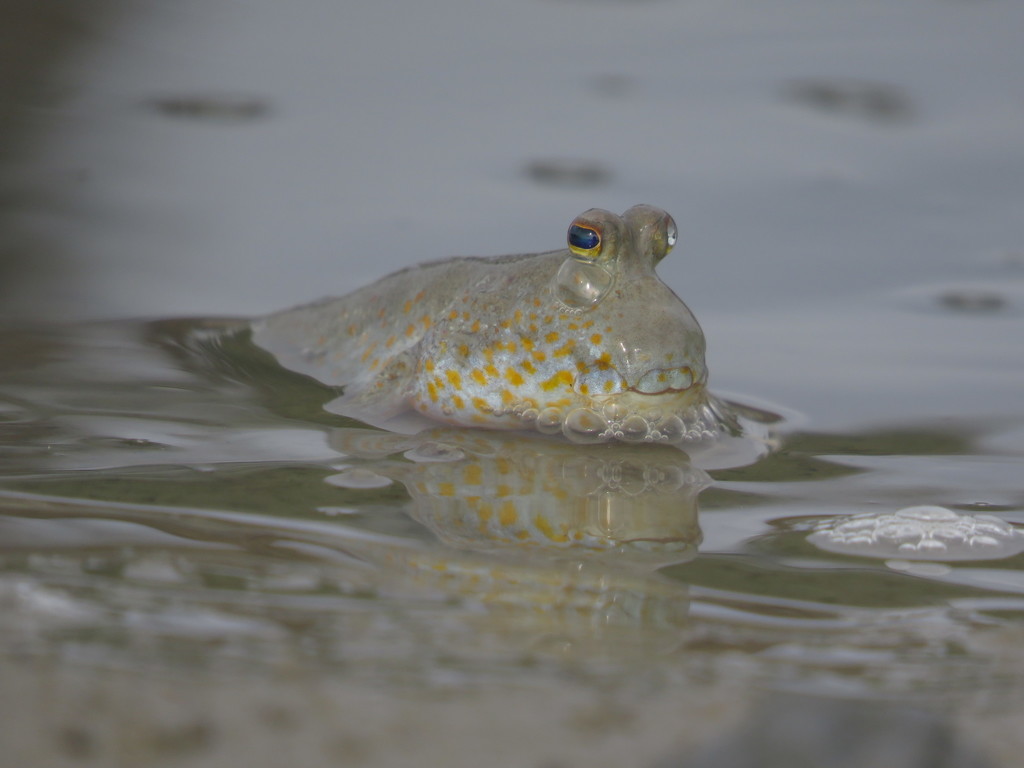 Gold-spotted Mudskipper
Periophthalmus chrysospilos
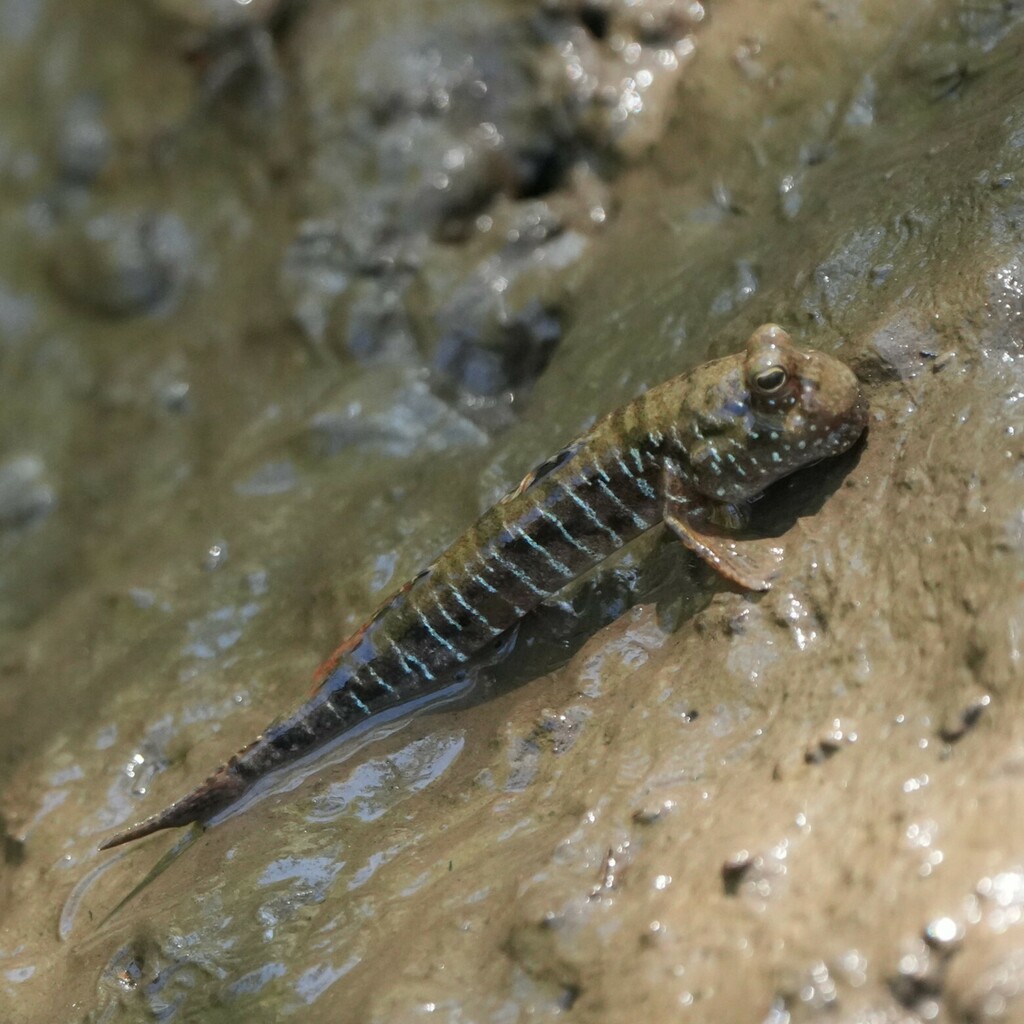 Graceful Mudskipper
Periophthalmus gracilis
 Common mudskipper
Periophthalmus kalolo
Sources and credits
Names and taxonomy: WoRMS (CC BY 4.0) and the GBIF Backbone (CC BY 4.0). Photos: iNaturalist observers, each under the licence shown (CC0, CC BY or CC BY-SA).
- Depth, temperature, months and maps: records from OBIS and GBIF under CC0 or CC BY.
- Descriptions: Wikipedia, licensed CC BY-SA, each linked to its article.
- Conservation status as published by GBIF (IUCN Red List).
- 43 open-data records from 1909 to 1996.
- Species data updated November 5, 2026.
Log what you see on your next dive
The free DiveHive diver app keeps your logbook with every sighting and shows what lives at the site you dive next.