
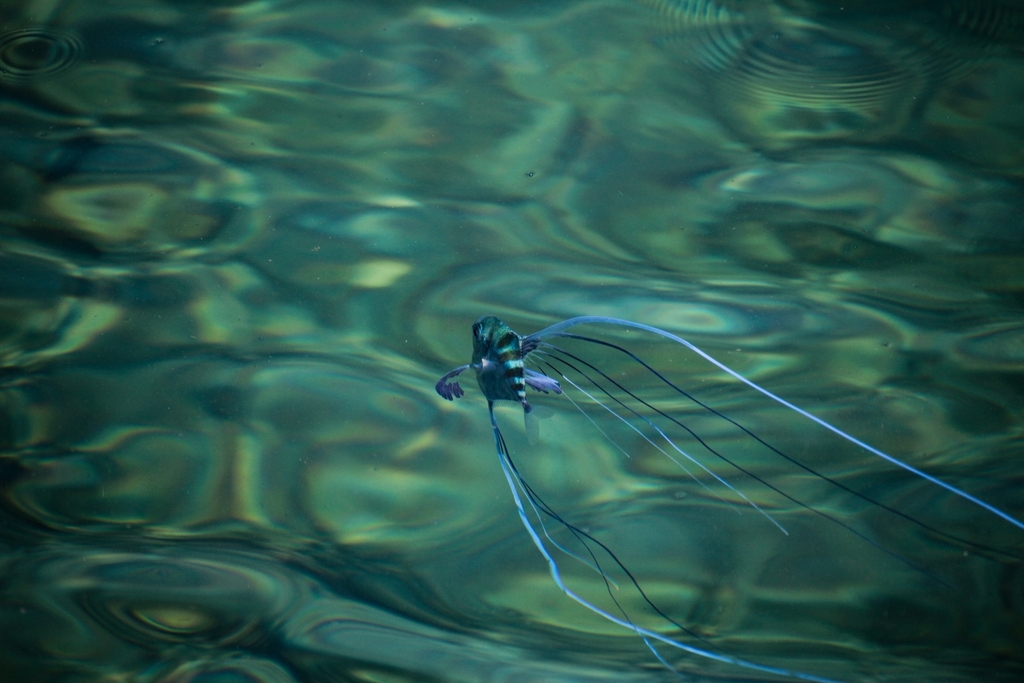
African pompano
Alectis ciliaris
- Usual depth5–62 m
- Water temperature14–30 °C
- Best monthsFebruary, June, and September
- How commonOccasional
Photo credit: (c) Antonio Vukusich y Alejandra Cabellos, some rights reserved (CC BY) · CC BY · iNaturalist
About this species
The African pompano, also known as the pennant-fish or threadfin trevally, is a widely distributed species of tropical marine fish in the jack family, Carangidae. The species is found in tropical waters worldwide, with adults often inhabiting coastlines, while juveniles are usually pelagic, floating with ocean currents. The adult African pompano is similar in appearance to the other members of the genus Alectis, with the concave shape of the head near the eyes; the clearest distinguishing feature. The juveniles are similar to other members of Alectis, having long, filamentous dorsal and anal fin tips which are thought to discourage predators. The species lives in depths less than 100 m, consuming a range of crustaceans and small fishes. The species is of minor economic importance, often taken amongst other tropical midwater fishes by hook and line, while juveniles are occasionally caught in beach seines. African pompano are also highly rated game fish, often considered one of the strongest of the jacks in larger sizes.
Text from the Wikipedia article “African pompano”, licensed CC BY-SA 4.0. Read the article
Where and when
Where it has been recorded
Worldwide
Loading the map
Best months
Worldwide (open data)
- January: 50 records
- February: 77 records
- March: 54 records
- April: 56 records
- May: 55 records
- June: 80 records
- July: 74 records
- August: 75 records
- September: 108 records
- October: 69 records
- November: 47 records
- December: 30 records
Depth and water temperature
Depth
Mostly recorded at 5–62 m · Deepest record: 966 m
Water temperature
Recorded in surface water of 14–30 °C
Photos
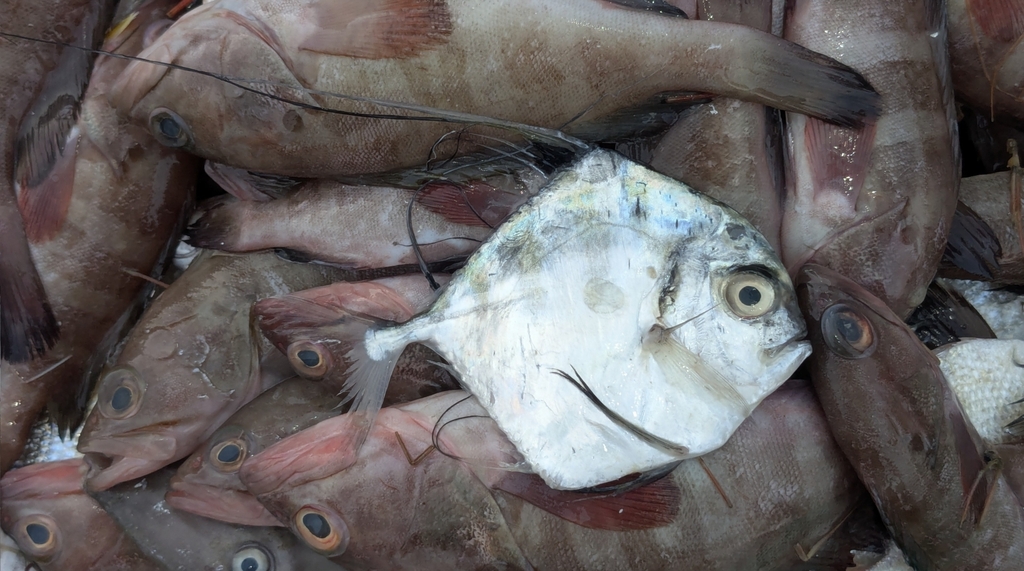
(c) Ashwit Shetty, some rights reserved (CC BY) · CC BY · iNaturalist 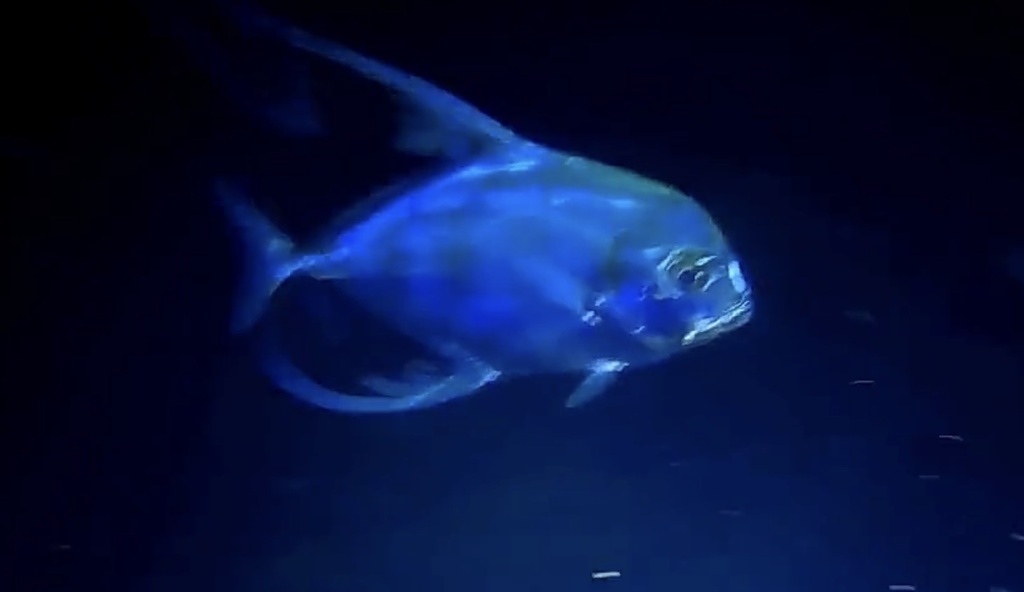
(c) TonyT, some rights reserved (CC BY) · CC BY · iNaturalist 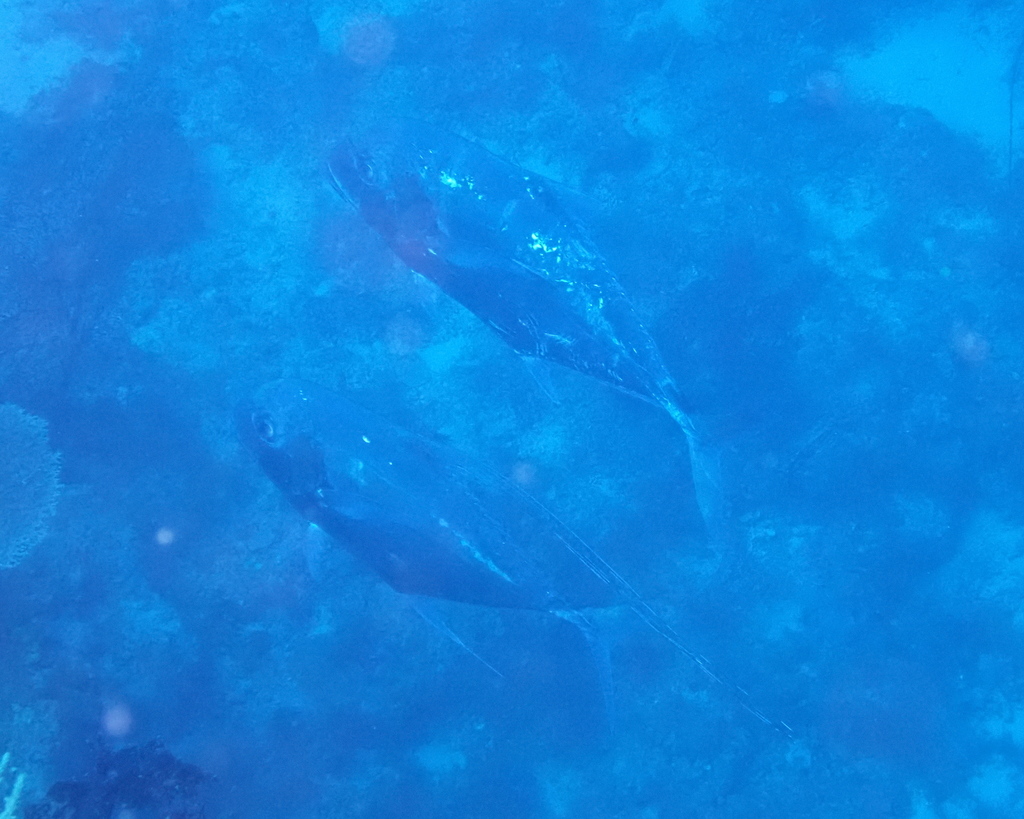
(c) Debra Baker, some rights reserved (CC BY) · CC BY · iNaturalist 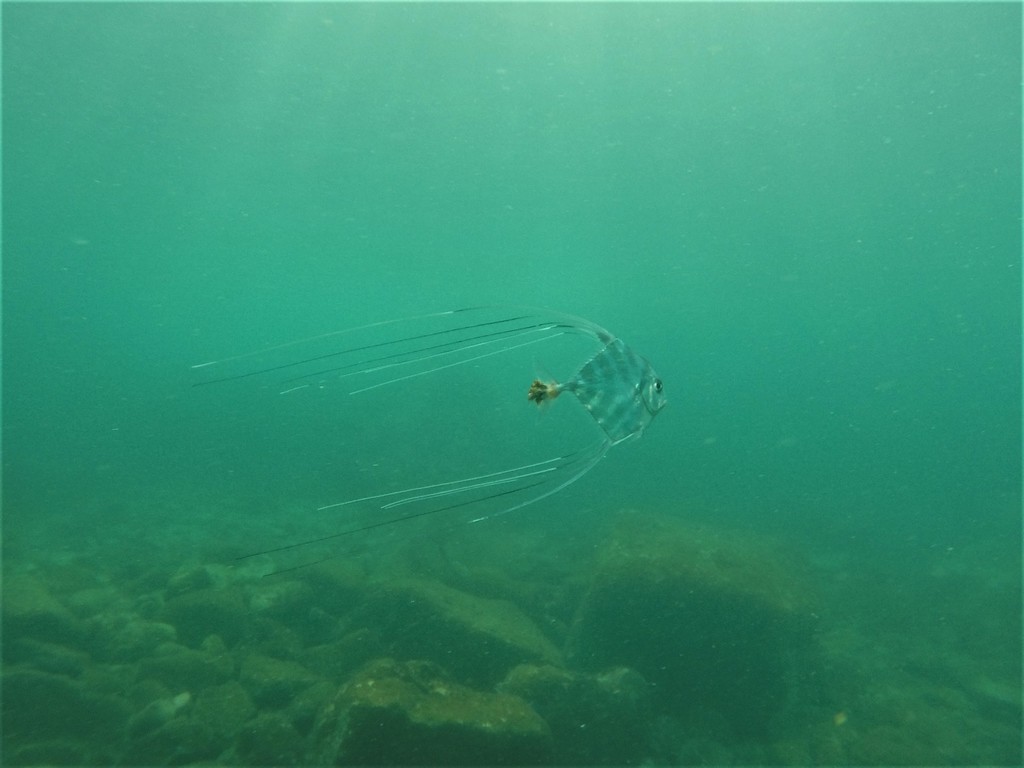
(c) Alberto Alcalá, some rights reserved (CC BY) · CC BY · iNaturalist 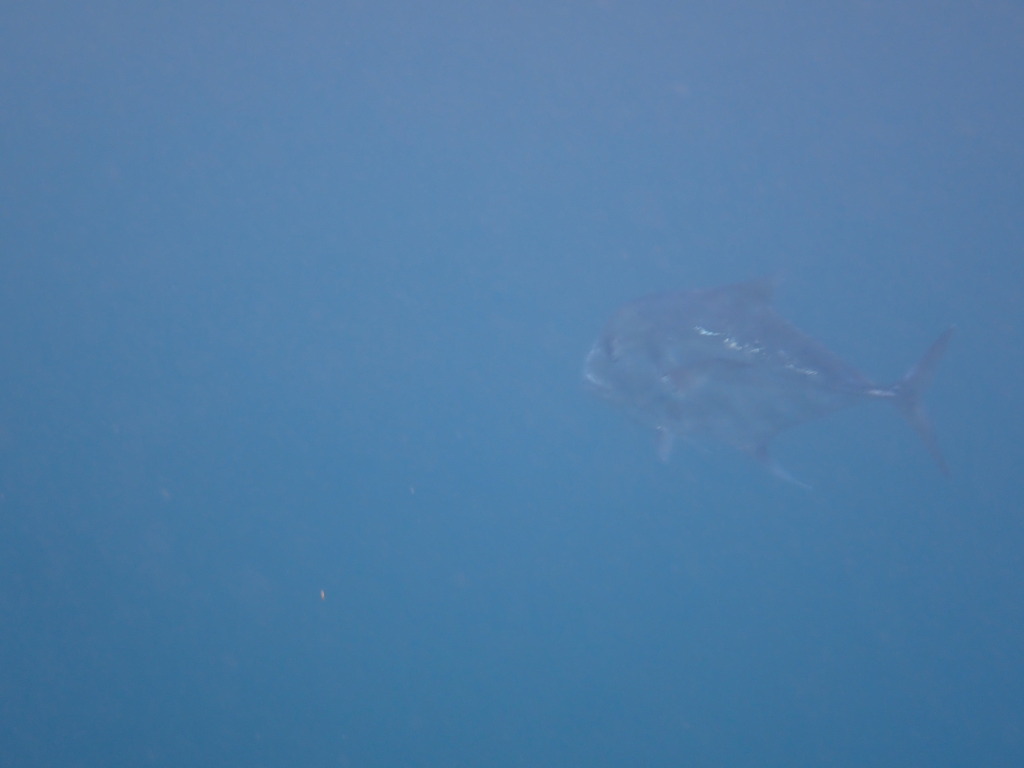
(c) keesgroenendijk, some rights reserved (CC BY) · CC BY · iNaturalist 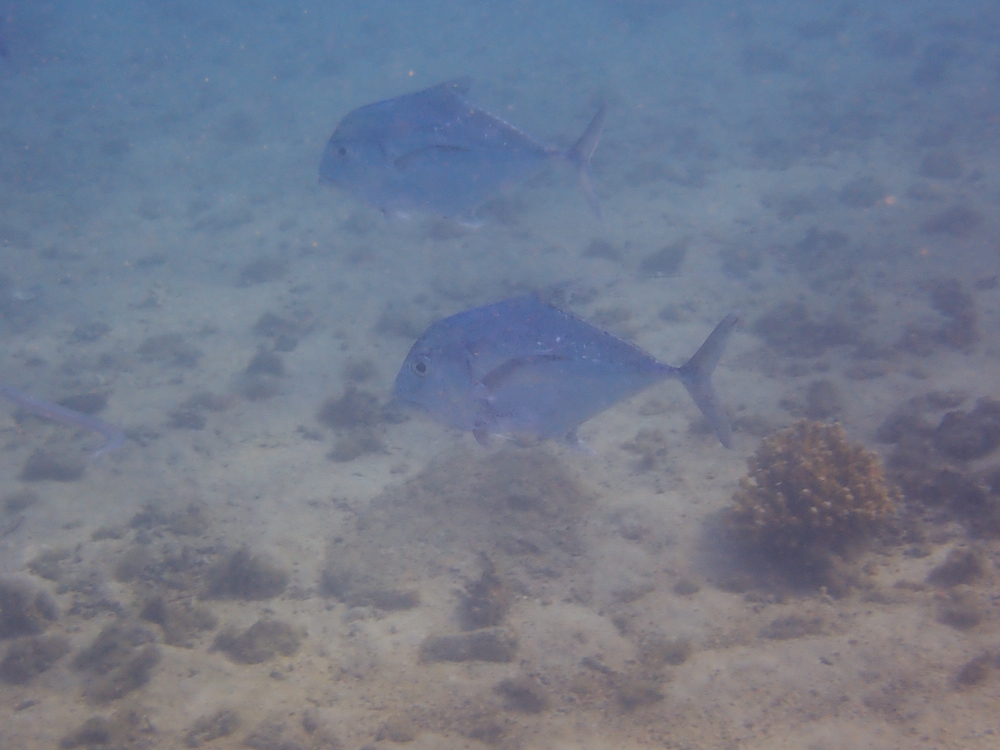
(c) keesgroenendijk, some rights reserved (CC BY) · CC BY · iNaturalist 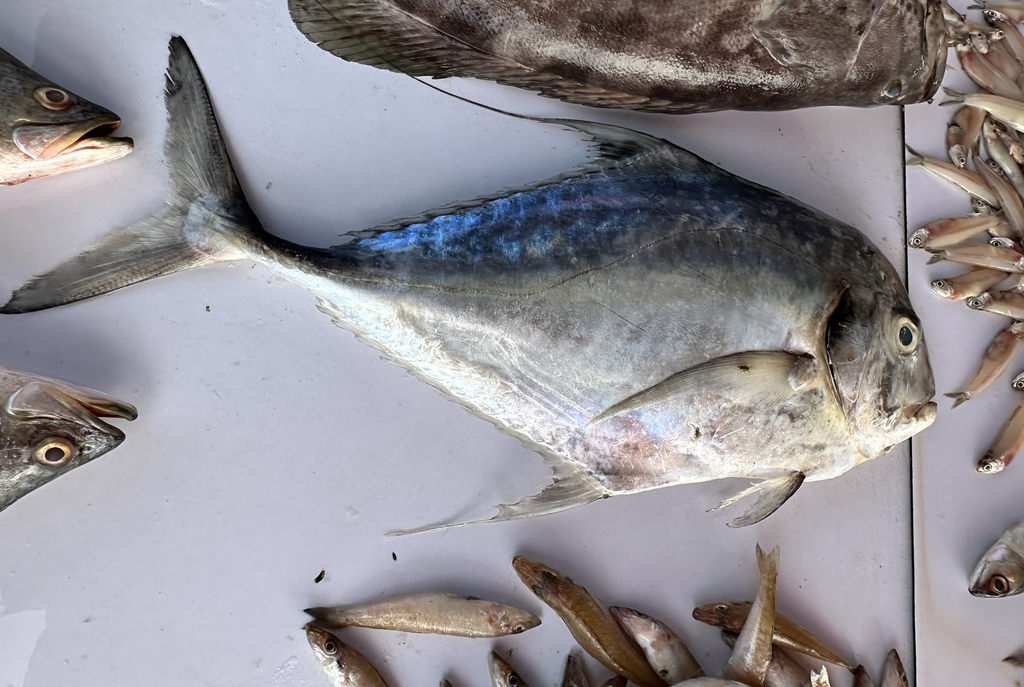
(c) Ashwin Srinivasan, some rights reserved (CC BY) · CC BY · iNaturalist
Names and classification
- English
- African pompano, African Pompano, Amberjack, Ciliated Thread-fish, Ciliated Threadfish, Cobblerfish, Cordonnier, Crevalle, Cuban Jack, Diamond Trevally, Fiddler, Hairfish, Indian Threadfin Trevally, Jack, Jacks, Pennantfish, Pennant Fish, Pennant Trevally, Pompano, Round-headed Pennantfish, Scad, Shoemaker, Sunfish, Threadfin, Threadfin Jack, Thread-fin Jackfish, Threadfin Mirrorfish, Thread-finned Trevally, Threadfinned Trevally, Threadfin Pompano, Threadfin Trevally, Threadfish, Thread Pompano, Trevalle, Trevally
Names in 3 more languages
- Spanish
- Caballa, Caballito, Chicuaca, Cojinoba, Corcoba de Plana, Corcobado de Pluma, Elechudo, flechudo, Jurel de Pluma, Paja blanco, Palometa, Pampanito, Pampano, Pampano Africano, Pámpano Africano, Pampano de Hebra, pámpano de hebra, Pampano de Pluma, Pampano Flechudo, Peje rey, Pompano, Sol, Zapatero
- French
- Aile ronde, Aile ronde, Cordonnier, Carangue, Carangue échevelée, Cordonnier, Cordonnier fil, Marguerite
- Japanese
- Itohikiaji, イトヒキアジ
Other scientific names: Alectes ciliaris, Alectis breviventralis, Alectis cilaris, Alectis cilliaris, Alectis crinitus, Alectis indica, Alectis temmincki, Blepharichthys crinitus, Blepharis ciliaris, Blepharis crinitus, Blepharis fasciatus, Blepharis indicus, Blepharis major, Blepharis sutor, Carangoides ajax, Caranx ajax, Gallus virescens, Hynnis cubensis, Hynnis hopkinsi, Scyris analis, Zeus ciliaris, Zeus crinitus, Zeus gallus
Similar species
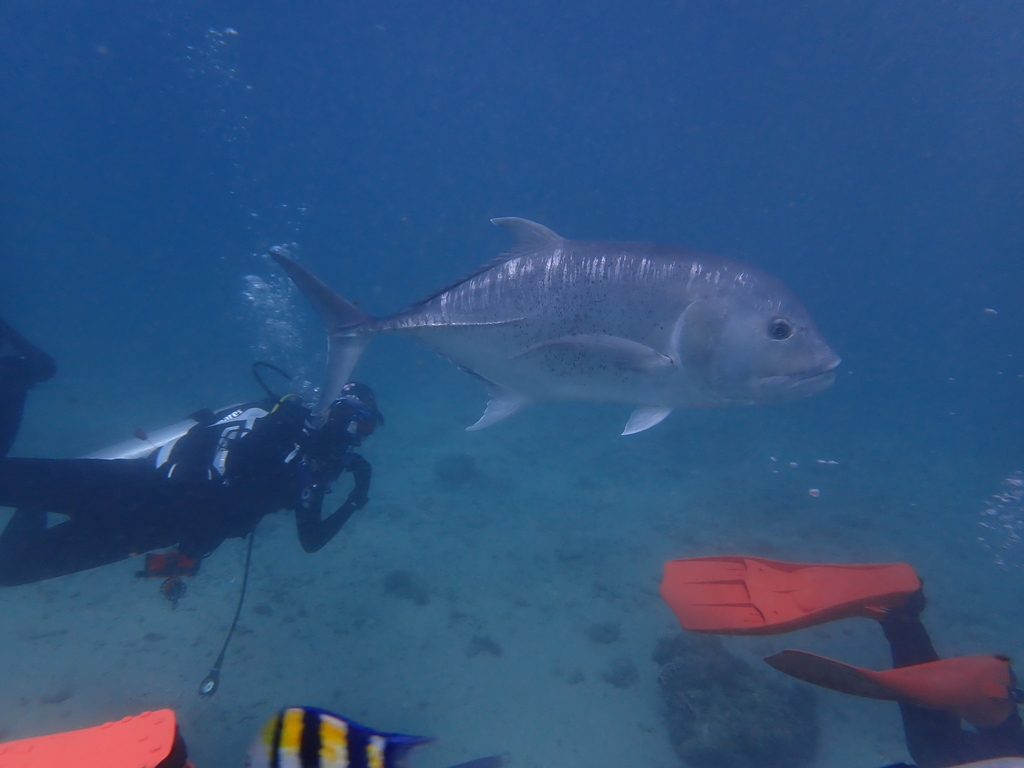 Giant trevally
Caranx ignobilis
 Bluefin trevally
Caranx melampygus
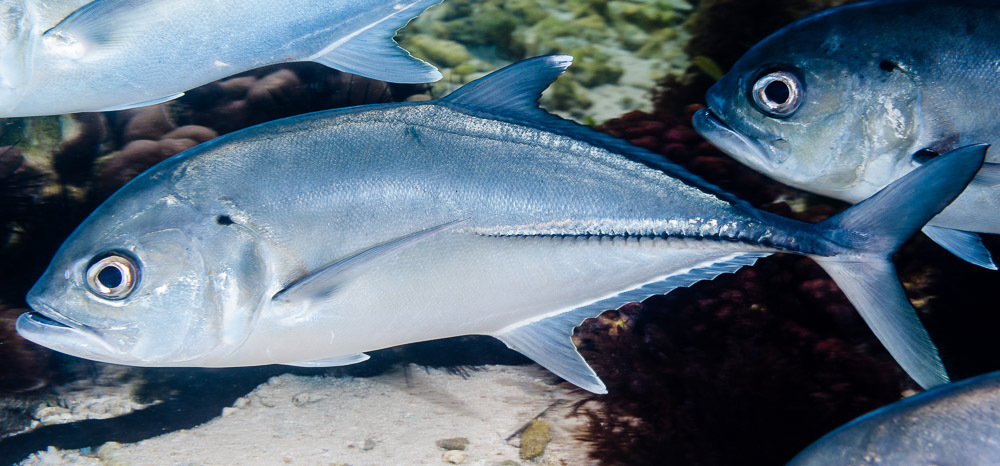 Bigeye trevally
Caranx sexfasciatus
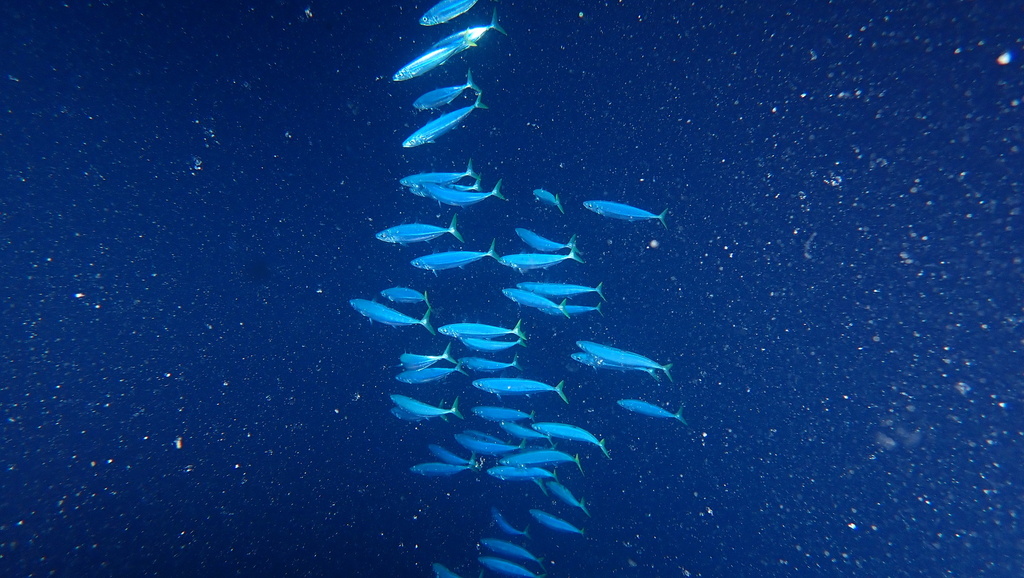 Mackerel scad
Decapterus macarellus
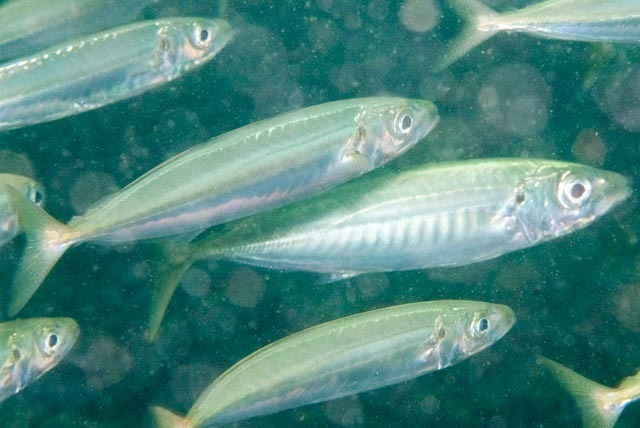 Indian scad
Decapterus russelli
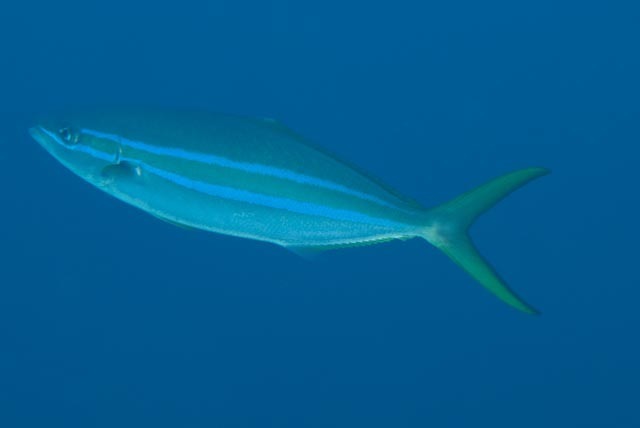 Rainbow runner
Elagatis bipinnulata
Sources and credits
Names and taxonomy: WoRMS (CC BY 4.0) and the GBIF Backbone (CC BY 4.0). Photos: iNaturalist observers, each under the licence shown (CC0, CC BY or CC BY-SA).
- Depth, temperature, months and maps: records from OBIS and GBIF under CC0 or CC BY.
- Descriptions: Wikipedia, licensed CC BY-SA, each linked to its article.
- Conservation status as published by GBIF (IUCN Red List).
- 1,148 open-data records from 1787 to 2024.
- Species data updated October 26, 2026.
Log what you see on your next dive
The free DiveHive diver app keeps your logbook with every sighting and shows what lives at the site you dive next.