
Yellowtail Blenny
Cirripectes heemstraorum
- Usual depth18–20 m
- Water temperature25°C
- Best monthsJune and November
- How commonRare
About this species
Cirripectes heemstraorum, the yellowtail blenny, is a species of combtooth blenny from the family Blenniidae. It is found in the Indian Ocean where it is known from three South African specimens and an Indonesian specimen. It is distinguished from its congeners by the nape having an extensive black flap on both sides of its neck; 10-13 cirri which are found between the neck flaps; an entire dorsal fin; 5-6 cirri above the eye, 6-8 cirri on the nose; the males have small dark spots on their body towards the tail which merge to form short black stripes on caudal peduncle, in life the females have a brilliant yellow caudal fin while in the males only the outer half of the tail is bright yellow.
Text from the Wikipedia article “Cirripectes heemstraorum”, licensed CC BY-SA 4.0. Read the article
Where and when
Where it has been recorded
Worldwide
Loading the map
Best months
Worldwide (open data)
- January: 0 records
- February: 1 records
- March: 0 records
- April: 0 records
- May: 0 records
- June: 2 records
- July: 0 records
- August: 0 records
- September: 0 records
- October: 0 records
- November: 2 records
- December: 0 records
Depth and water temperature
Depth
Mostly recorded at 18–20 m · Deepest record: 20 m
Water temperature
Recorded in surface water of 25°C
Names and classification
- English
- Yellowtail Blenny
Similar species
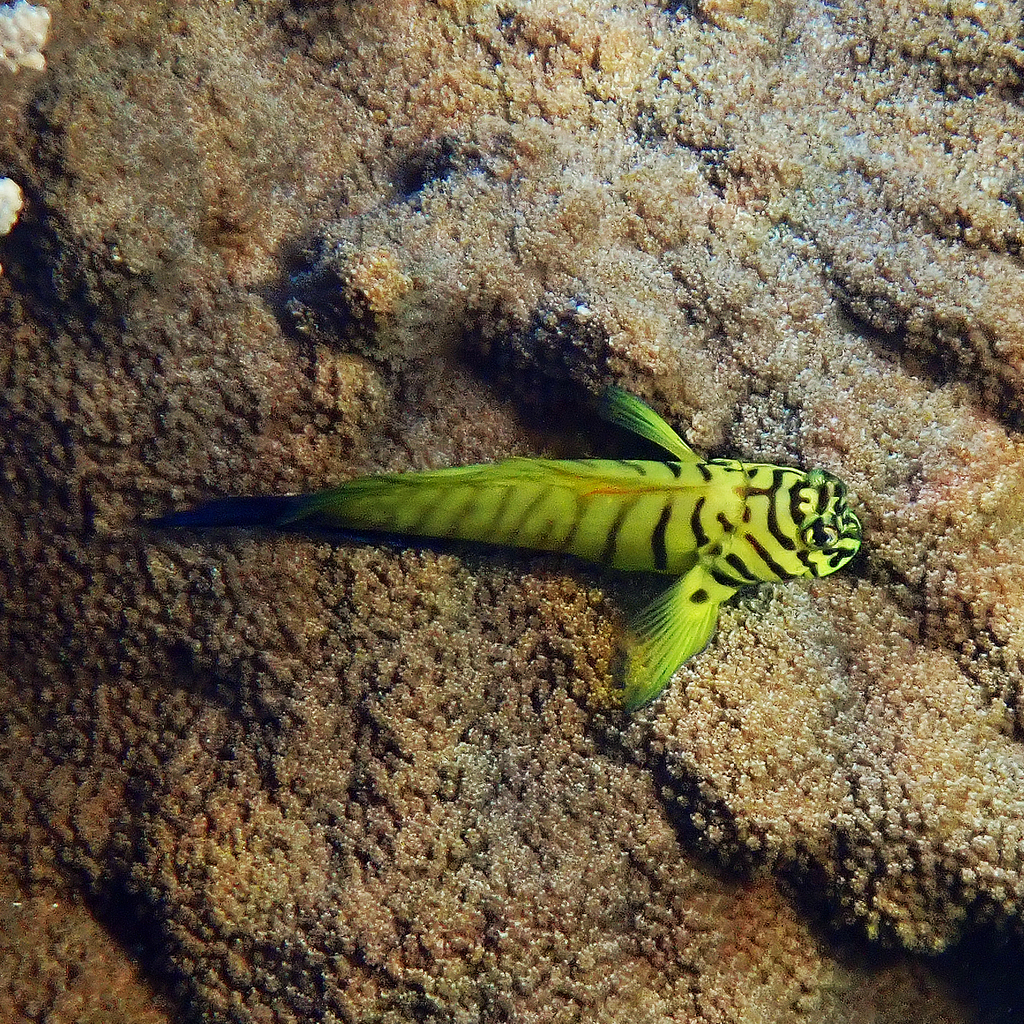 Chestnut blenny
Cirripectes castaneus
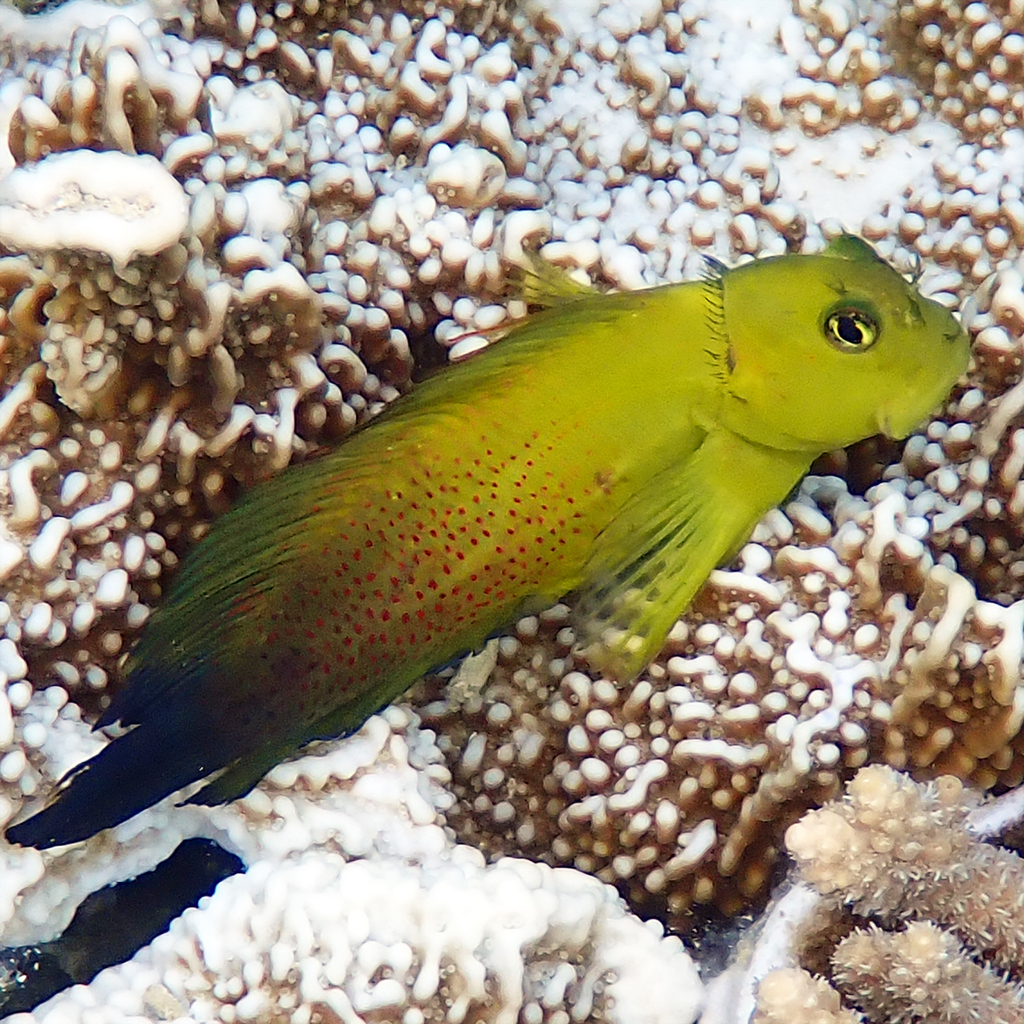 Lady Musgrave Blenny
Cirripectes chelomatus
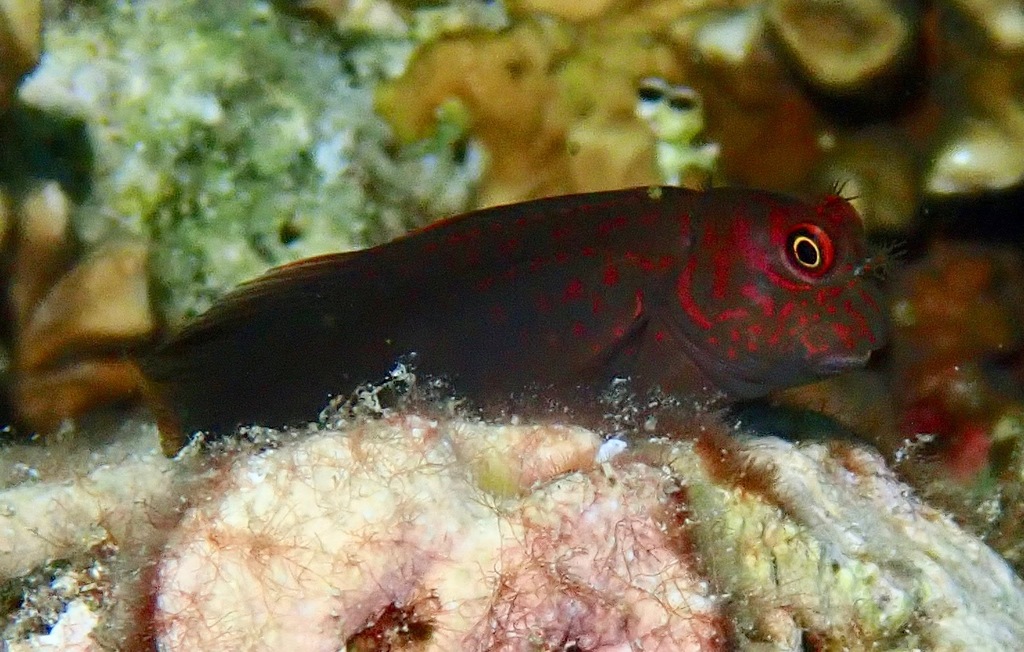 Filamentous blenny
Cirripectes filamentosus
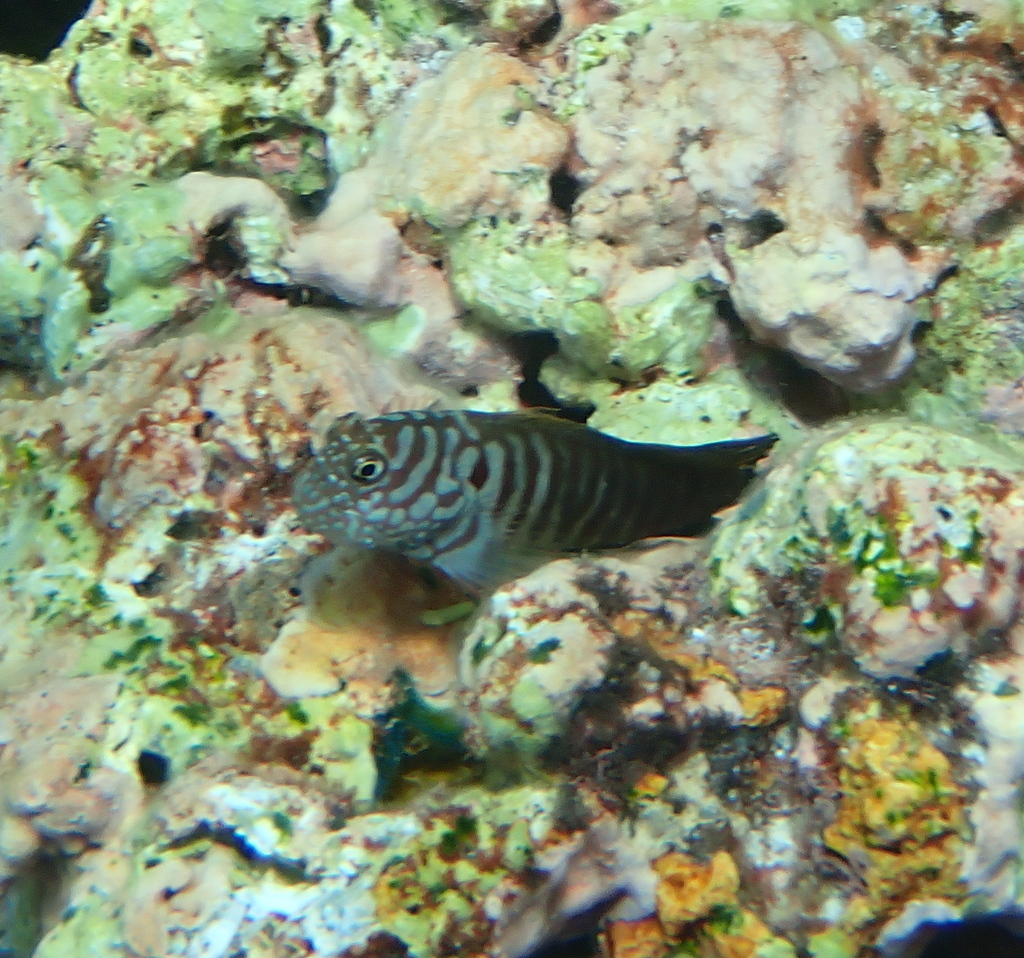 Barred blenny
Cirripectes polyzona
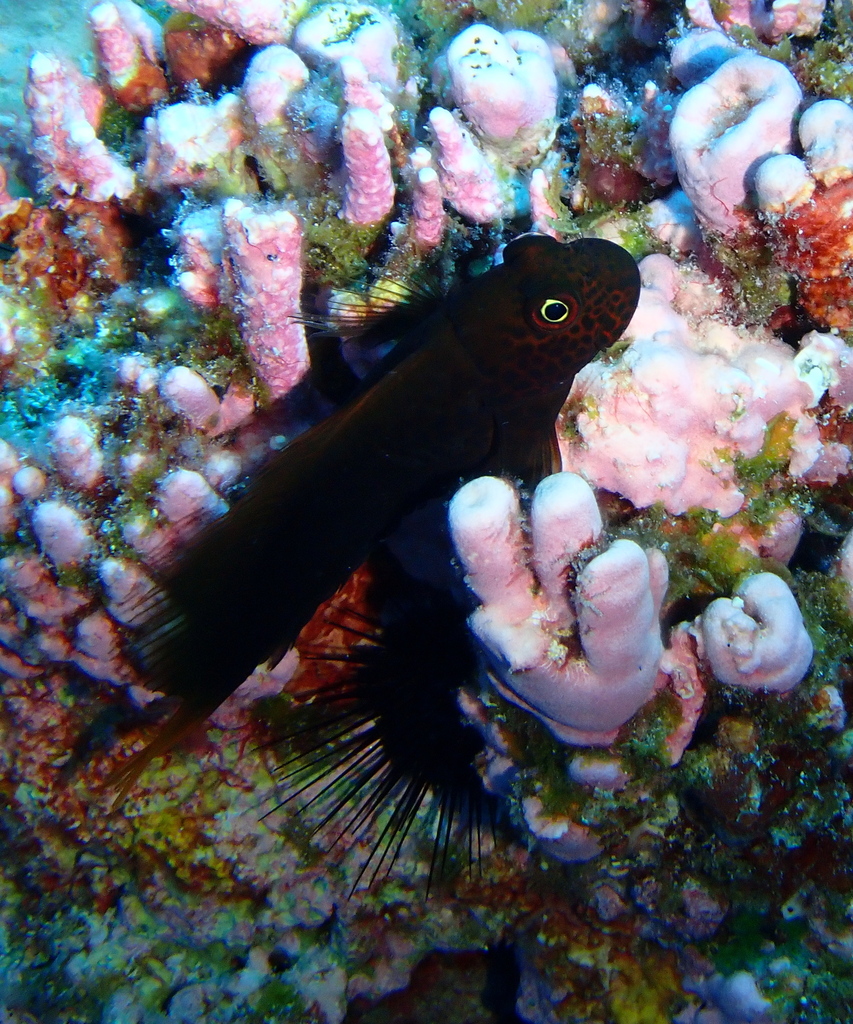 Red-streaked blenny
Cirripectes stigmaticus
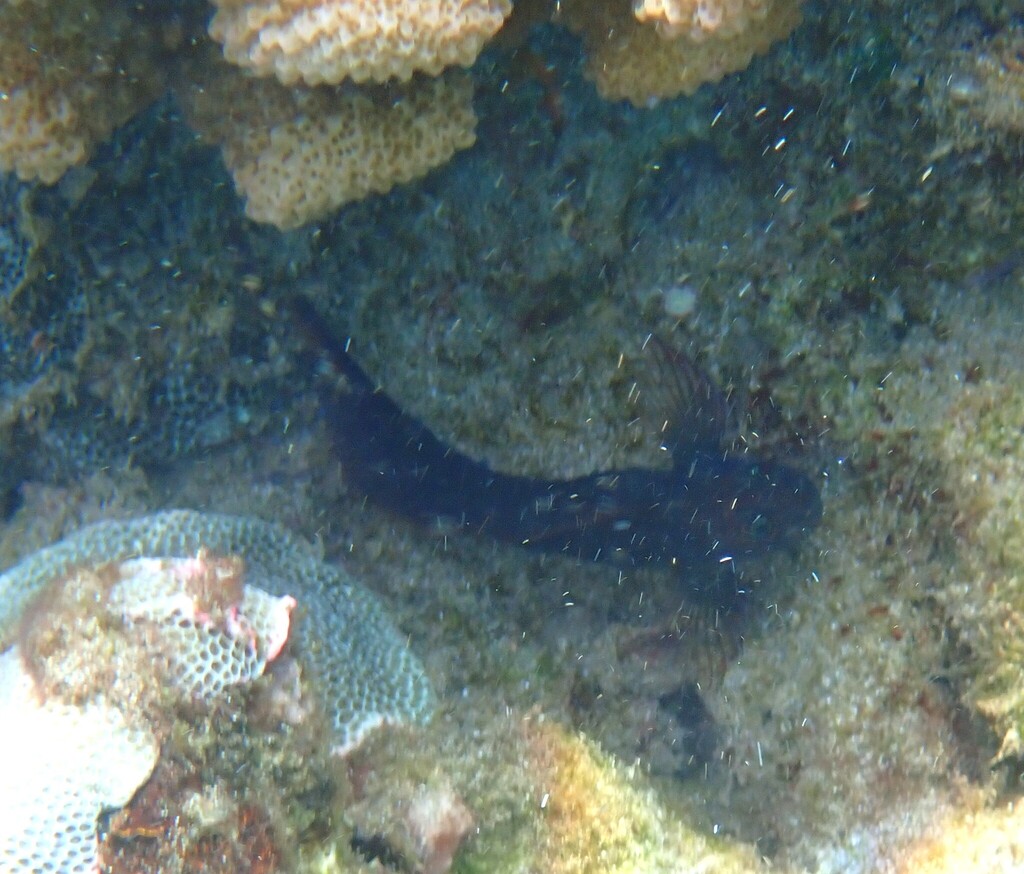 Red-head Blenny
Cirripectes vanderbilti
Sources and credits
Names and taxonomy: WoRMS (CC BY 4.0) and the GBIF Backbone (CC BY 4.0). Photos: iNaturalist observers, each under the licence shown (CC0, CC BY or CC BY-SA).
- Depth, temperature, months and maps: records from OBIS and GBIF under CC0 or CC BY.
- Descriptions: Wikipedia, licensed CC BY-SA, each linked to its article.
- Conservation status as published by GBIF (IUCN Red List).
- 8 open-data records from 2009 to 2010.
- Species data updated November 1, 2026.
Log what you see on your next dive
The free DiveHive diver app keeps your logbook with every sighting and shows what lives at the site you dive next.