
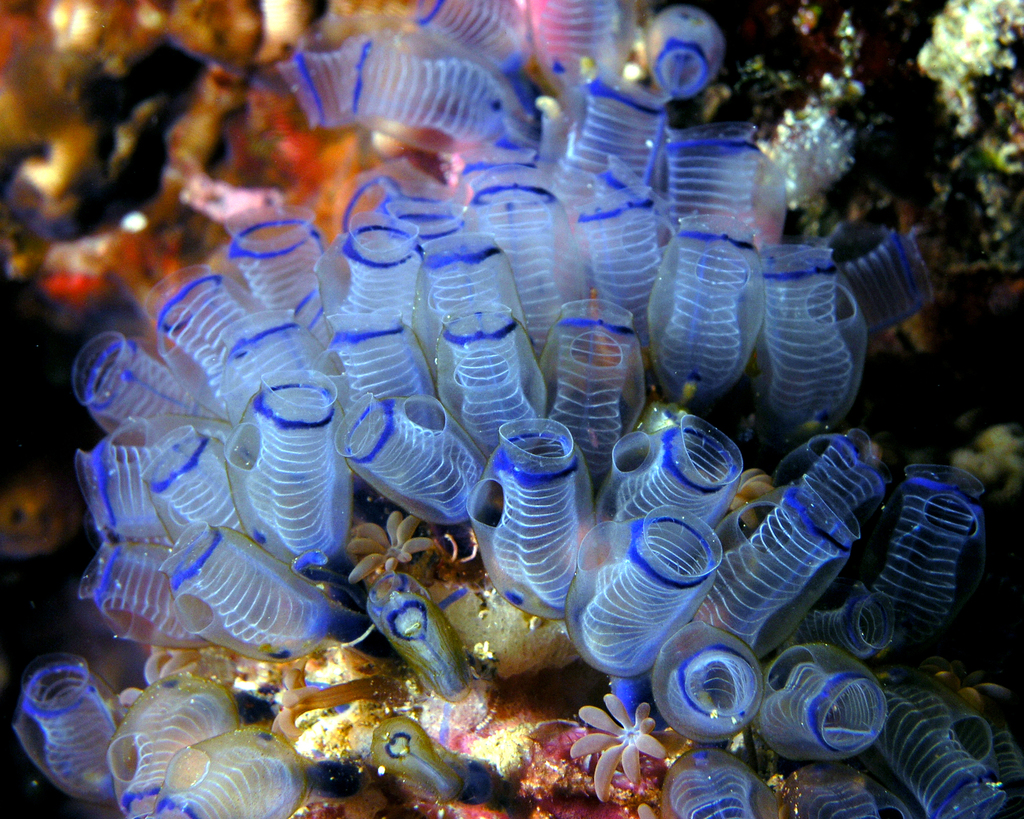
DiscoverSpeciesOther invertebrates
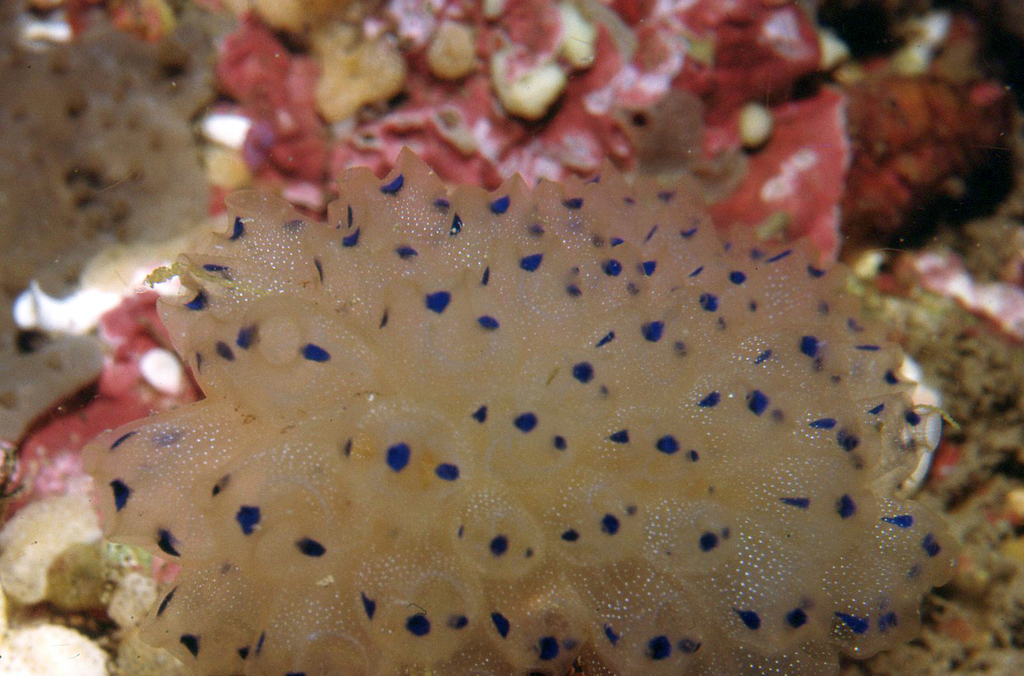
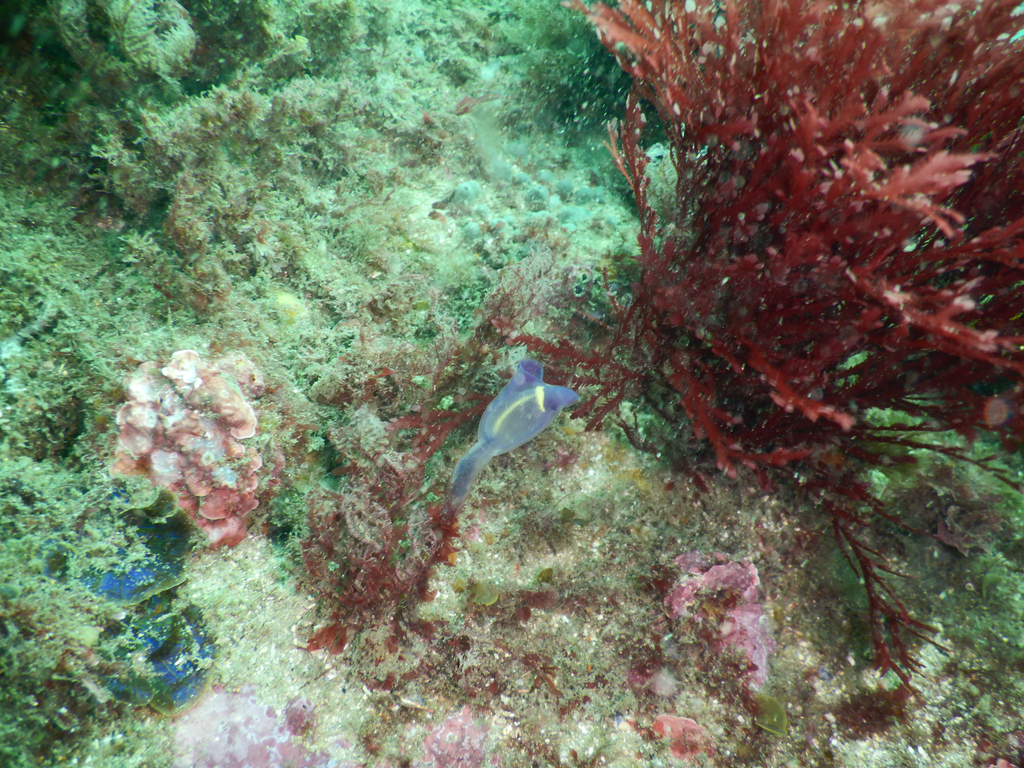
Clavelina coerulea
- Water temperature20°C
- Best monthsApril and June
- How commonRare
Photo credit: (c) Nhobgood, some rights reserved (CC BY-SA) · CC BY-SA · iNaturalist
About this species
Clavelina coerulea, the blue ringed sea squirt, is a species of tunicates belonging to the family Clavelinidae. The species name refers to the vivid blue body coloration. Members of the class Ascidiacea including this species are hermaphroditic; both cross- and self-fertilization is typical. The eggs of this tunicate develop into lecithotrophic larva before metamorphosing into sessile benthic adults. When disturbed, these tunicates may draw up their apertures, much like a drawstring around the rim of a bag. They are filter feeders, drawing plankton in through their incurrent aperture in a continuous stream of water, using tiny hair-like cilia, and expelling waste through the excurrent aperture.
Text from the Wikipedia article “Clavelina coerulea”, licensed CC BY-SA 4.0. Read the article
Where and when
Where it has been recorded
Worldwide
Loading the map
Best months
Worldwide (open data)
- January: 0 records
- February: 1 records
- March: 1 records
- April: 6 records
- May: 3 records
- June: 5 records
- July: 2 records
- August: 0 records
- September: 2 records
- October: 0 records
- November: 2 records
- December: 0 records
Depth and water temperature
Water temperature
Recorded in surface water of 20°C
Names and classification
Names in 1 more languages
- Japanese
- コバルトツツボヤ
Similar species
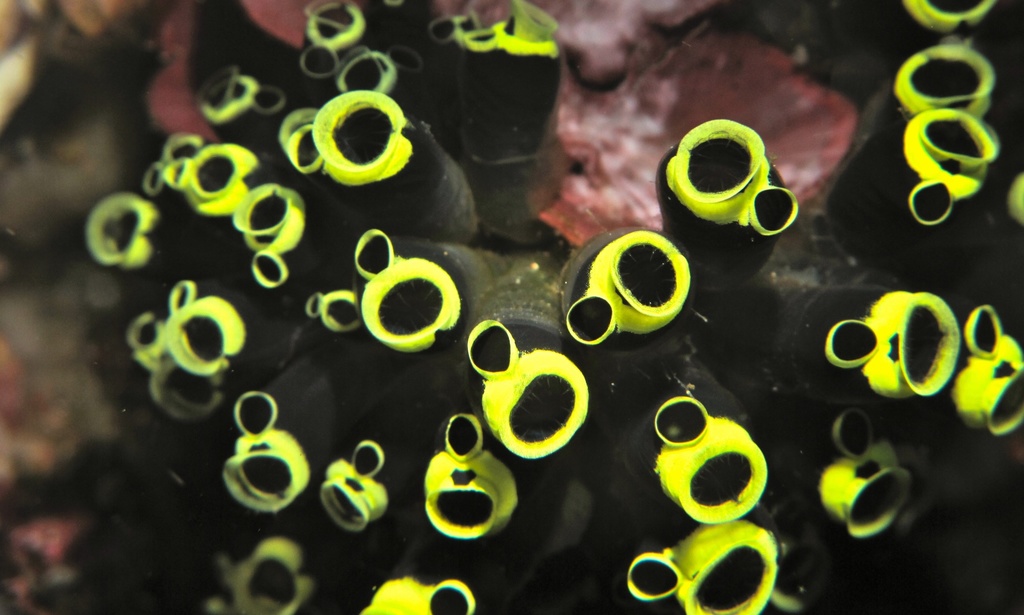
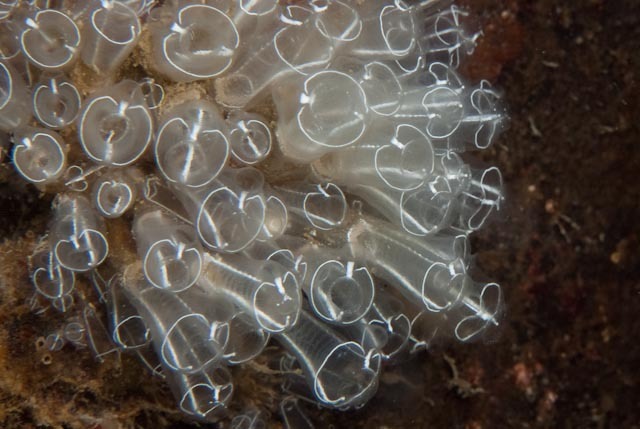 Light bulb sesquirt
Clavelina lepadiformis
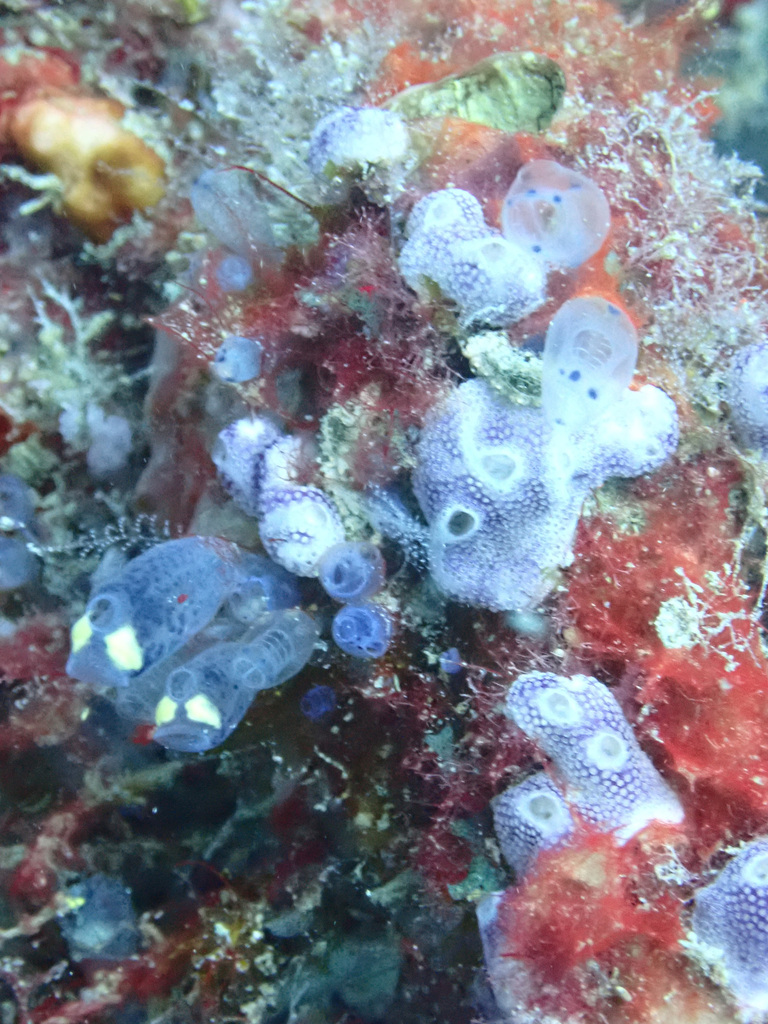
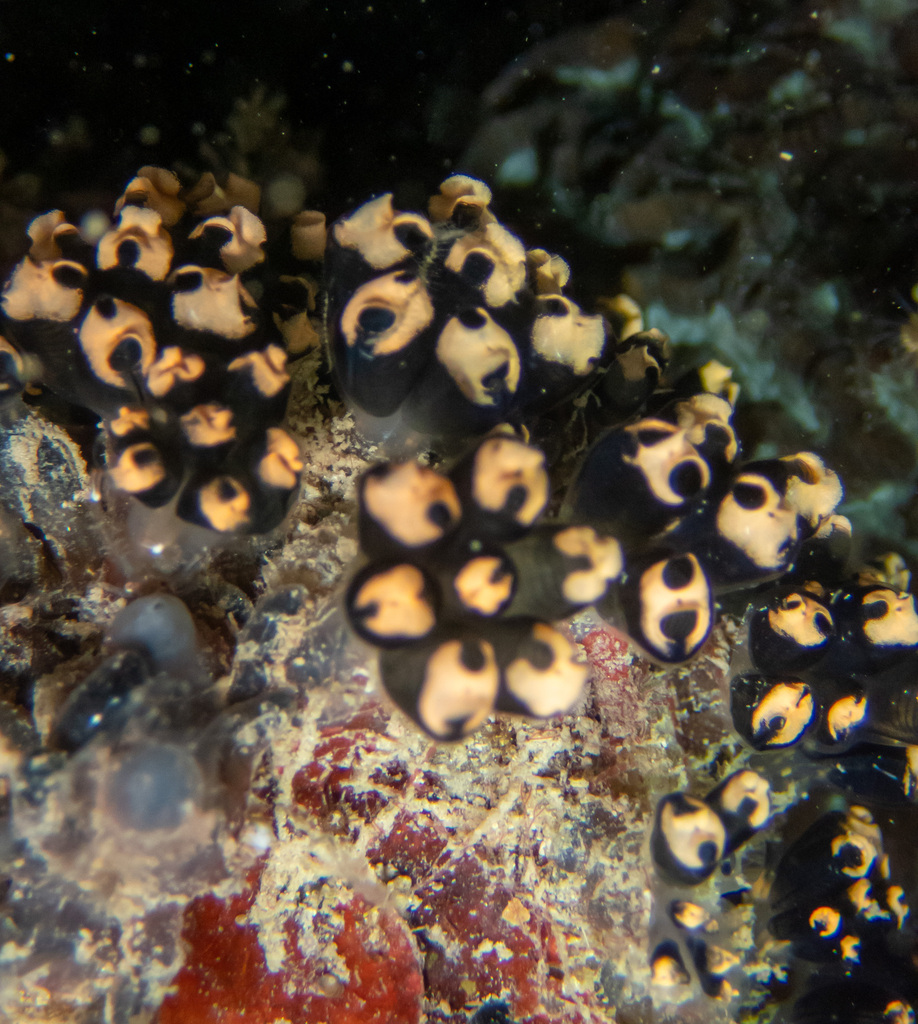
 Social Tunicate
Clavelina robusta
Sources and credits
Names and taxonomy: WoRMS (CC BY 4.0) and the GBIF Backbone (CC BY 4.0). Photos: iNaturalist observers, each under the licence shown (CC0, CC BY or CC BY-SA).
- Depth, temperature, months and maps: records from OBIS and GBIF under CC0 or CC BY.
- Descriptions: Wikipedia, licensed CC BY-SA, each linked to its article.
- Conservation status as published by GBIF (IUCN Red List).
- 10 open-data records from 2007 to 2020.
- Species data updated November 1, 2026.
Log what you see on your next dive
The free DiveHive diver app keeps your logbook with every sighting and shows what lives at the site you dive next.