
DiscoverSpeciesOther invertebrates
Light bulb sesquirt
Clavelina lepadiformis
- Usual depth5–24 m
- Water temperature10–20 °C
- Best monthsJune, July, and August
- How commonCommon
Photo credit: (c) Georgina Jones, some rights reserved (CC BY-SA) · CC BY-SA · iNaturalist
About this species
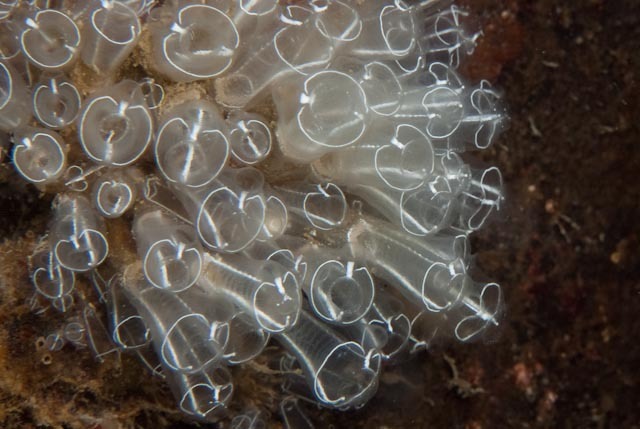
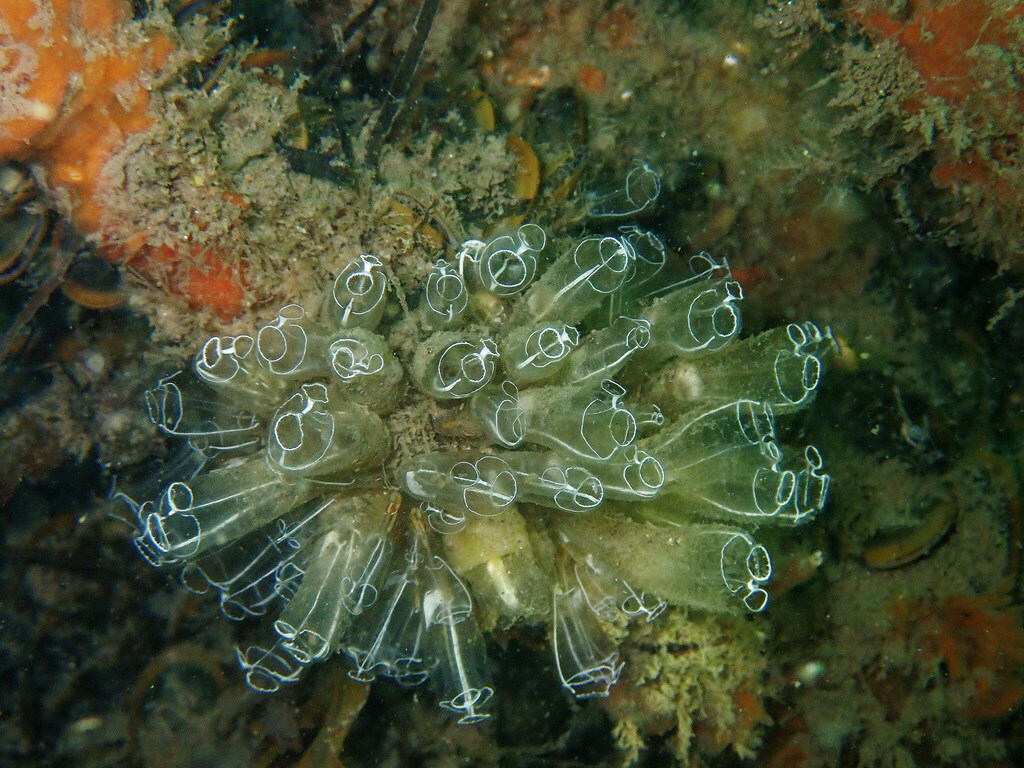
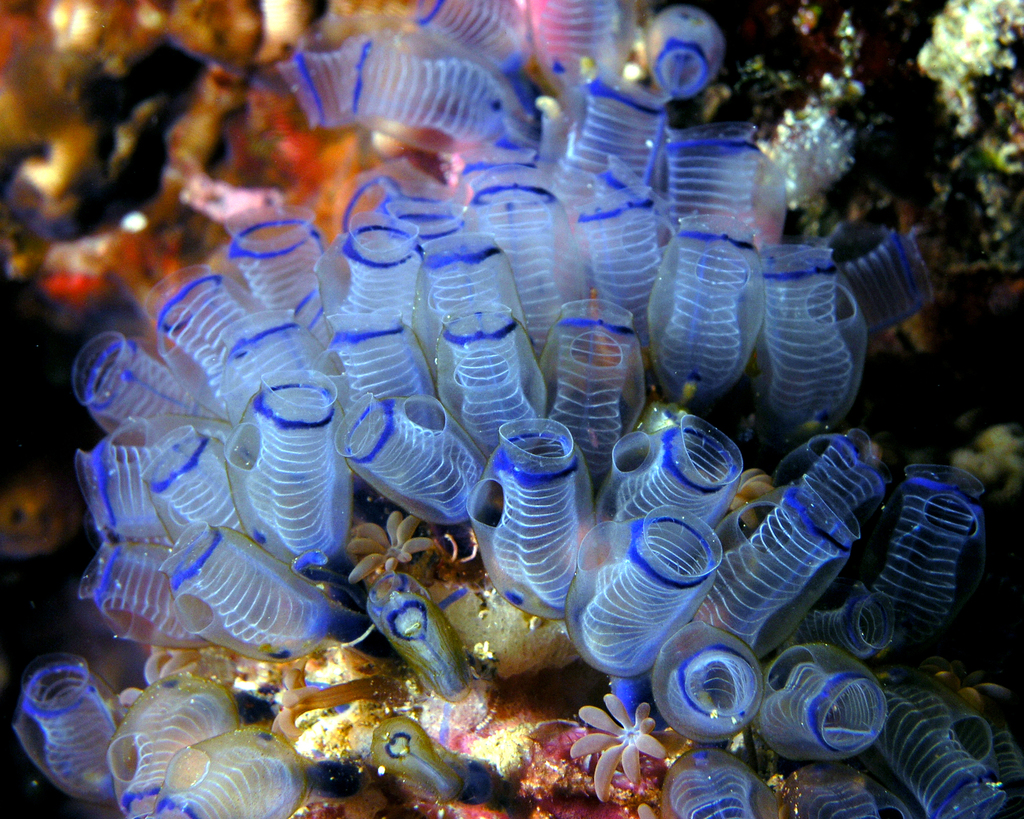
Clavelina lepadiformis, common name the light-bulb sea squirt, is a colonial sea squirt native to the NE Atlantic Ocean.
Text from the Wikipedia article “Clavelina lepadiformis”, licensed CC BY-SA 4.0. Read the article
Where and when
Where it has been recorded
Worldwide
Loading the map
Best months
Worldwide (open data)
- January: 415 records
- February: 234 records
- March: 368 records
- April: 695 records
- May: 1,924 records
- June: 3,312 records
- July: 3,520 records
- August: 2,563 records
- September: 935 records
- October: 330 records
- November: 406 records
- December: 218 records
Depth and water temperature
Depth
Mostly recorded at 5–24 m · Deepest record: 79 m
Water temperature
Recorded in surface water of 10–20 °C
Photos
(c) Donald Davesne, some rights reserved (CC BY) · CC BY · iNaturalist 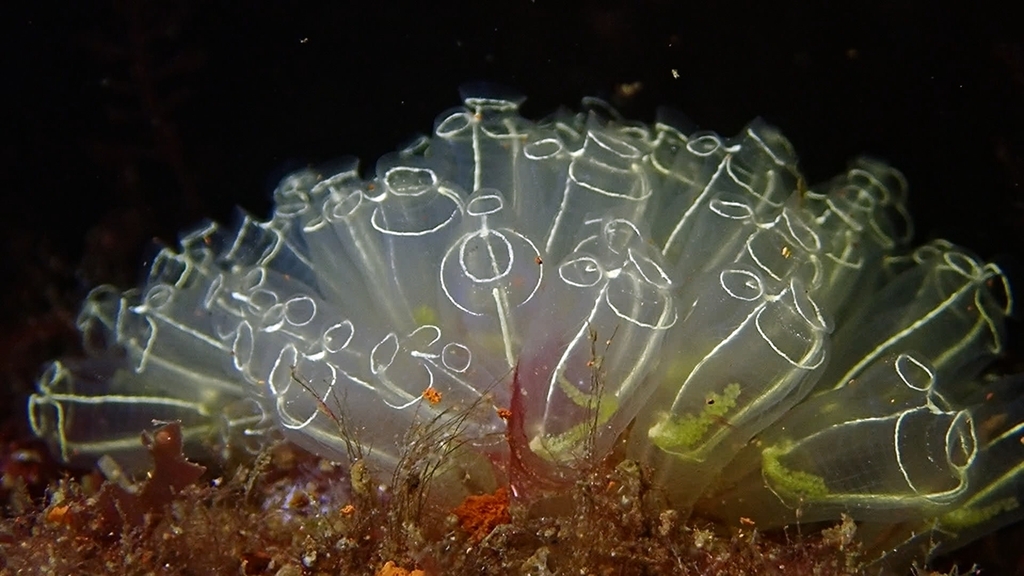
(c) Rachel Crane, some rights reserved (CC BY) · CC BY · iNaturalist 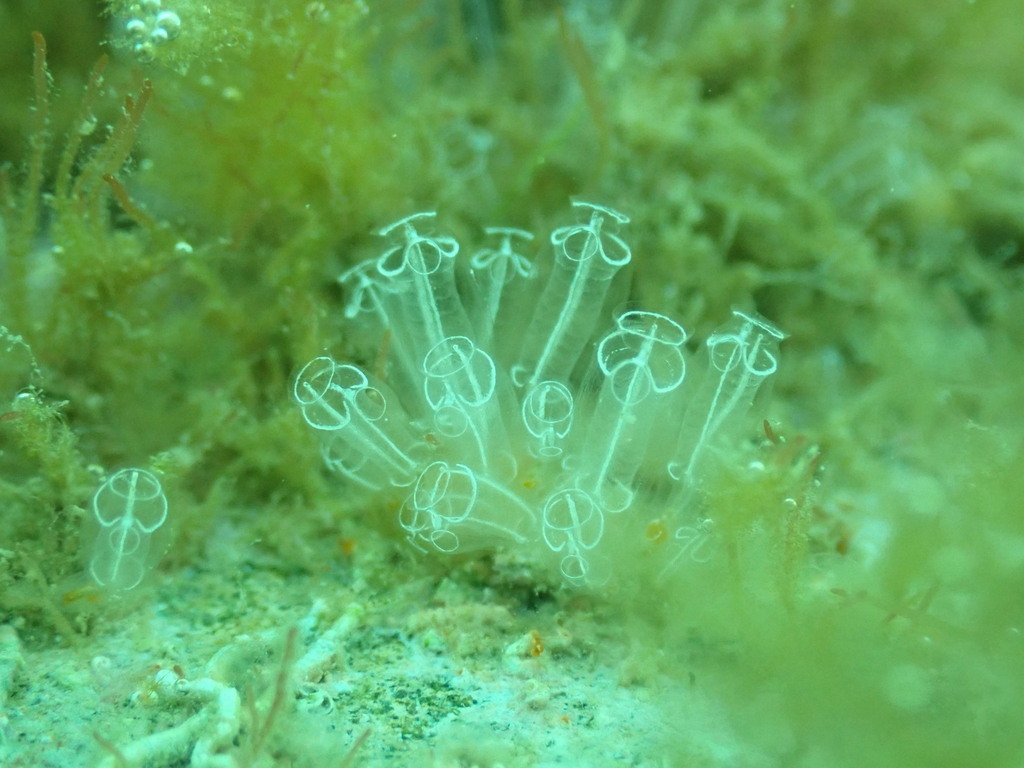
(c) Kelvin Perrie, some rights reserved (CC BY) · CC BY · iNaturalist 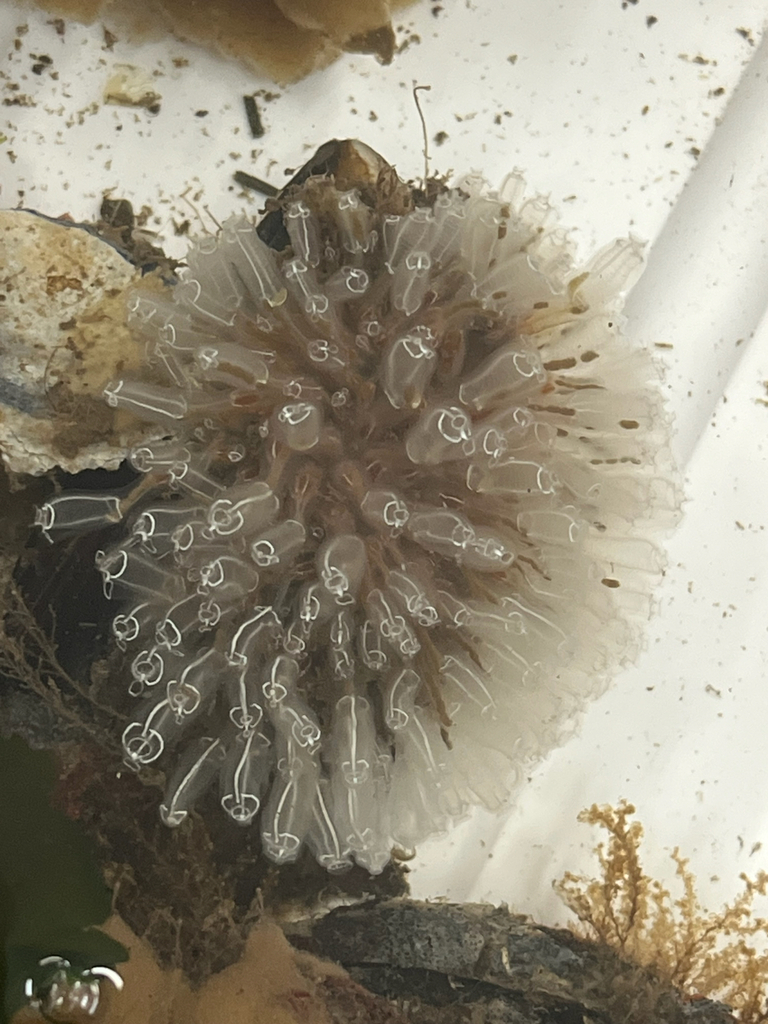
(c) Hannes Dahm, some rights reserved (CC BY) · CC BY · iNaturalist 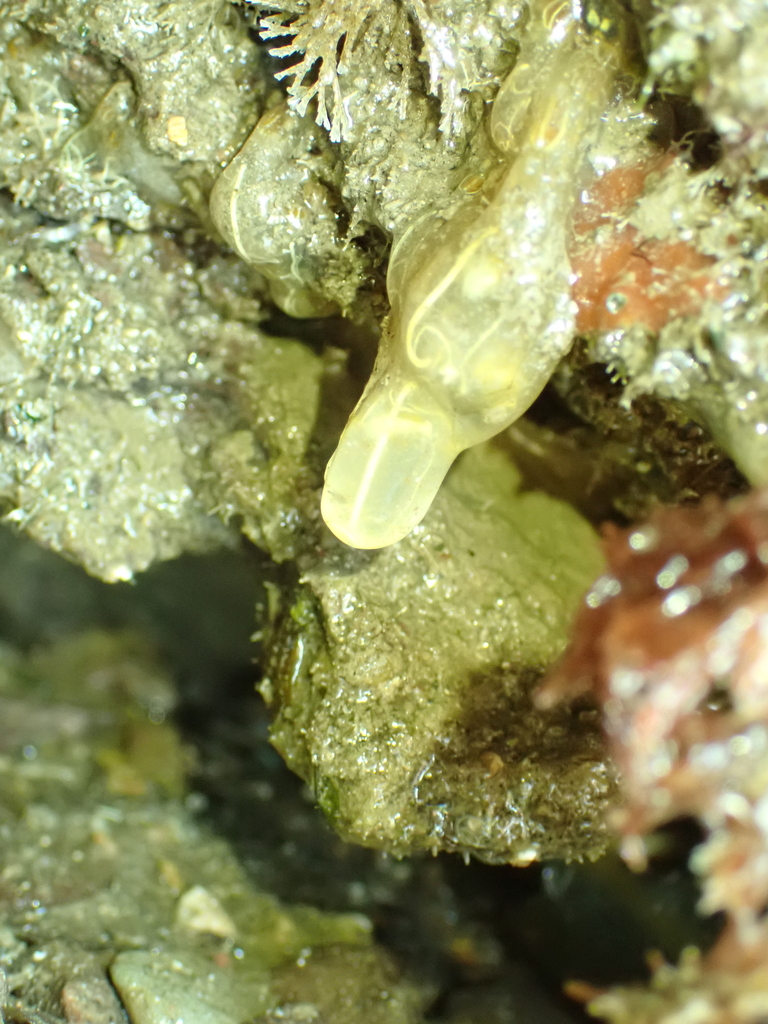
(c) John Hepburn, some rights reserved (CC BY) · CC BY · iNaturalist 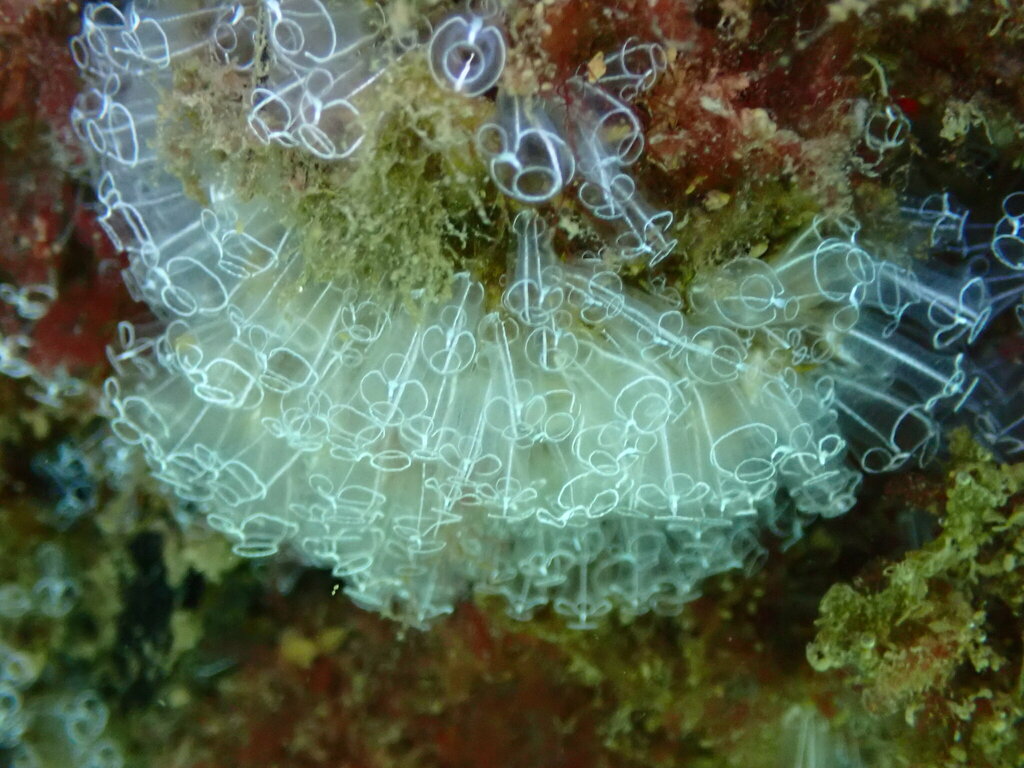
no rights reserved · CC0 1.0 · iNaturalist 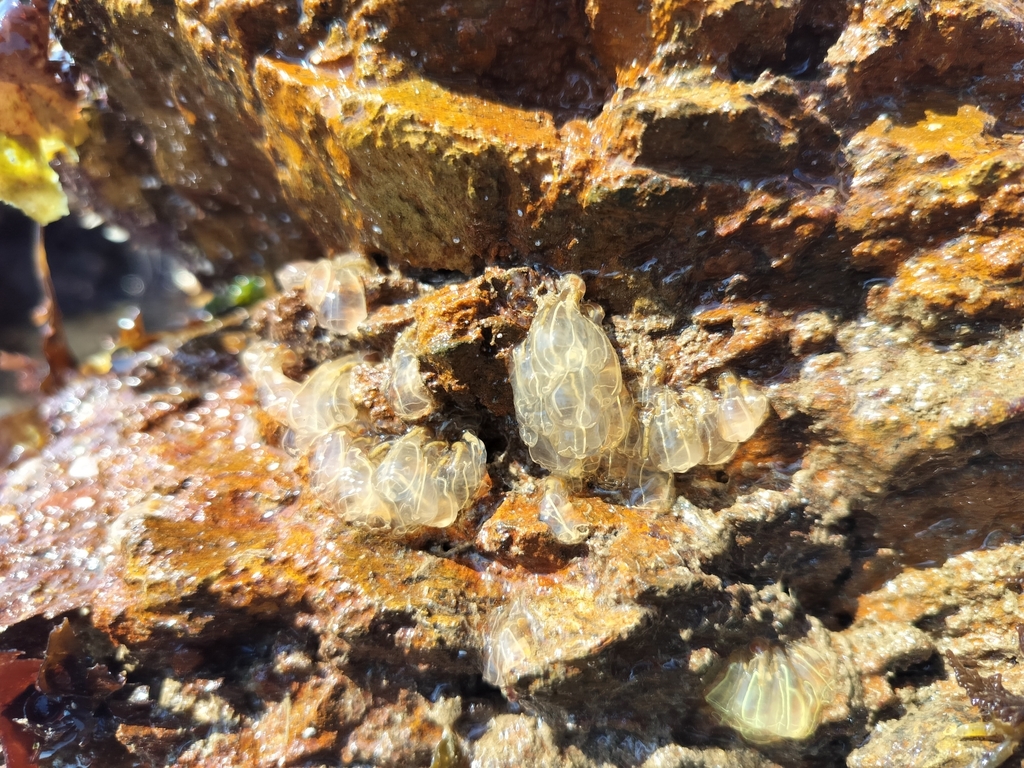
no rights reserved · CC0 1.0 · iNaturalist
Names and classification
- English
- Light bulb sesquirt, Light bulb tunicate, Pin-head squirt, Light-bulb Sea Squirt, Lightbulb Sea Squirt, light bulb sesquirt, light bulb tunicate, Light Bulb Tunicate, pin-head squirt
Names in 3 more languages
- German
- Keulenseescheide, Keulen-Seescheide
- Spanish
- ascidia bombilla
- French
- claveline, Claveline lépadiforme, clochette de cristal, Grande Claveline
Other scientific names: Ascidia lepadiformis, Clavelina pumillo, Clavelina rissoana, Clavelina savigniana
Similar species
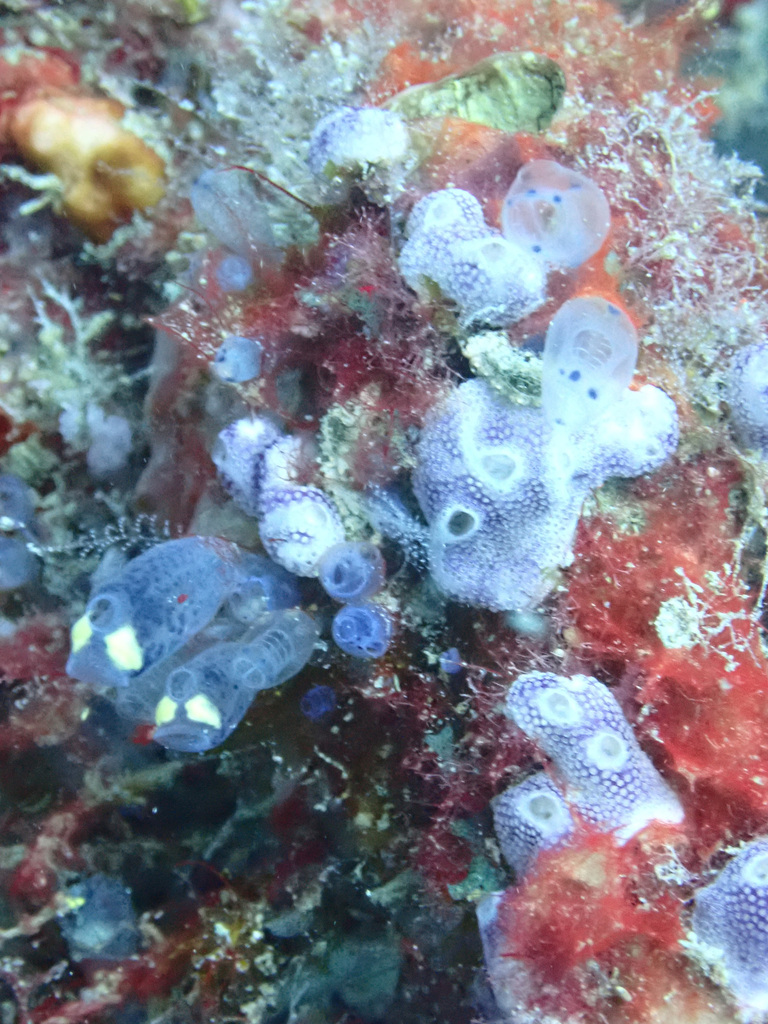
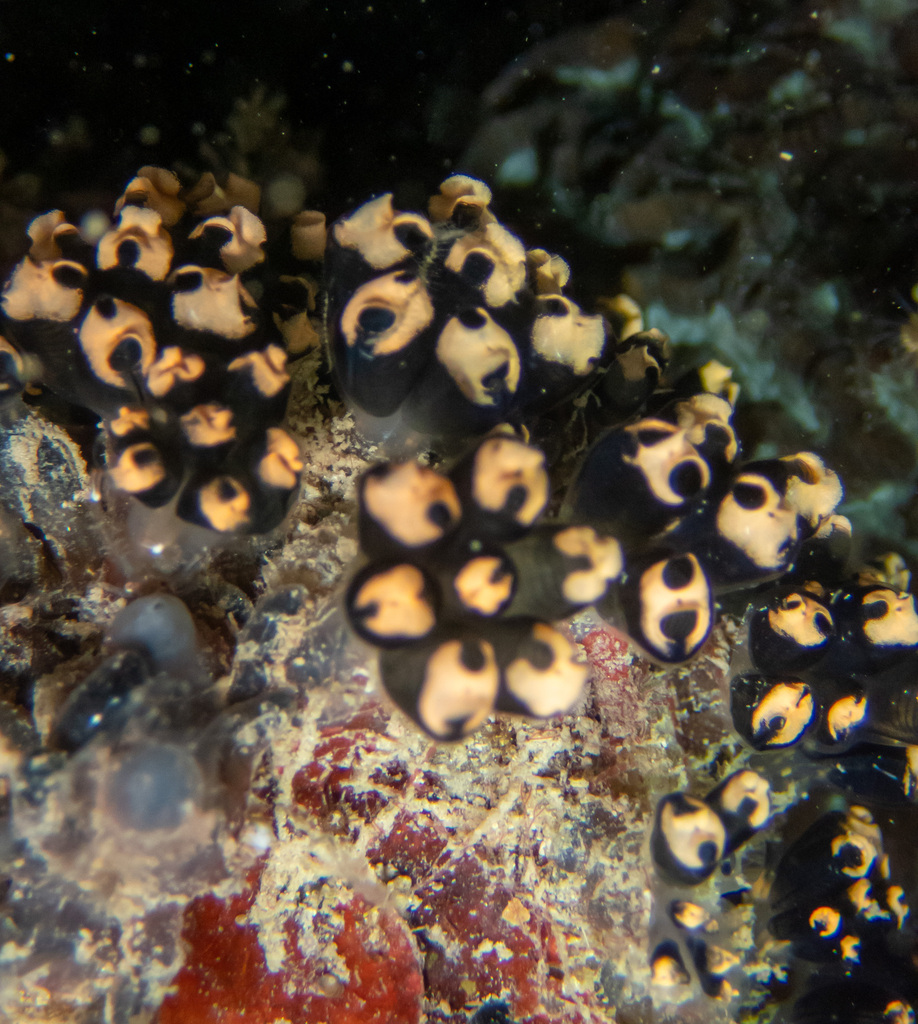
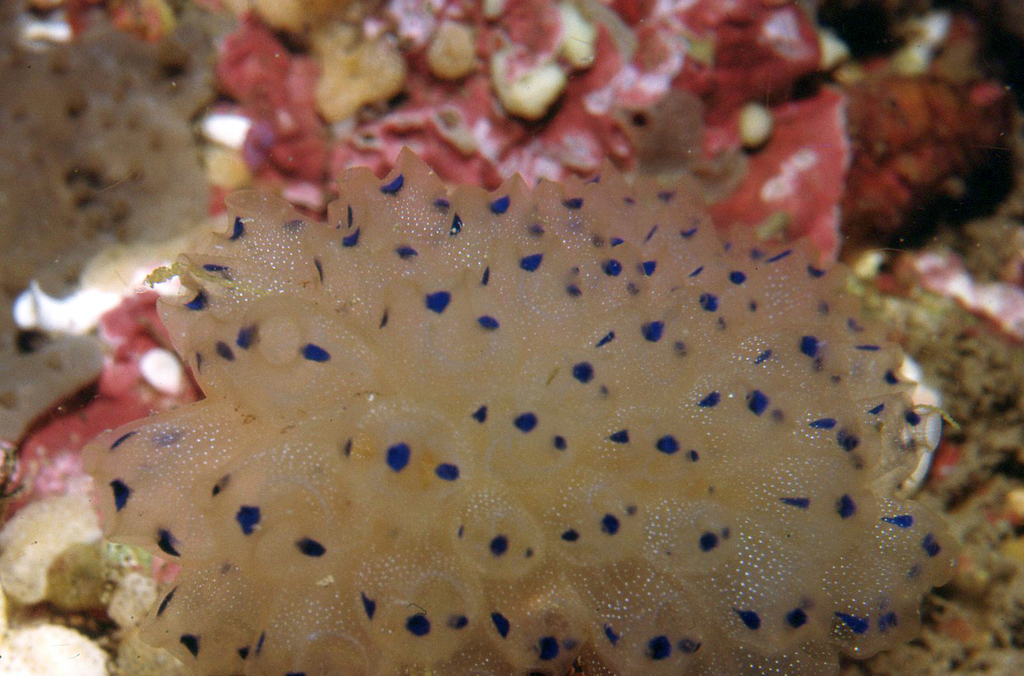
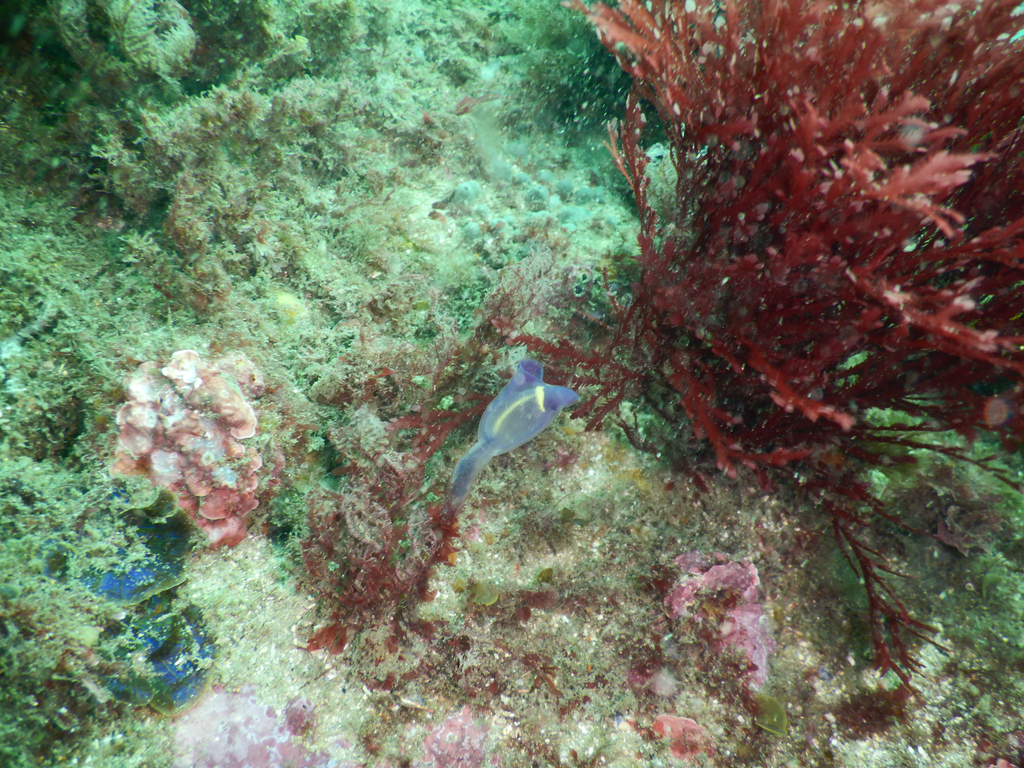
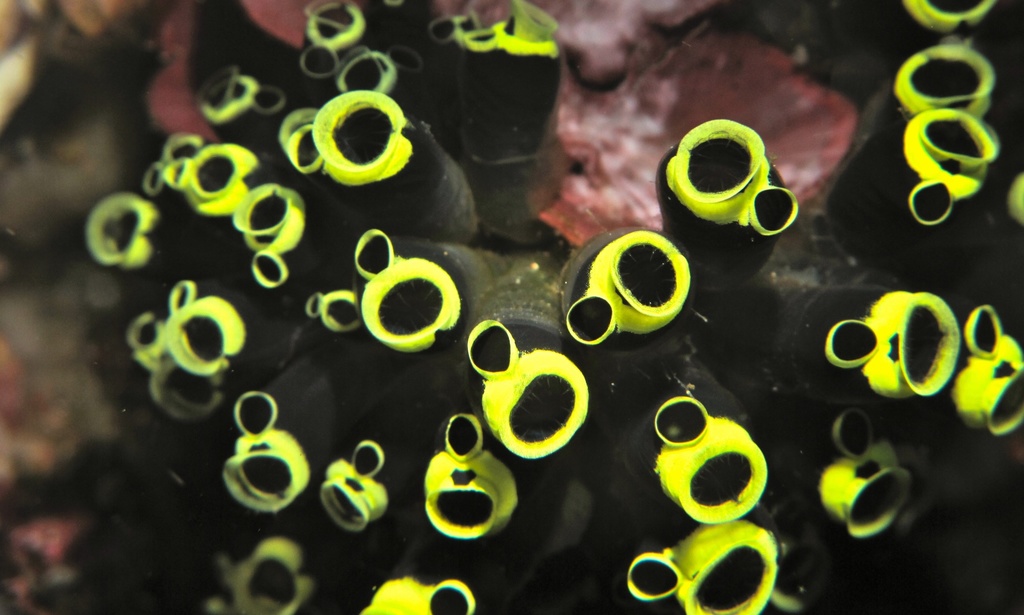 Social Tunicate
Clavelina robusta
Sources and credits
Names and taxonomy: WoRMS (CC BY 4.0) and the GBIF Backbone (CC BY 4.0). Photos: iNaturalist observers, each under the licence shown (CC0, CC BY or CC BY-SA).
- Depth, temperature, months and maps: records from OBIS and GBIF under CC0 or CC BY.
- Descriptions: Wikipedia, licensed CC BY-SA, each linked to its article.
- Conservation status as published by GBIF (IUCN Red List).
- 16,685 open-data records from 1899 to 2025.
- Species data updated November 1, 2026.
Log what you see on your next dive
The free DiveHive diver app keeps your logbook with every sighting and shows what lives at the site you dive next.