
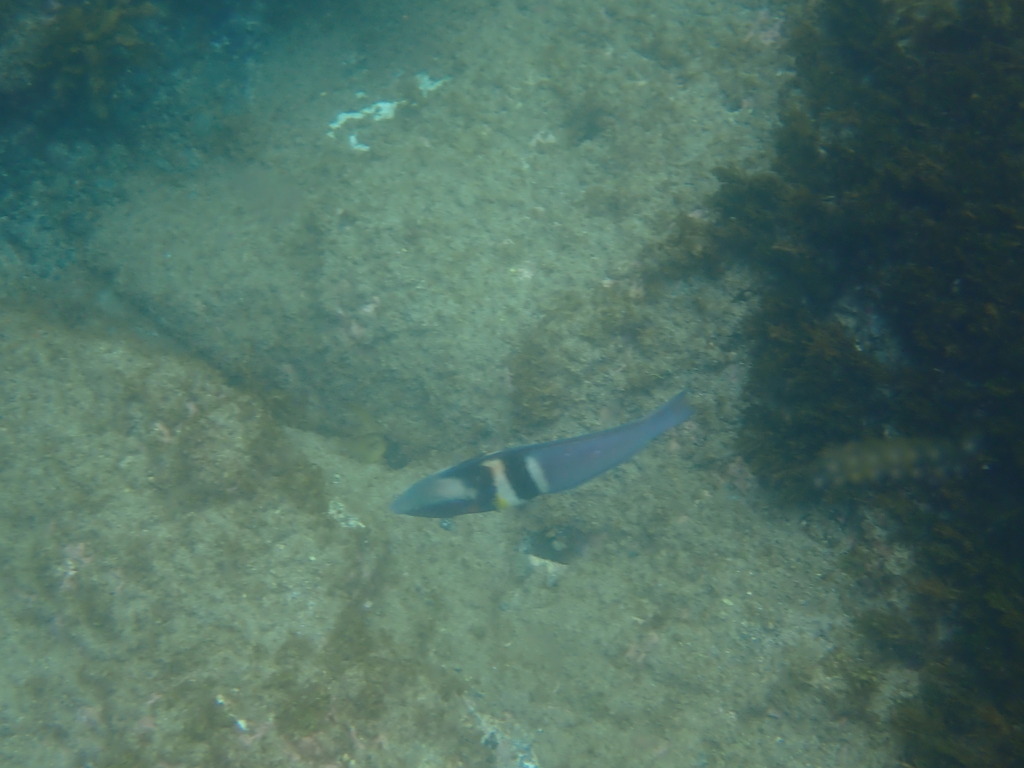
Eastern King Wrasse
Coris sandeyeri
- Usual depth6–26 m
- Water temperature16–26 °C
- Best monthsFebruary, November, and December
- How commonOccasional
Photo credit: (c) naturewatchwidow, some rights reserved (CC BY) · CC BY · iNaturalist
About this species
Sandager's wrasse is a species of wrasse native to the southwestern Pacific Ocean ranging from Australia to New Zealand and the Kermadec Islands. This species can be found on reefs down to depths of about 60 metres (200 ft). It can reach a length of 25 centimetres (9.8 in) TL. It can also be found in the aquarium trade.
Text from the Wikipedia article “Sandager's wrasse”, licensed CC BY-SA 4.0. Read the article
Where and when
Where it has been recorded
Worldwide
Loading the map
Best months
Worldwide (open data)
- January: 86 records
- February: 115 records
- March: 89 records
- April: 85 records
- May: 60 records
- June: 30 records
- July: 14 records
- August: 16 records
- September: 40 records
- October: 75 records
- November: 128 records
- December: 101 records
Depth and water temperature
Depth
Mostly recorded at 6–26 m · Deepest record: 33 m
Water temperature
Recorded in surface water of 16–26 °C
Photos
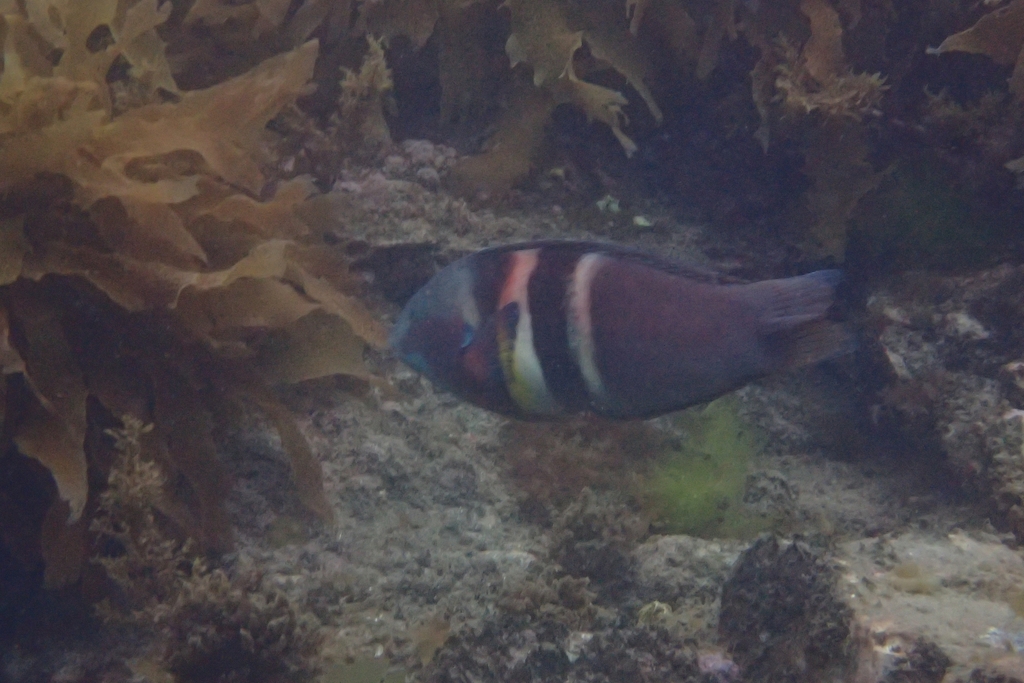
(c) Oscar Dove, some rights reserved (CC BY) · CC BY · iNaturalist 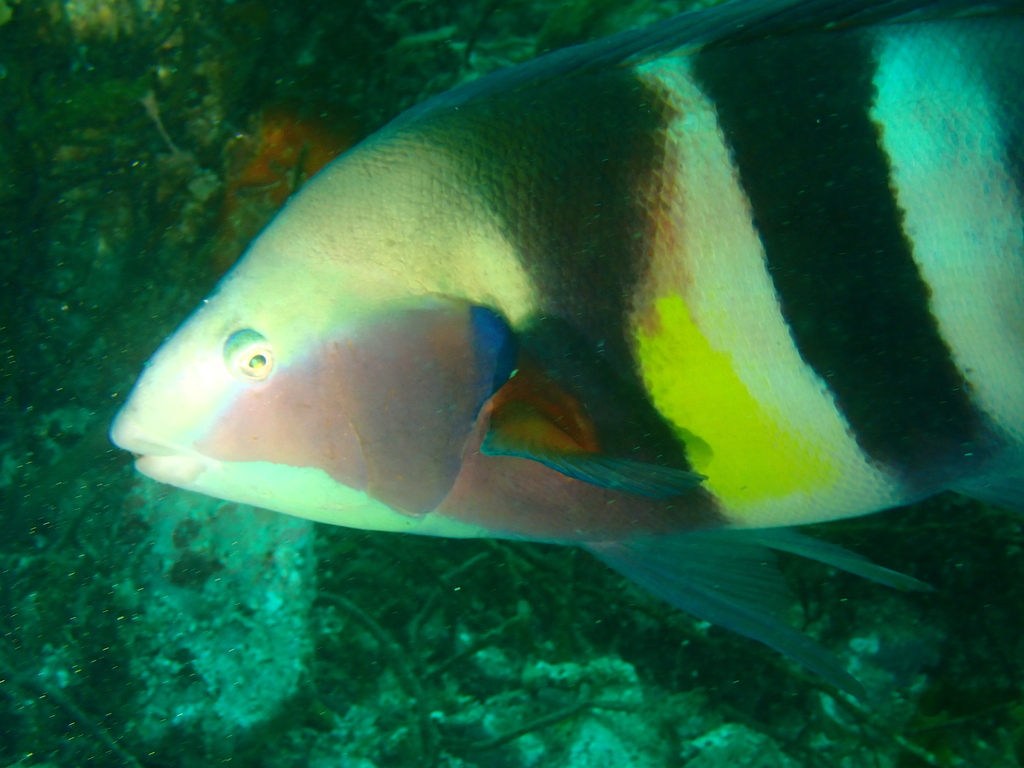
(c) Debra Baker, some rights reserved (CC BY) · CC BY · iNaturalist 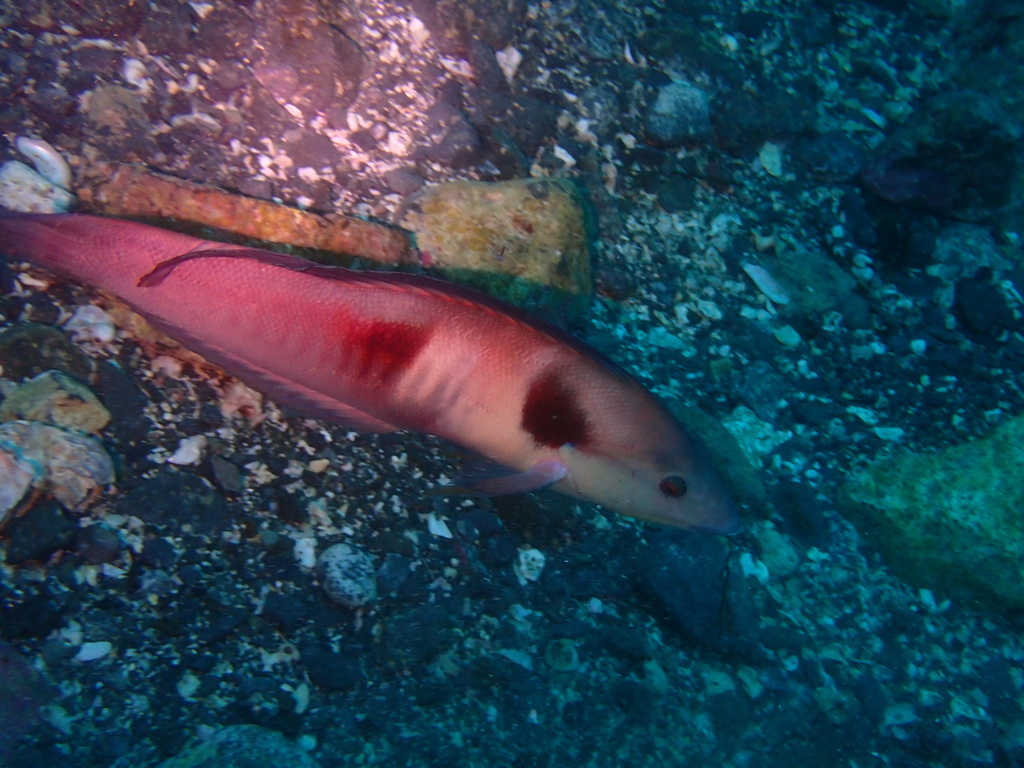
(c) ttsquid, some rights reserved (CC BY) · CC BY · iNaturalist 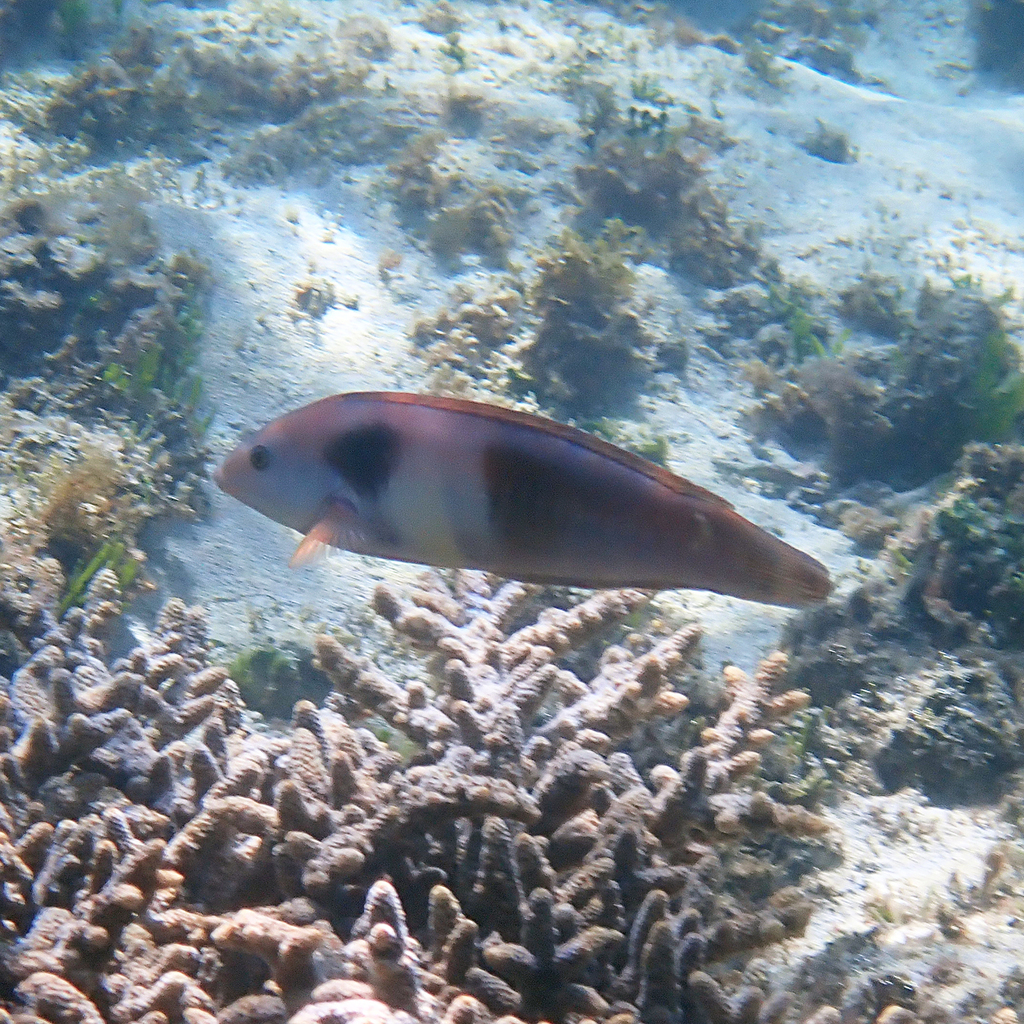
(c) Susan Prior, some rights reserved (CC BY) · CC BY · iNaturalist 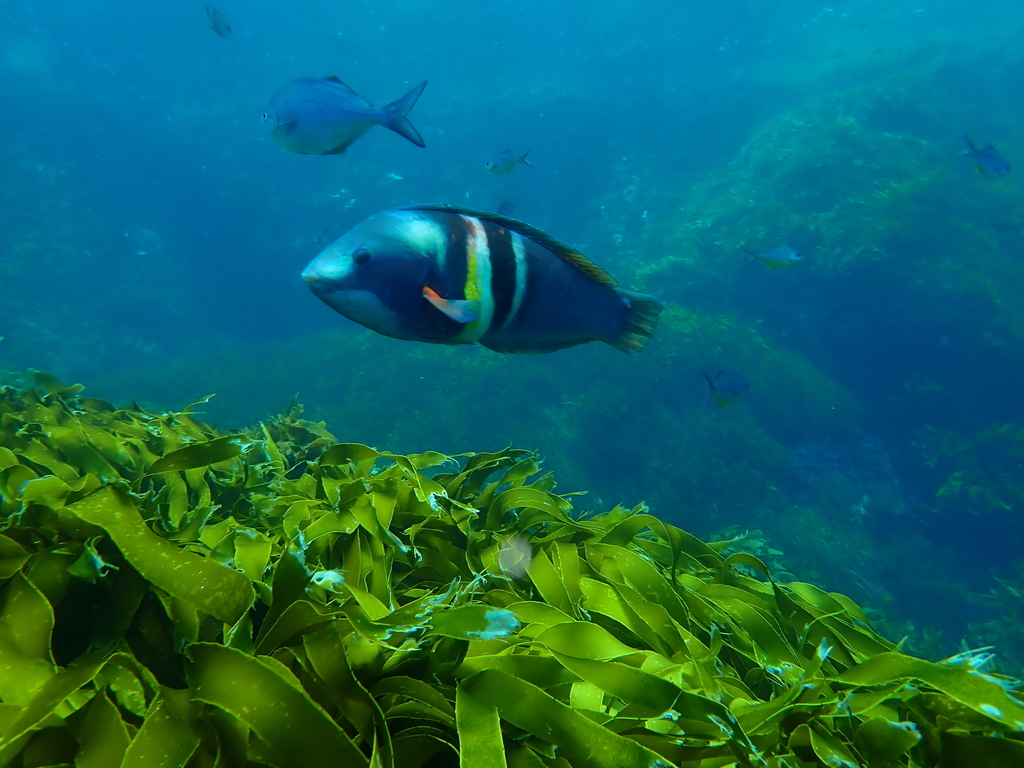
(c) Debra Baker, some rights reserved (CC BY) · CC BY · iNaturalist 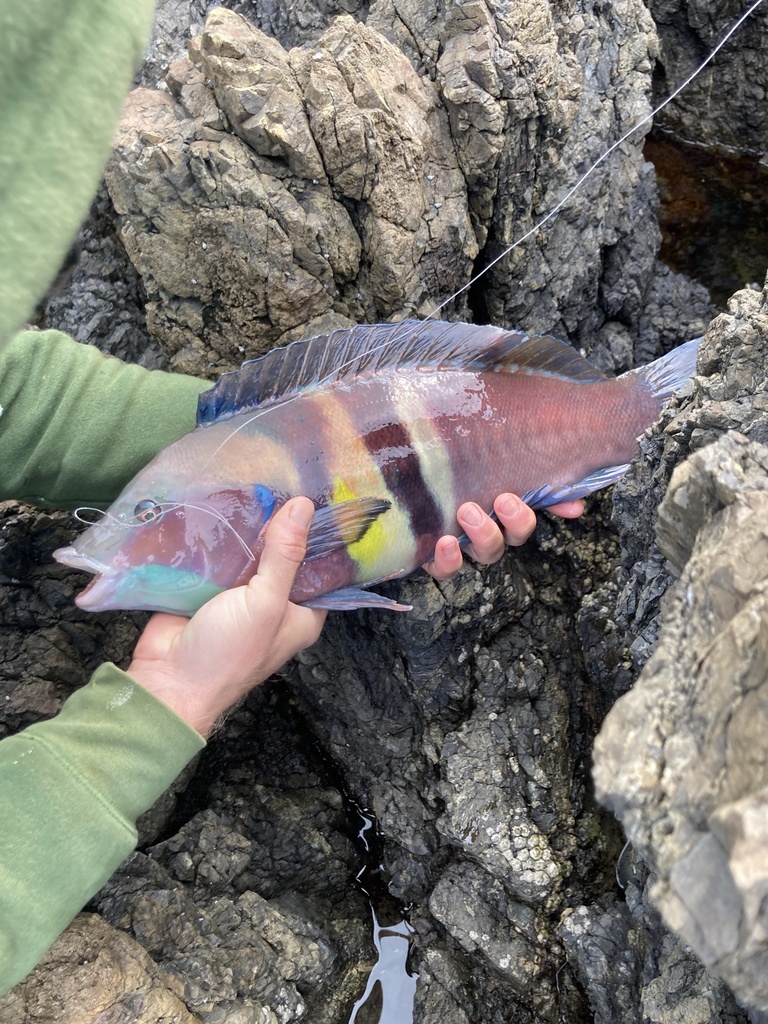
(c) Irene M. Villa, some rights reserved (CC BY) · CC BY · iNaturalist 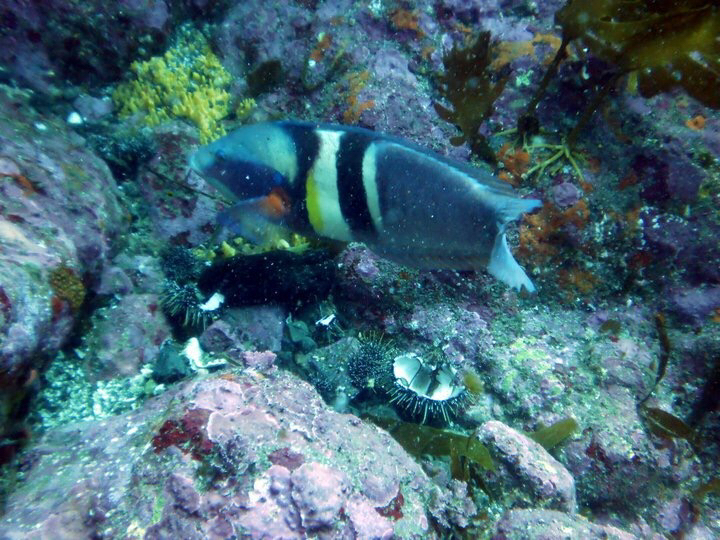
no rights reserved · CC0 1.0 · iNaturalist
Names and classification
- English
- Eastern King Wrasse, King Wrasse, Sandager's Wrasse
Names in 1 more languages
- Spanish
- Coris Real del Este
Other scientific names: Coris rex, Coris sandageri, Coris trimaculata, Coris trimaculatus, Cymolutes sandeyeri
Similar species
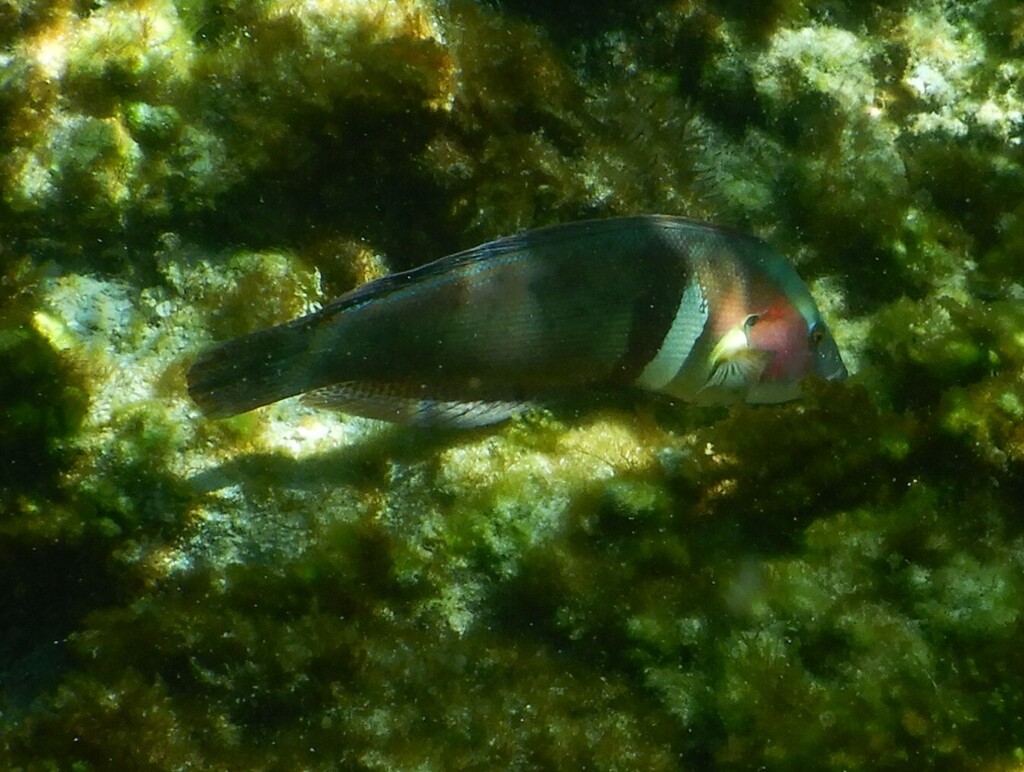 Blushing Wrasse
Coris auricularis
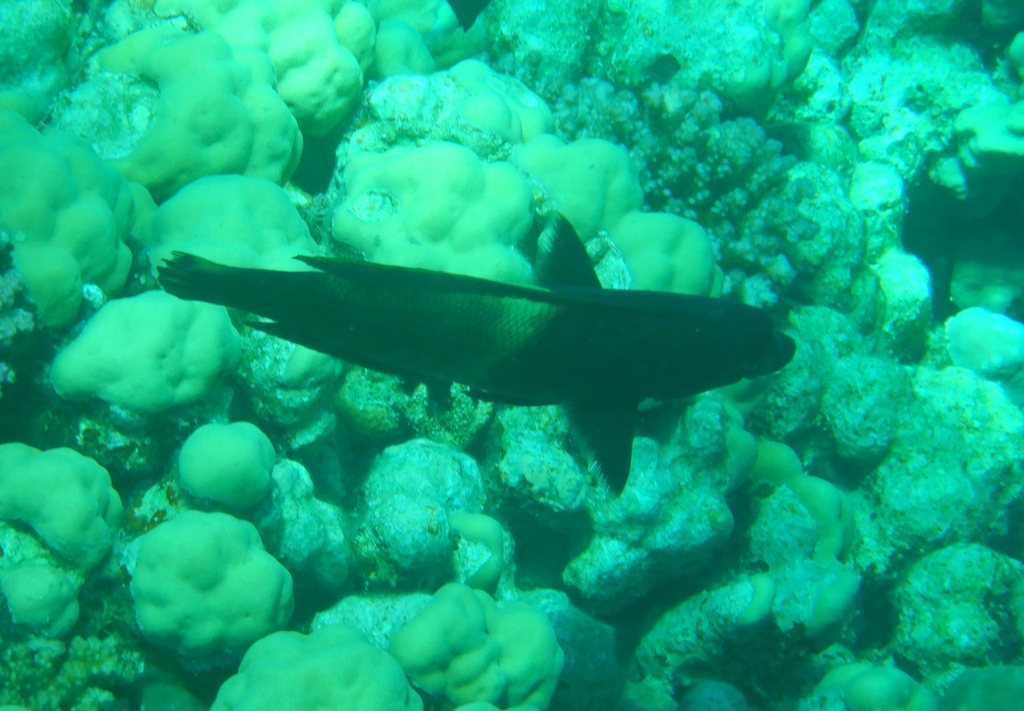 Clown wrasse
Coris aygula
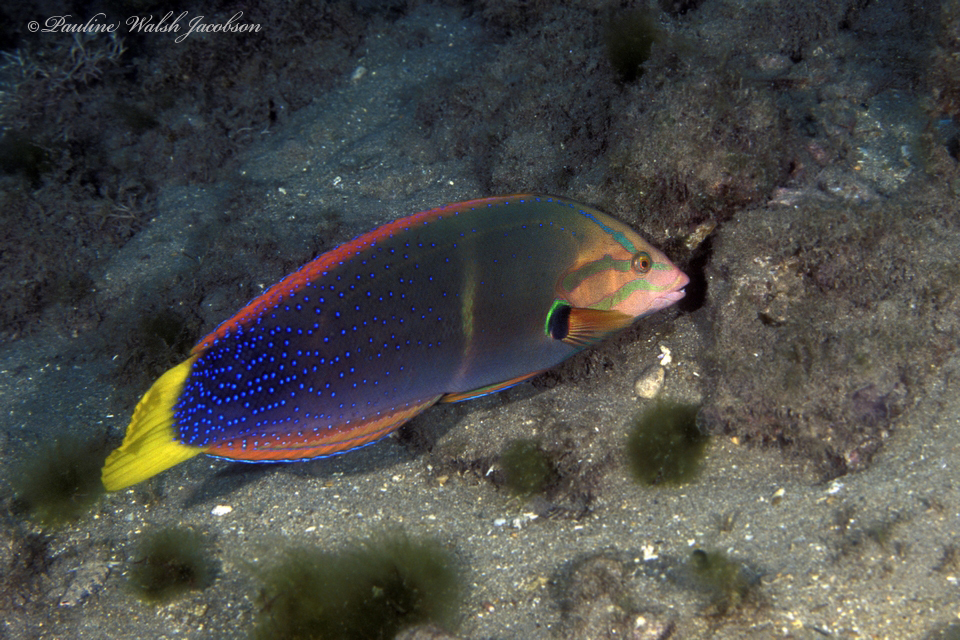 African Clown Wrasse
Coris gaimard
 Elegant Coris
Coris venusta
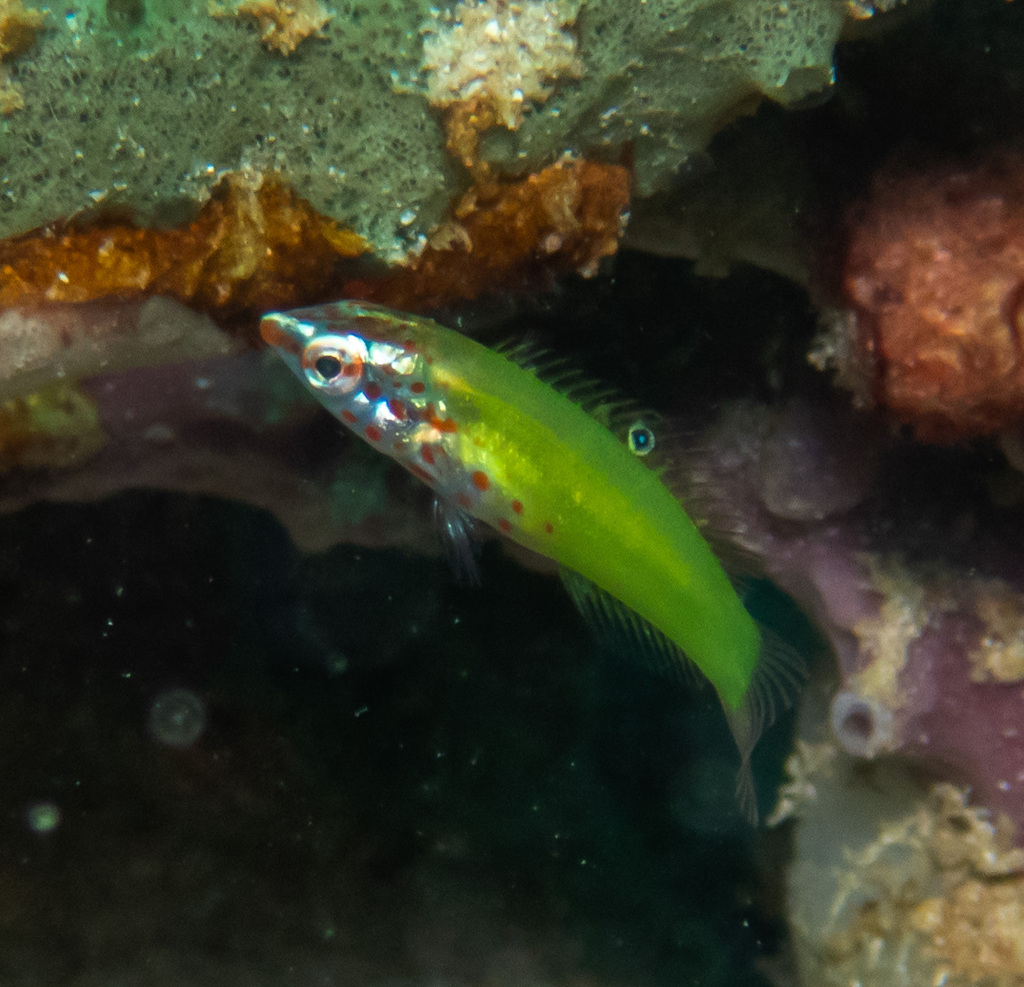 Batu Coris
Coris batuensis
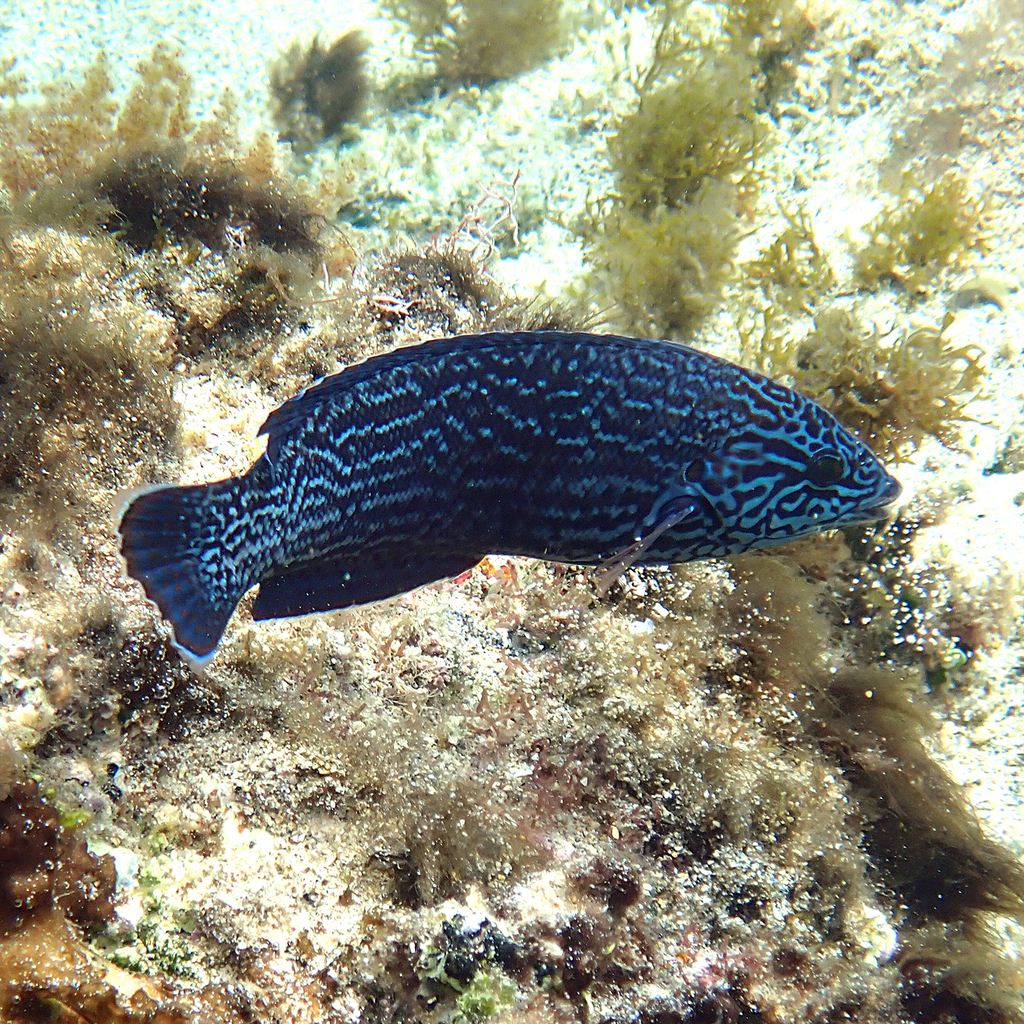 Doubleheader
Coris bulbifrons
Sources and credits
Names and taxonomy: WoRMS (CC BY 4.0) and the GBIF Backbone (CC BY 4.0). Photos: iNaturalist observers, each under the licence shown (CC0, CC BY or CC BY-SA).
- Depth, temperature, months and maps: records from OBIS and GBIF under CC0 or CC BY.
- Descriptions: Wikipedia, licensed CC BY-SA, each linked to its article.
- Conservation status as published by GBIF (IUCN Red List).
- 431 open-data records from 1959 to 2013.
- Species data updated November 1, 2026.
Log what you see on your next dive
The free DiveHive diver app keeps your logbook with every sighting and shows what lives at the site you dive next.