
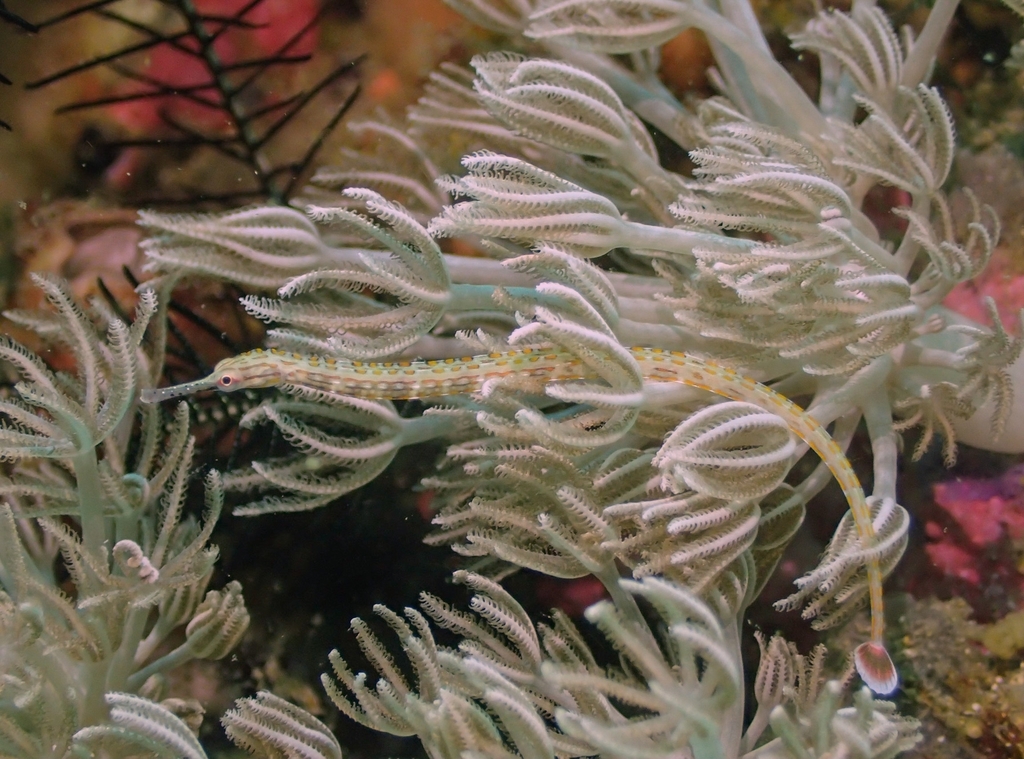
Ocellated pipefish
Corythoichthys ocellatus
- Usual depth3–30 m
- Water temperature26–30 °C
- Best monthsMarch, May, and November
- How commonRare
Photo credit: (c) Dan Schofield, some rights reserved (CC BY) · CC BY · iNaturalist
About this species
Corythoichthys ocellatus, the ocellated pipefish or orange-spotted pipefish, is a marine pipefish found in the western Pacific Ocean. Belonging to the family Syngnathidae, it grows up to 10 cm long, and is found in the first 12 m of the warm tropical seas off the coast of Australia. Ovoviviparous, the male carries the eggs in a brood pouch found under the tail.
Text from the Wikipedia article “Corythoichthys ocellatus”, licensed CC BY-SA 4.0. Read the article
Where and when
Where it has been recorded
Worldwide
Loading the map
Best months
Worldwide (open data)
- January: 10 records
- February: 2 records
- March: 15 records
- April: 12 records
- May: 15 records
- June: 7 records
- July: 11 records
- August: 5 records
- September: 13 records
- October: 14 records
- November: 17 records
- December: 14 records
Depth and water temperature
Depth
Mostly recorded at 3–30 m · Deepest record: 32.5 m
Water temperature
Recorded in surface water of 26–30 °C
Photos
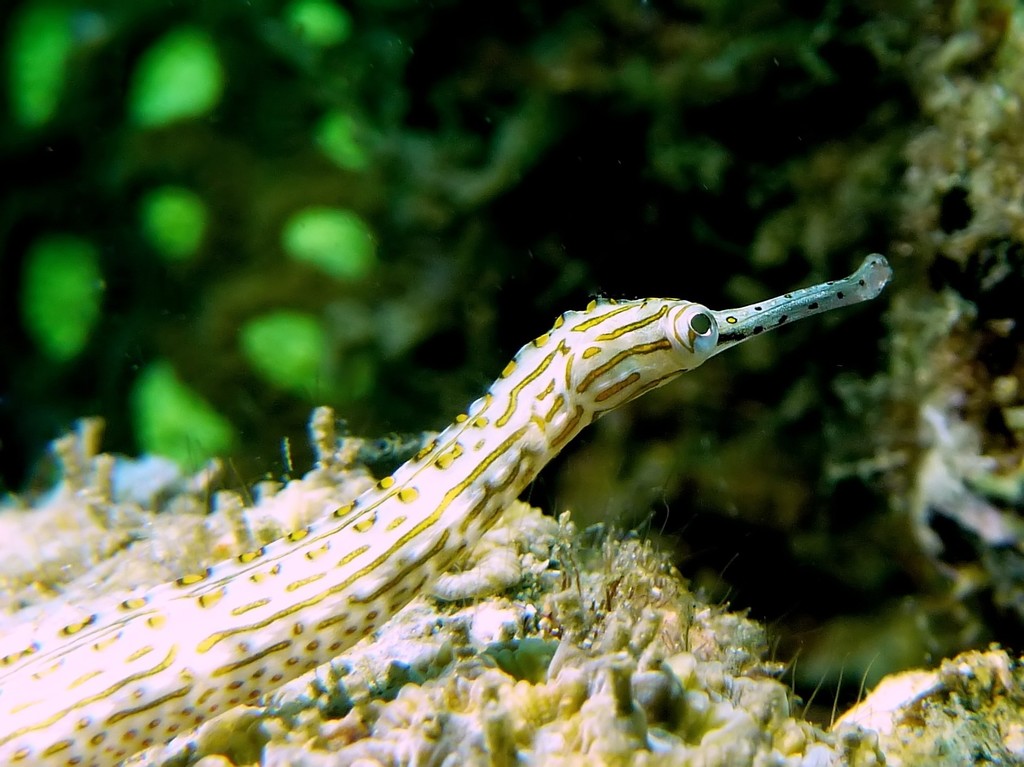
(c) Kai Squires, some rights reserved (CC BY) · CC BY · iNaturalist 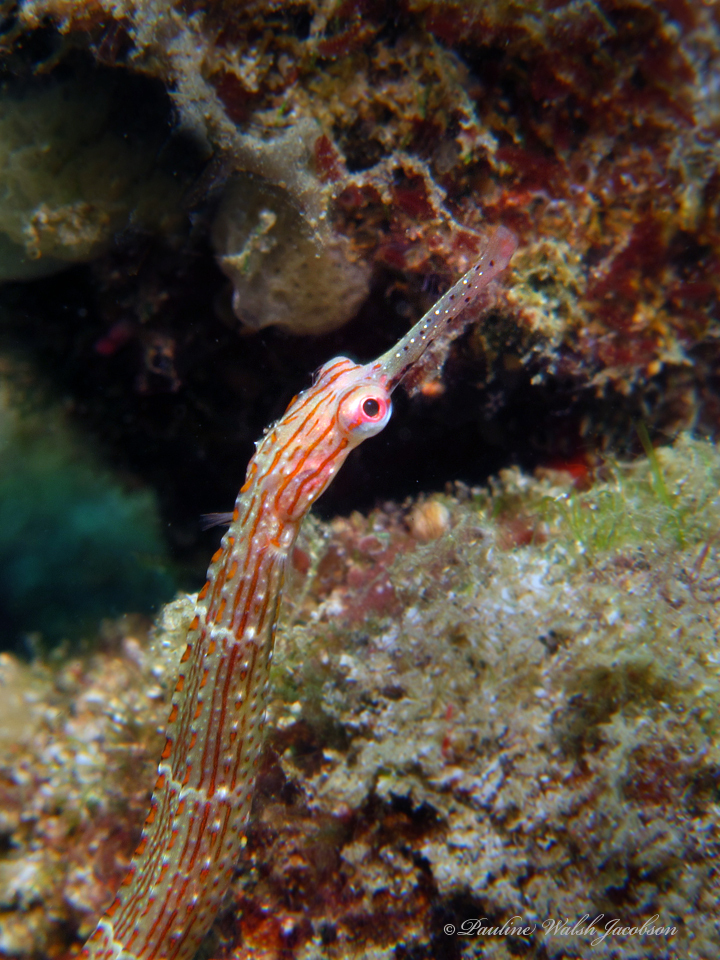
(c) Pauline Walsh Jacobson, some rights reserved (CC BY) · CC BY · iNaturalist 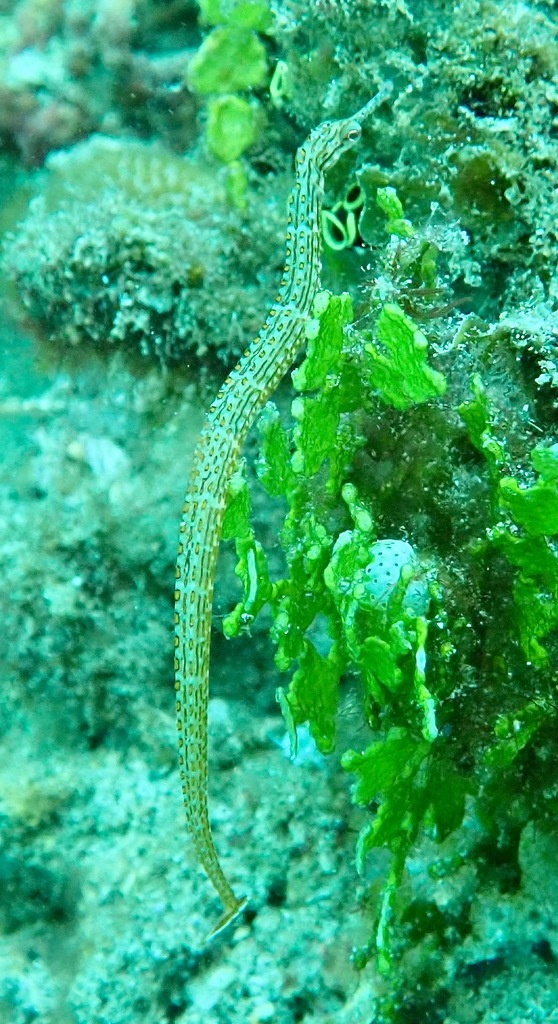
(c) desertnaturalist, some rights reserved (CC BY) · CC BY · iNaturalist 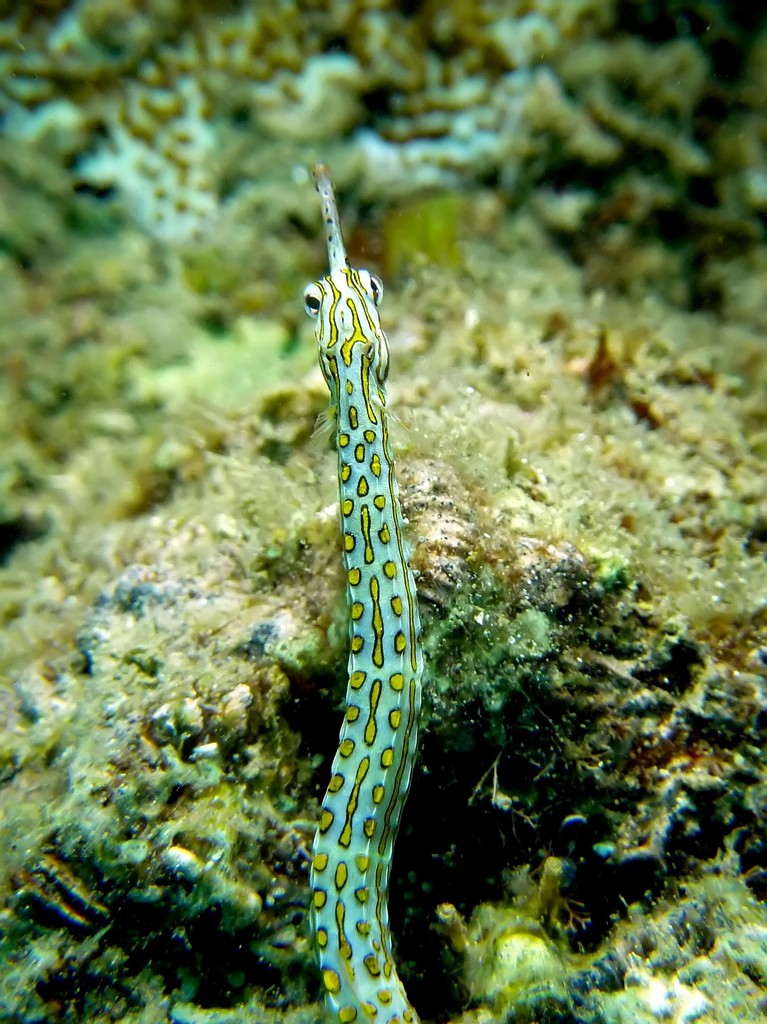
(c) Kai Squires, some rights reserved (CC BY) · CC BY · iNaturalist 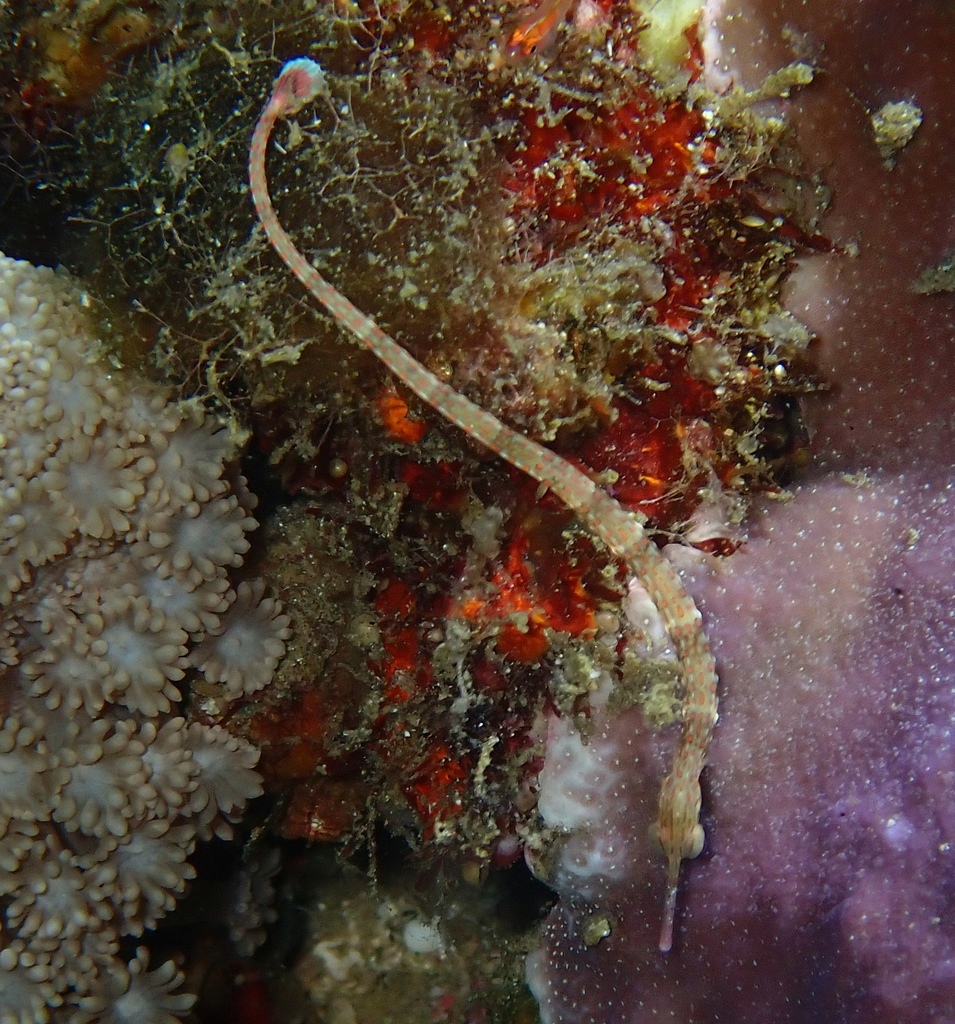
(c) Micha Baum, some rights reserved (CC BY-SA) · CC BY-SA · iNaturalist
Names and classification
- English
- Ocellated pipefish, Ocellate Pipefish, Orange-spotted pipefish
Names in 1 more languages
- Simplified Chinese
- 晴斑冠海龍, 晴斑冠海龙
Similar species
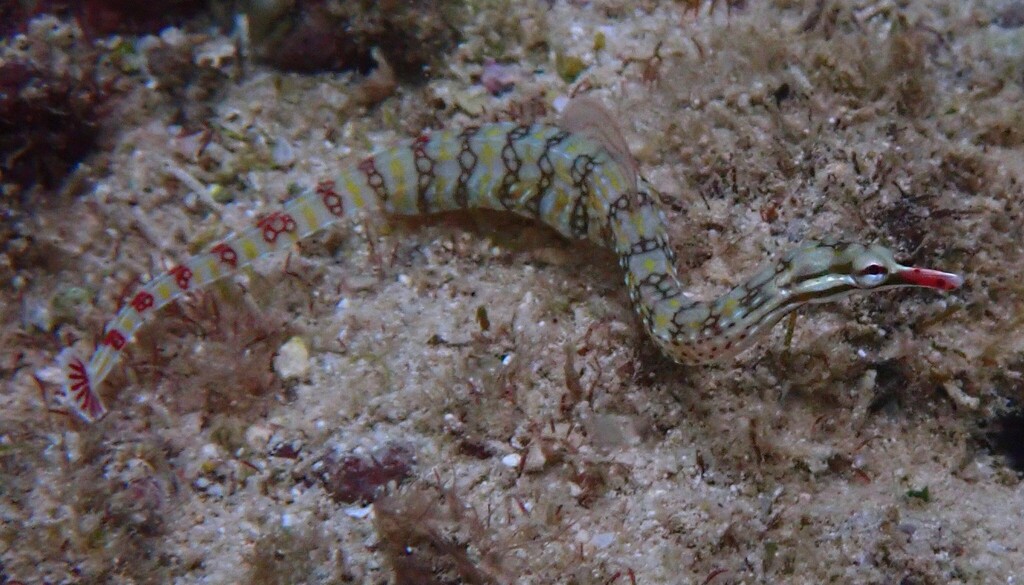 Banded Pipefish
Corythoichthys flavofasciatus
 Bloodspot Pipefish
Corythoichthys haematopterus
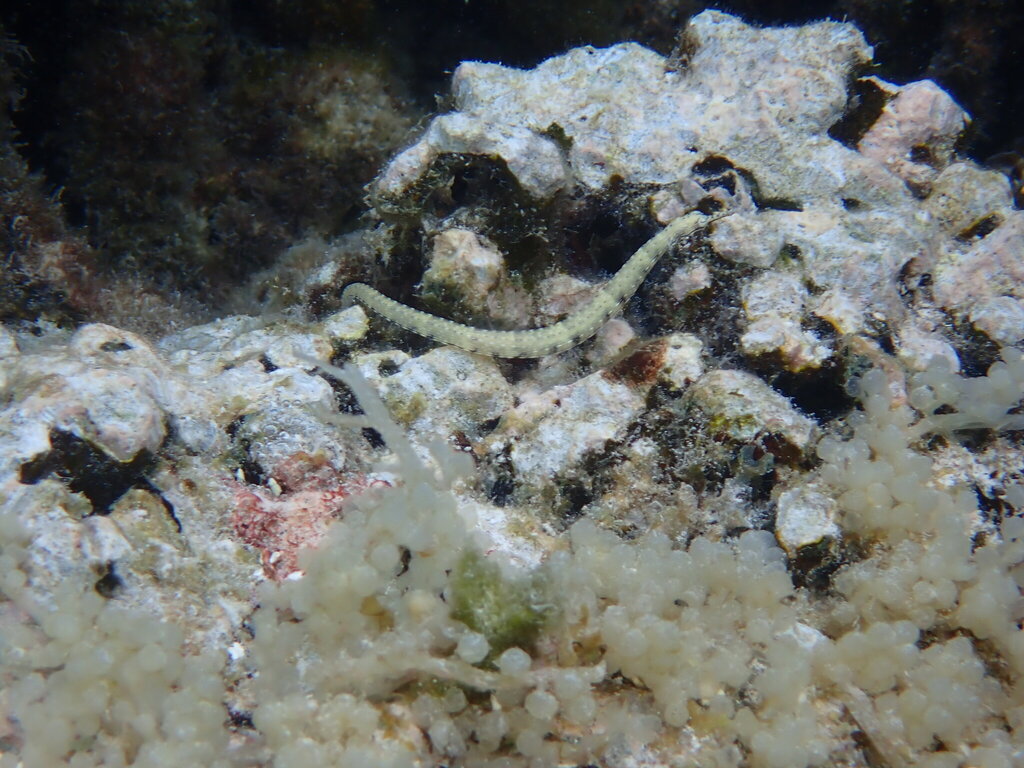 Banded pipefish
Corythoichthys intestinalis
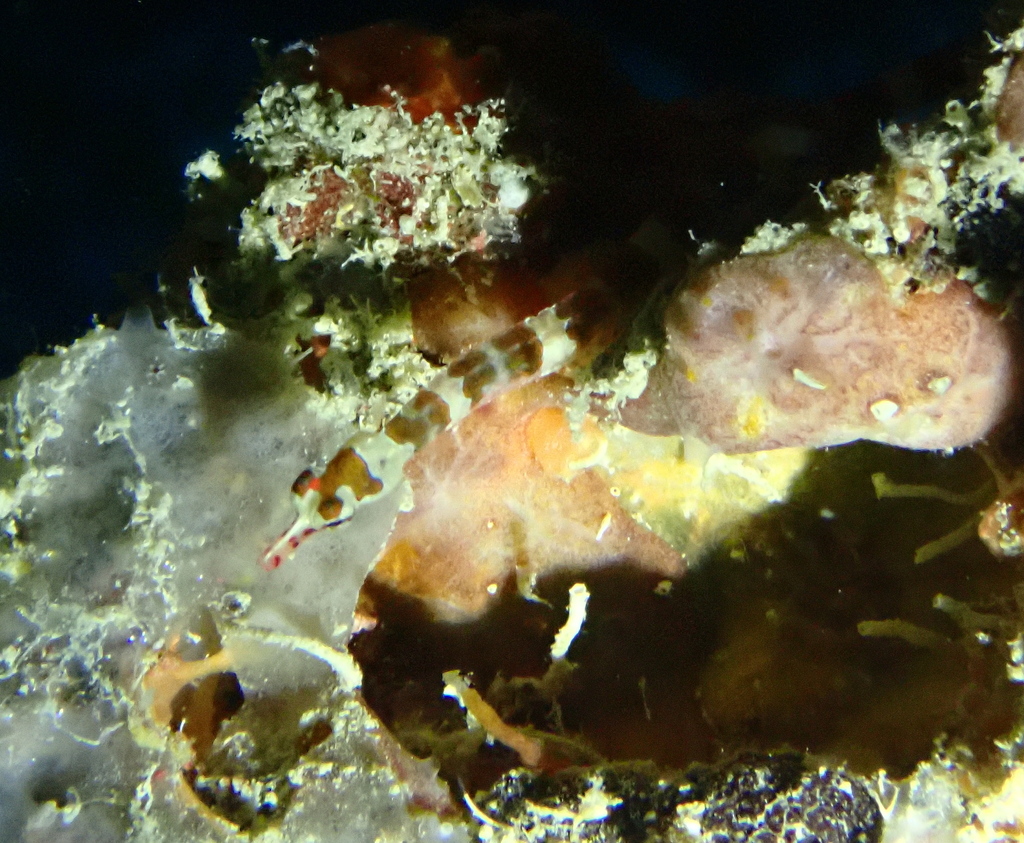 Brown-banded Pipefish
Corythoichthys amplexus
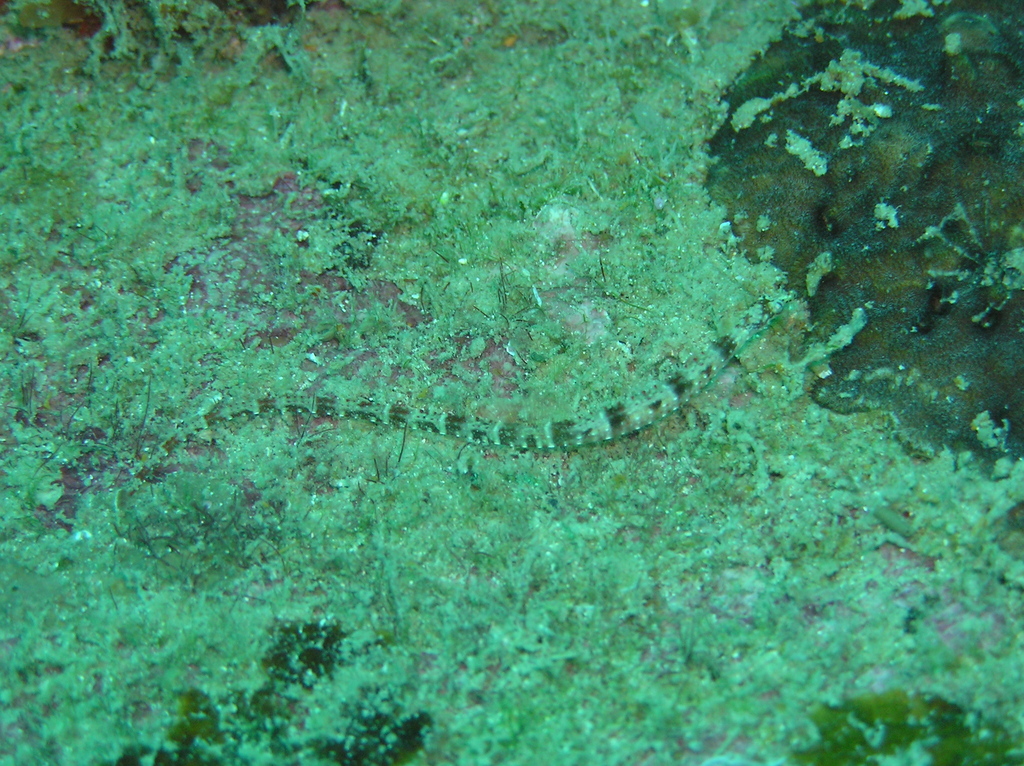 Benedetto's Pipefish
Corythoichthys benedetto
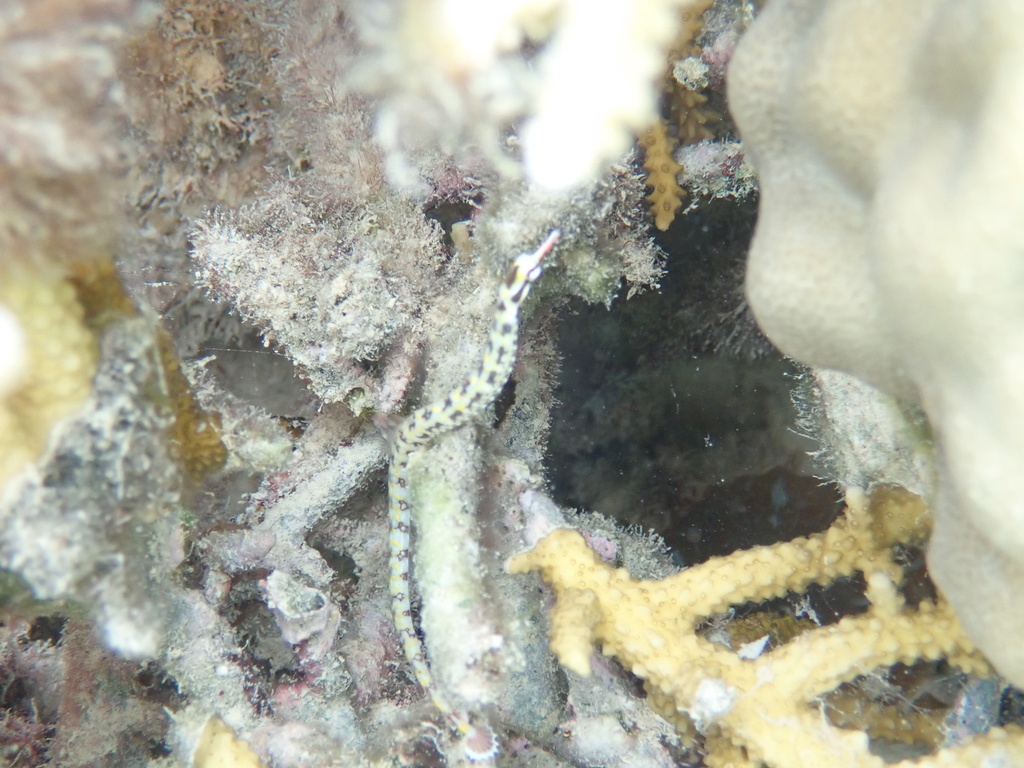 Reticulated Pipefish
Corythoichthys conspicillatus
Sources and credits
Names and taxonomy: WoRMS (CC BY 4.0) and the GBIF Backbone (CC BY 4.0). Photos: iNaturalist observers, each under the licence shown (CC0, CC BY or CC BY-SA).
- Depth, temperature, months and maps: records from OBIS and GBIF under CC0 or CC BY.
- Descriptions: Wikipedia, licensed CC BY-SA, each linked to its article.
- Conservation status as published by GBIF (IUCN Red List).
- 60 open-data records from 1929 to 2010.
- Species data updated November 1, 2026.
Log what you see on your next dive
The free DiveHive diver app keeps your logbook with every sighting and shows what lives at the site you dive next.