
DiscoverSpeciesOther invertebrates
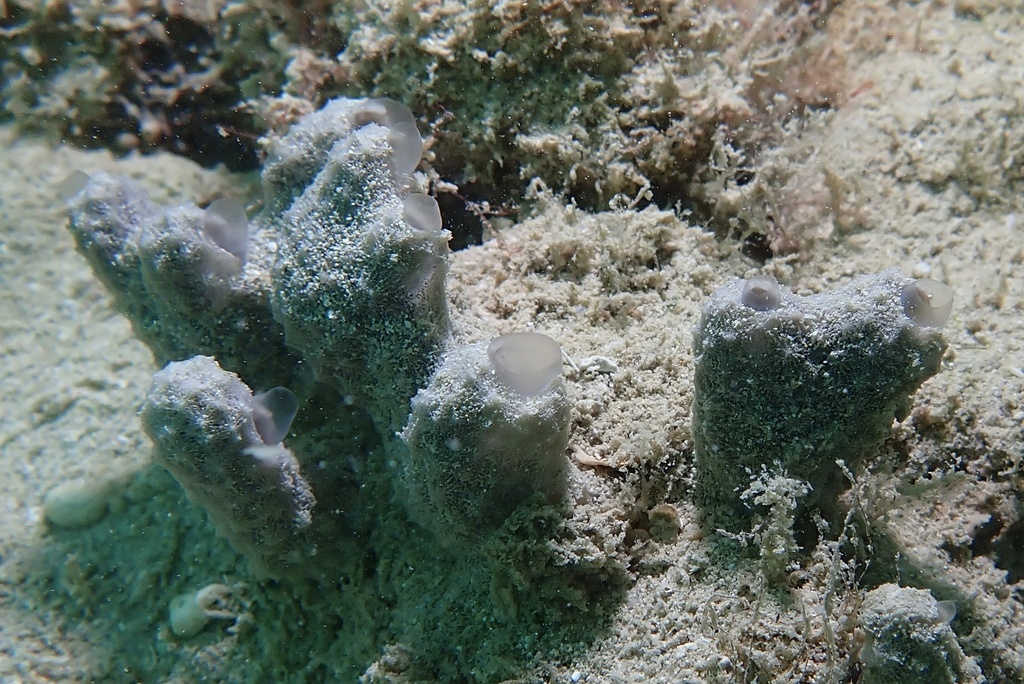
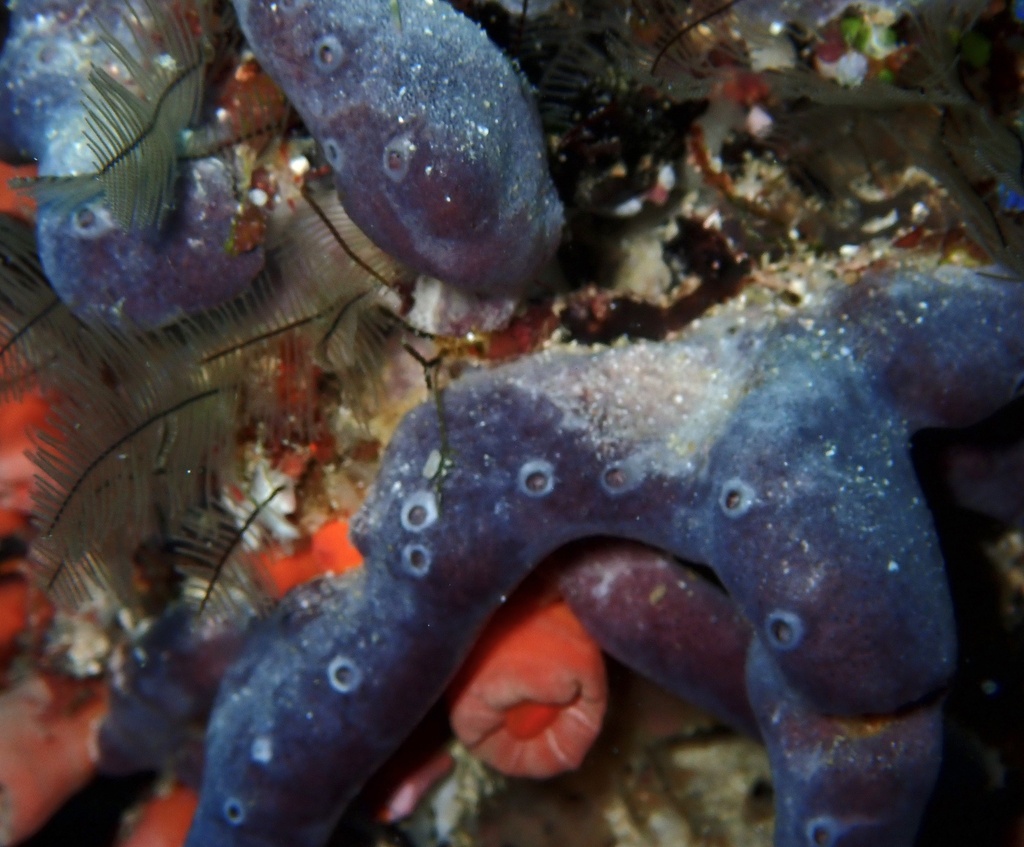
Crater sponge
Dysidea arenaria
- Usual depth10–73 m
- Water temperature17–30 °C
- Best monthsMay, September, and November
- How commonRare
Photo credit: (c) Robin White, some rights reserved (CC BY) · CC BY · iNaturalist
About this species
Dysidea arenaria is a species of marine sponge (poriferan) found in the Pacific Ocean. It is a member of the order Dictyoceratida, one of two sponge orders that make up the keratose or "horny" sponges in which a mineral skeleton is absent and a skeleton of organic fibers is present instead.
Text from the Wikipedia article “Dysidea arenaria”, licensed CC BY-SA 4.0. Read the article
Where and when
Where it has been recorded
Worldwide
Loading the map
Best months
Worldwide (open data)
- January: 23 records
- February: 15 records
- March: 15 records
- April: 14 records
- May: 33 records
- June: 22 records
- July: 24 records
- August: 13 records
- September: 34 records
- October: 31 records
- November: 33 records
- December: 31 records
Depth and water temperature
Depth
Mostly recorded at 10–73 m · Deepest record: 78.4 m
Water temperature
Recorded in surface water of 17–30 °C
Photos
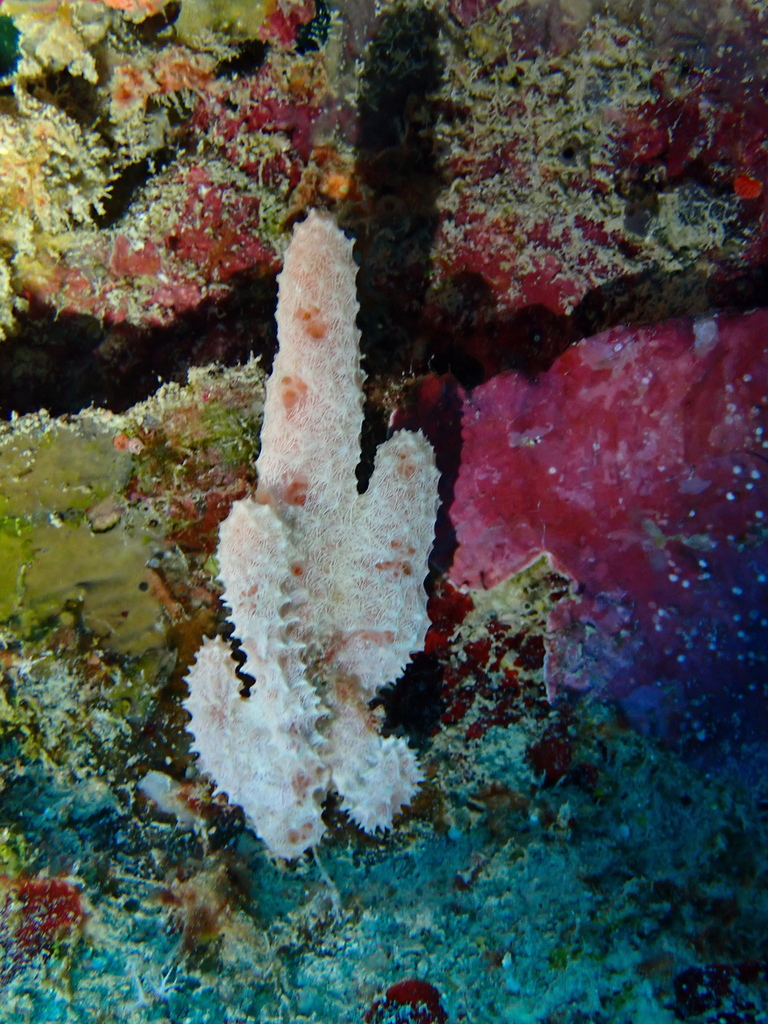
(c) Debra Baker, some rights reserved (CC BY) · CC BY · iNaturalist 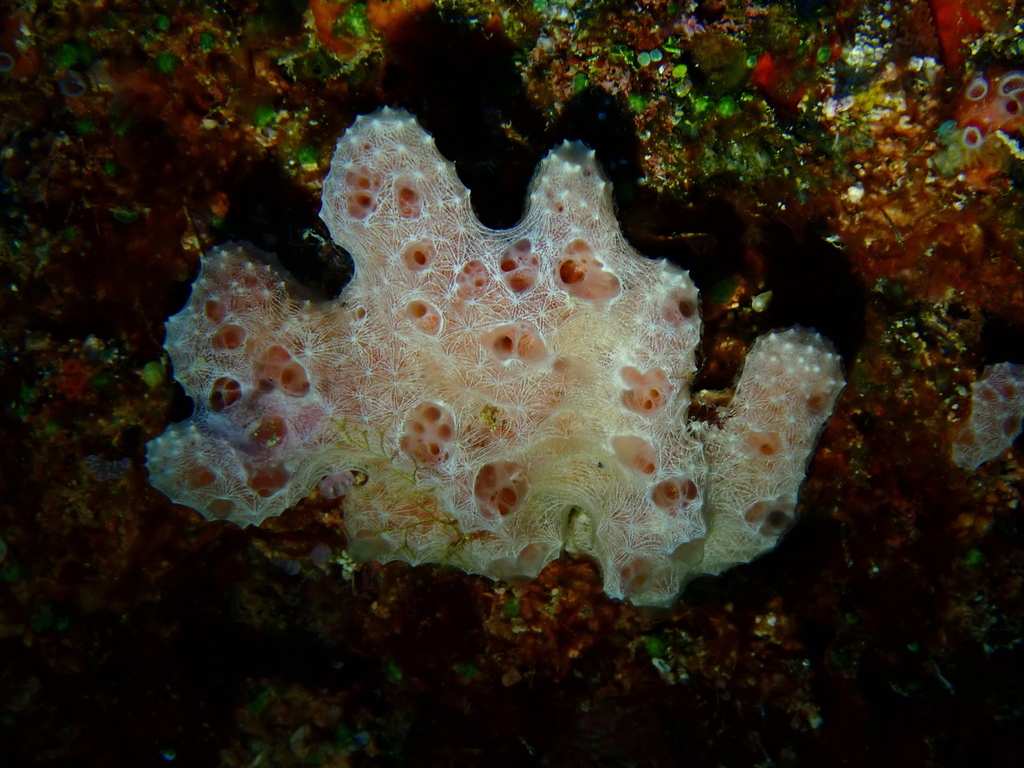
(c) Debra Baker, some rights reserved (CC BY) · CC BY · iNaturalist 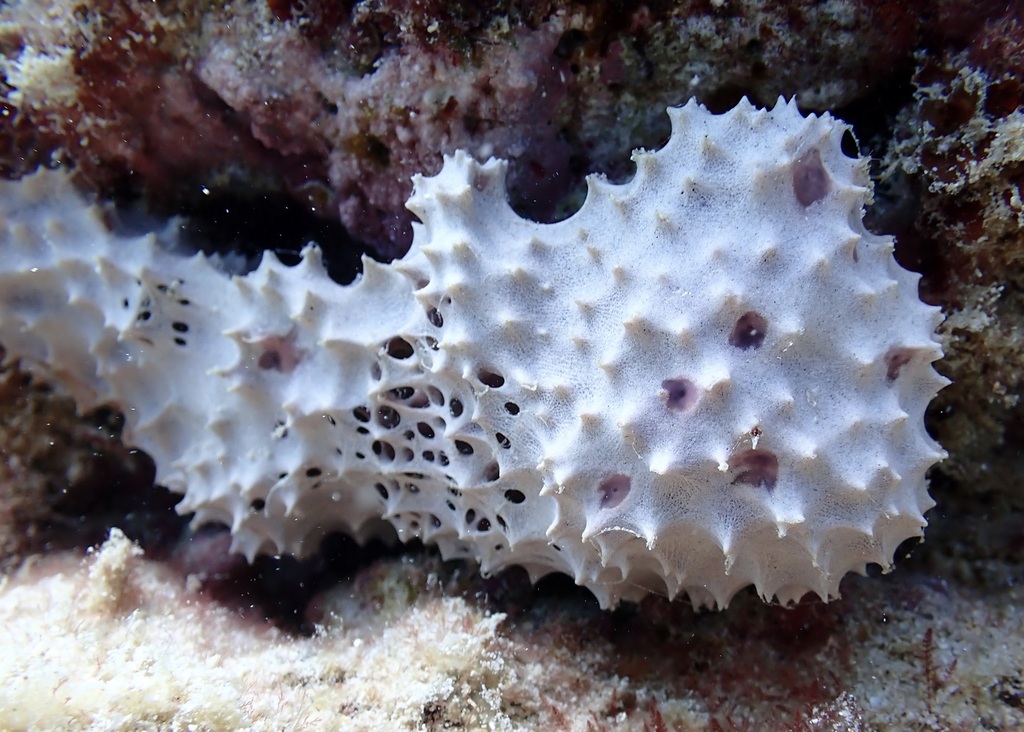
(c) Thomas Irvine, some rights reserved (CC BY) · CC BY · iNaturalist 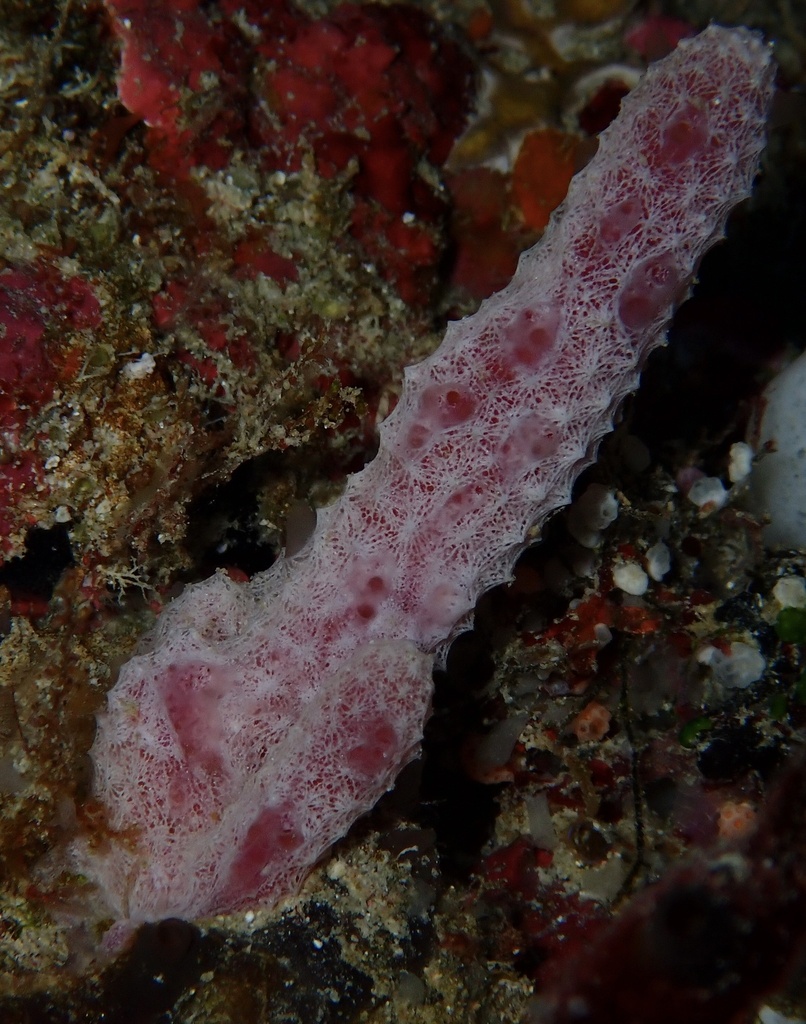
no rights reserved · CC0 1.0 · iNaturalist 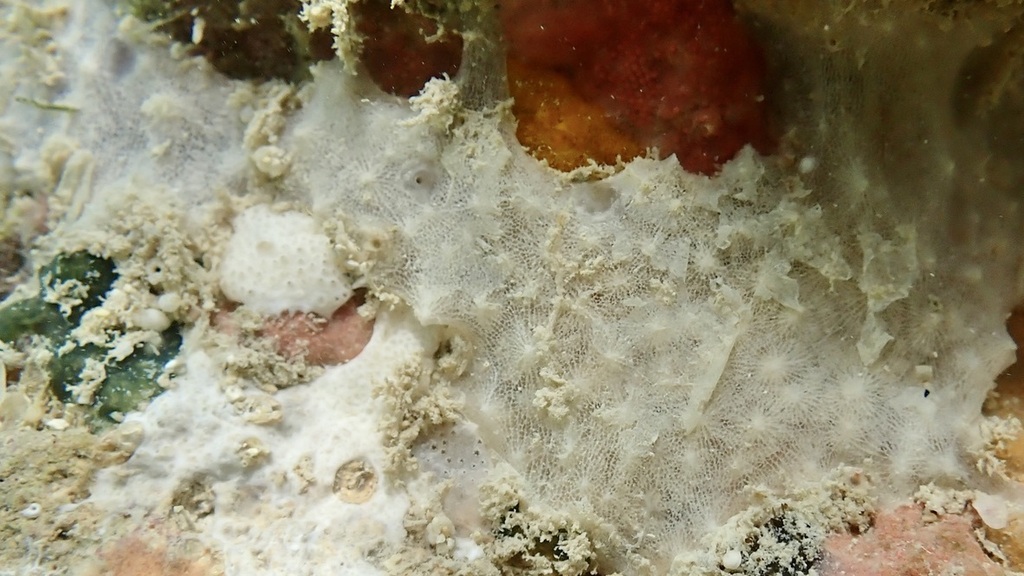
(c) Thomas Irvine, some rights reserved (CC BY) · CC BY · iNaturalist 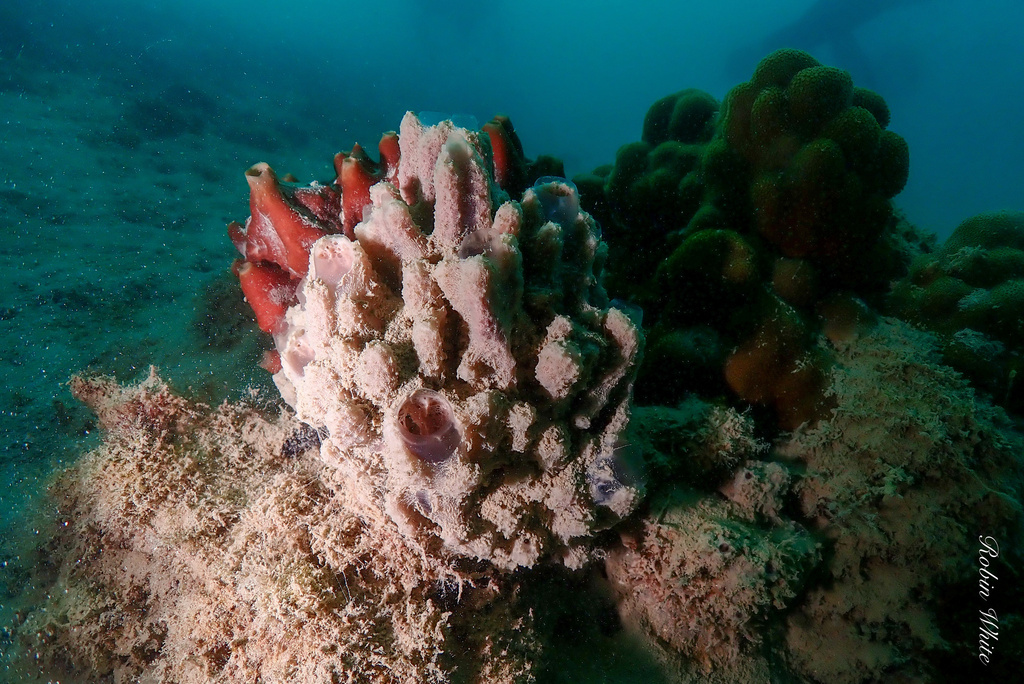
(c) Robin White, some rights reserved (CC BY) · CC BY · iNaturalist 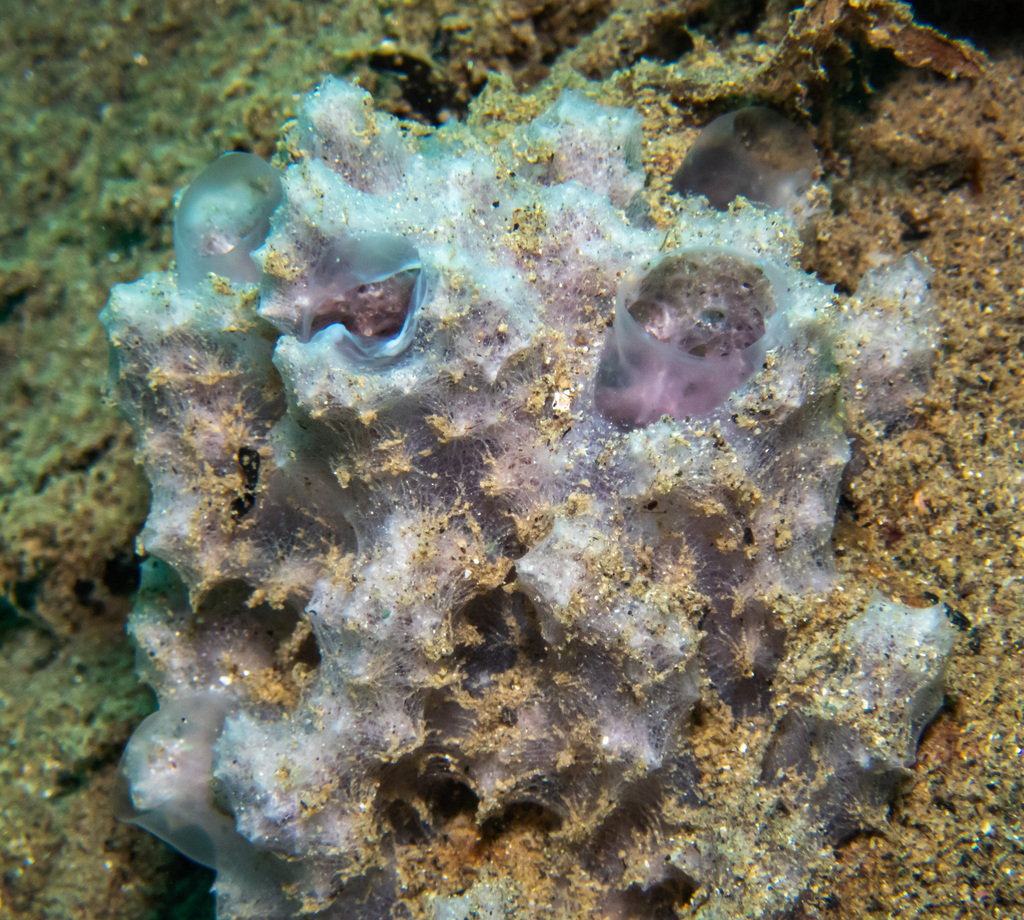
(c) portioid, some rights reserved (CC BY) · CC BY · iNaturalist
Names and classification
- English
- Crater sponge, crater sponge
Names in 1 more languages
- German
- Kraterschwamm
Similar species
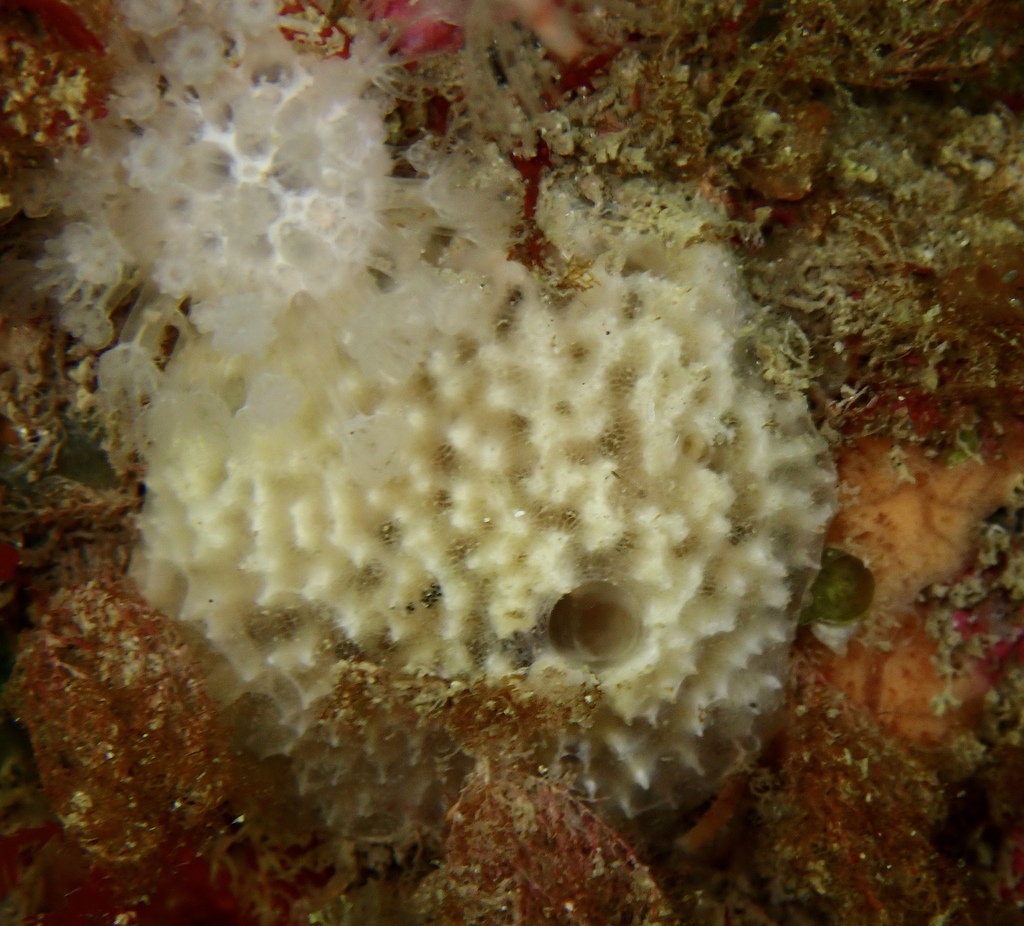 Brittle horny sponge
Dysidea fragilis
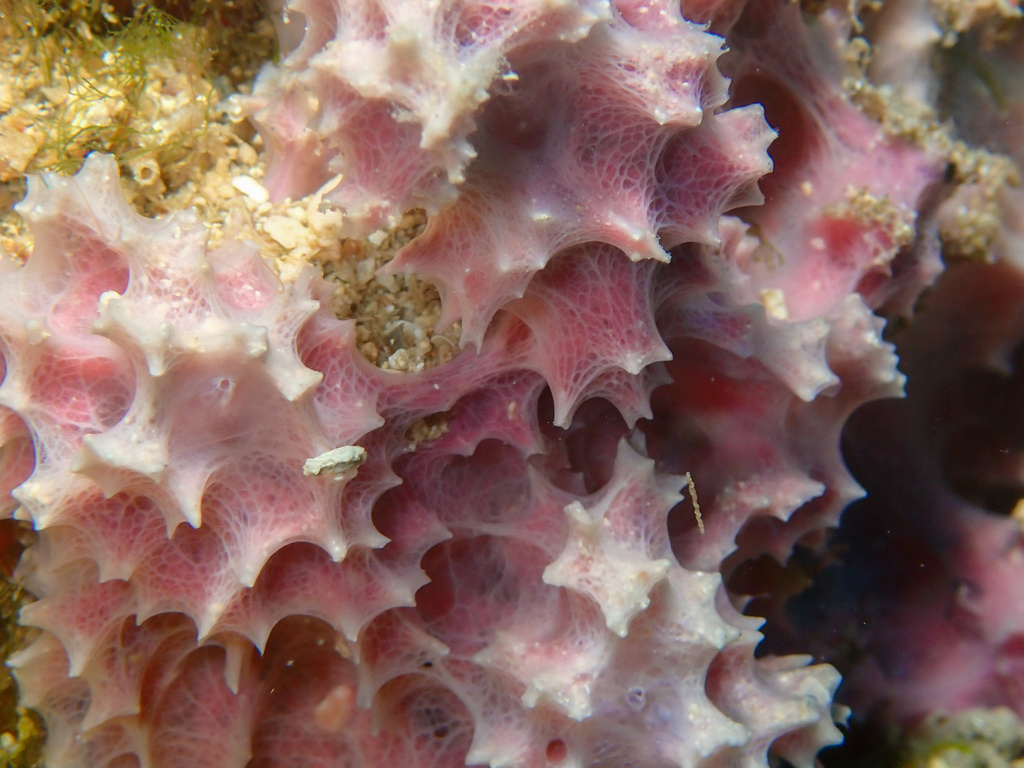 Pink sponge
Dysidea avara
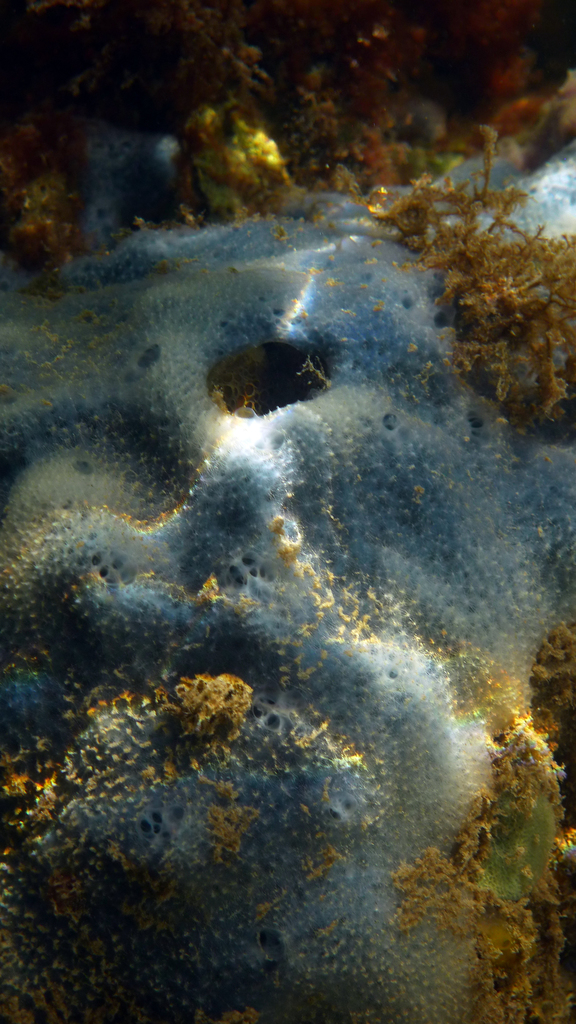 Heavenly Sponge
Dysidea etheria
Sources and credits
Names and taxonomy: WoRMS (CC BY 4.0) and the GBIF Backbone (CC BY 4.0). Photos: iNaturalist observers, each under the licence shown (CC0, CC BY or CC BY-SA).
- Depth, temperature, months and maps: records from OBIS and GBIF under CC0 or CC BY.
- Descriptions: Wikipedia, licensed CC BY-SA, each linked to its article.
- Conservation status as published by GBIF (IUCN Red List).
- 257 open-data records from 1955 to 2024.
- Species data updated November 2, 2026.
Log what you see on your next dive
The free DiveHive diver app keeps your logbook with every sighting and shows what lives at the site you dive next.