
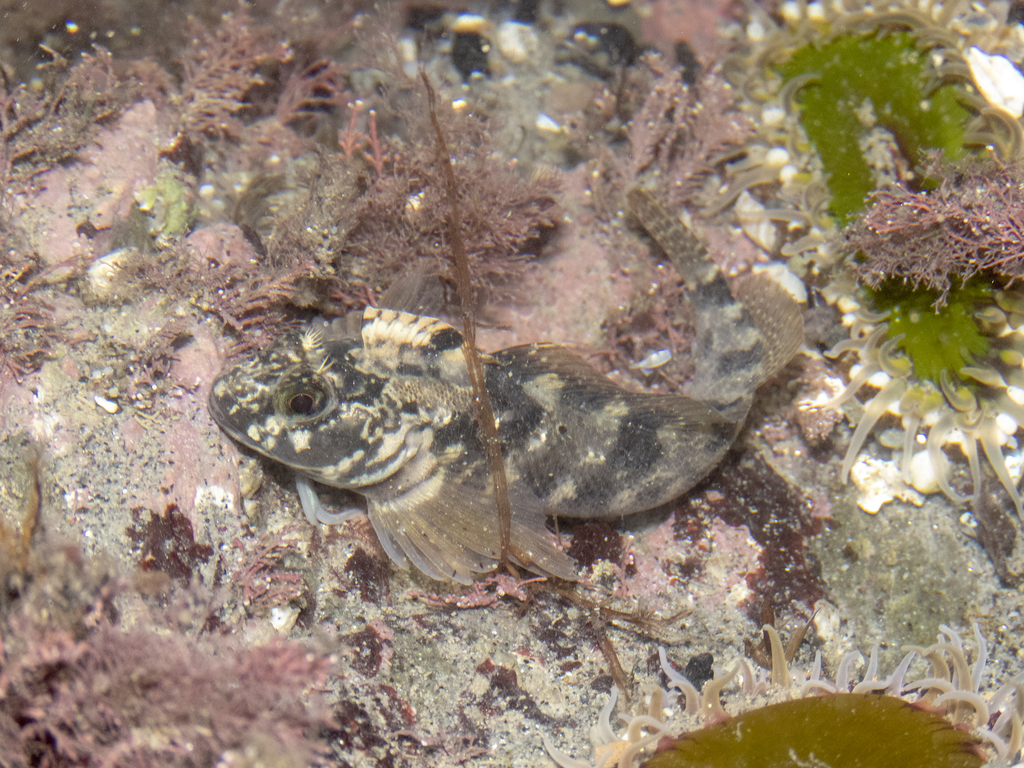
Estuarine Threefin
Forsterygion gymnotum
- Usual depth1–6 m
- Water temperature14–18 °C
- Best monthsFebruary, March, and June
- How commonRare
Photo credit: (c) Sebastian Doak, some rights reserved (CC BY), uploaded by Sebastian Doak · CC BY · iNaturalist
About this species
Forsterygion gymnotum, commonly known as the robust triplefin, Tasmanian robust triplefin, bare-backed triplefin, multifid-tentacled robust triplefin, and the estuarine threefin in Australia is a type of triplefin fish belonging to the genus Forsterygion. It is one of twenty-seven triplefin species native to New Zealand but was first described in Tasmania in 1977 by Eric Oswald Scott.
Text from the Wikipedia article “Tasmanian robust triplefin”, licensed CC BY-SA 4.0. Read the article
Where and when
Where it has been recorded
Worldwide
Loading the map
Best months
Worldwide (open data)
- January: 7 records
- February: 16 records
- March: 17 records
- April: 14 records
- May: 12 records
- June: 16 records
- July: 4 records
- August: 13 records
- September: 8 records
- October: 7 records
- November: 10 records
- December: 7 records
Depth and water temperature
Depth
Mostly recorded at 1–6 m · Deepest record: 14.5 m
Water temperature
Recorded in surface water of 14–18 °C
Photos
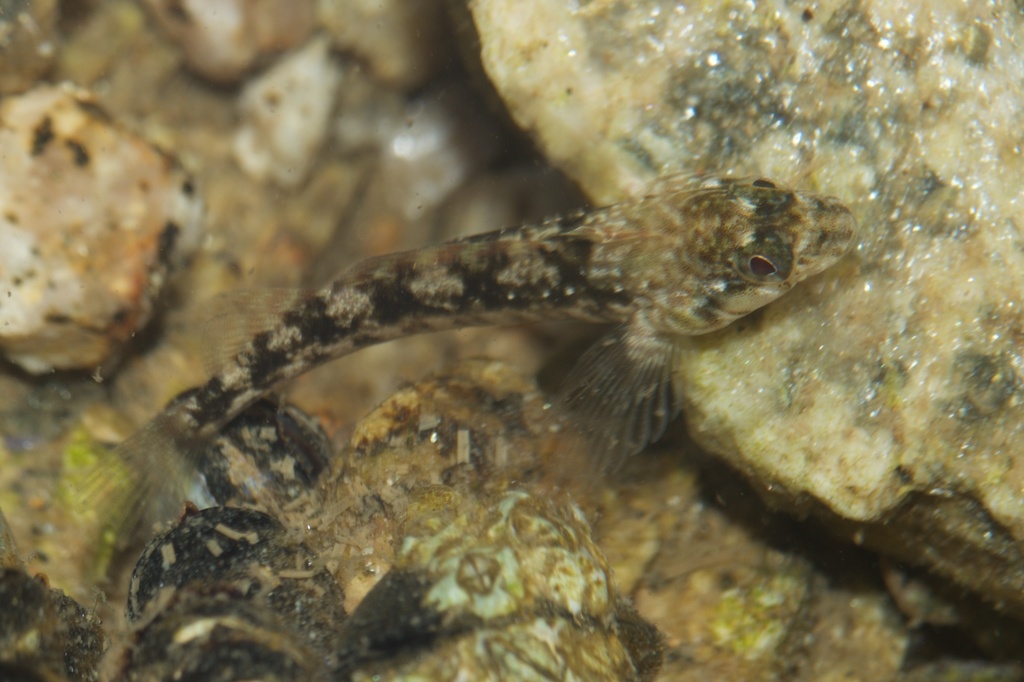
(c) Jon Sullivan, some rights reserved (CC BY) · CC BY · iNaturalist 
(c) Kelvin Perrie, some rights reserved (CC BY) · CC BY · iNaturalist 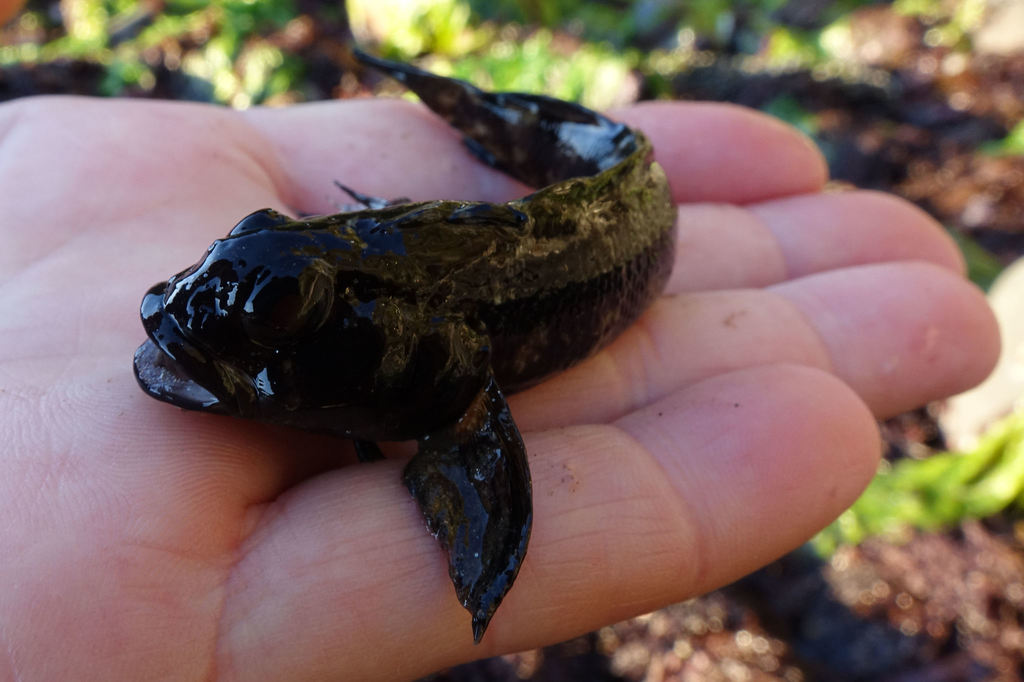
(c) John Barkla, some rights reserved (CC BY) · CC BY · iNaturalist 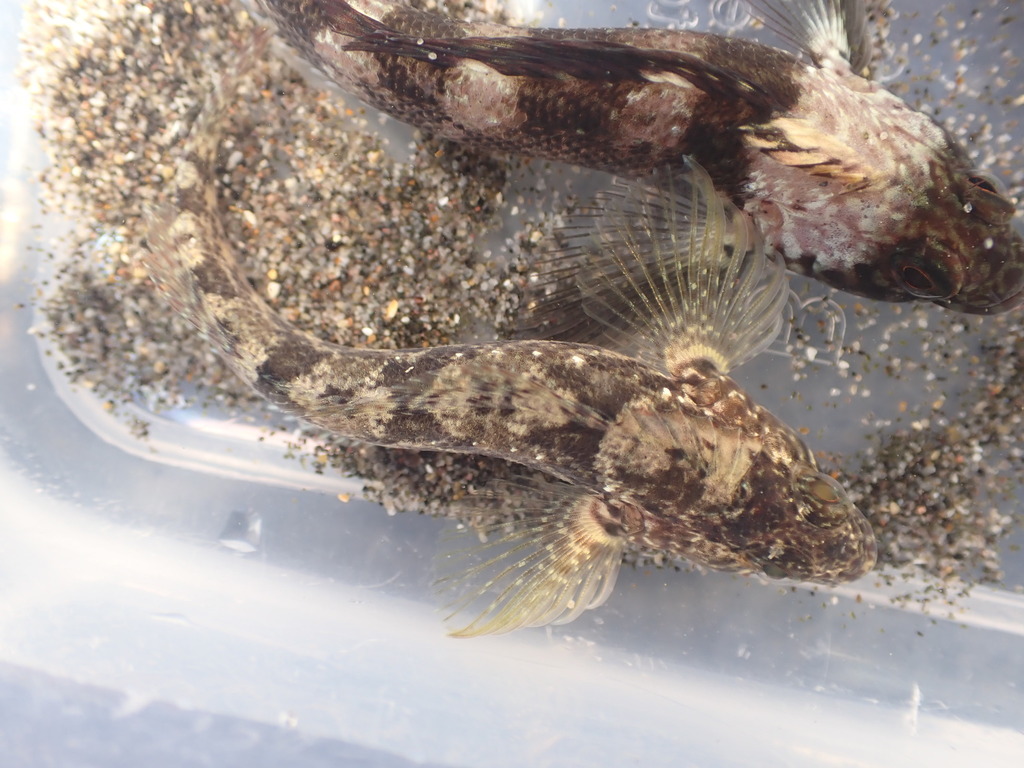
(c) Kelvin Perrie, some rights reserved (CC BY) · CC BY · iNaturalist 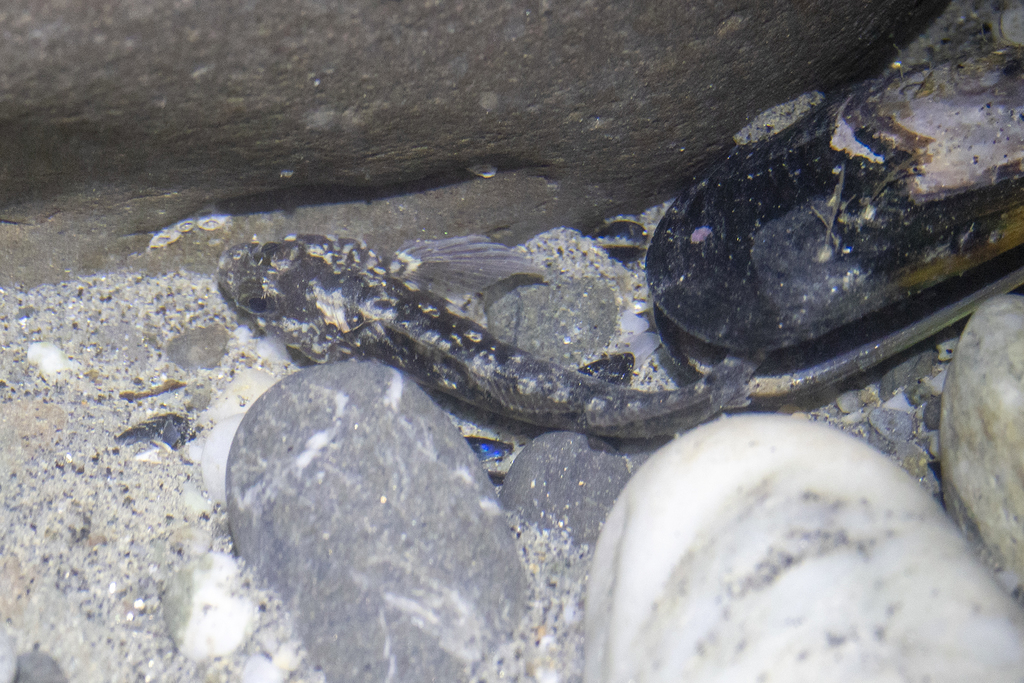
(c) Sebastian Doak, some rights reserved (CC BY) · CC BY · iNaturalist 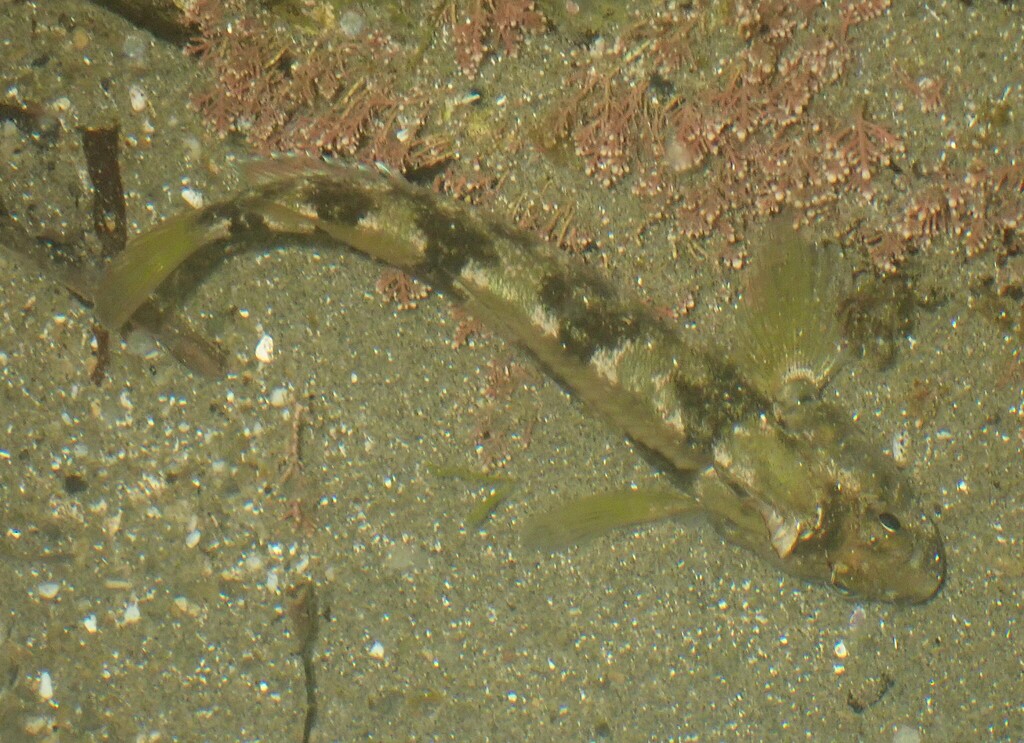
(c) henry_id, some rights reserved (CC BY) · CC BY · iNaturalist 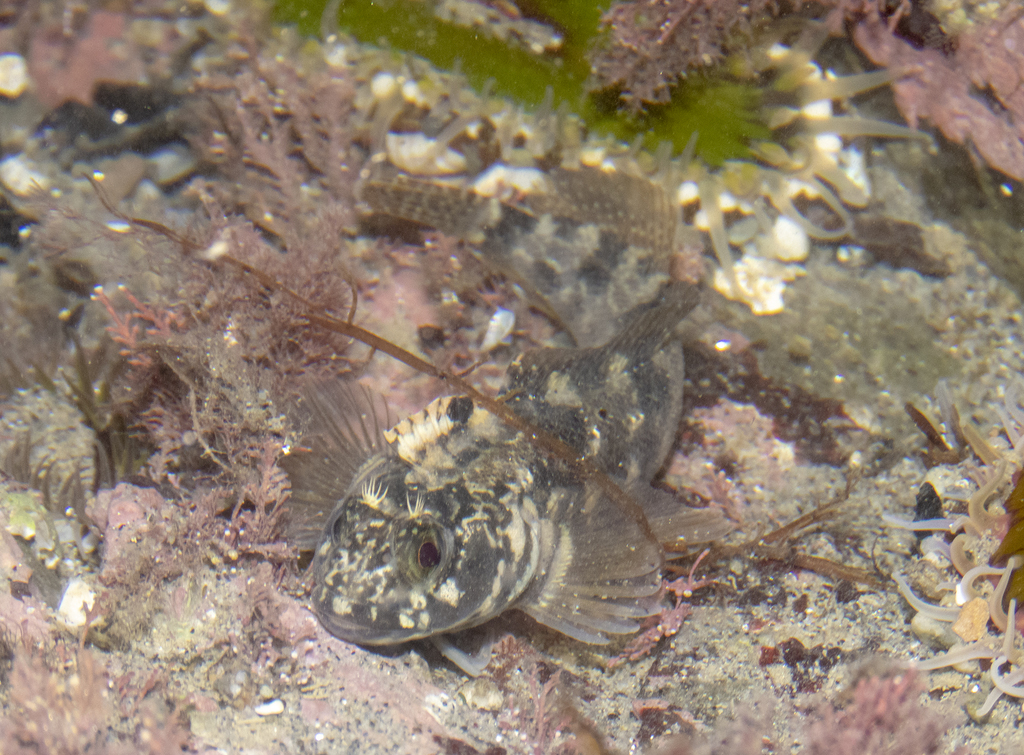
(c) Sebastian Doak, some rights reserved (CC BY) · CC BY · iNaturalist
Names and classification
- English
- Estuarine Threefin, Mimic Robust Triplefin, Multifid-tentacled Robust Triplefin, Robust Triplefin
Other scientific names: Forsterygion gymnota, Grahamina gymnota, Grahamina signata
Similar species
 Common Threefin
Forsterygion lapillum
 Banded triplefin
Forsterygion malcolmi
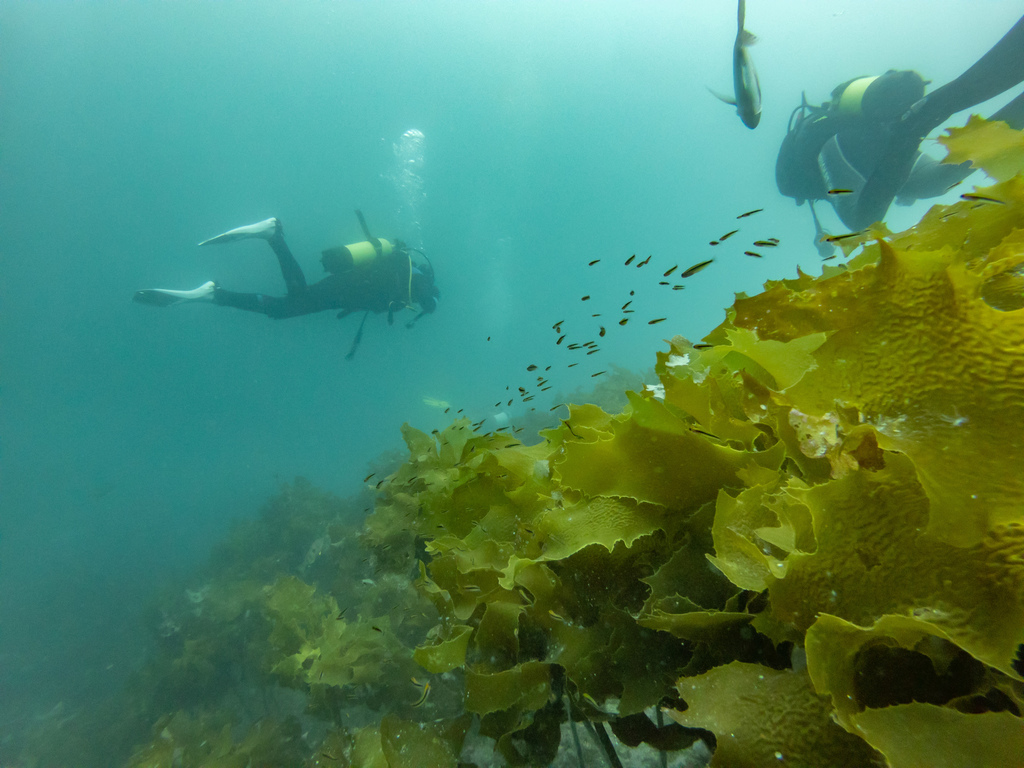 Oblique-swimming Triplefin
Forsterygion maryannae
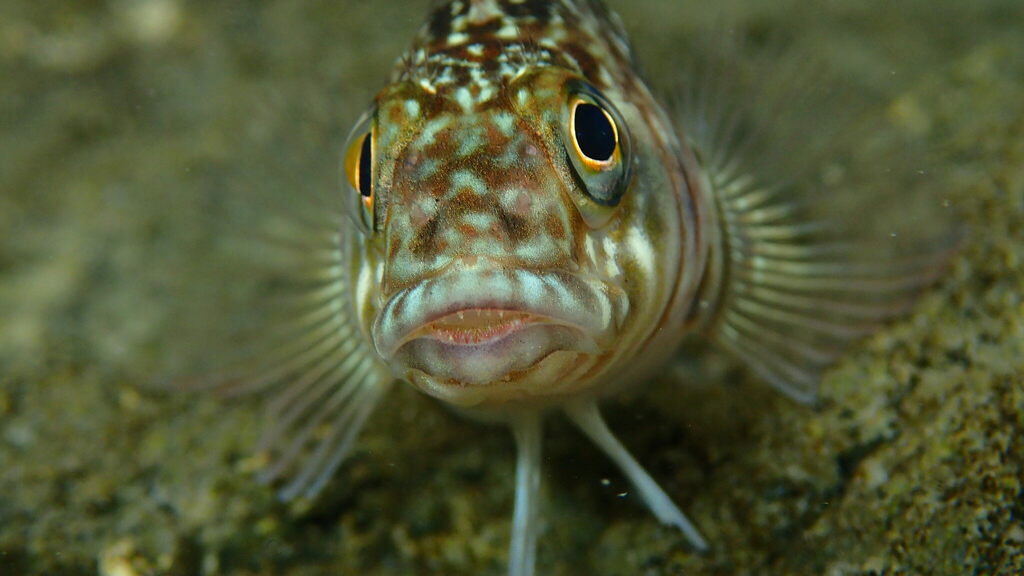 Many-rayed Threefin
Forsterygion varium
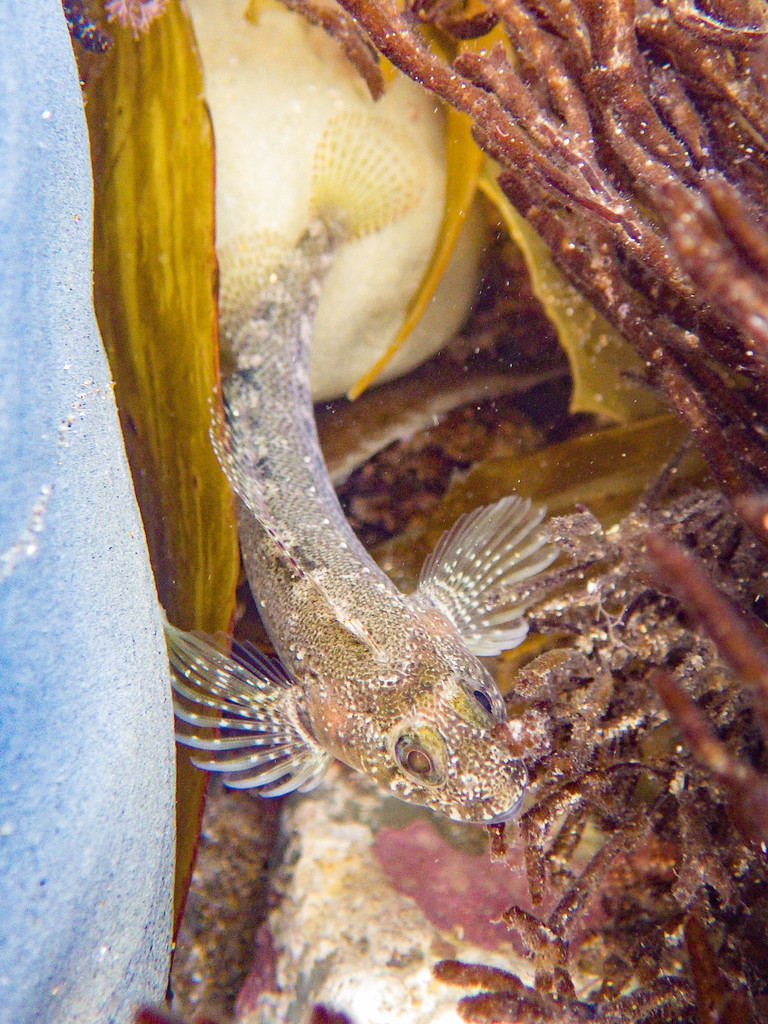 Mottled triplefin
Forsterygion capito
 Yellow-and-black Triplefin
Forsterygion flavonigrum
Sources and credits
Names and taxonomy: WoRMS (CC BY 4.0) and the GBIF Backbone (CC BY 4.0). Photos: iNaturalist observers, each under the licence shown (CC0, CC BY or CC BY-SA).
- Depth, temperature, months and maps: records from OBIS and GBIF under CC0 or CC BY.
- Descriptions: Wikipedia, licensed CC BY-SA, each linked to its article.
- Conservation status as published by GBIF (IUCN Red List).
- 125 open-data records from 1950 to 2020.
- Species data updated November 2, 2026.
Log what you see on your next dive
The free DiveHive diver app keeps your logbook with every sighting and shows what lives at the site you dive next.