

Common Threefin
Forsterygion lapillum
- Usual depth4–26 m
- Water temperature12–18 °C
- Best monthsJanuary, November, and December
- How commonOccasional
Photo credit: (c) Tony Wills, some rights reserved (CC BY-SA), uploaded by Tony Wills · CC BY-SA · iNaturalist
About this species
The common triplefin is a small blennioid fish of the family Tripterygiidae. It is one of 26 endemic species of triplefin found in New Zealand across 14 genera. This species is very common in the temperate coastal and intertidal waters of New Zealand where it often lives in cobble habitats, but has been found as deep as 30 m. It has a maximum body length of around 70 mm and lives for up to three years.
Text from the Wikipedia article “Common triplefin”, licensed CC BY-SA 4.0. Read the article
Where and when
Where it has been recorded
Worldwide
Loading the map
Best months
Worldwide (open data)
- January: 354 records
- February: 215 records
- March: 186 records
- April: 211 records
- May: 143 records
- June: 59 records
- July: 53 records
- August: 56 records
- September: 74 records
- October: 159 records
- November: 235 records
- December: 269 records
Depth and water temperature
Depth
Mostly recorded at 4–26 m · Deepest record: 31.5 m
Water temperature
Recorded in surface water of 12–18 °C
Photos
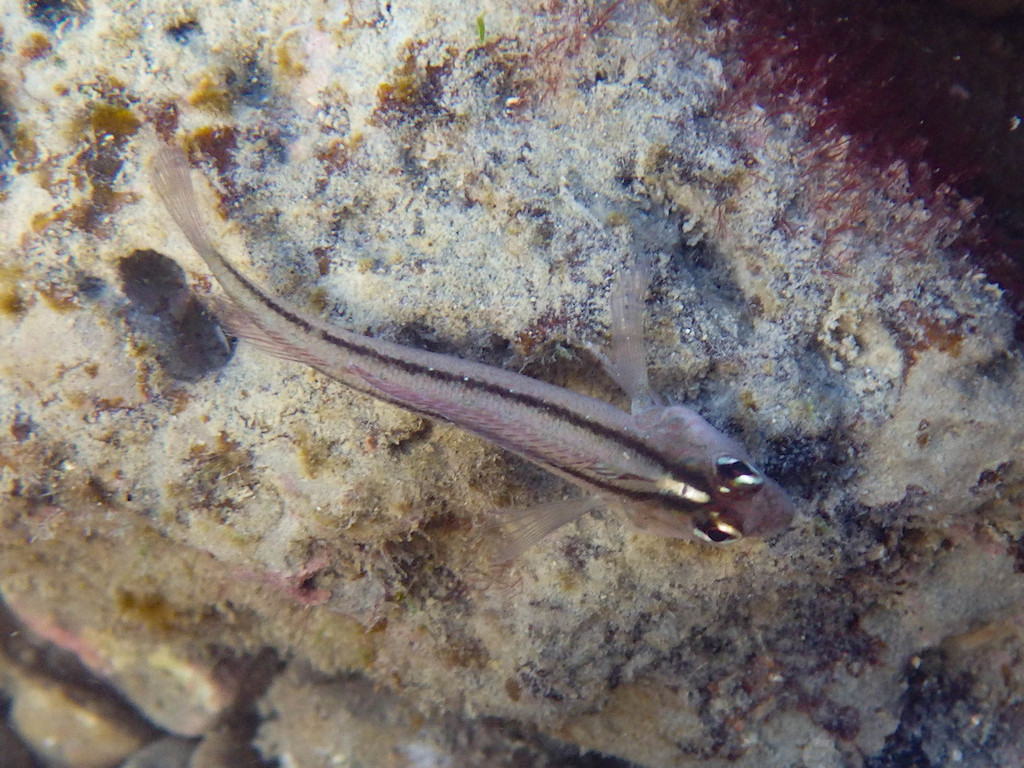
(c) M Rutherford, some rights reserved (CC BY) · CC BY · iNaturalist 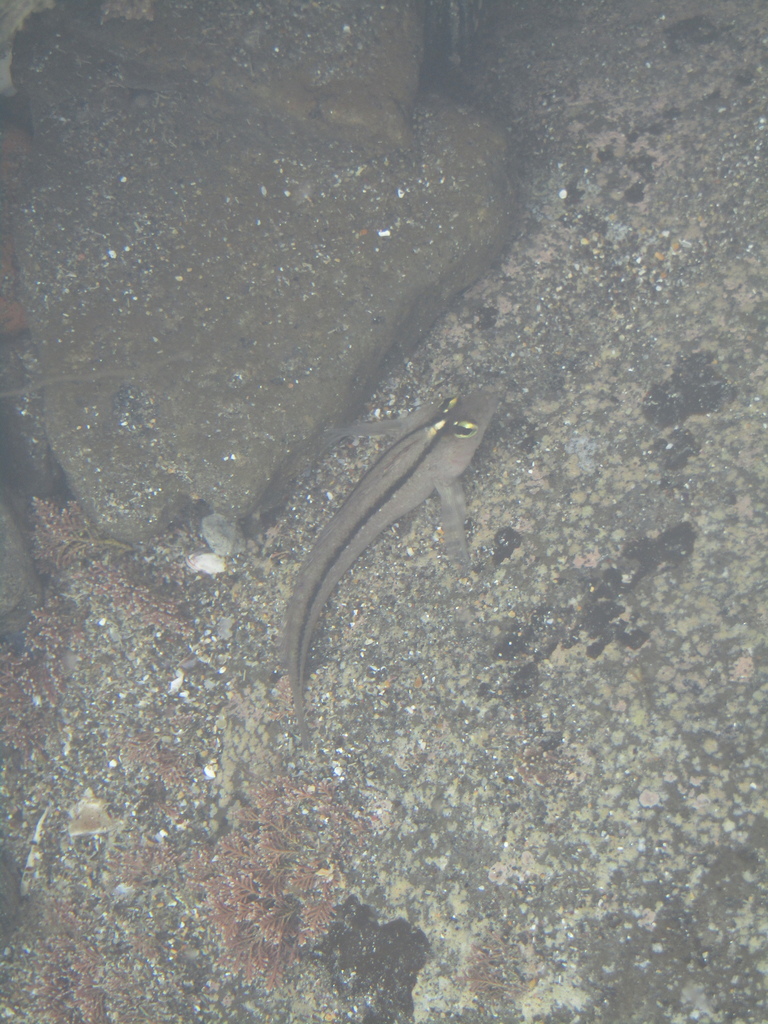
(c) Saryu Mae 前 朝琉, some rights reserved (CC BY) · CC BY · iNaturalist 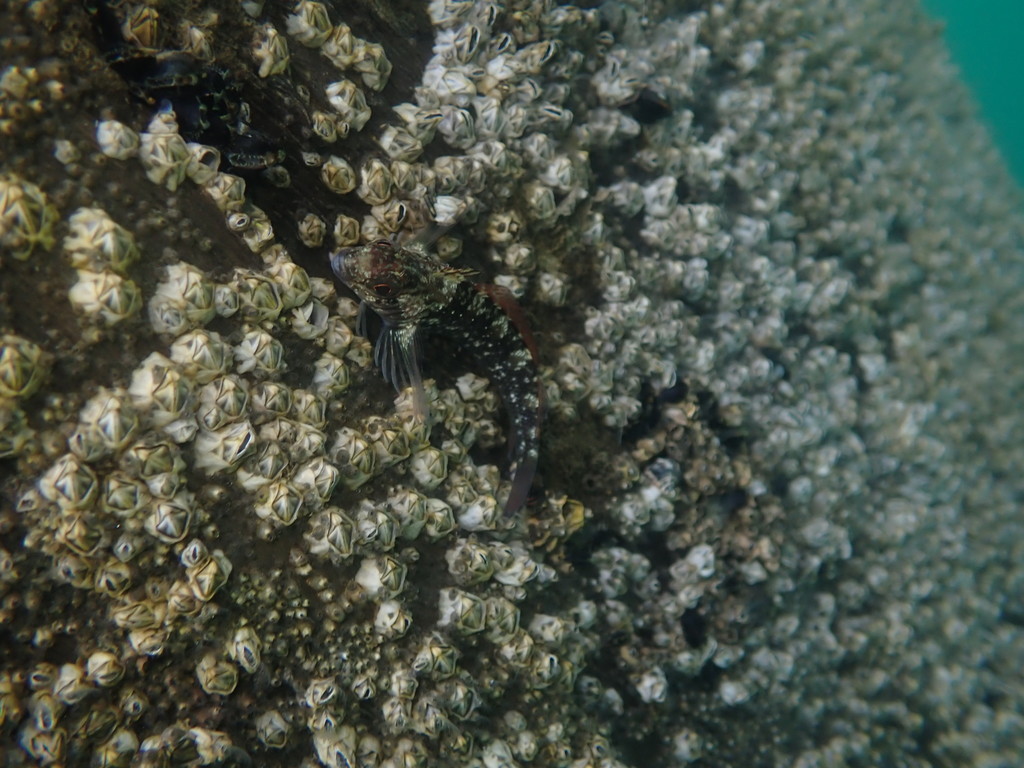
(c) Javier, some rights reserved (CC BY) · CC BY · iNaturalist 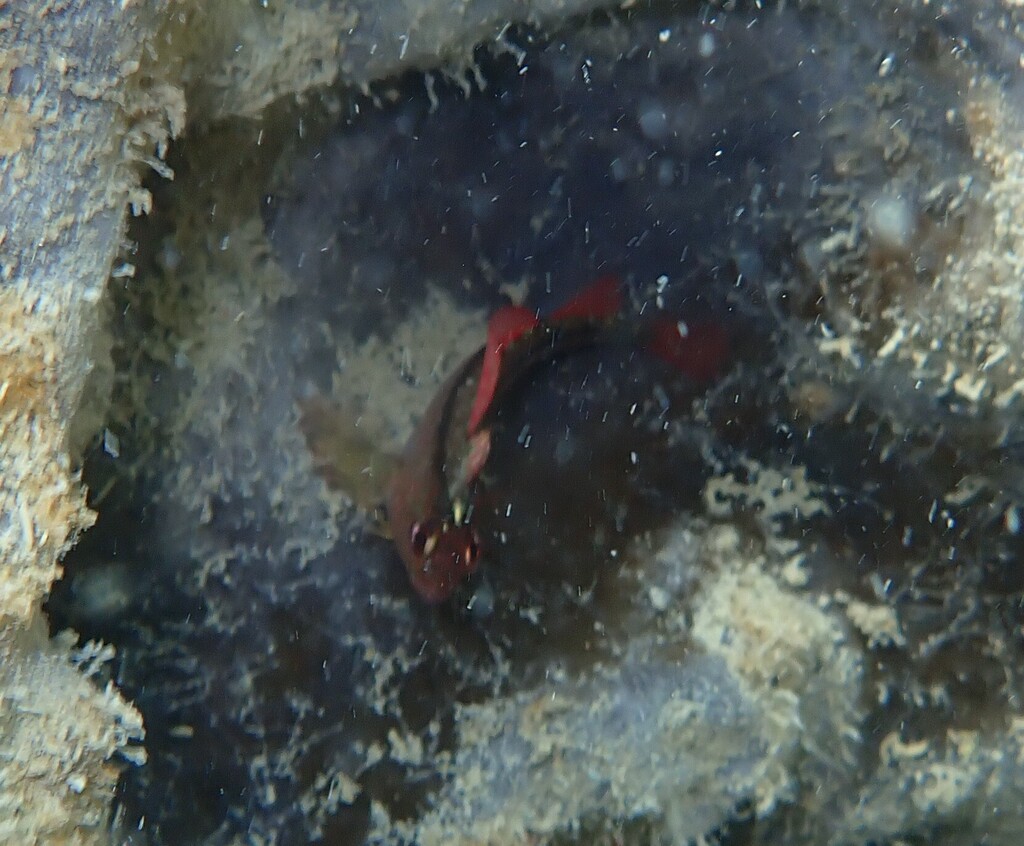
no rights reserved · CC0 1.0 · iNaturalist 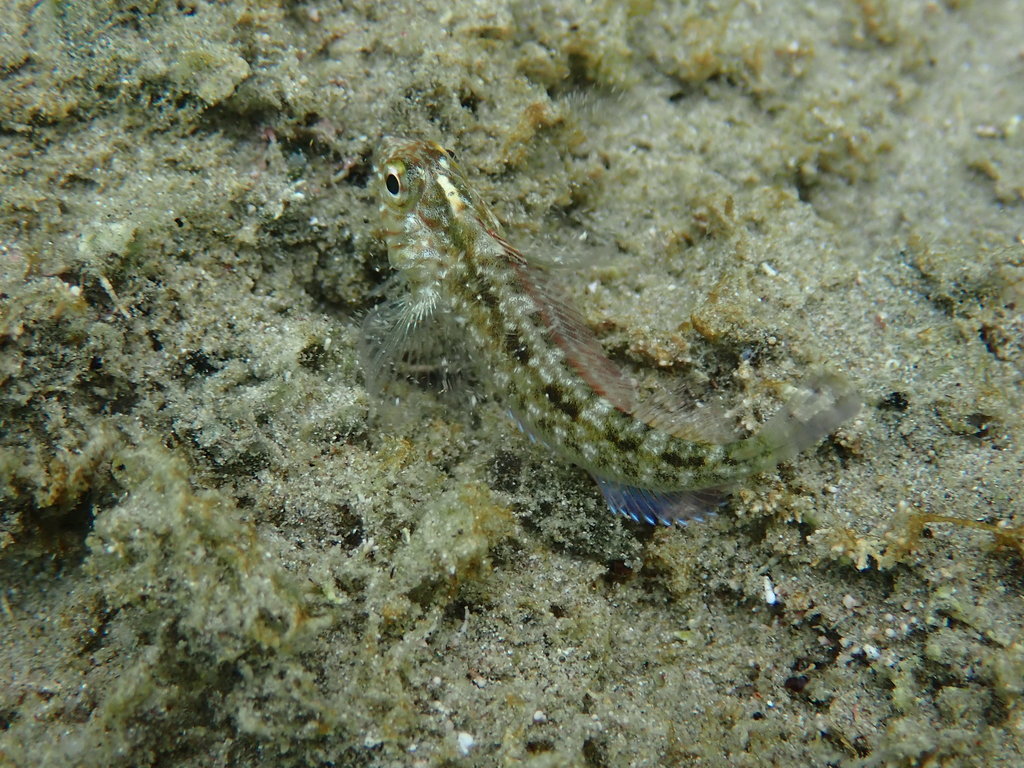
(c) Kelvin Perrie, some rights reserved (CC BY) · CC BY · iNaturalist 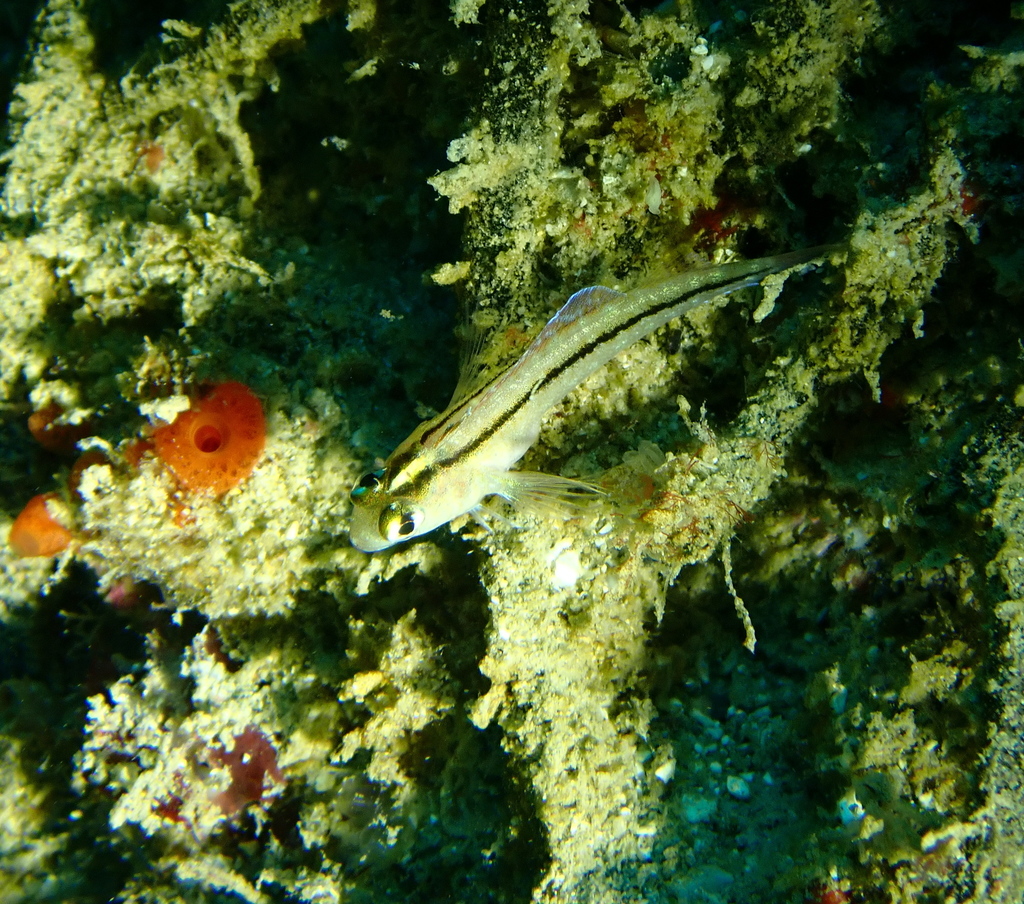
(c) Debra Baker, some rights reserved (CC BY) · CC BY · iNaturalist 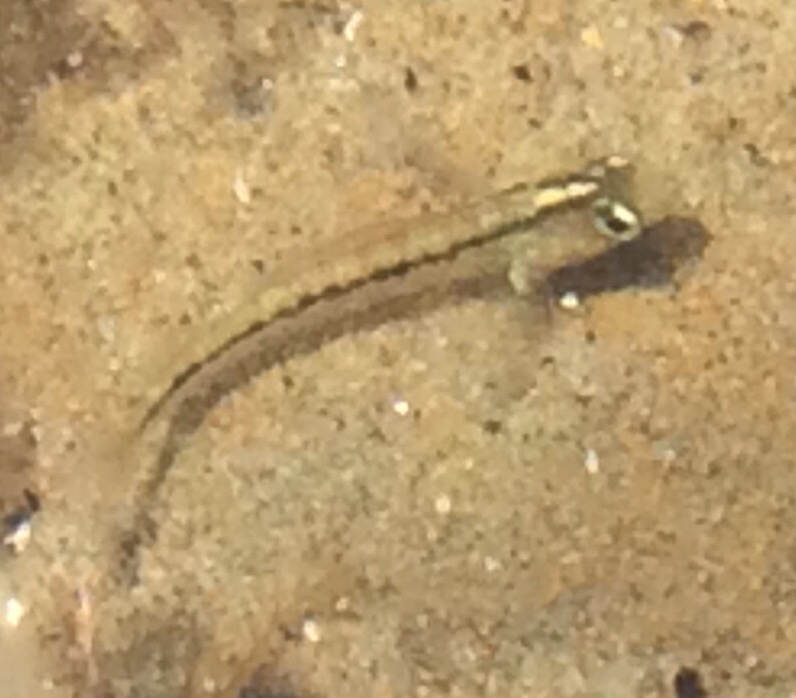
(c) leafveiled, some rights reserved (CC BY) · CC BY · iNaturalist
Names and classification
- English
- Common Threefin, Common Triplefin
Similar species
 Banded triplefin
Forsterygion malcolmi
 Oblique-swimming Triplefin
Forsterygion maryannae
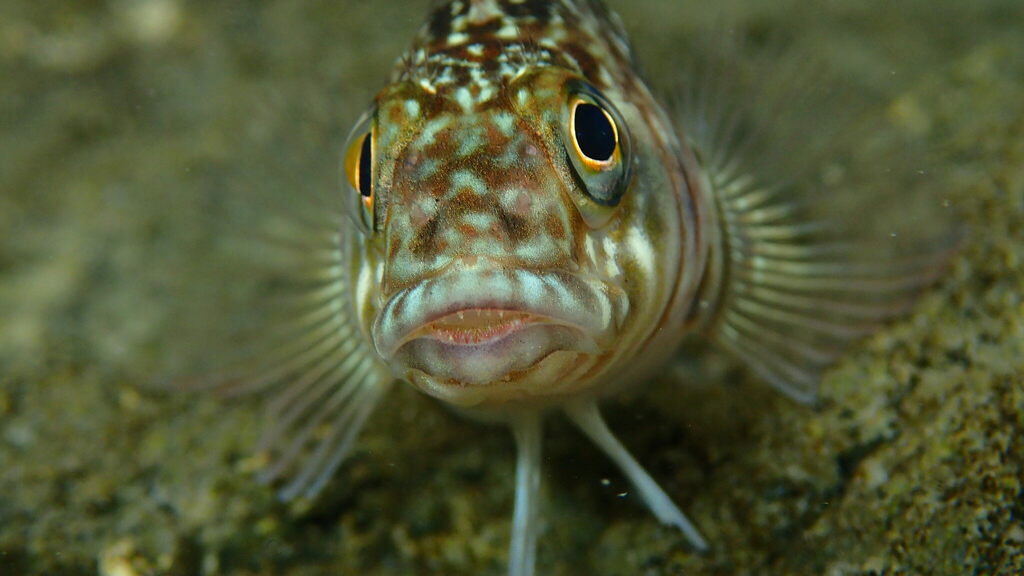 Many-rayed Threefin
Forsterygion varium
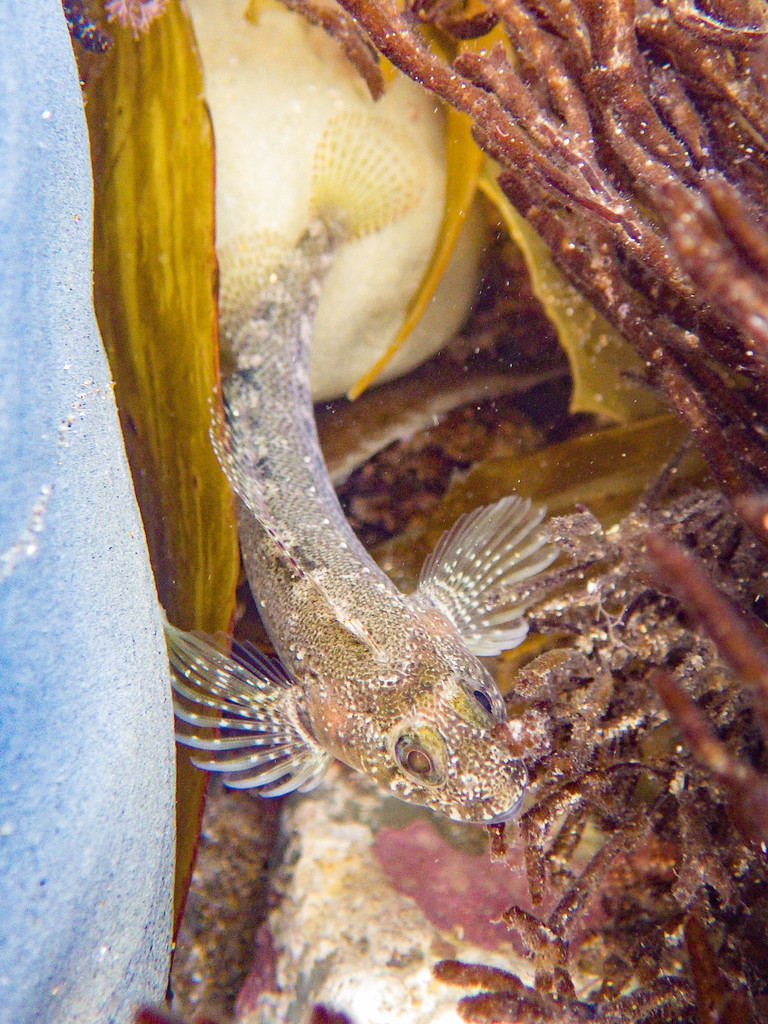 Mottled triplefin
Forsterygion capito
 Yellow-and-black Triplefin
Forsterygion flavonigrum
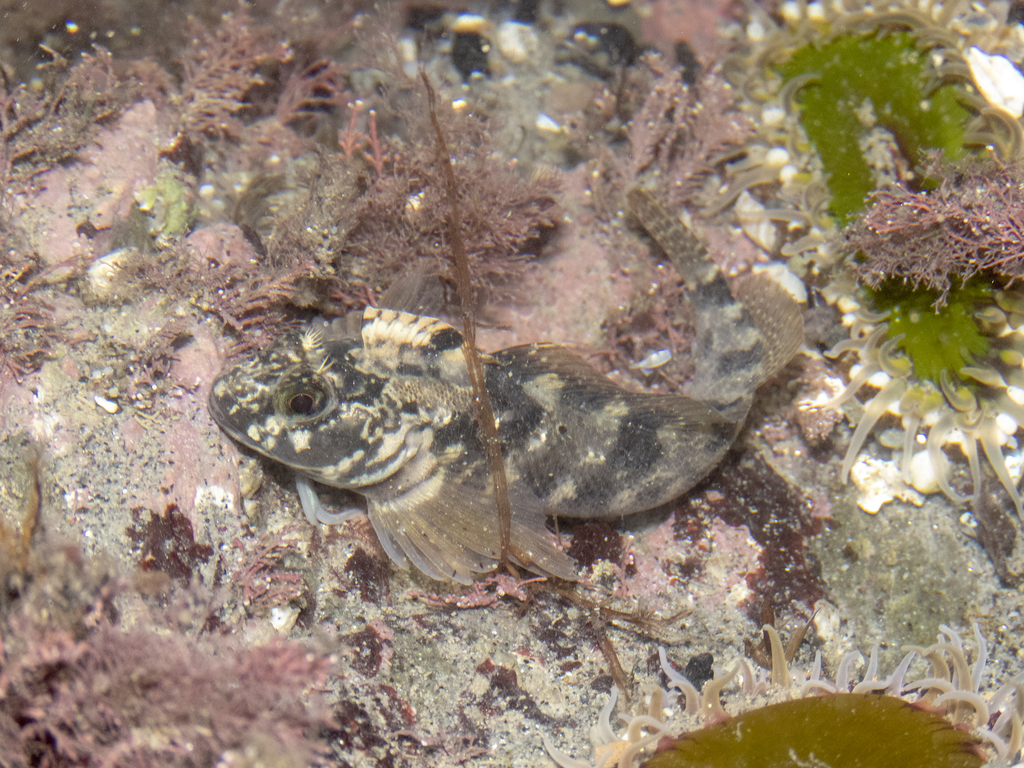 Estuarine Threefin
Forsterygion gymnotum
Sources and credits
Names and taxonomy: WoRMS (CC BY 4.0) and the GBIF Backbone (CC BY 4.0). Photos: iNaturalist observers, each under the licence shown (CC0, CC BY or CC BY-SA).
- Depth, temperature, months and maps: records from OBIS and GBIF under CC0 or CC BY.
- Descriptions: Wikipedia, licensed CC BY-SA, each linked to its article.
- Conservation status as published by GBIF (IUCN Red List).
- 781 open-data records from 1966 to 2013.
- Species data updated November 2, 2026.
Log what you see on your next dive
The free DiveHive diver app keeps your logbook with every sighting and shows what lives at the site you dive next.