
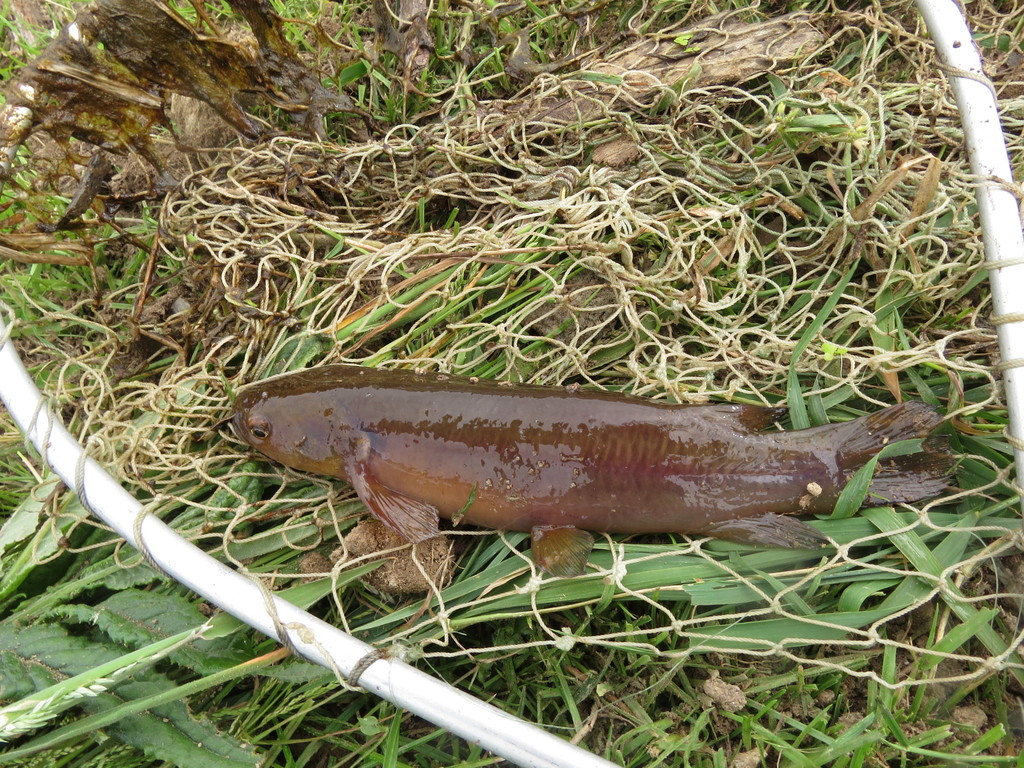
Banded kokopu
Galaxias fasciatus
- Water temperature6–17 °C
- Best monthsJanuary, February, and December
- How commonOccasional
Photo credit: (c) janicelord, some rights reserved (CC BY) · CC BY · iNaturalist
About this species
The banded kōkopu is a galaxiid of the genus Galaxias, found only in New Zealand, including the Chatham and Stewart / Rakiura islands. It commonly grows to 20–25 cm, but has been recorded growing to around 30 cm. Juvenile banded kōkopu are good climbers and can climb up waterfalls and other vertical surfaces by moving into the splash zone and wriggling up the surface, using the water surface tension and their large downturned fins for grip.
Text from the Wikipedia article “Banded kōkopu”, licensed CC BY-SA 4.0. Read the article
Where and when
Where it has been recorded
Worldwide
Loading the map
Best months
Worldwide (open data)
- January: 120 records
- February: 118 records
- March: 107 records
- April: 114 records
- May: 66 records
- June: 46 records
- July: 47 records
- August: 30 records
- September: 62 records
- October: 76 records
- November: 83 records
- December: 120 records
Depth and water temperature
Water temperature
Recorded in surface water of 6–17 °C
Photos
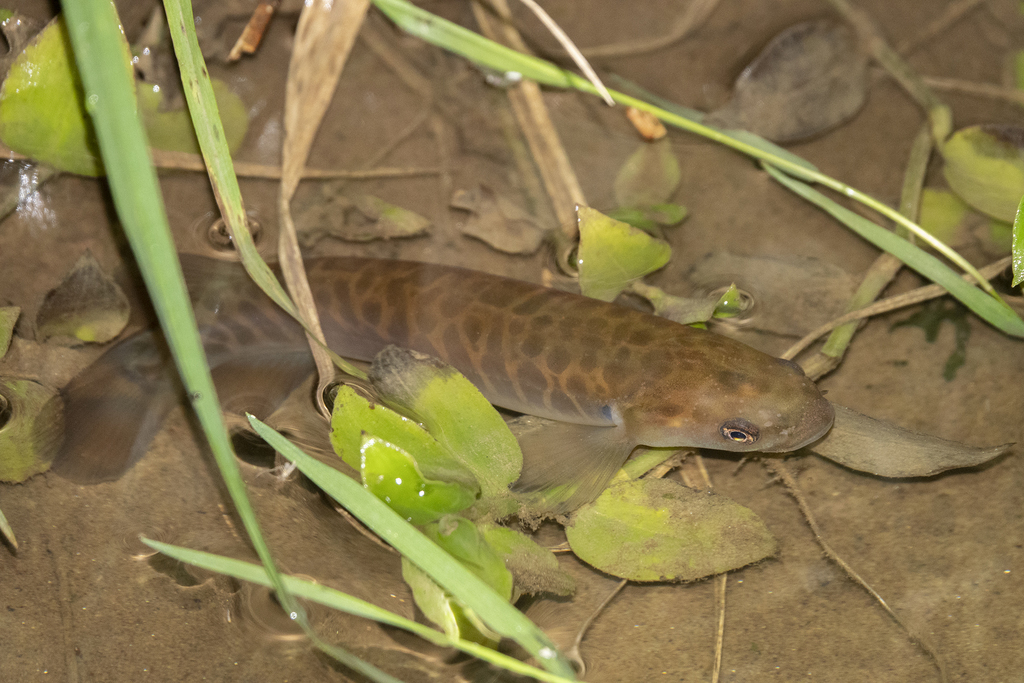
(c) Sebastian Doak, some rights reserved (CC BY) · CC BY · iNaturalist 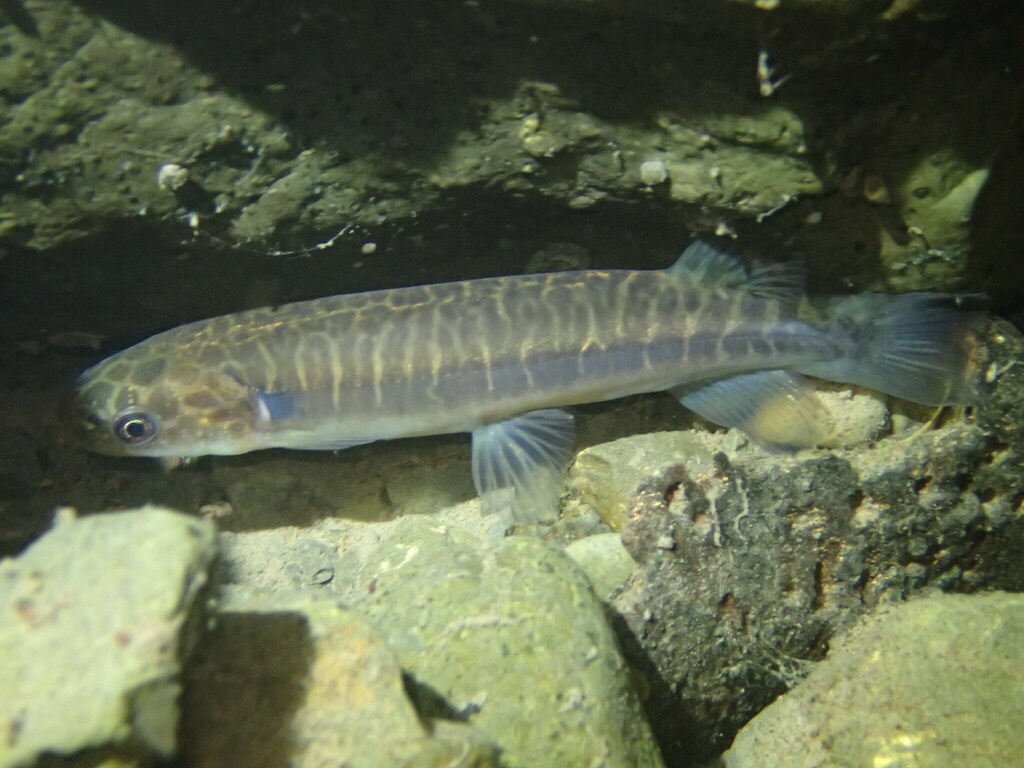
(c) Oscar Dove, some rights reserved (CC BY) · CC BY · iNaturalist 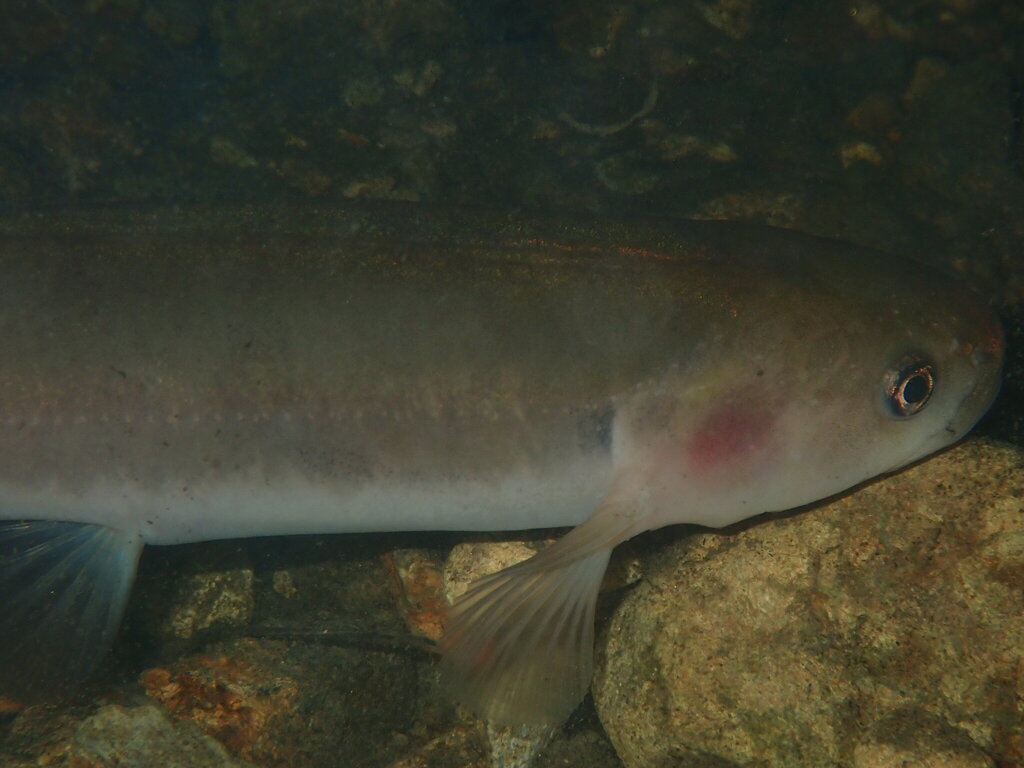
(c) Shaun, some rights reserved (CC BY) · CC BY · iNaturalist 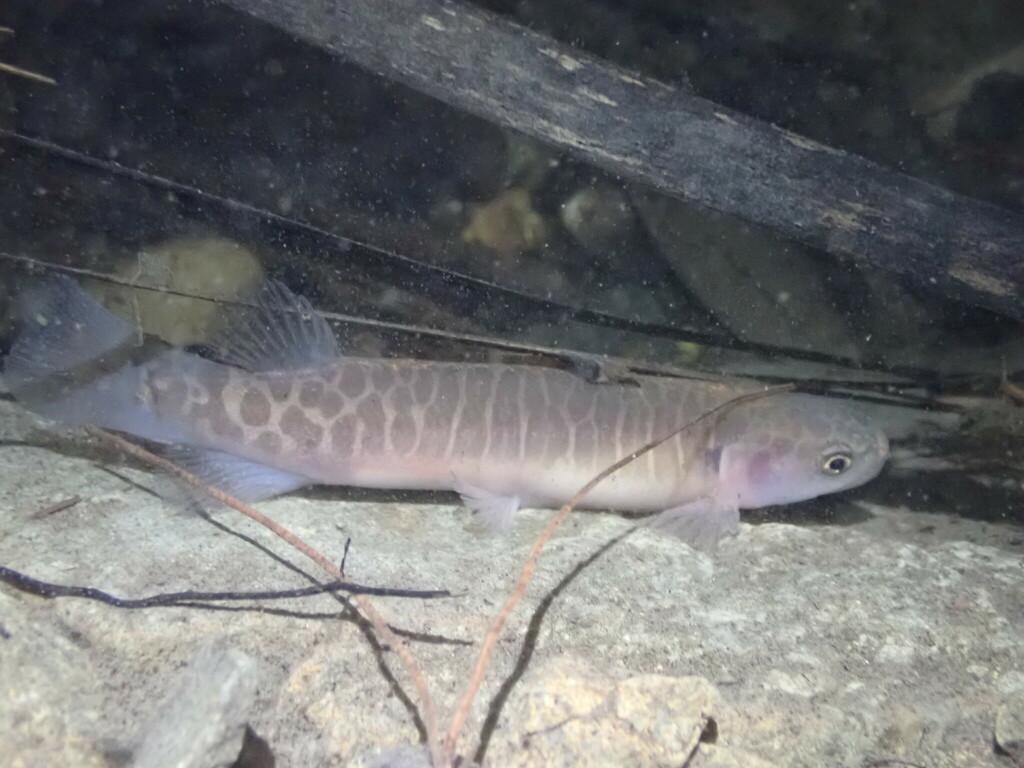
(c) Leon Perrie, some rights reserved (CC BY) · CC BY · iNaturalist 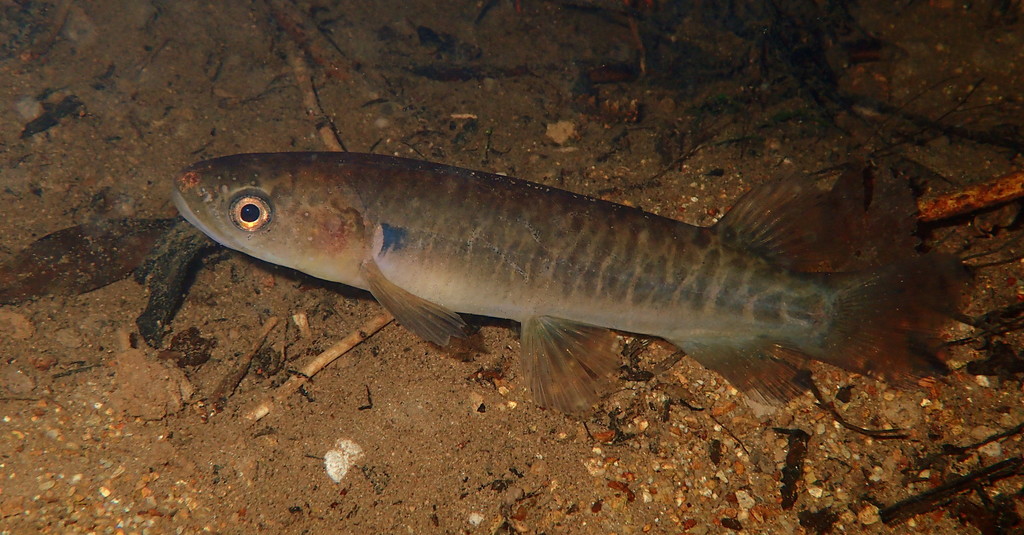
(c) William Harland, some rights reserved (CC BY) · CC BY · iNaturalist 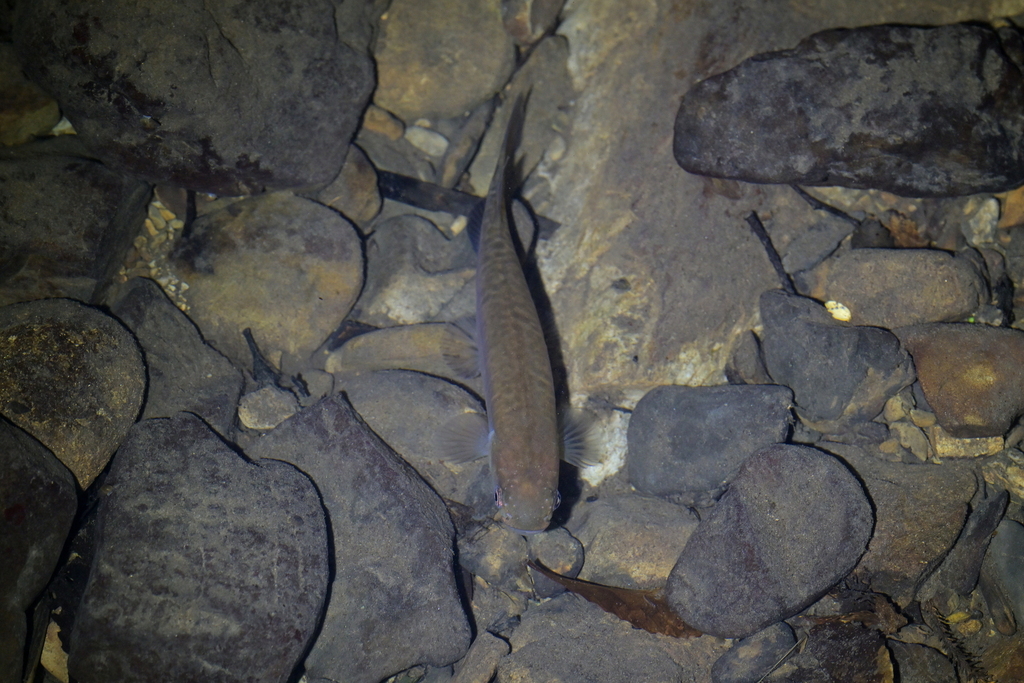
(c) Christopher Stephens, some rights reserved (CC BY-SA) · CC BY-SA · iNaturalist 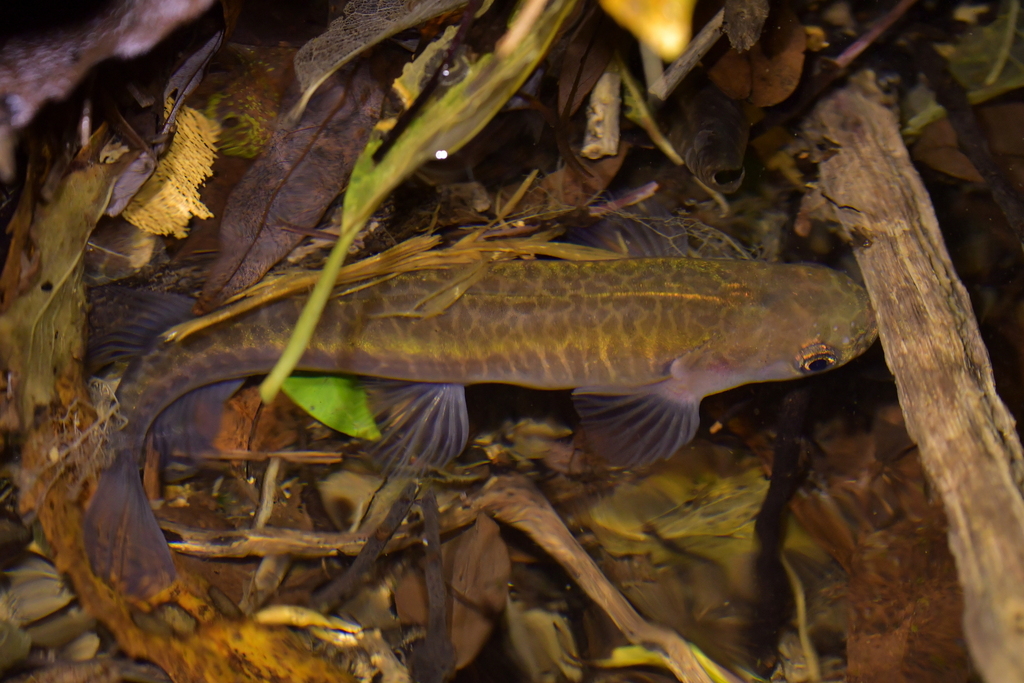
(c) Christopher Stephens, some rights reserved (CC BY-SA) · CC BY-SA · iNaturalist
Names and classification
- English
- Banded kokopu, banded kōkopu
Other scientific names: Galaxias brocchus, Galaxias reticulatus
Similar species
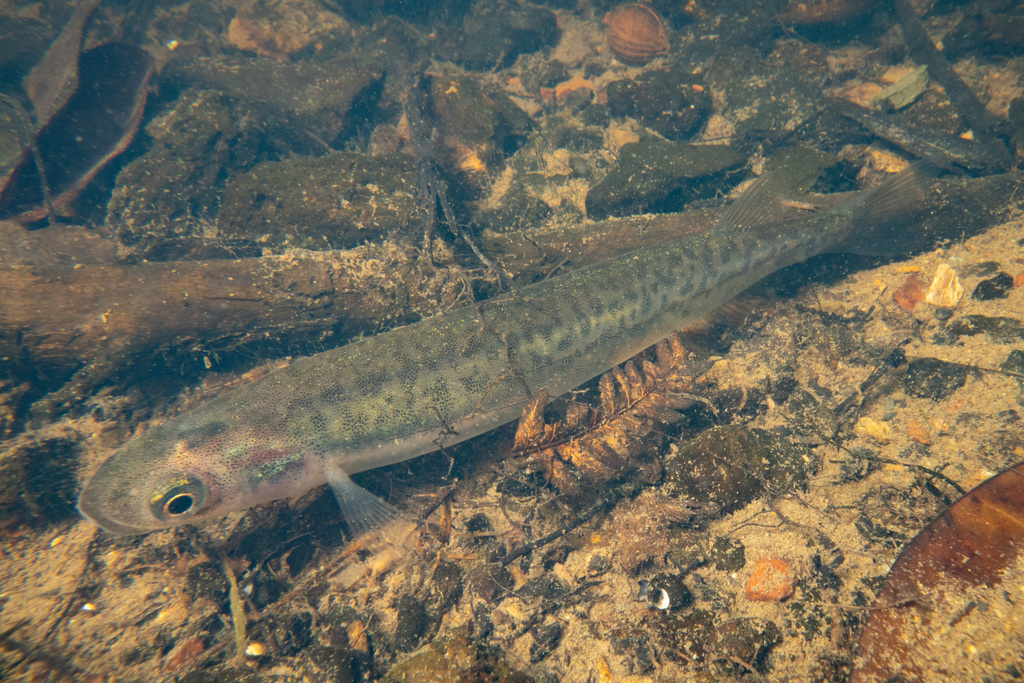 Common Galaxias
Galaxias maculatus
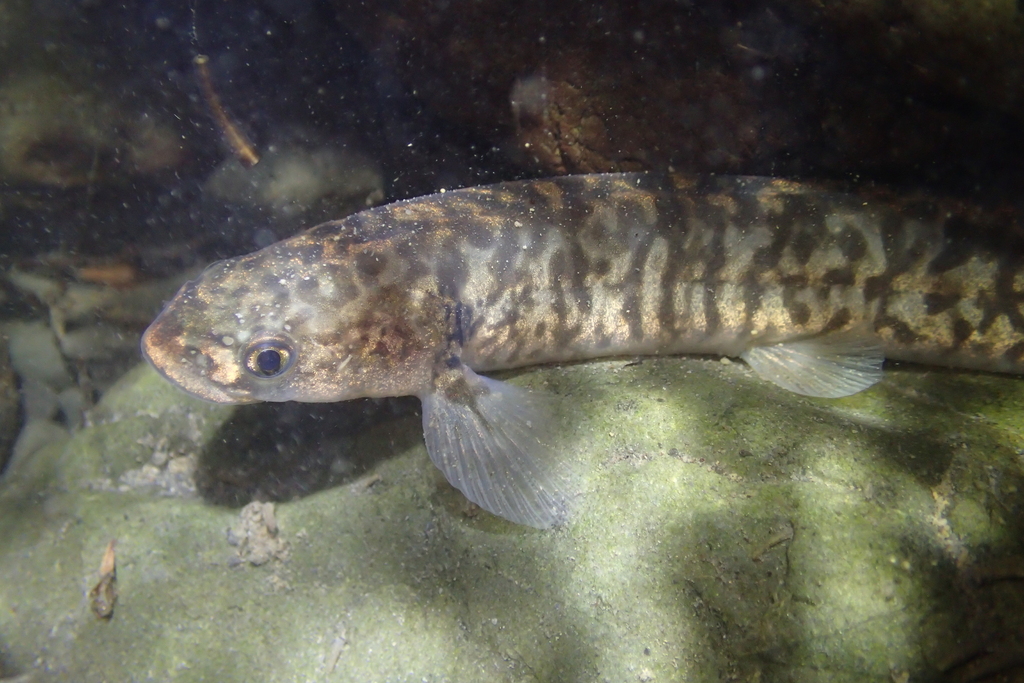 Broad-finned Galaxias
Galaxias brevipinnis
 Native Trout
Galaxias truttaceus
 Giant kokopu
Galaxias argenteus
Sources and credits
Names and taxonomy: WoRMS (CC BY 4.0) and the GBIF Backbone (CC BY 4.0). Photos: iNaturalist observers, each under the licence shown (CC0, CC BY or CC BY-SA).
- Depth, temperature, months and maps: records from OBIS and GBIF under CC0 or CC BY.
- Descriptions: Wikipedia, licensed CC BY-SA, each linked to its article.
- Conservation status as published by GBIF (IUCN Red List).
- 281 open-data records from 1927 to 1965.
- Species data updated November 2, 2026.
Log what you see on your next dive
The free DiveHive diver app keeps your logbook with every sighting and shows what lives at the site you dive next.