

Native Trout
Galaxias truttaceus
- Usual depth0–1 m
- Water temperature10–20 °C
- Best monthsJanuary, November, and December
- How commonOccasional
Photo credit: (c) Codman, some rights reserved (CC BY-SA) · CC BY-SA · iNaturalist
About this species
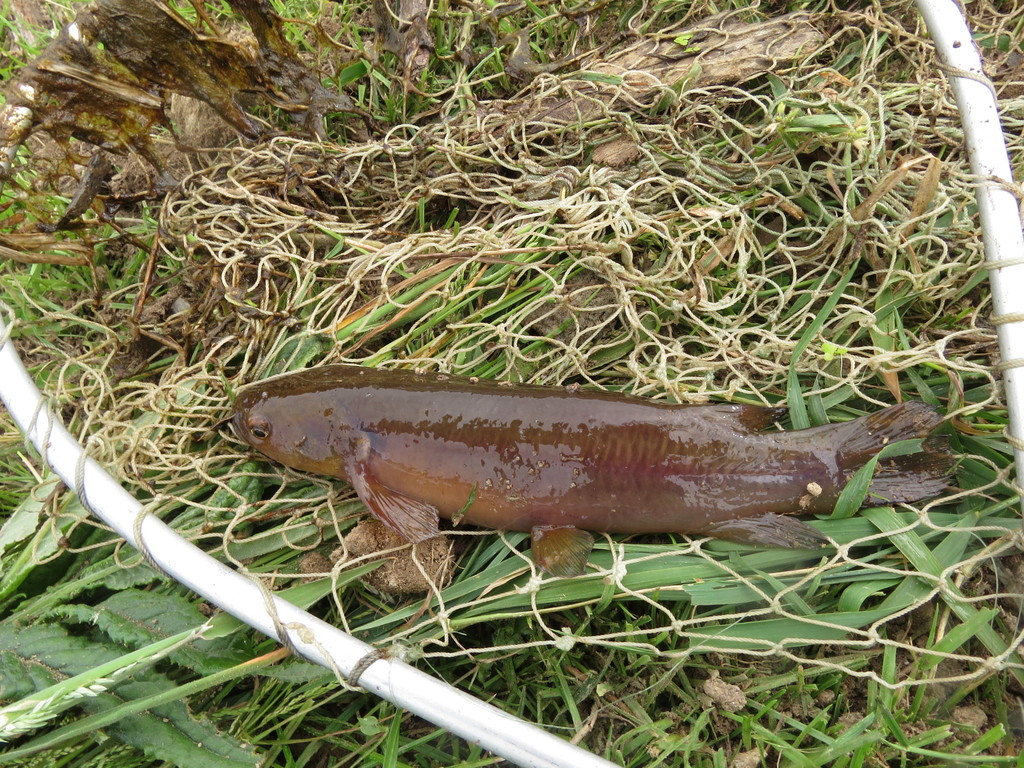
Spotted galaxias is a largish, primarily-freshwater galaxias species found in southern Australia. They are a somewhat tubular, deep-bodied fish, with a dusky brownish-red colouration overlain with dark, haloed spots, dramatic black edges to dorsal, anal and pelvic fins, and a dark diagonal stripe through the eye.
Text from the Wikipedia article “Spotted galaxias”, licensed CC BY-SA 4.0. Read the article
Where and when
Where it has been recorded
Worldwide
Loading the map
Best months
Worldwide (open data)
- January: 40 records
- February: 22 records
- March: 37 records
- April: 17 records
- May: 25 records
- June: 3 records
- July: 15 records
- August: 5 records
- September: 8 records
- October: 37 records
- November: 42 records
- December: 44 records
Depth and water temperature
Depth
Mostly recorded at 0–1 m · Deepest record: 2.5 m
Water temperature
Recorded in surface water of 10–20 °C
Photos

(c) Zara, some rights reserved (CC BY) · CC BY · iNaturalist 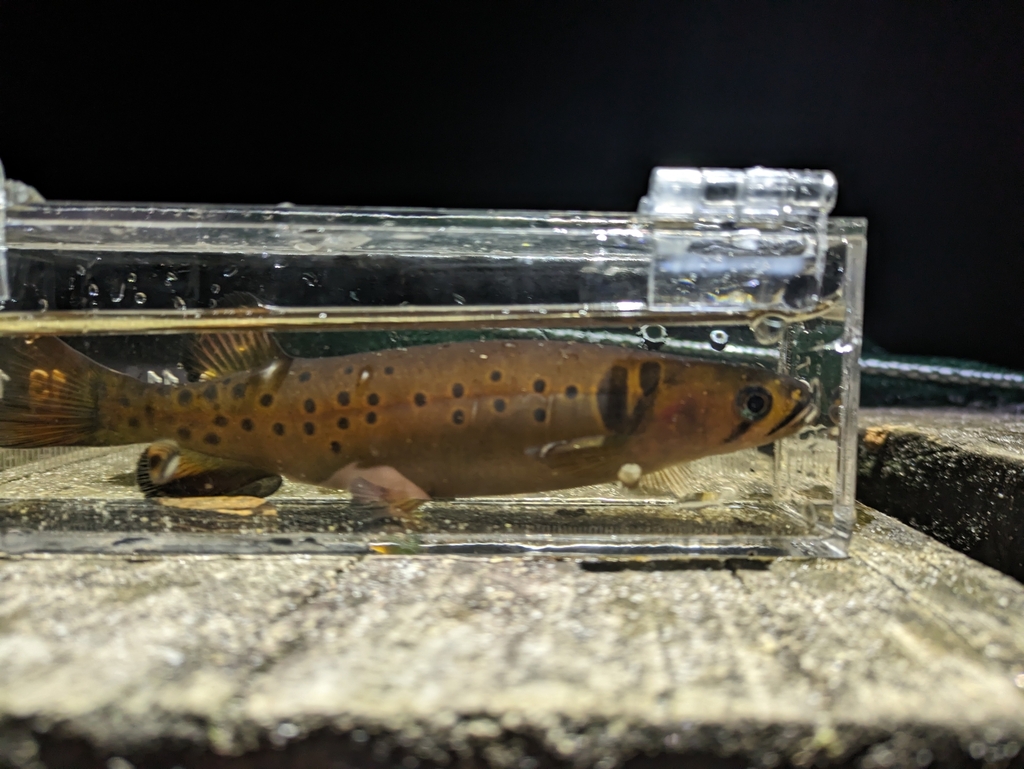
(c) Zara, some rights reserved (CC BY) · CC BY · iNaturalist 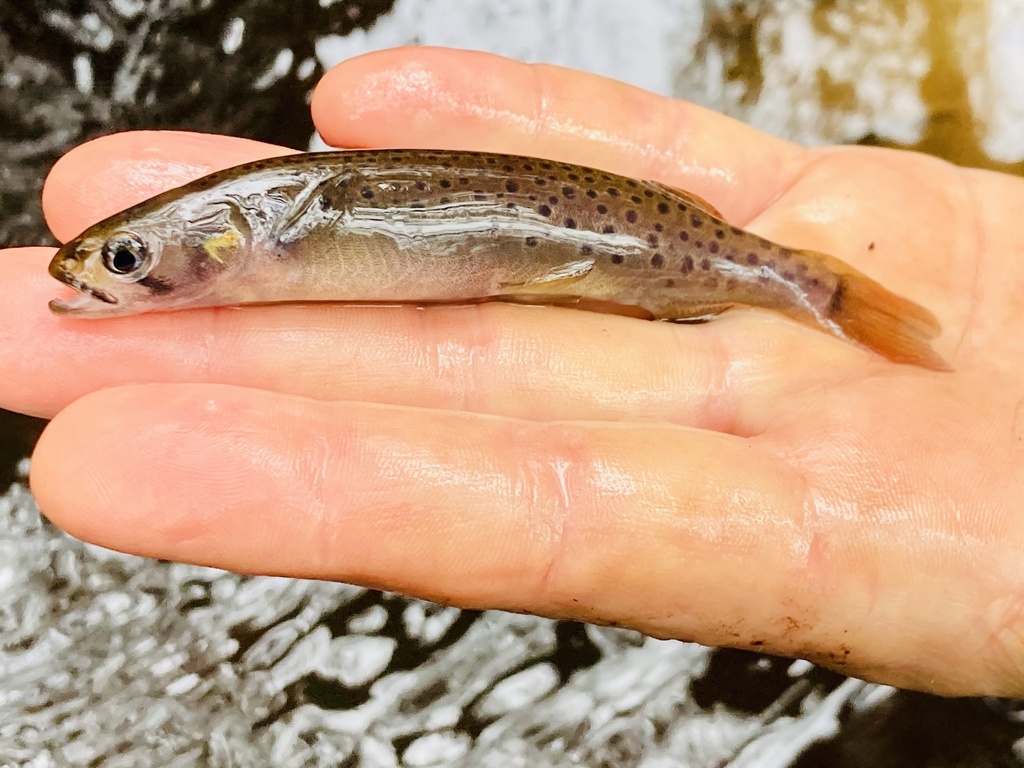
(c) pimelea, some rights reserved (CC BY) · CC BY · iNaturalist 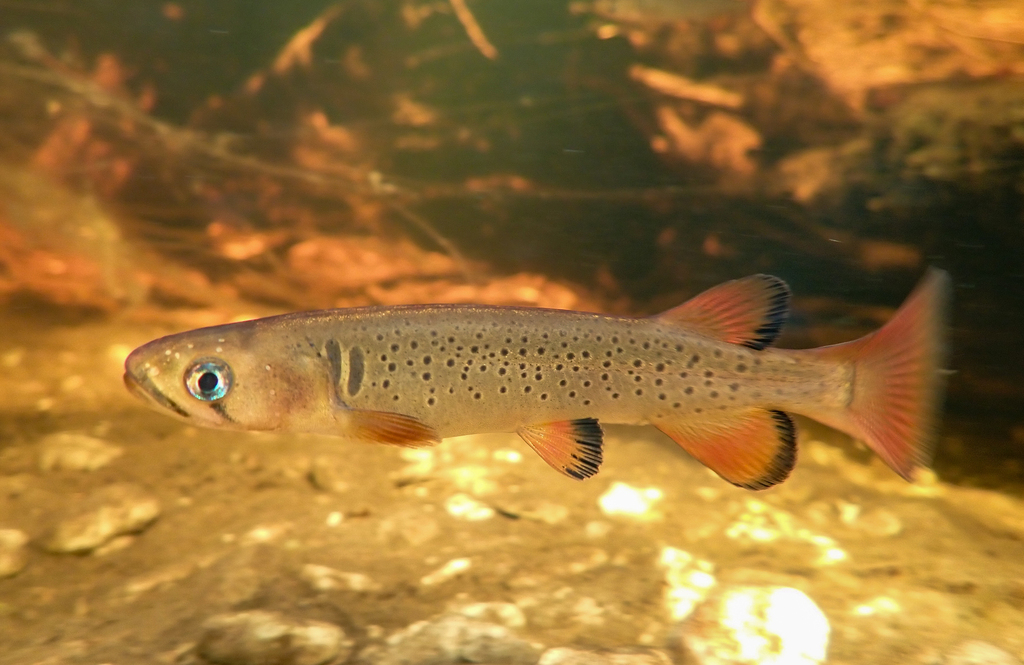
(c) Bruce Deagle, some rights reserved (CC BY) · CC BY · iNaturalist 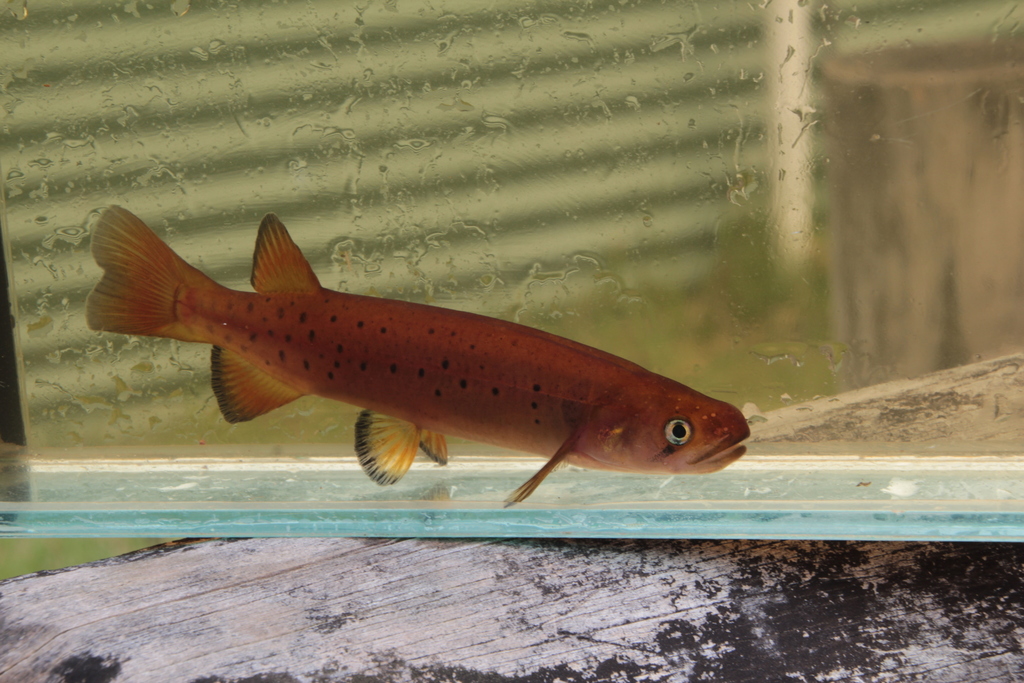
no rights reserved · CC0 1.0 · iNaturalist 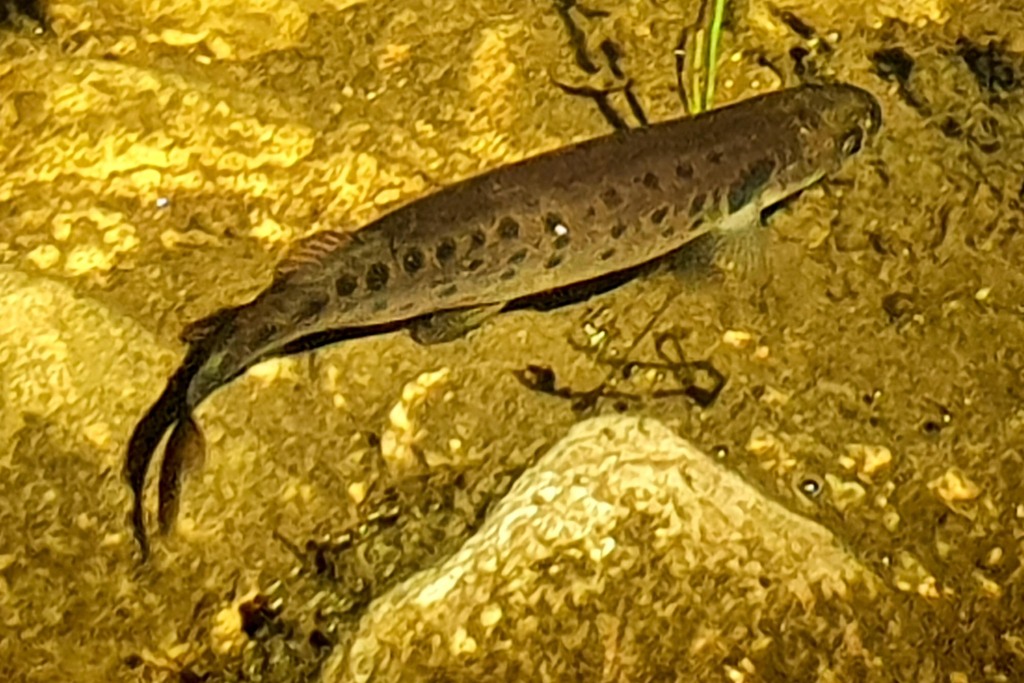
(c) Jesse de Vries, some rights reserved (CC BY) · CC BY · iNaturalist 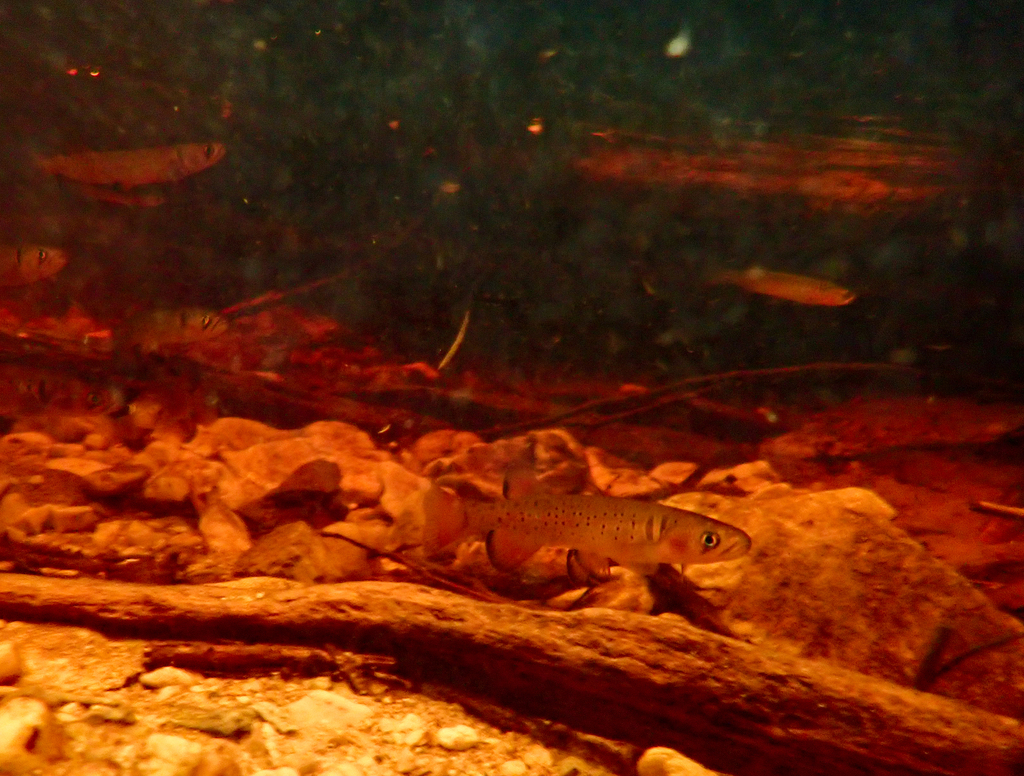
(c) Bruce Deagle, some rights reserved (CC BY) · CC BY · iNaturalist
Names and classification
- English
- Native Trout, Ocellated Mountain Trout, Spotted Galaxias, Spotted Minnow, Spotted Mountain Trout, Spotted Trout Minnow, Trout Galaxias, Trout Minnow, Western Mountain Trout, Yarra Trout
Names in 1 more languages
- Simplified Chinese
- 點南乳魚
Other scientific names: Esox truttaceus, Galaxias ocellatus, Galaxias scopus
Similar species
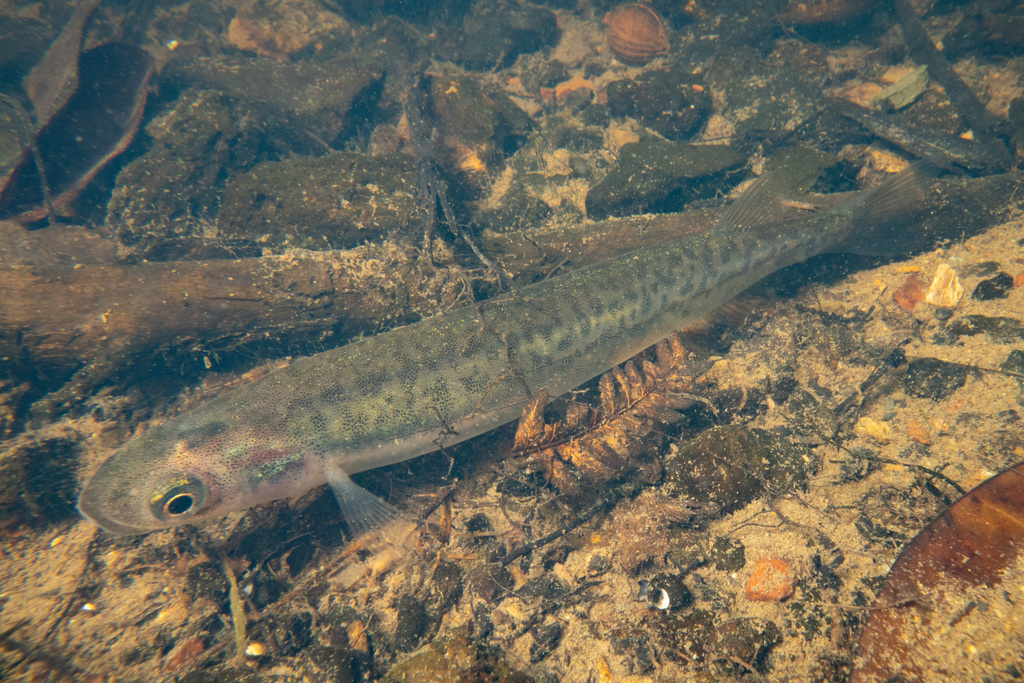 Common Galaxias
Galaxias maculatus
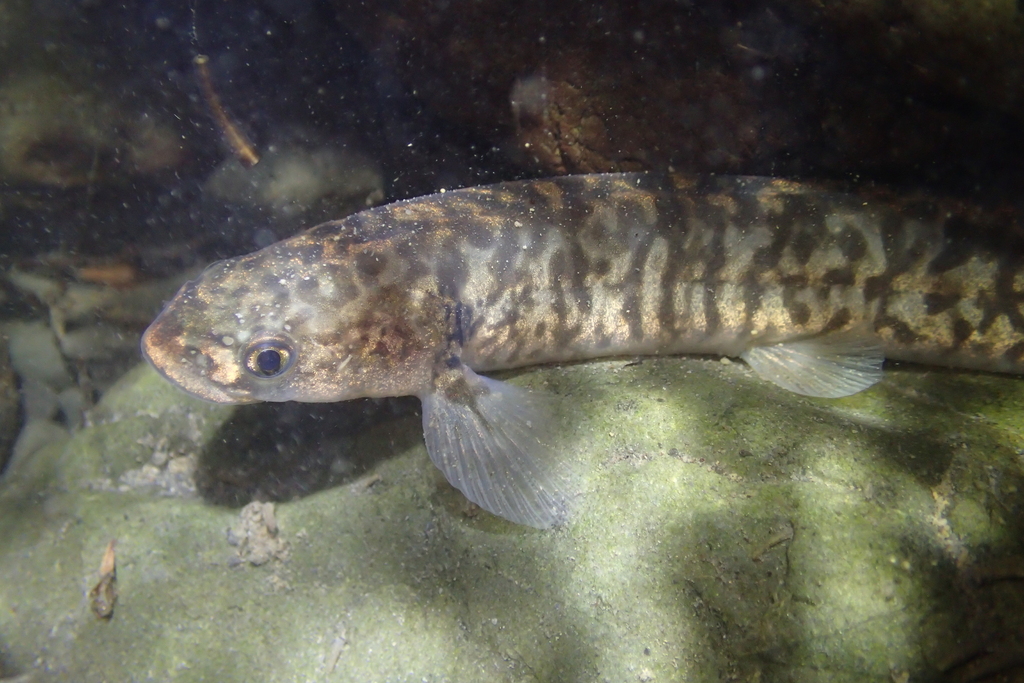 Broad-finned Galaxias
Galaxias brevipinnis
 Banded kokopu
Galaxias fasciatus
 Giant kokopu
Galaxias argenteus
Sources and credits
Names and taxonomy: WoRMS (CC BY 4.0) and the GBIF Backbone (CC BY 4.0). Photos: iNaturalist observers, each under the licence shown (CC0, CC BY or CC BY-SA).
- Depth, temperature, months and maps: records from OBIS and GBIF under CC0 or CC BY.
- Descriptions: Wikipedia, licensed CC BY-SA, each linked to its article.
- Conservation status as published by GBIF (IUCN Red List).
- 2,697 open-data records from 1899 to 2018.
- Species data updated November 2, 2026.
Log what you see on your next dive
The free DiveHive diver app keeps your logbook with every sighting and shows what lives at the site you dive next.