
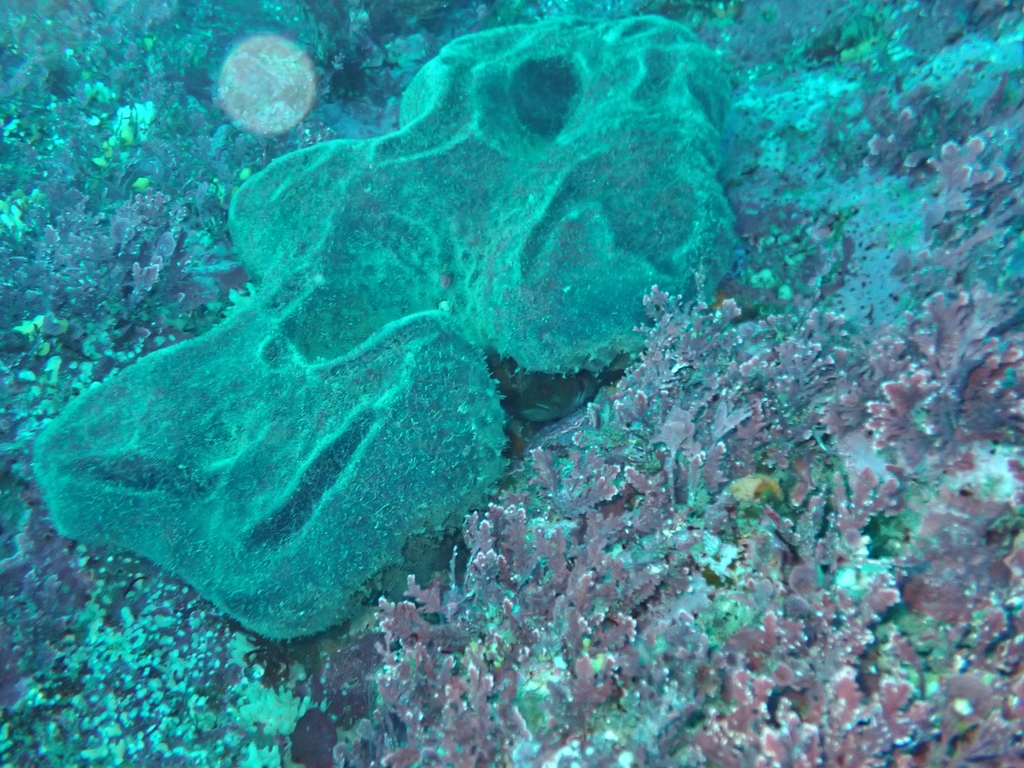
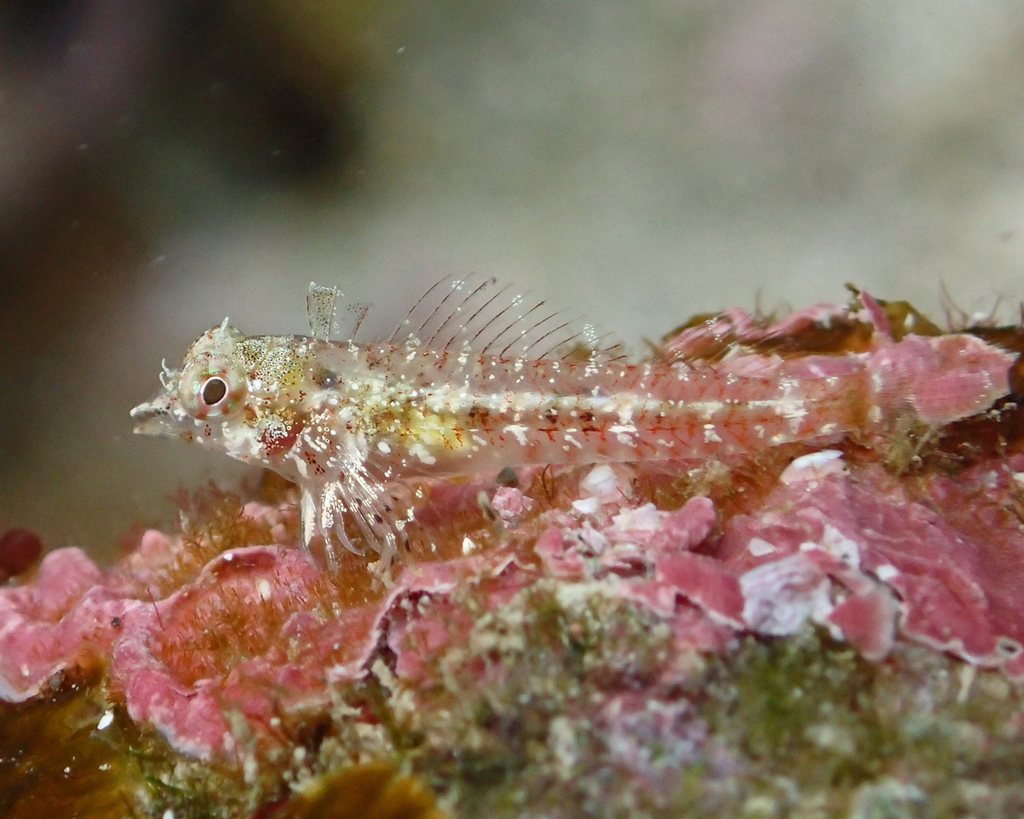
Gilloblennius tripennis
- Usual depth1–18 m
- Water temperature12–18 °C
- Best monthsFebruary, May, and December
- How commonRare
Photo credit: (c) Luca Davenport-Thomas, some rights reserved (CC BY) · CC BY · iNaturalist
About this species
The thripenny is a species of triplefin blenny in the genus Gilloblennius. It was described by Johann Reinhold Forster in 1801. It is endemic to New Zealand where it is found throughout the mainland and off the Three Kings Islands, Snares Island and Chatham Islands.
Text from the Wikipedia article “Thripenny”, licensed CC BY-SA 4.0. Read the article
Where and when
Where it has been recorded
Worldwide
Loading the map
Best months
Worldwide (open data)
- January: 3 records
- February: 6 records
- March: 1 records
- April: 3 records
- May: 4 records
- June: 0 records
- July: 3 records
- August: 2 records
- September: 0 records
- October: 1 records
- November: 0 records
- December: 5 records
Depth and water temperature
Depth
Mostly recorded at 1–18 m · Deepest record: 22.5 m
Water temperature
Recorded in surface water of 12–18 °C
Photos
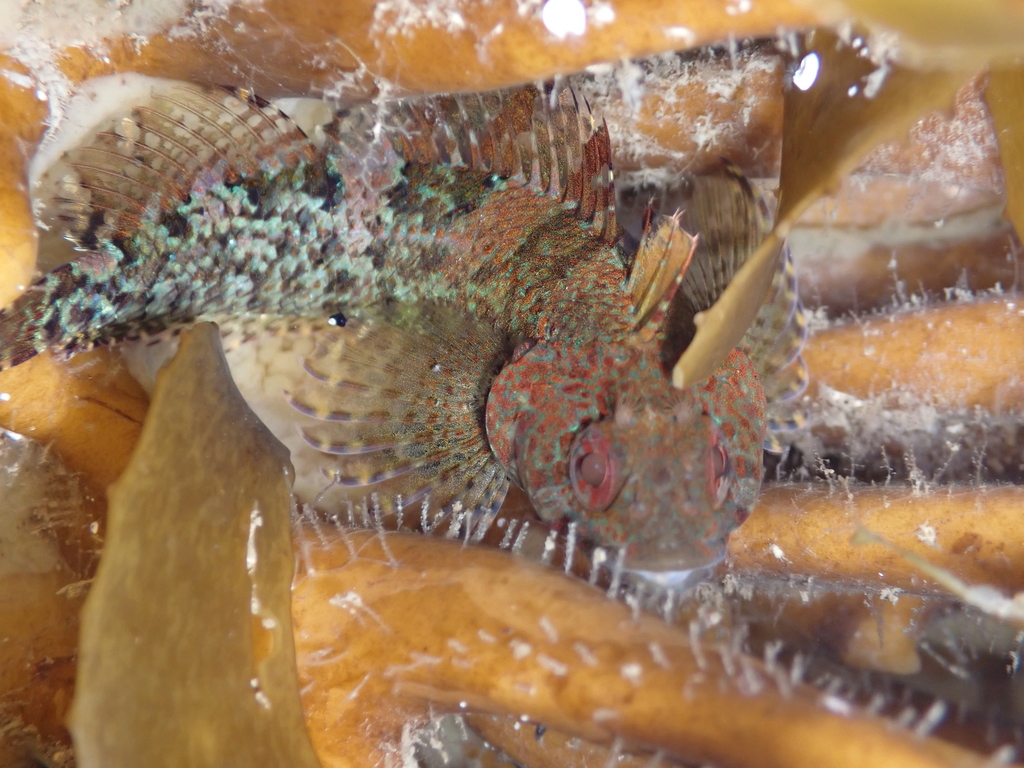
(c) Luca Davenport-Thomas, some rights reserved (CC BY) · CC BY · iNaturalist 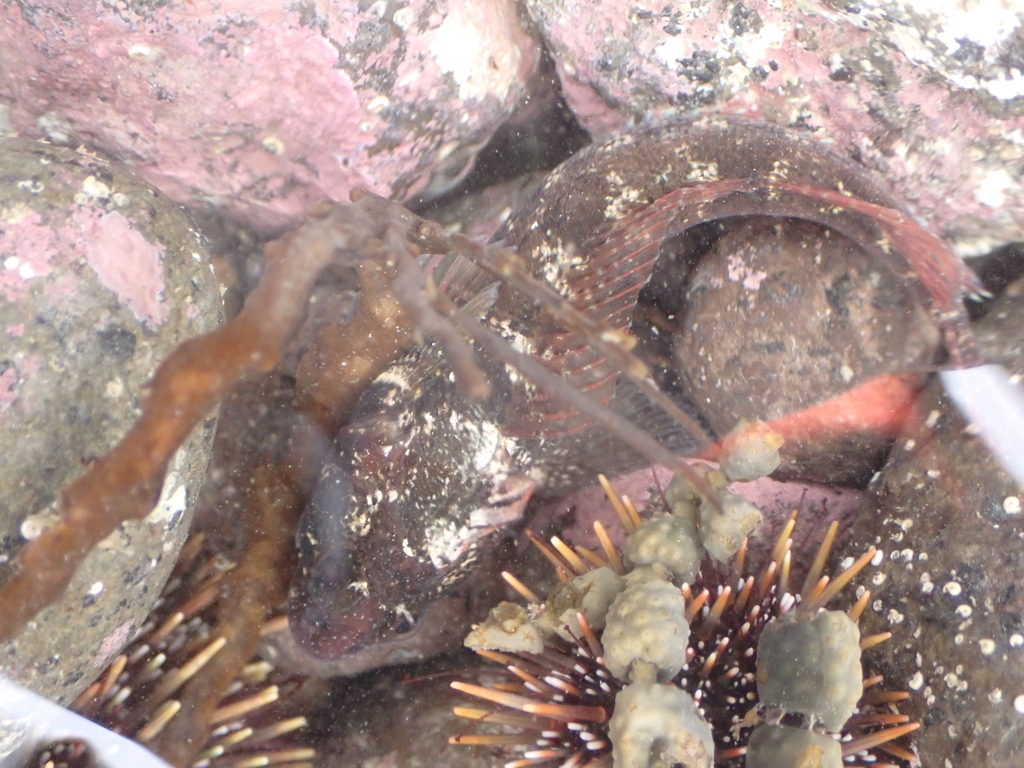
(c) Emily Roberts, some rights reserved (CC BY) · CC BY · iNaturalist 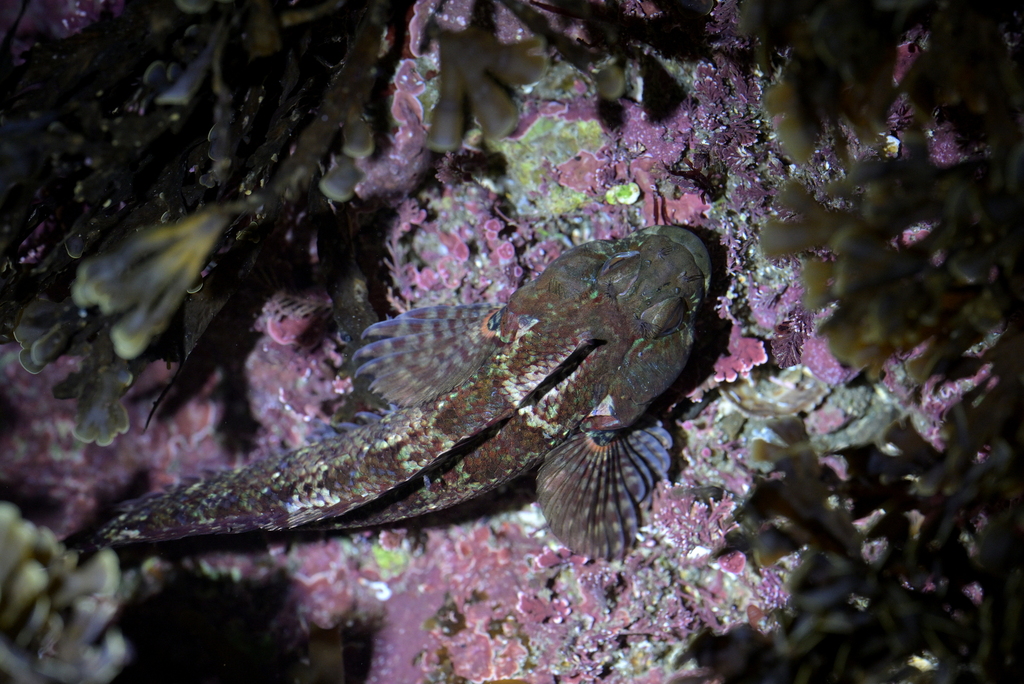
(c) Christopher Stephens, some rights reserved (CC BY-SA) · CC BY-SA · iNaturalist
Names and classification
Other scientific names: Blennius tripennis, Blennius tripinnis, Enneapterygius tripennis, Tripterygion forsteri, Tripterygion tripenne, Tripterygion tripinne, Tripterygium forsteri, Trypterygium forsteri
Similar species
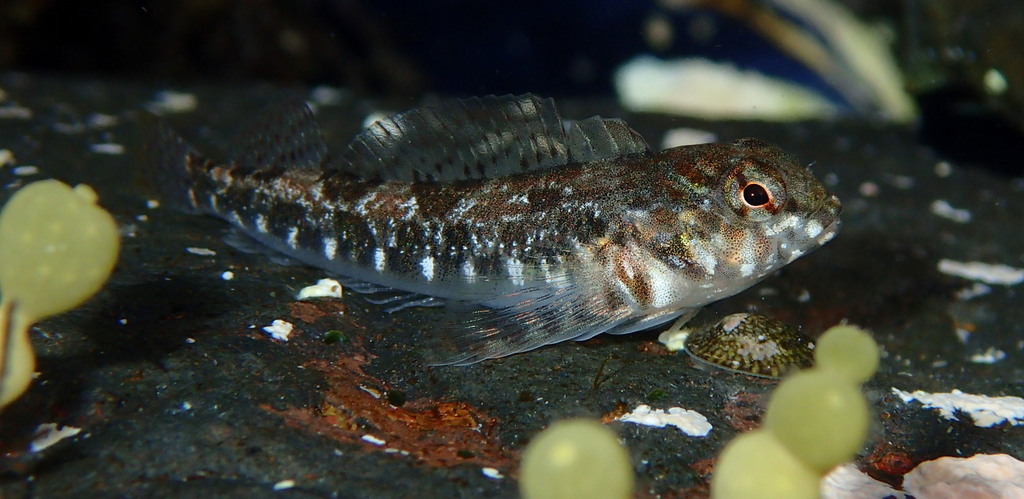 Aotearoa Triplefin
Bellapiscis medius
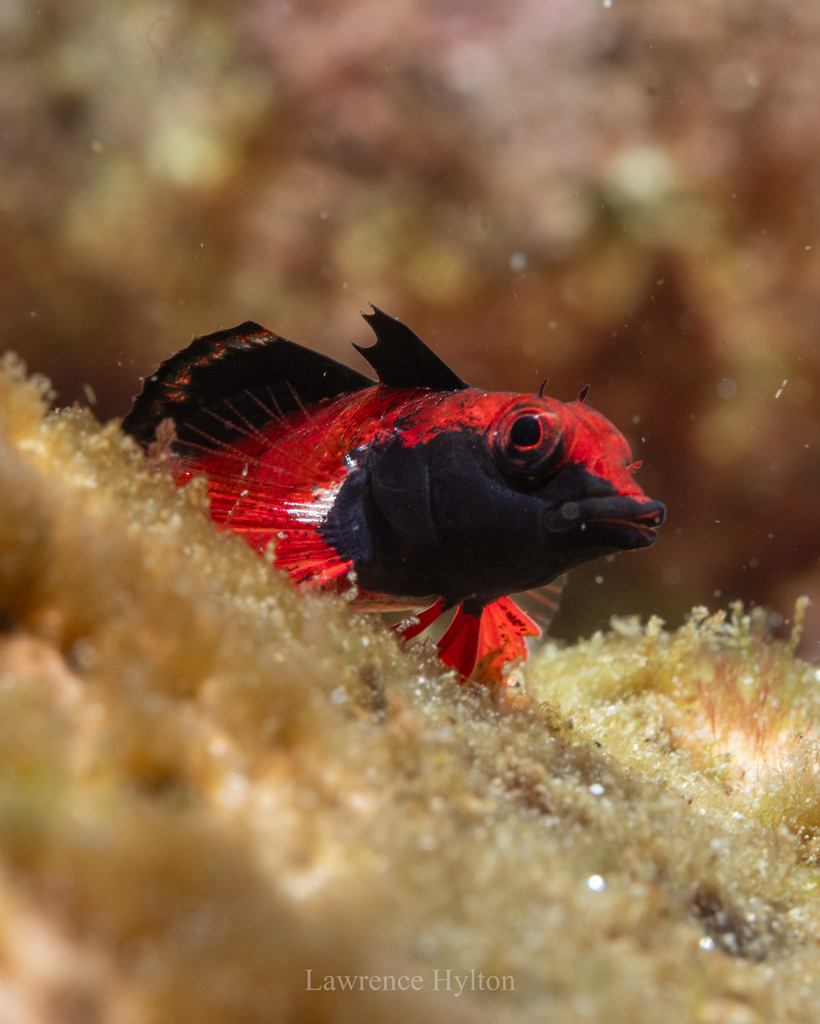 Blackthroat Triplefin
Enneapterygius atrogulare
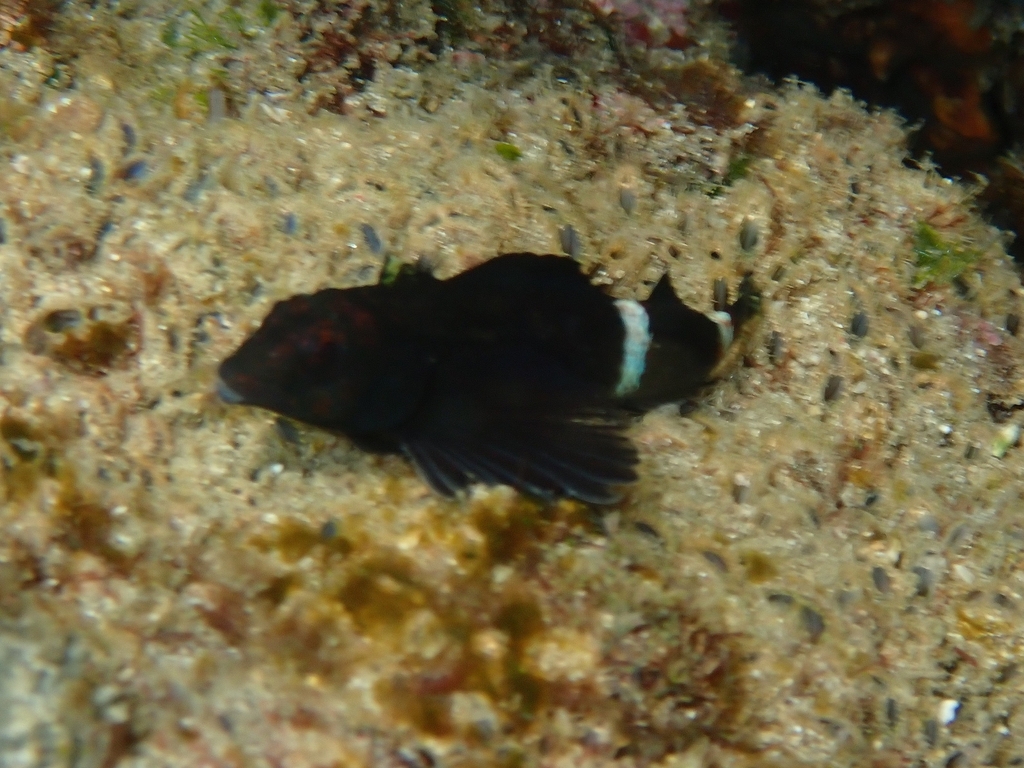
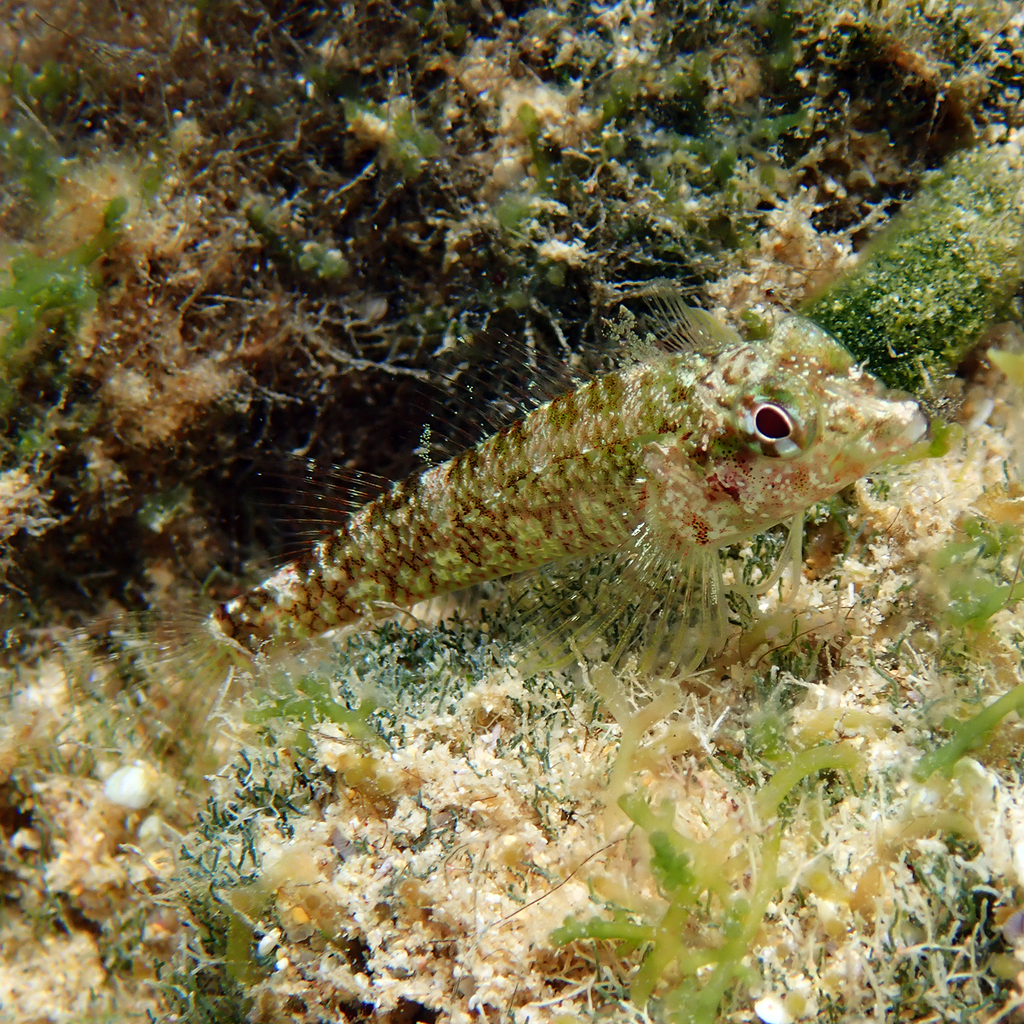 Black-cheek Threefin
Enneapterygius rufopileus
 Highfin Threefin
Enneapterygius tutuilae
 Common Threefin
Forsterygion lapillum
Sources and credits
Names and taxonomy: WoRMS (CC BY 4.0) and the GBIF Backbone (CC BY 4.0). Photos: iNaturalist observers, each under the licence shown (CC0, CC BY or CC BY-SA).
- Depth, temperature, months and maps: records from OBIS and GBIF under CC0 or CC BY.
- Descriptions: Wikipedia, licensed CC BY-SA, each linked to its article.
- 28 open-data records from 1971 to 2013.
Log what you see on your next dive
The free DiveHive diver app keeps your logbook with every sighting and shows what lives at the site you dive next.