

Photo credit: (c) StellaMcQ, some rights reserved (CC BY-SA) · CC BY-SA · iNaturalist
About this species
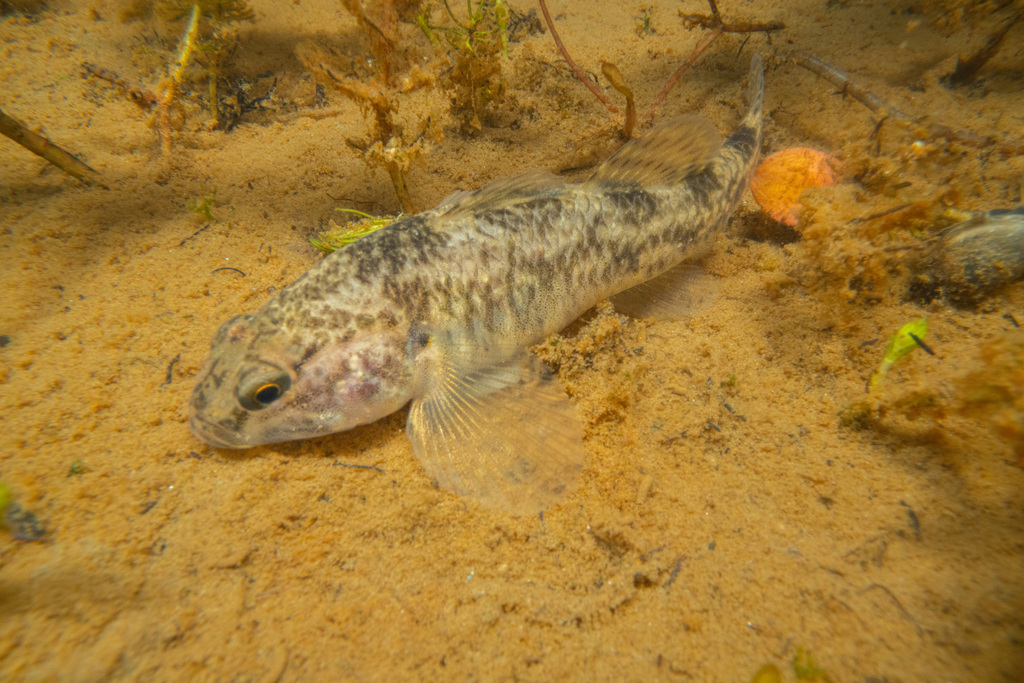
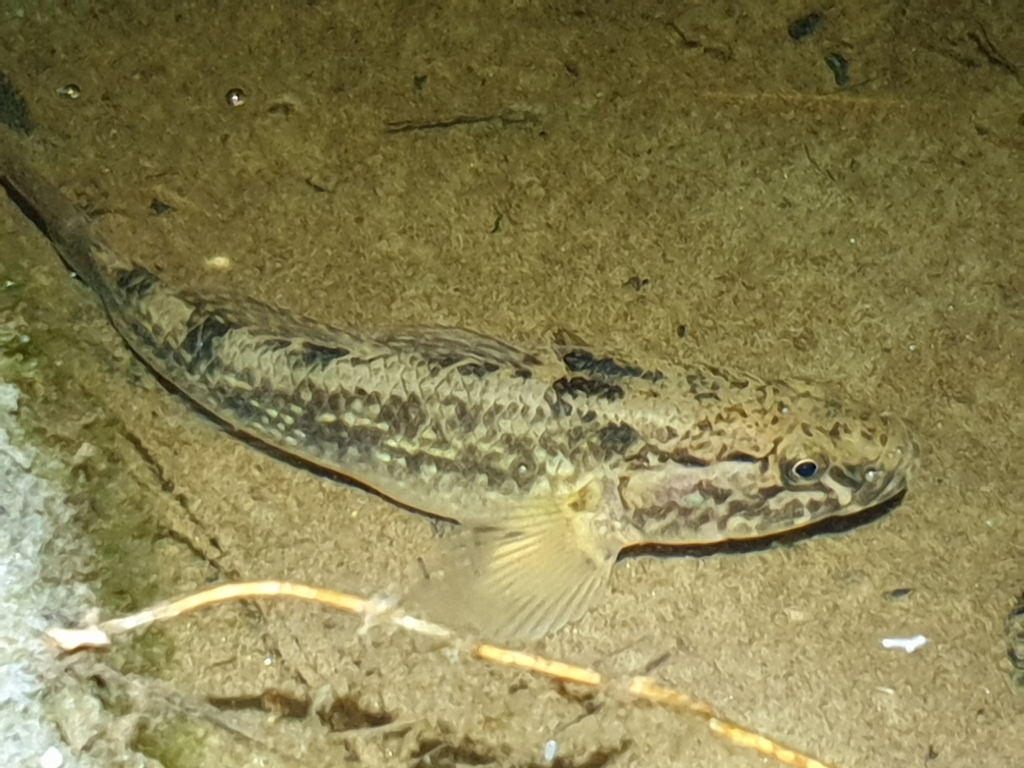
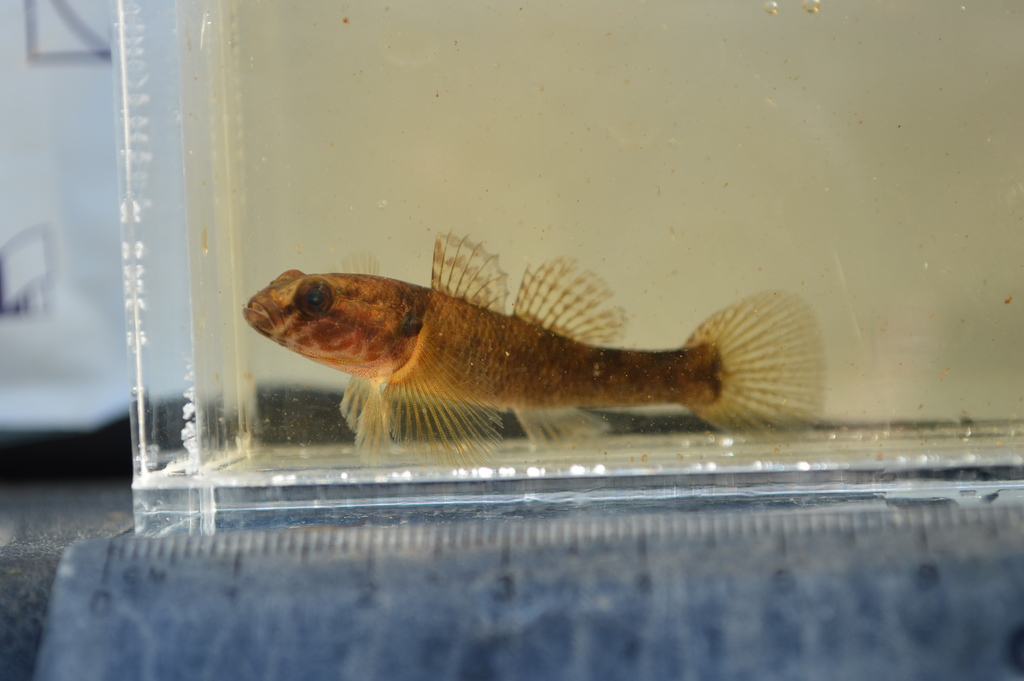
The bluegill bully is a fish in the family Eleotridae that is endemic to New Zealand. It lives in shallow, fast-flowing riffles and torrents, where it forages and shelters amongst the gravels. It has a similar distribution to the other endemic riffle specialist, the torrentfish. It can be found up to 100 kilometres (62 mi) inland, and from sea level up to an elevation of 480 metres (1,570 ft). The bluegill bully is the smallest of the Eleotrids, commonly reaching only 60–70 mm (2.4–2.8 in).
Text from the Wikipedia article “Bluegill bully”, licensed CC BY-SA 4.0. Read the article
Where and when
Where it has been recorded
Worldwide
Loading the map
Best months
Worldwide (open data)
- January: 0 records
- February: 4 records
- March: 6 records
- April: 15 records
- May: 0 records
- June: 0 records
- July: 1 records
- August: 2 records
- September: 0 records
- October: 1 records
- November: 3 records
- December: 6 records
Depth and water temperature
Water temperature
Recorded in surface water of 13–15 °C
Photos
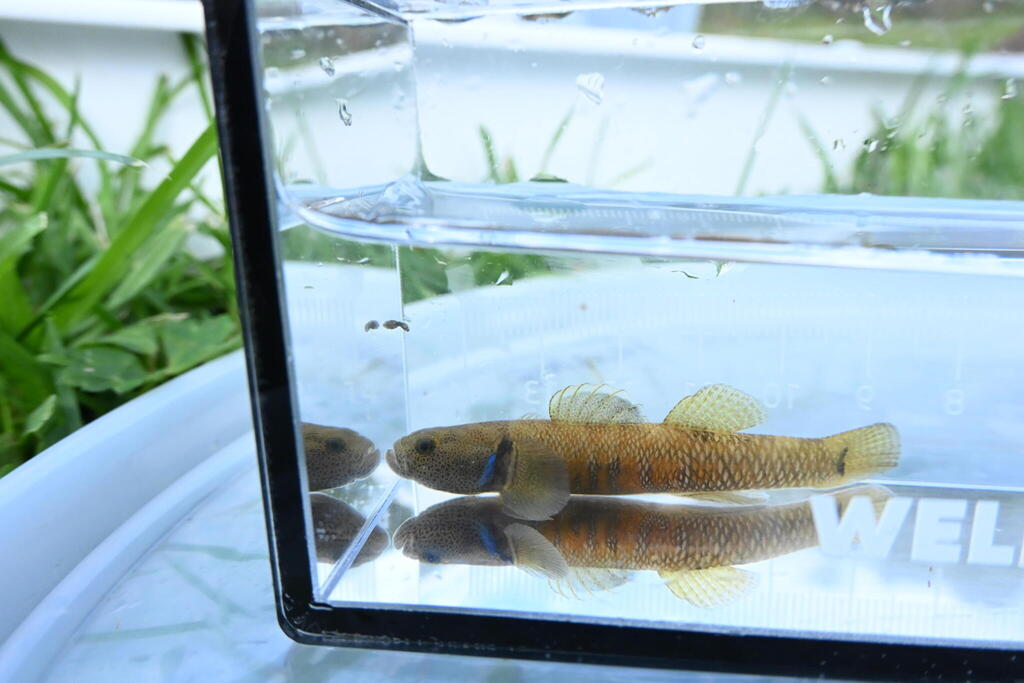
(c) Taylor Davies-Colley, some rights reserved (CC BY) · CC BY · iNaturalist 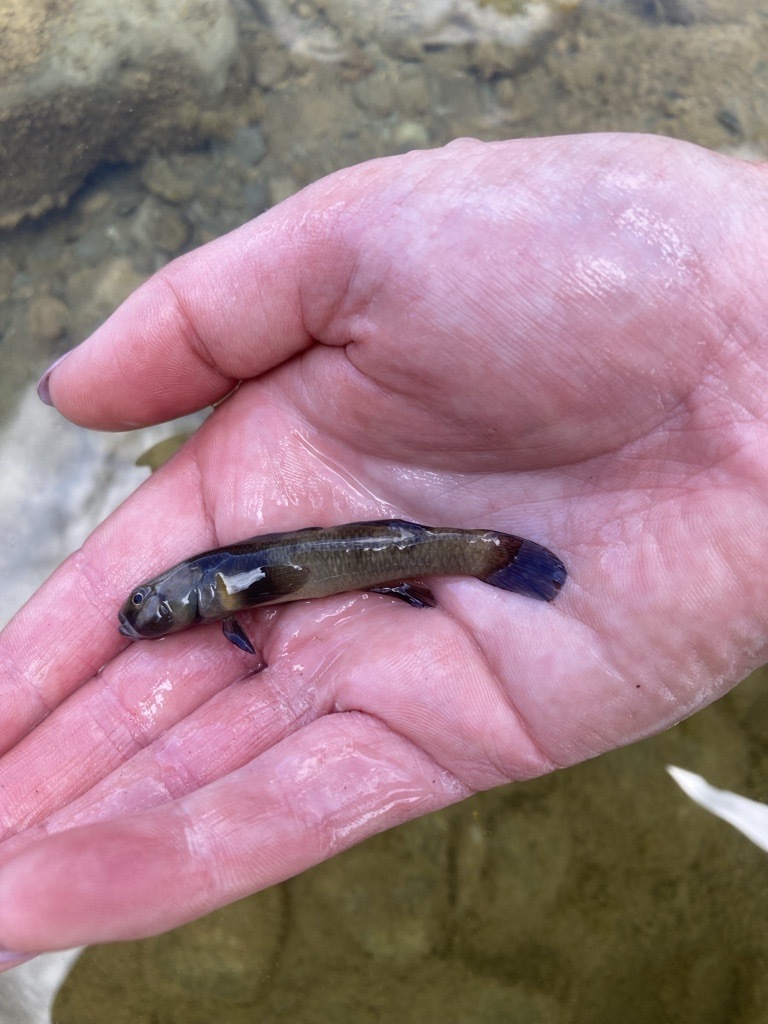
(c) Peter Hancock, some rights reserved (CC BY) · CC BY · iNaturalist 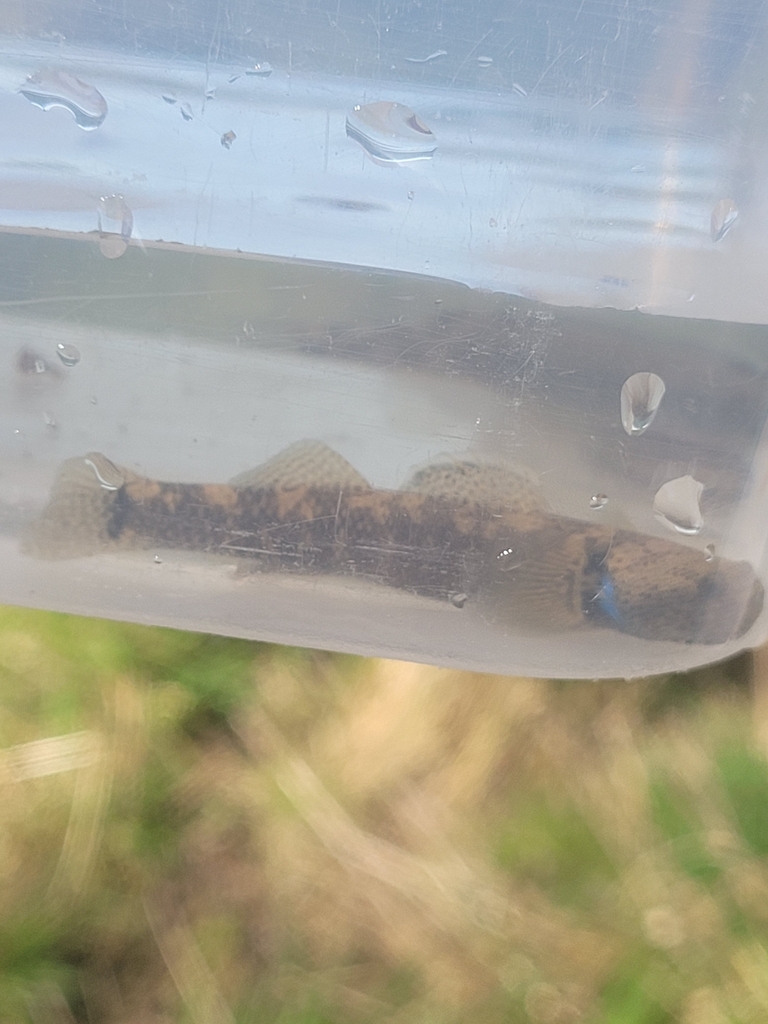
(c) Julia Palmer, some rights reserved (CC BY-SA) · CC BY-SA · iNaturalist 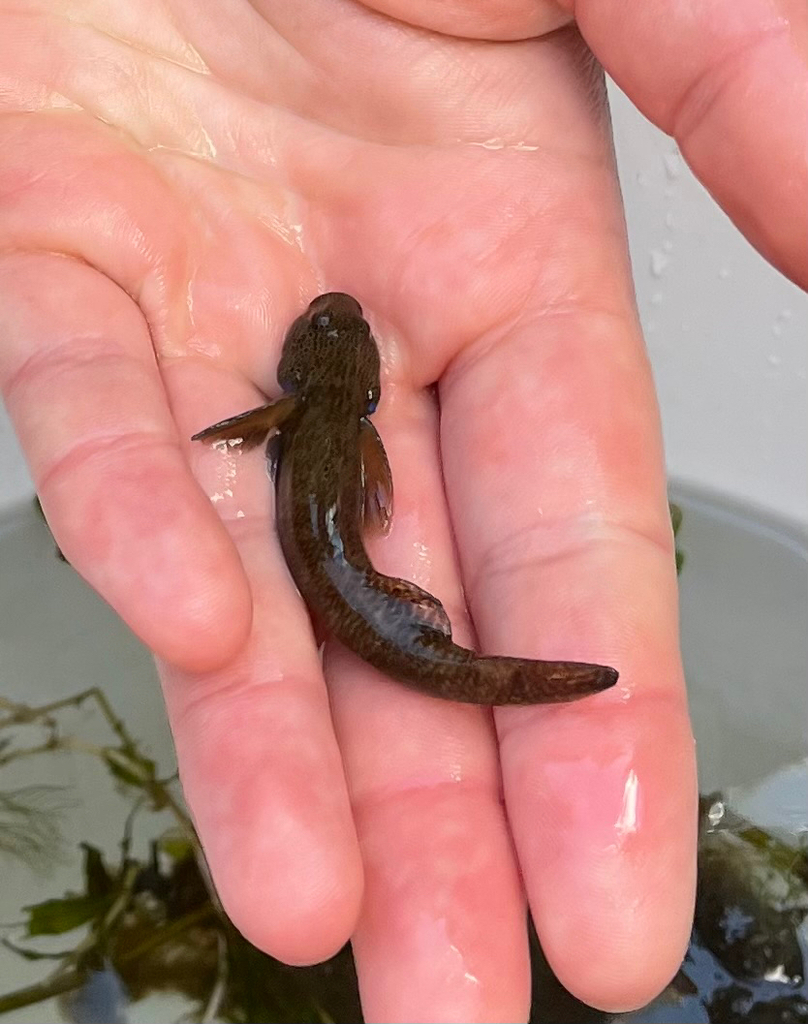
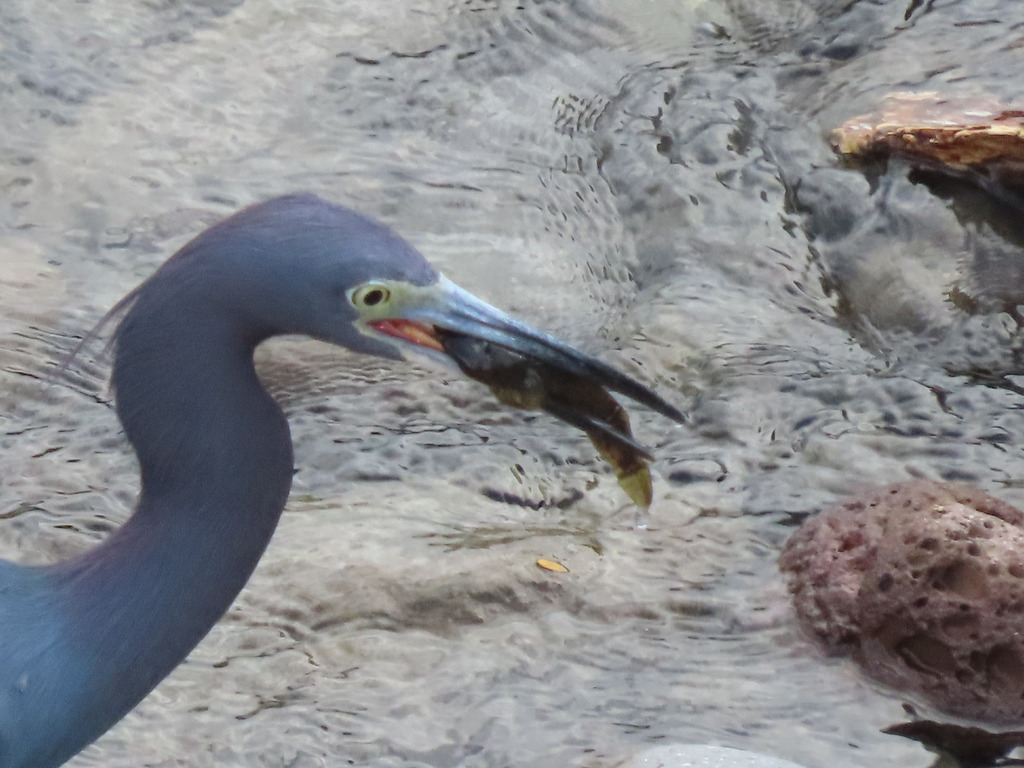
(c) Graham Surrey, some rights reserved (CC BY) · CC BY · iNaturalist
Names and classification
Other scientific names: Philypnodon hubbsi
Similar species
 Fat sleeper
Dormitator maculatus
 Dusky sleeper
Eleotris fusca
- Asian sleeper
Eleotris acanthopomus
Sources and credits
Names and taxonomy: WoRMS (CC BY 4.0) and the GBIF Backbone (CC BY 4.0). Photos: iNaturalist observers, each under the licence shown (CC0, CC BY or CC BY-SA).
- Depth, temperature, months and maps: records from OBIS and GBIF under CC0 or CC BY.
- Descriptions: Wikipedia, licensed CC BY-SA, each linked to its article.
- 6 open-data records from 1962 to 1964.
Log what you see on your next dive
The free DiveHive diver app keeps your logbook with every sighting and shows what lives at the site you dive next.