
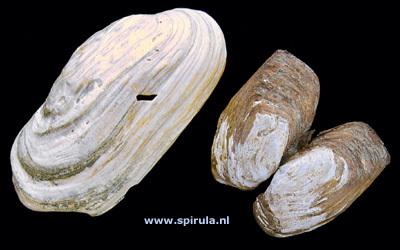
Arctic hiatella
Hiatella arctica
- Usual depth5–242 m
- Water temperature-1–27 °C
- Best monthsMay, July, and August
- How commonCommon
Photo credit: (c) Jan Johan ter Poorten, some rights reserved (CC BY-SA) · CC BY-SA · iNaturalist
About this species
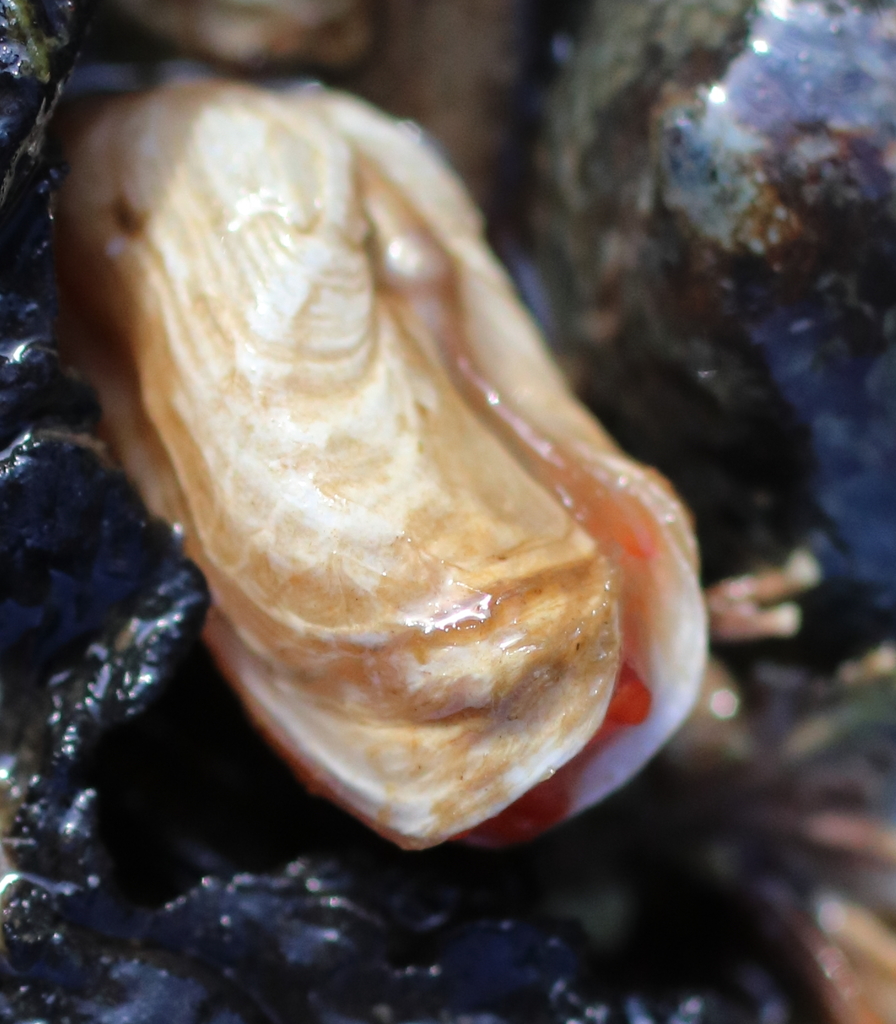
Hiatella arctica, known as the wrinkled rock-borer, the arctic hiatella or the arctic saxicave, is a species of saltwater clam, a marine bivalve mollusc in the family Hiatellidae. The white shell of this mollusc is thick and more or less rectangular, but generally irregular in shape. It is up to 45 mm (1.8 in) long.
Text from the Wikipedia article “Hiatella arctica”, licensed CC BY-SA 4.0. Read the article
Where and when
Where it has been recorded
Worldwide
Loading the map
Best months
Worldwide (open data)
- January: 534 records
- February: 577 records
- March: 792 records
- April: 836 records
- May: 1,419 records
- June: 1,256 records
- July: 1,528 records
- August: 1,641 records
- September: 1,206 records
- October: 648 records
- November: 497 records
- December: 331 records
Depth and water temperature
Depth
Mostly recorded at 5–242 m · Deepest record: 1,610.3 m
Water temperature
Recorded in surface water of -1–27 °C
Photos
(c) Erin McKittrick, some rights reserved (CC BY), uploaded by Erin McKittrick · CC BY · iNaturalist 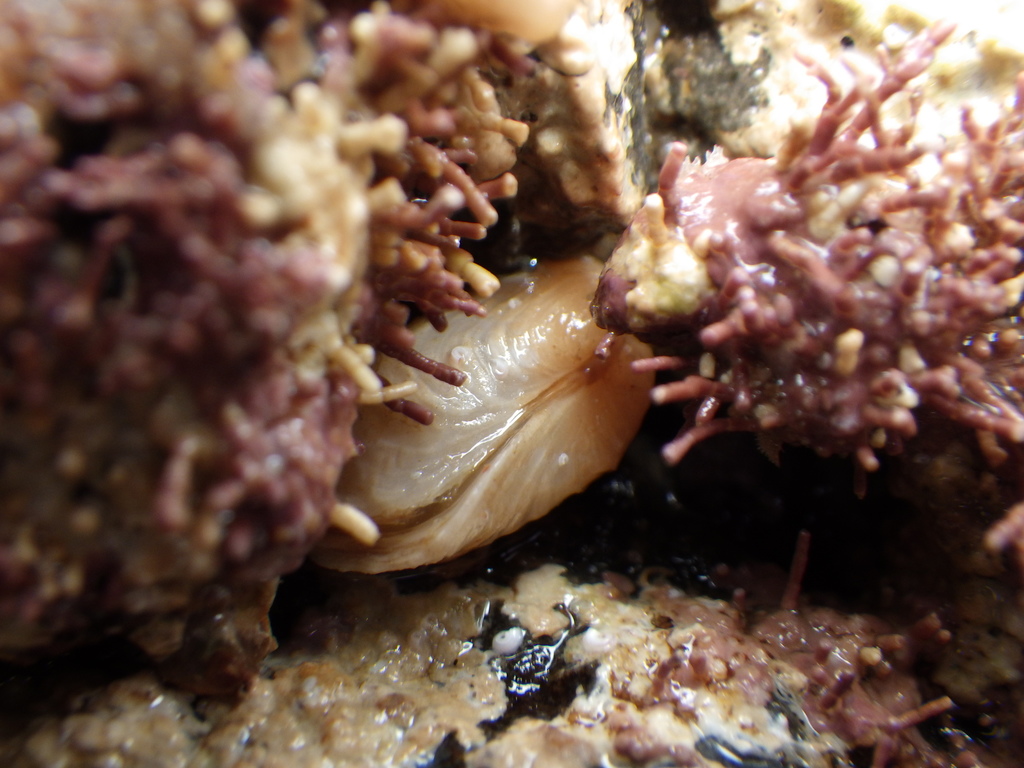
(c) Saryu Mae 前 朝琉, some rights reserved (CC BY), uploaded by Saryu Mae 前 朝琉 · CC BY · iNaturalist 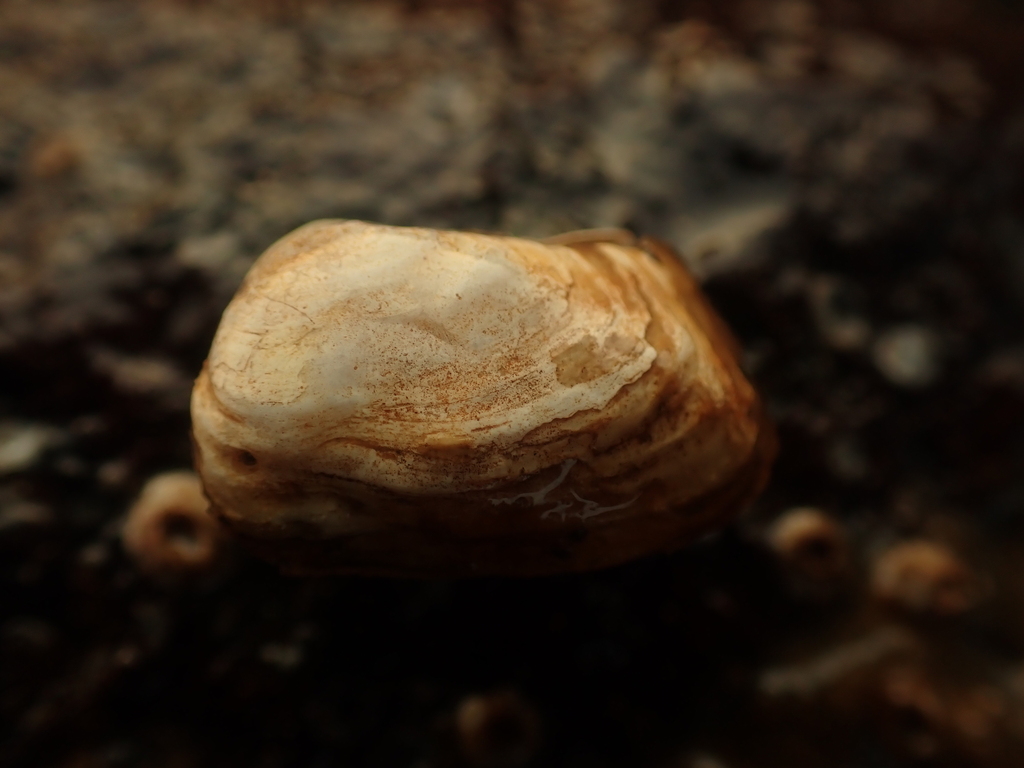
(c) Ian Manning, some rights reserved (CC BY) · CC BY · iNaturalist 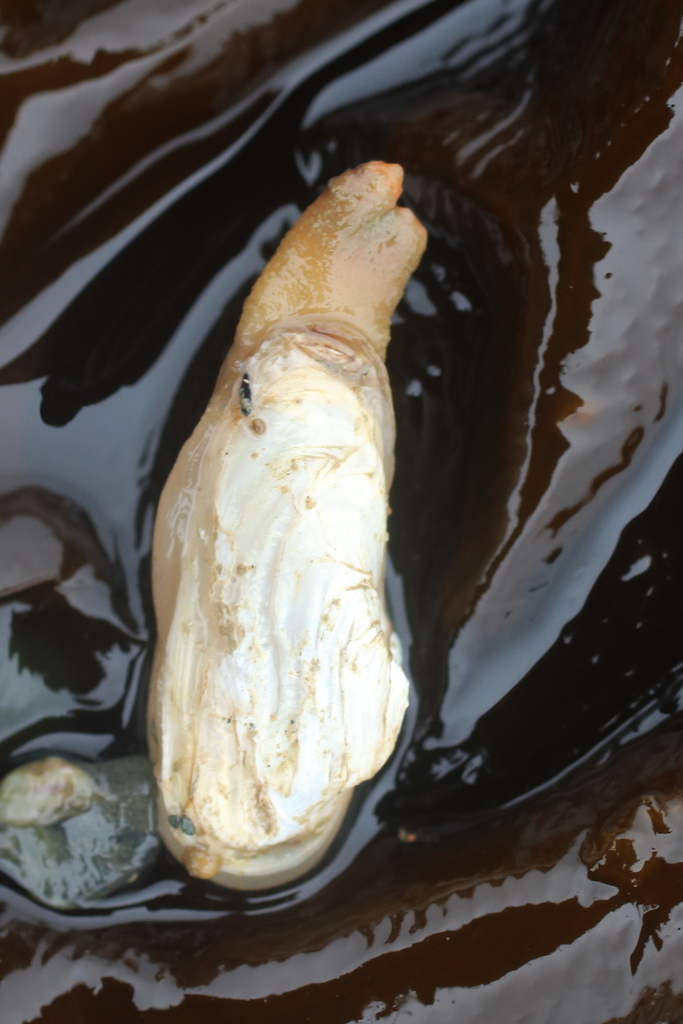
(c) Erin McKittrick, some rights reserved (CC BY) · CC BY · iNaturalist 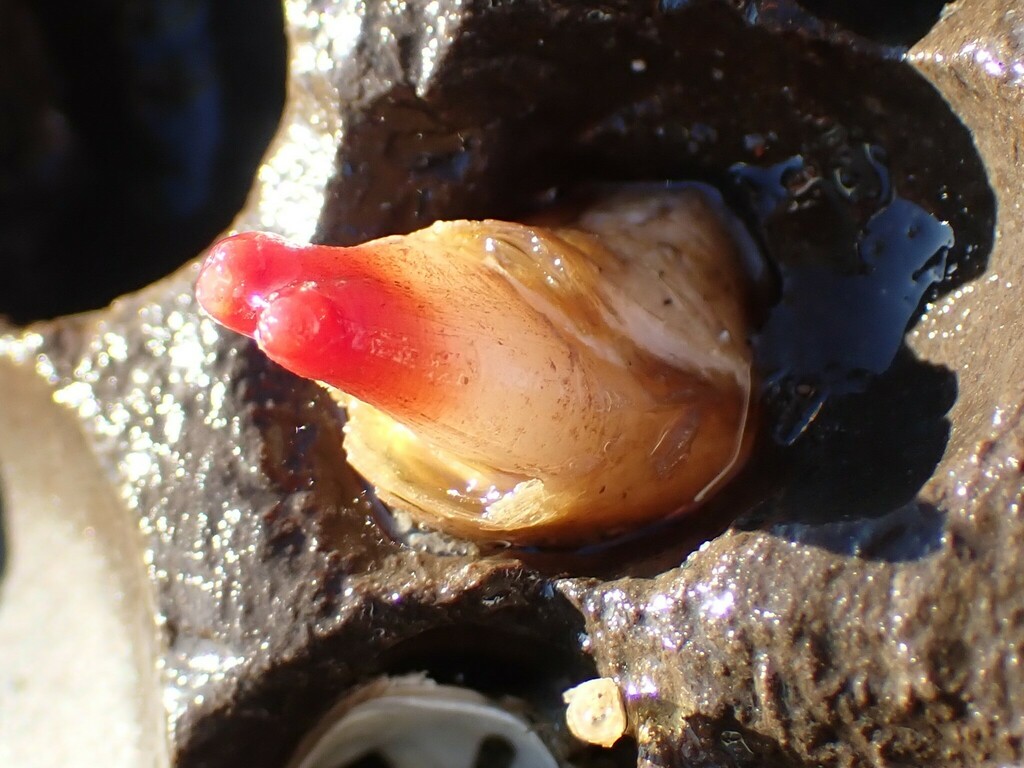
(c) Matt Muir, some rights reserved (CC BY) · CC BY · iNaturalist 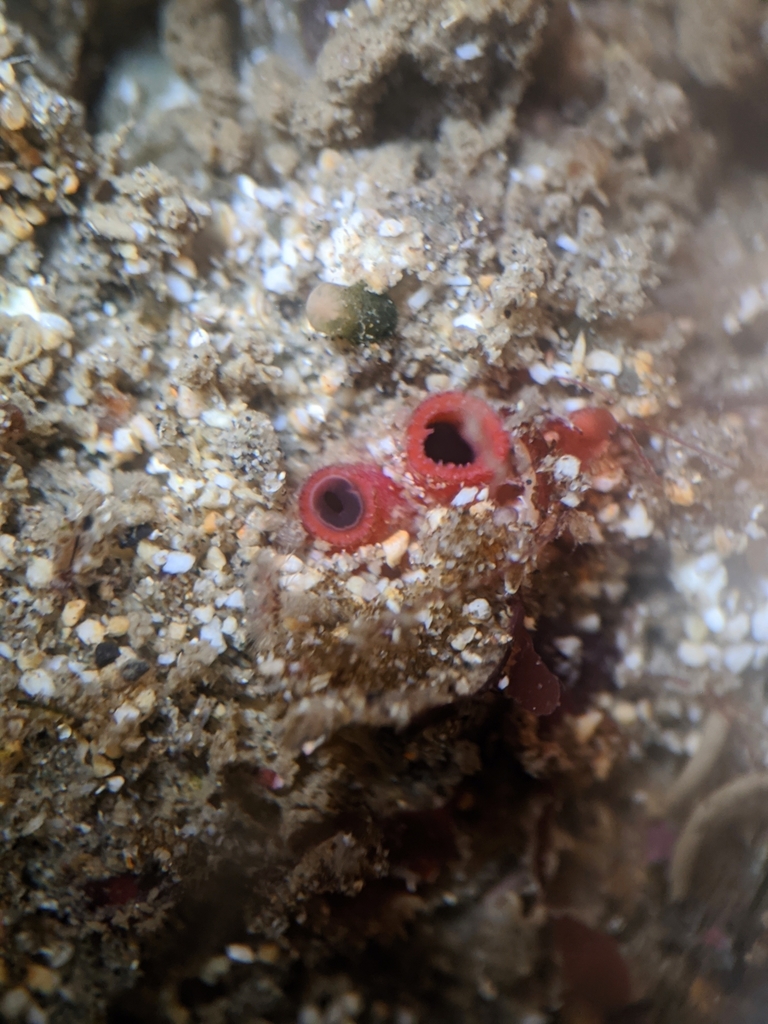
no rights reserved · CC0 1.0 · iNaturalist 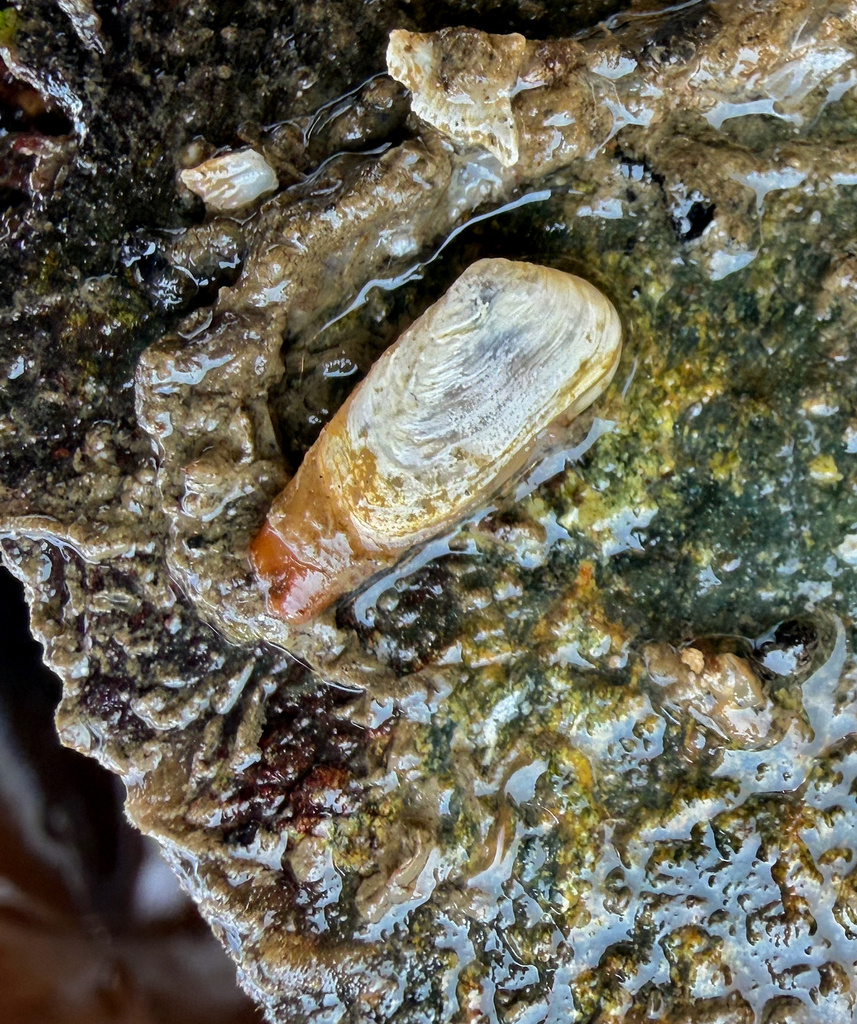
no rights reserved · CC0 1.0 · iNaturalist
Names and classification
- English
- Arctic hiatella, Arctic rock borer, Arctic saxicave, Nestling clam, Red nose, Red-nose clam, Arctic Hiatella, Arctic Rock Borer, Arctic Saxicave, Nestling Clam, red nose, Red Nose, red-nose clam, Red-nose Clam, wrinkled rock borer, wrinkled rockborer, Wrinkled Rockborer, Wrinkled Rock Borer
Names in 2 more languages
- German
- Arktischer Felsenbohrer, Felsenbohrer, Nördlicher Felsenbohrer
- Japanese
- ハナシキヌマトイ
Other scientific names: Biapholius spinosus, Byssomia crispa, Chama aculeata, Didonta bicarinata, Hiatella (Hiatella) arctica, Hiatella arenacea, Hiatella azaria, Hiatella biaperta, Hiatella lirata, Hiatella monoperta, Hiatella oblonga, Hiatella orientalis, Hiatella pholadis, Hiatella sakhalinensis, Hiatella solida, Hiatella striata, Hypogaea barbata, Mya arctica, Mya byssifera, Mytilus pholadis, Petricola awana, Petricola linguatula, Saxicava acuta, Saxicava arctica, Saxicava arenacea, Saxicava azaria, Saxicava clava, Saxicava conchotrypa, Saxicava distorta, Saxicava flaccida
Similar species
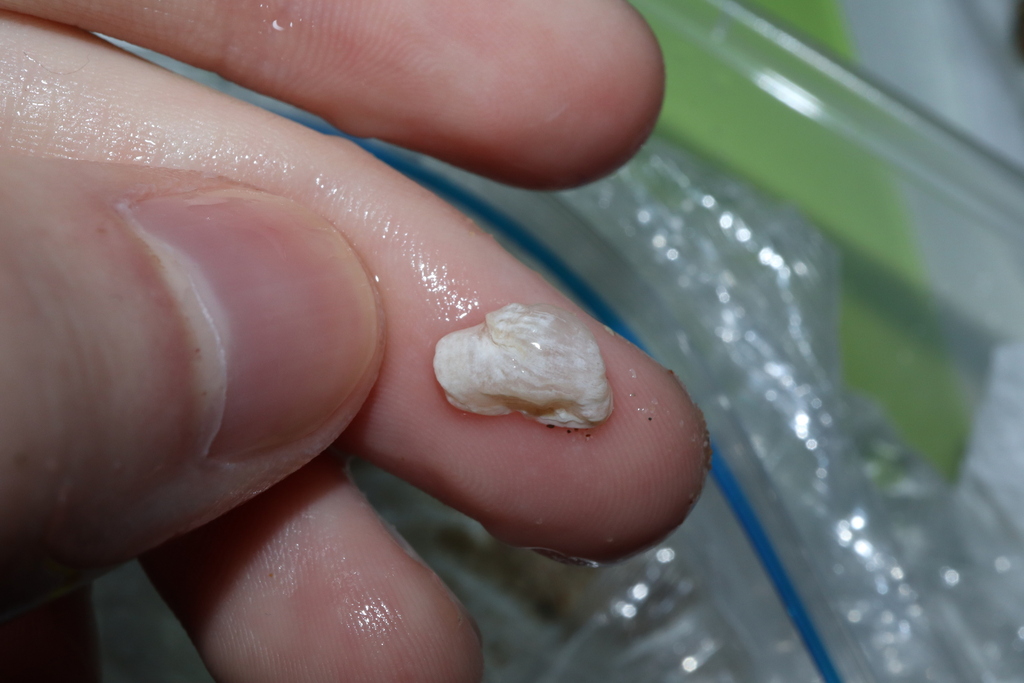 Australian Rock-Borer
Hiatella australis
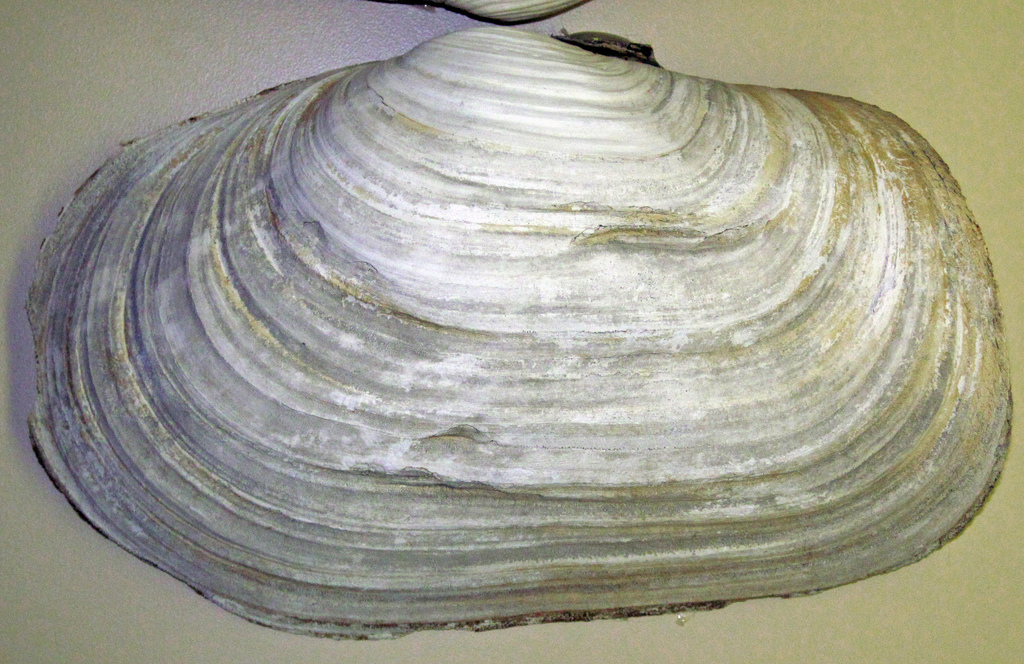 Geoduck
Panopea generosa
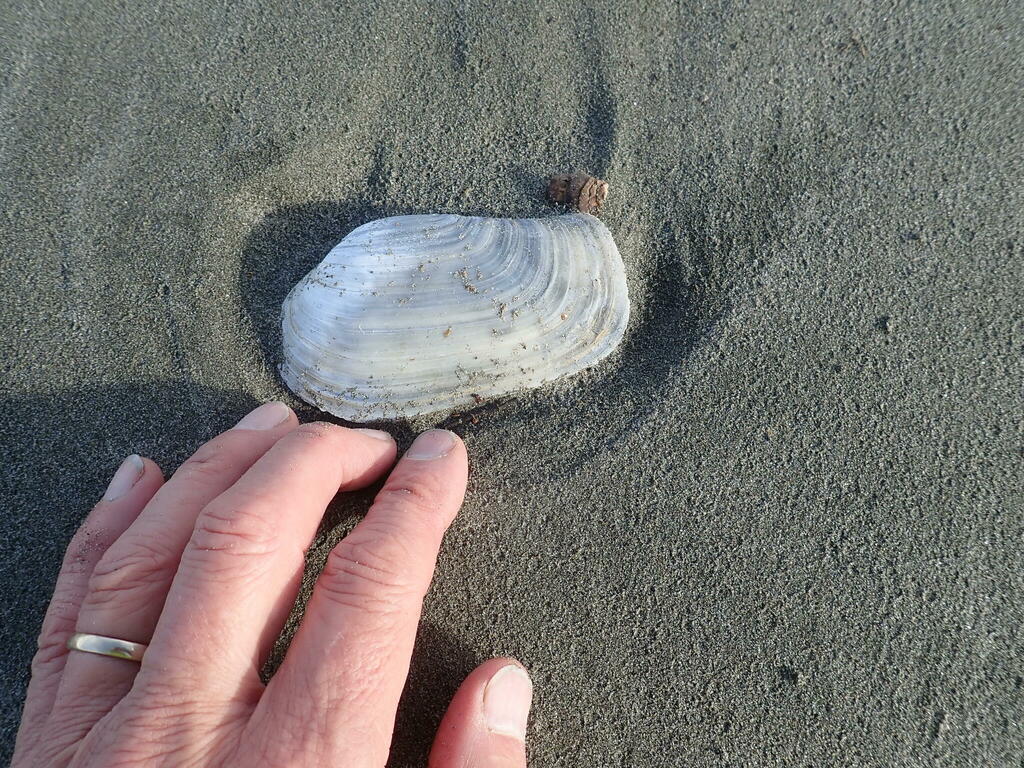 Deepwater Clam
Panopea zelandica
Sources and credits
Names and taxonomy: WoRMS (CC BY 4.0) and the GBIF Backbone (CC BY 4.0). Photos: iNaturalist observers, each under the licence shown (CC0, CC BY or CC BY-SA).
- Depth, temperature, months and maps: records from OBIS and GBIF under CC0 or CC BY.
- Descriptions: Wikipedia, licensed CC BY-SA, each linked to its article.
- Conservation status as published by GBIF (IUCN Red List).
- 19,232 open-data records from 1815 to 2025.
- Species data updated November 3, 2026.
Log what you see on your next dive
The free DiveHive diver app keeps your logbook with every sighting and shows what lives at the site you dive next.