
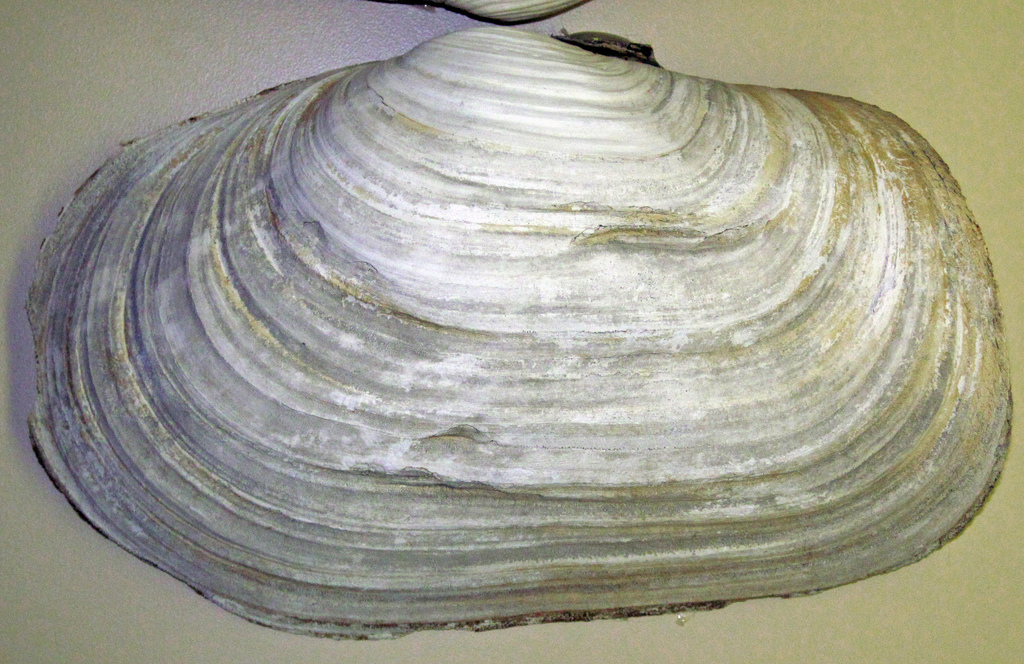
Geoduck
Panopea generosa
- Usual depth14–31 m
- Water temperature9–14 °C
- Best monthsJune, August, and September
- How commonCommon
Photo credit: (c) James St. John, some rights reserved (CC BY) · CC BY · iNaturalist
About this species
The Pacific geoduck is a species of very large saltwater clam in the family Hiatellidae. The common name is derived from the Lushootseed name, gʷidəq.
Text from the Wikipedia article “Geoduck”, licensed CC BY-SA 4.0. Read the article
Where and when
Where it has been recorded
Worldwide
Loading the map
Best months
Worldwide (open data)
- January: 6 records
- February: 930 records
- March: 31 records
- April: 57 records
- May: 1,603 records
- June: 3,579 records
- July: 2,249 records
- August: 2,930 records
- September: 3,651 records
- October: 963 records
- November: 7 records
- December: 427 records
Depth and water temperature
Depth
Mostly recorded at 14–31 m · Deepest record: 42.1 m
Water temperature
Recorded in surface water of 9–14 °C
Photos
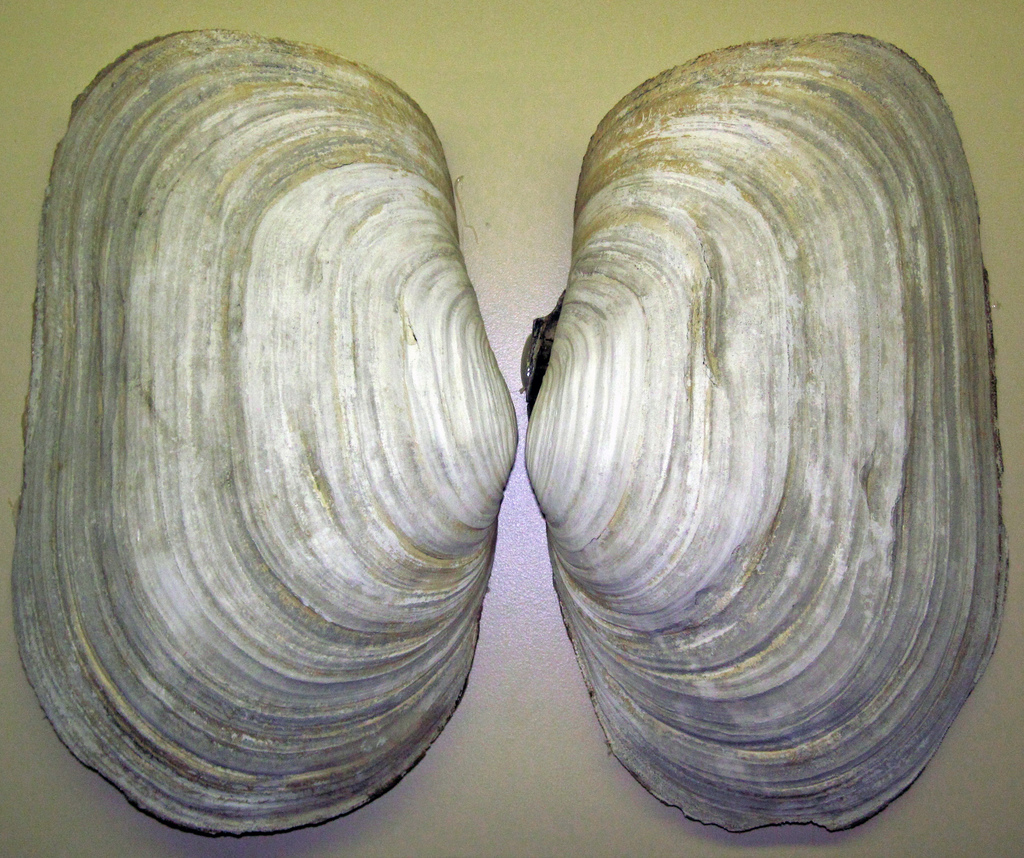
(c) James St. John, some rights reserved (CC BY) · CC BY · iNaturalist 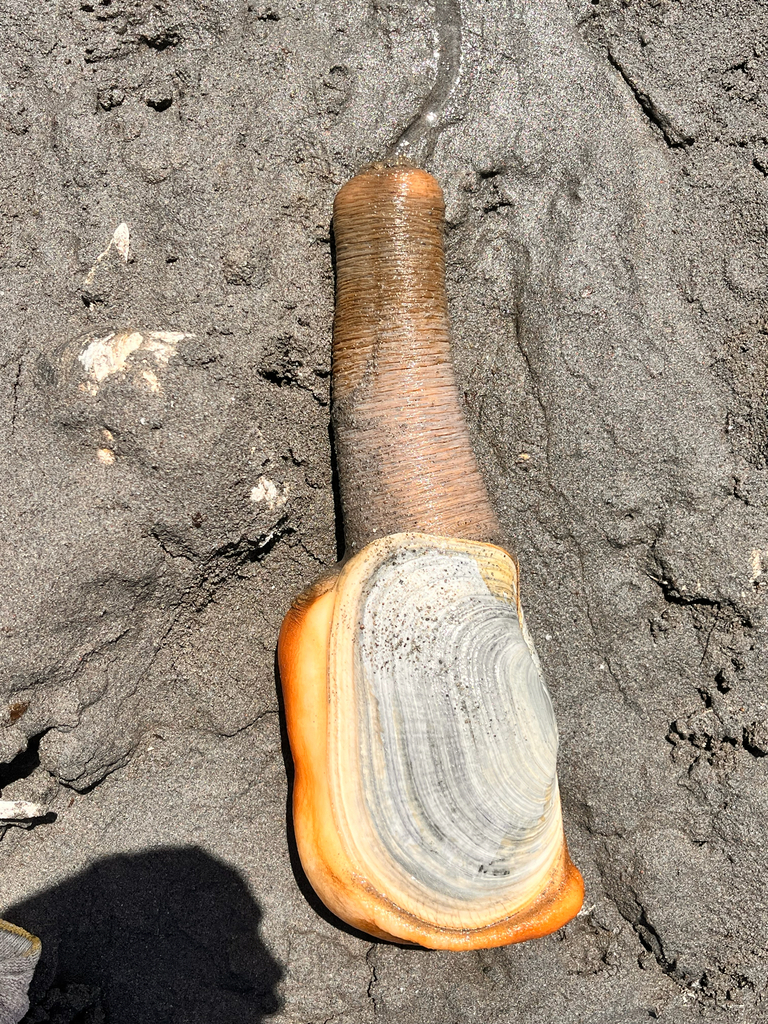
(c) Steve Taylor, some rights reserved (CC BY) · CC BY · iNaturalist 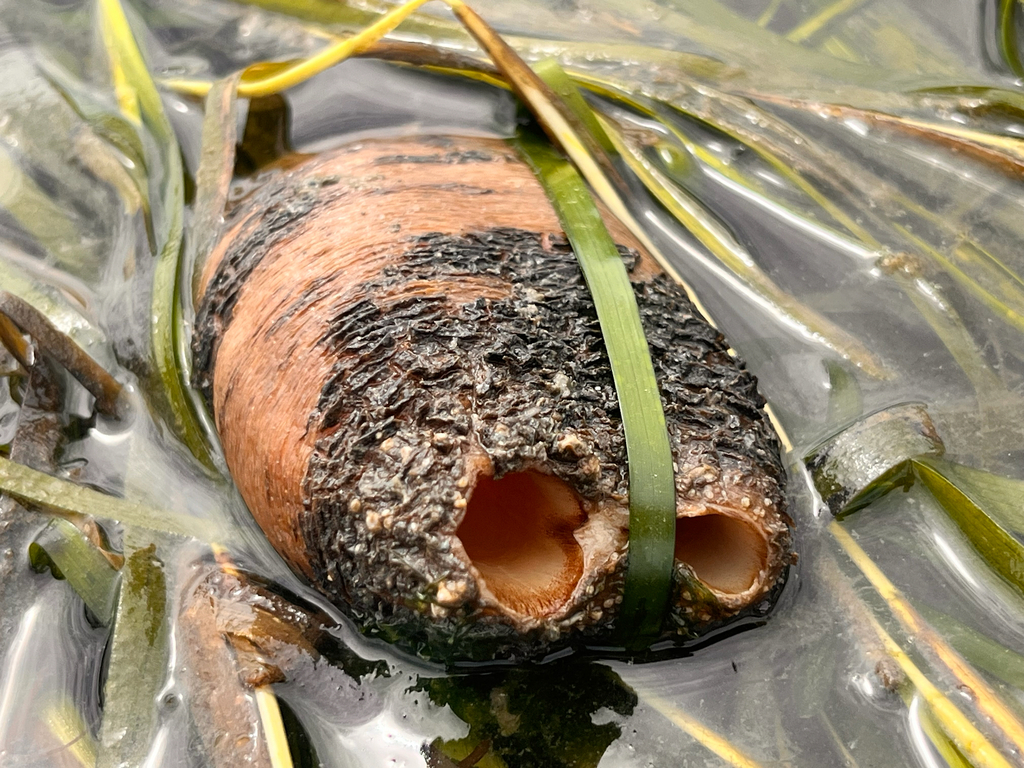
(c) Steve Taylor, some rights reserved (CC BY) · CC BY · iNaturalist 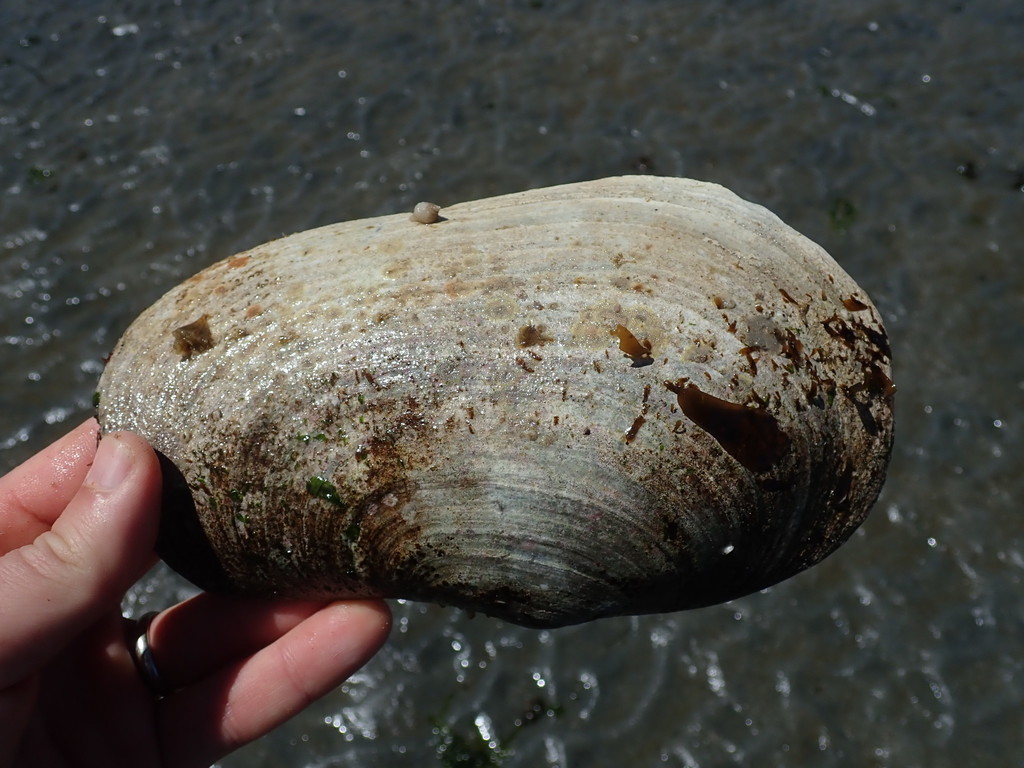
no rights reserved · CC0 1.0 · iNaturalist 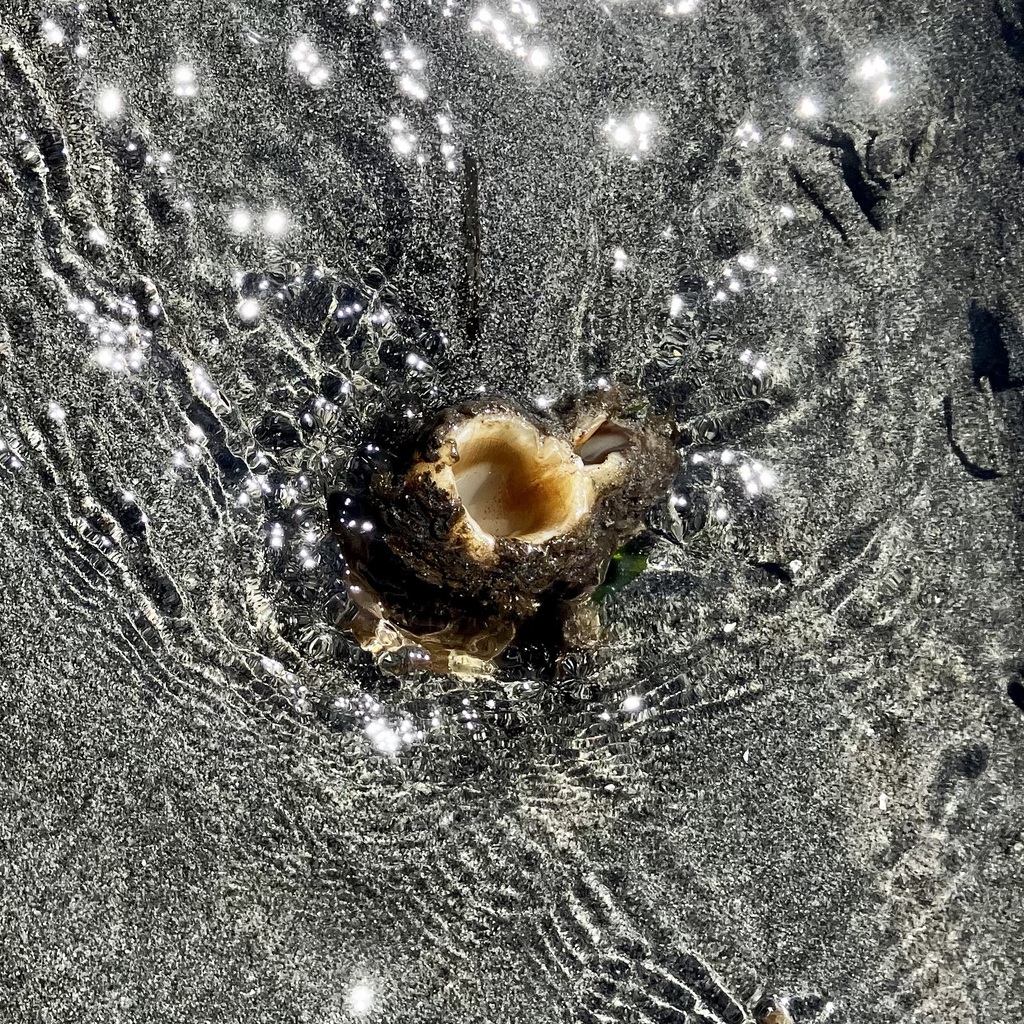
no rights reserved · CC0 1.0 · iNaturalist 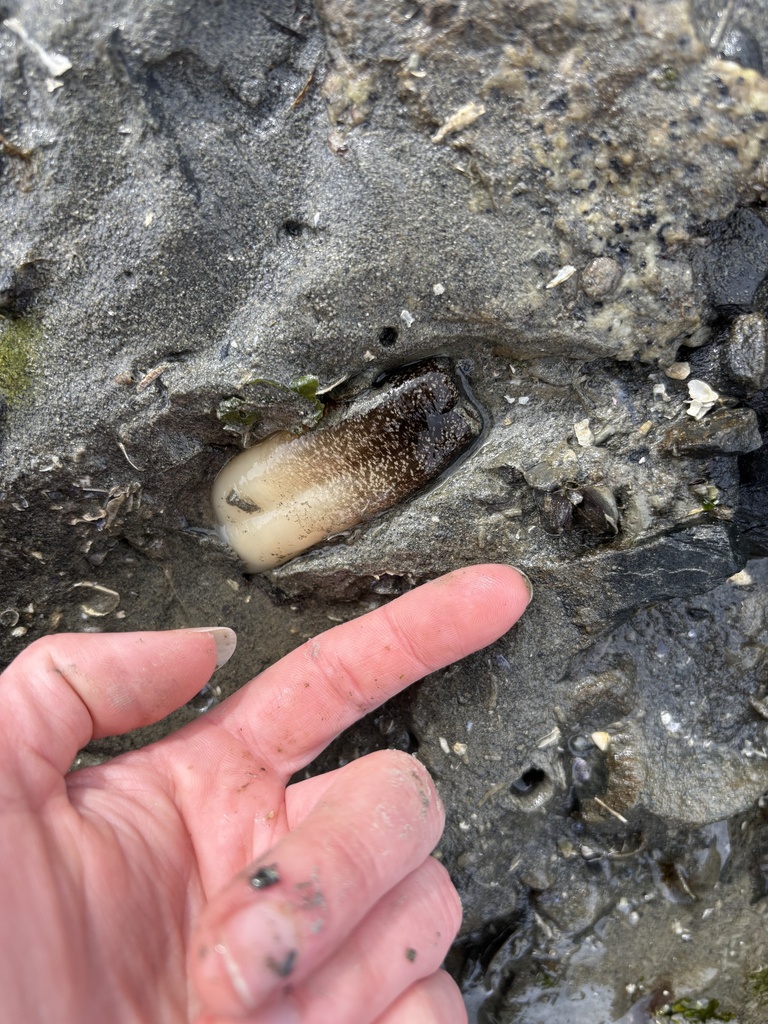
no rights reserved · CC0 1.0 · iNaturalist 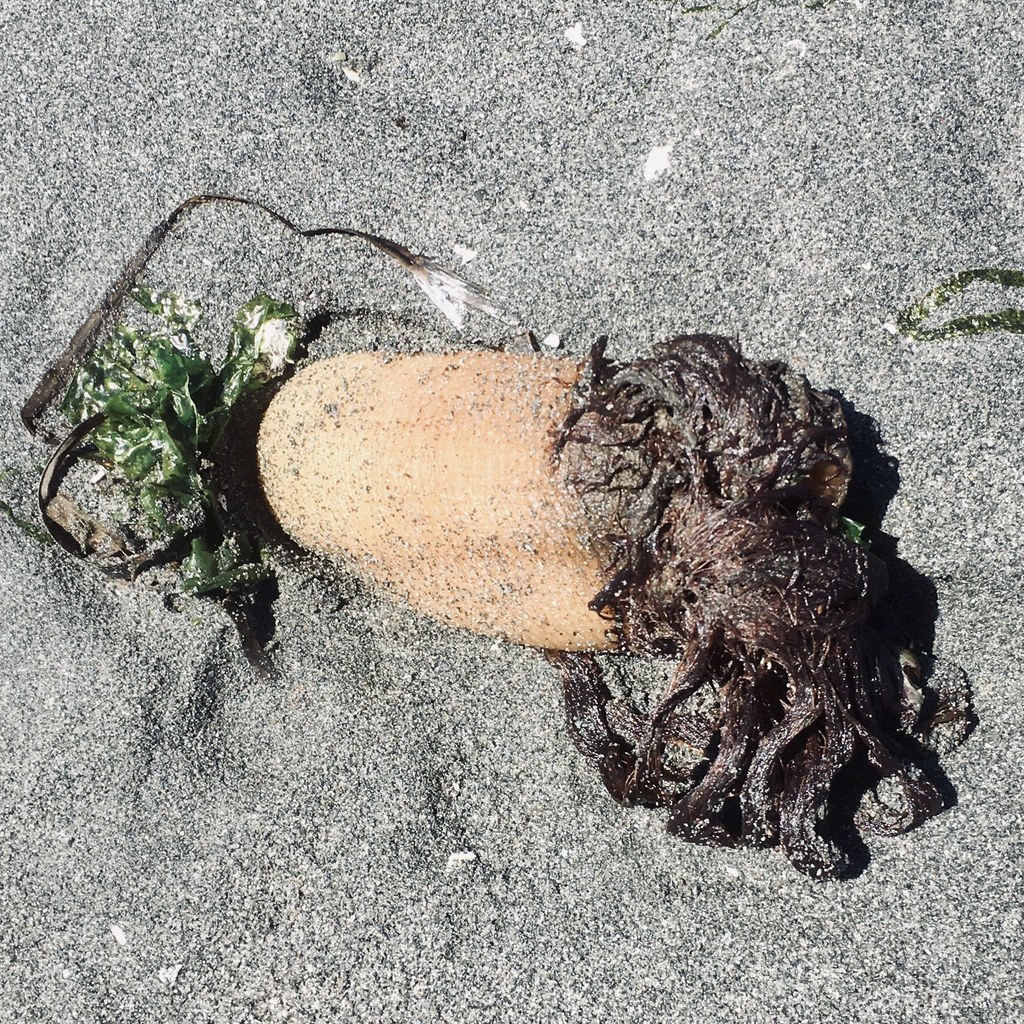
no rights reserved · CC0 1.0 · iNaturalist
Names and classification
- English
- Geoduck, geoduck, Pacific geoduck, 太平洋潛泥蛤 (象拔蚌)
Names in 5 more languages
- German
- Elefantenrüsselmuschel
- Spanish
- Almeja chiluda, Almeja generosa
- Japanese
- アメリカナミガイ
- Korean
- 코끼리조개
- Simplified Chinese
- 象拔蚌
Similar species
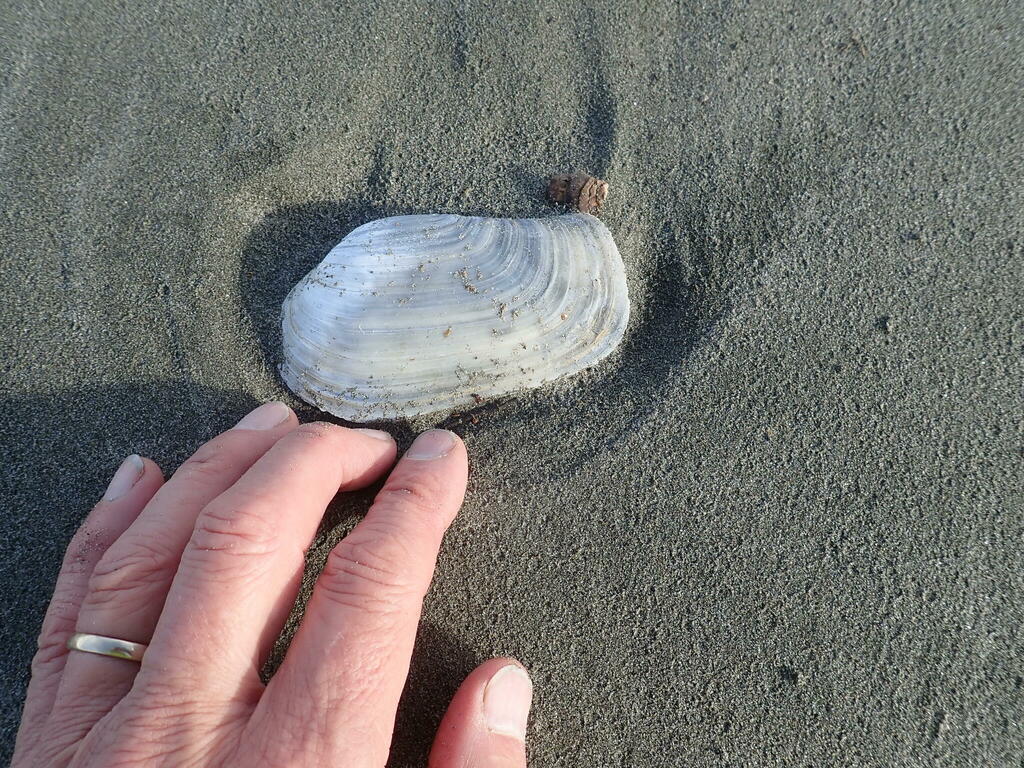 Deepwater Clam
Panopea zelandica
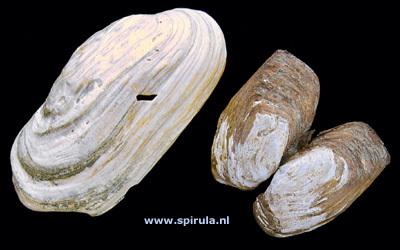 Arctic hiatella
Hiatella arctica
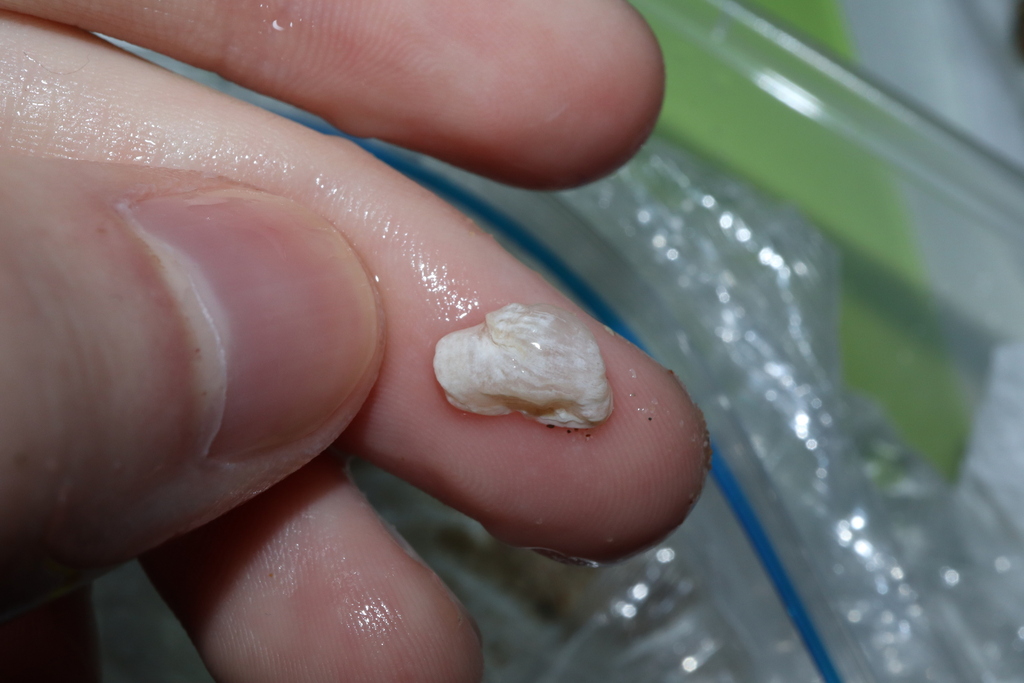 Australian Rock-Borer
Hiatella australis
Sources and credits
Names and taxonomy: WoRMS (CC BY 4.0) and the GBIF Backbone (CC BY 4.0). Photos: iNaturalist observers, each under the licence shown (CC0, CC BY or CC BY-SA).
- Depth, temperature, months and maps: records from OBIS and GBIF under CC0 or CC BY.
- Descriptions: Wikipedia, licensed CC BY-SA, each linked to its article.
- Conservation status as published by GBIF (IUCN Red List).
- 16,479 open-data records from 1941 to 2025.
- Species data updated November 5, 2026.
Log what you see on your next dive
The free DiveHive diver app keeps your logbook with every sighting and shows what lives at the site you dive next.