
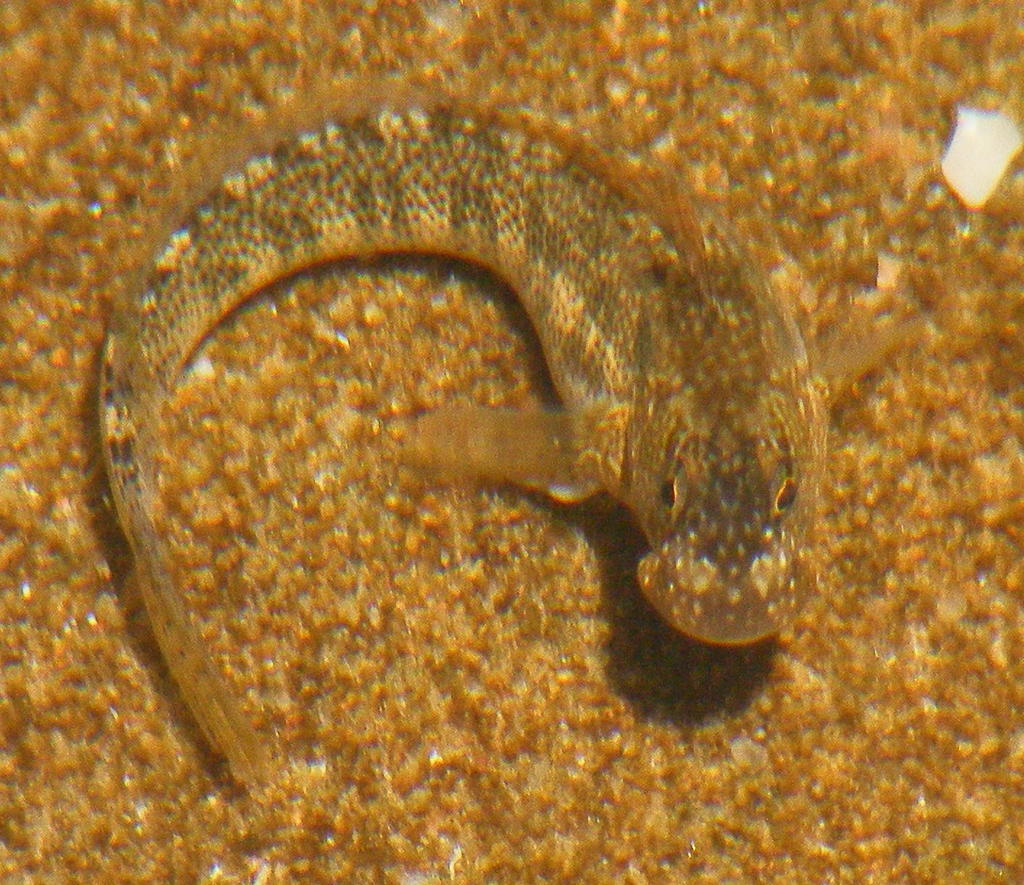
Imspringer
Istiblennius bellus
- Usual depth0–100 m
- Water temperature23–28 °C
- Best monthsNovember
- How commonRare
Photo credit: (c) Robert Taylor, some rights reserved (CC BY), uploaded by Robert Taylor · CC BY · iNaturalist
About this species
Istiblennius bellus, the imspringer, is a species of combtooth blenny found in coral reefs in the Pacific and western Indian Ocean. It is also known as the beautiful rockskipper or the dusky blenny. Males of this species can reach a maximum of 16 cm (6.3 in) SL, while females reach a maximum of 13.1 cm (5.2 in) SL.
Text from the Wikipedia article “Istiblennius bellus”, licensed CC BY-SA 4.0. Read the article
Where and when
Where it has been recorded
Worldwide
Loading the map
Best months
Worldwide (open data)
- January: 9 records
- February: 10 records
- March: 1 records
- April: 9 records
- May: 4 records
- June: 7 records
- July: 23 records
- August: 5 records
- September: 2 records
- October: 6 records
- November: 46 records
- December: 8 records
Depth and water temperature
Depth
Mostly recorded at 0–100 m · Deepest record: 100 m
Water temperature
Recorded in surface water of 23–28 °C
Photos
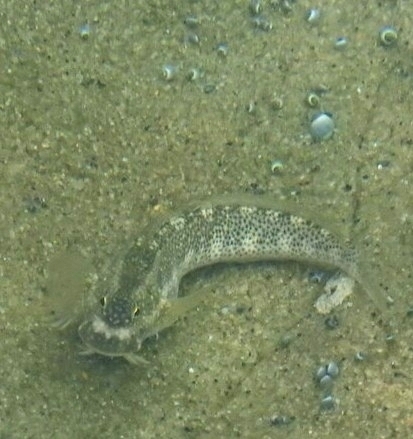
(c) Noeleen du Toit, some rights reserved (CC BY-SA) · CC BY-SA · iNaturalist 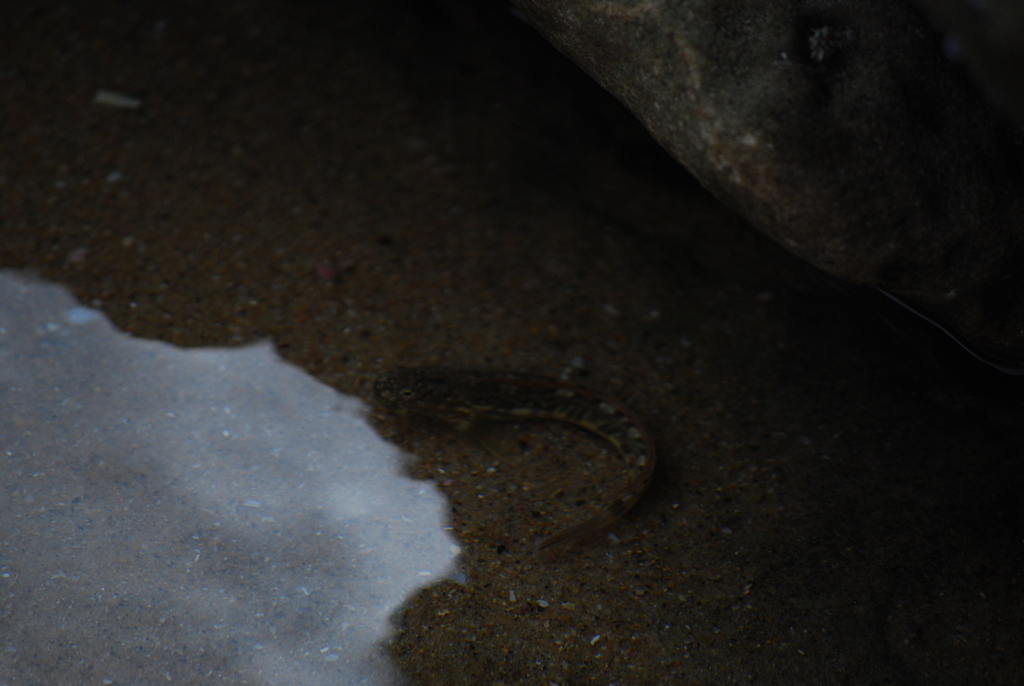
no rights reserved · CC0 1.0 · iNaturalist 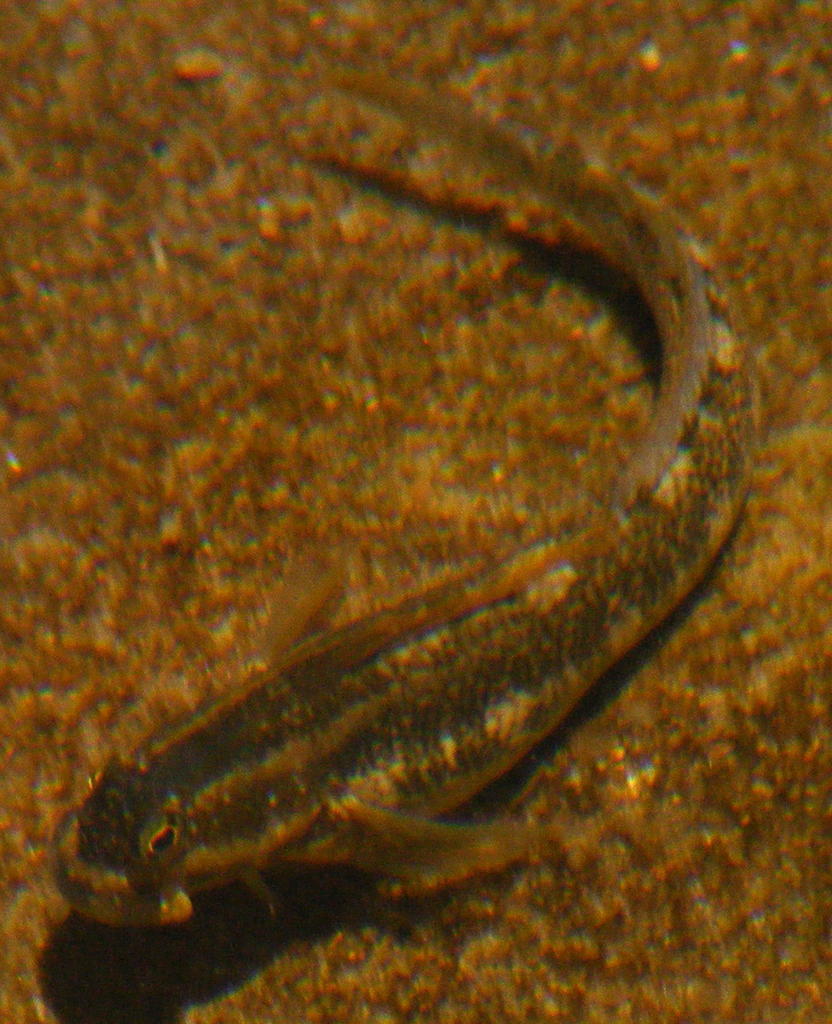
(c) Robert Taylor, some rights reserved (CC BY) · CC BY · iNaturalist 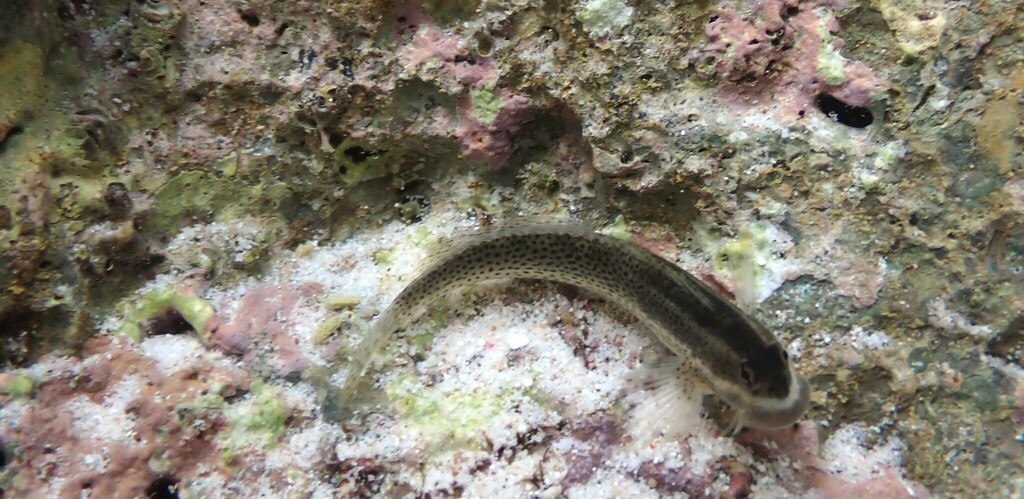
(c) Lisa Bennett, some rights reserved (CC BY) · CC BY · iNaturalist 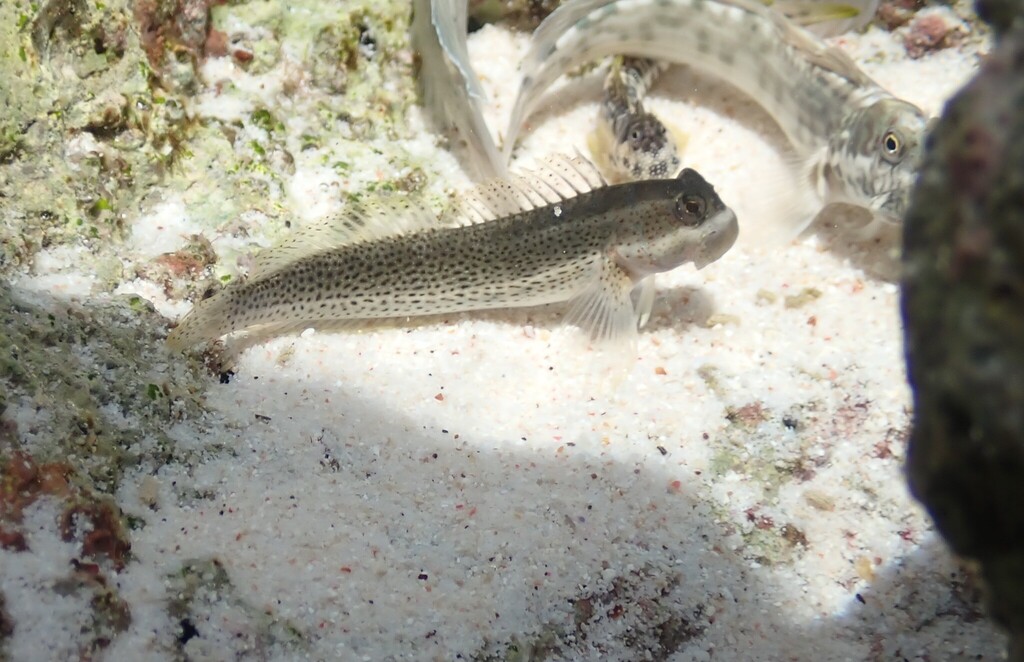
(c) Lisa Bennett, some rights reserved (CC BY) · CC BY · iNaturalist 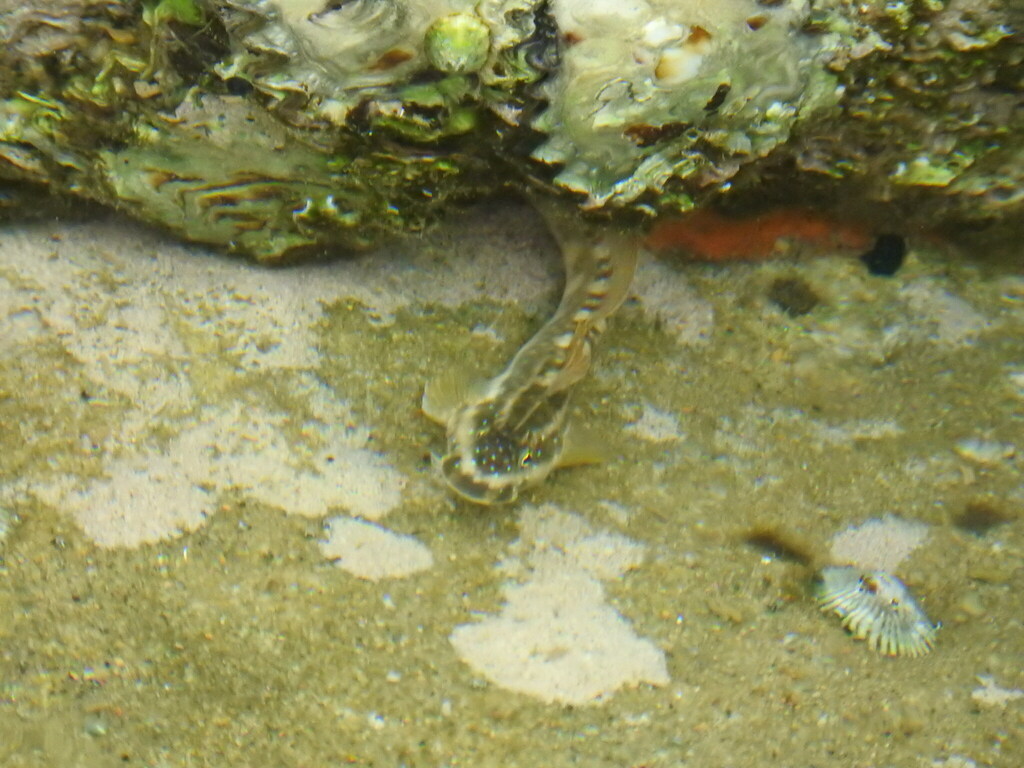
(c) Noeleen du Toit, some rights reserved (CC BY-SA) · CC BY-SA · iNaturalist
Names and classification
- English
- Imspringer, Beautiful Rockskipper, Dusky Blenny, imspringer
Other scientific names: Istiblennius impudens, Salarias bellus, Salarias kellersi, Salarias leopardus, Salarias personatus
Similar species
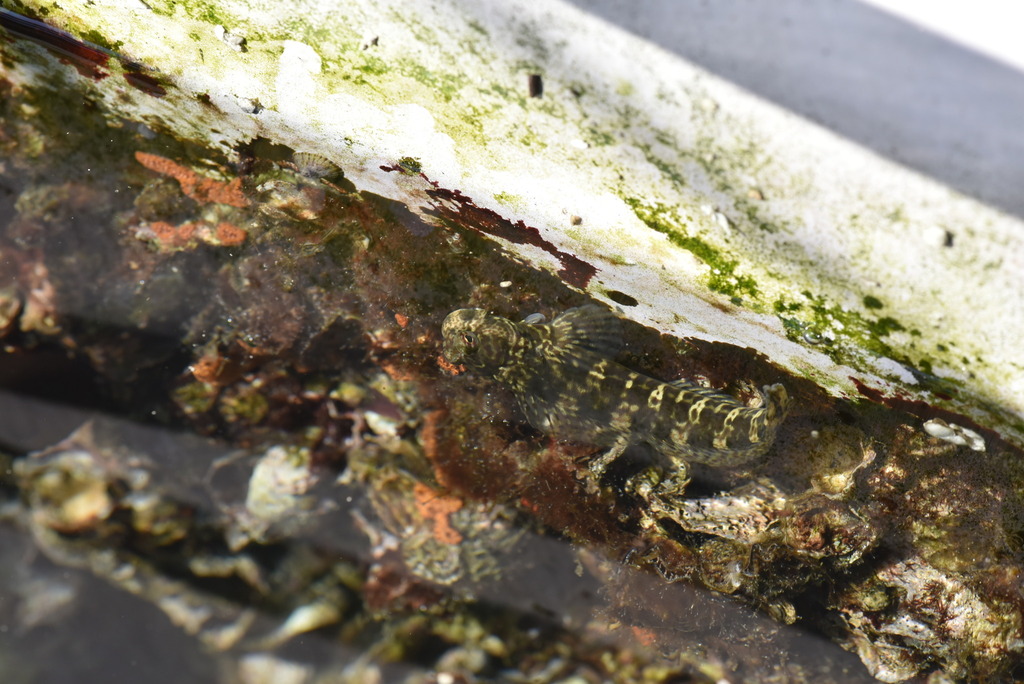 Streaky rockskipper
Istiblennius dussumieri
 Rippled rockskipper
Istiblennius edentulus
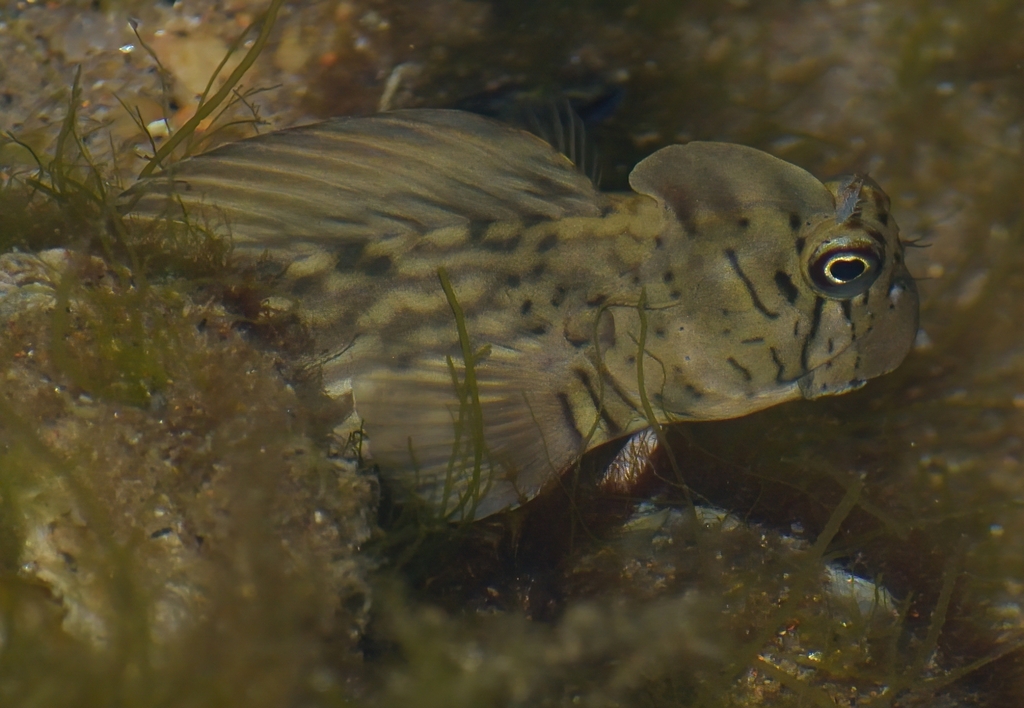 Black-lined Blenny
Istiblennius lineatus
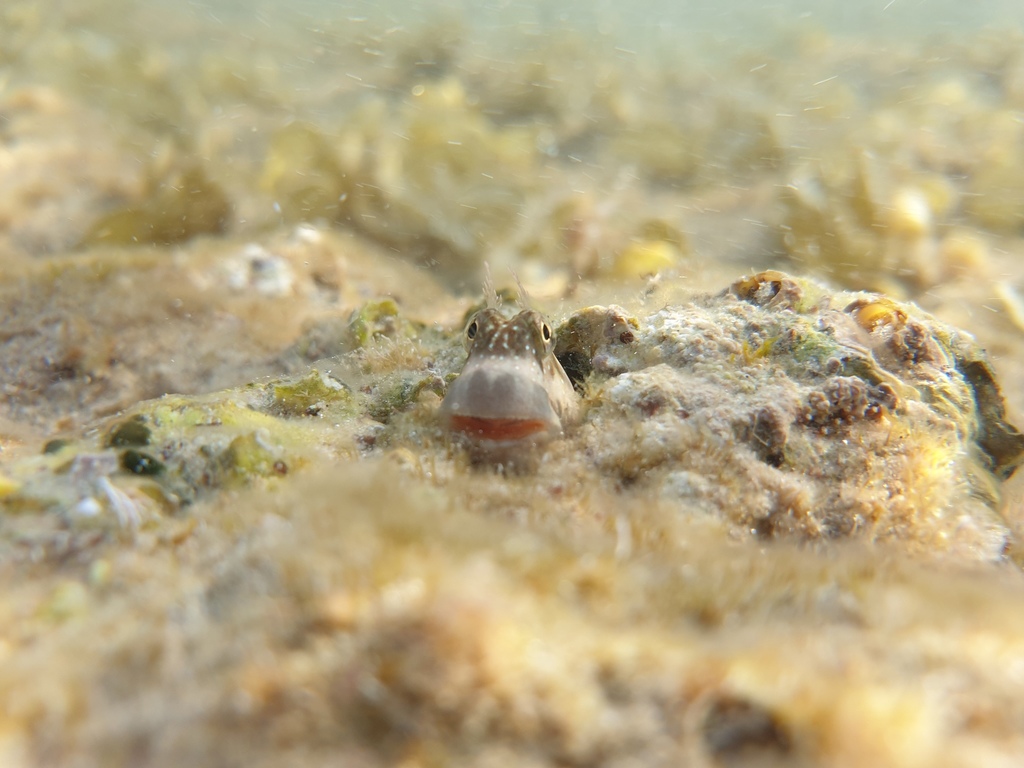 peacock blenny
Istiblennius meleagris
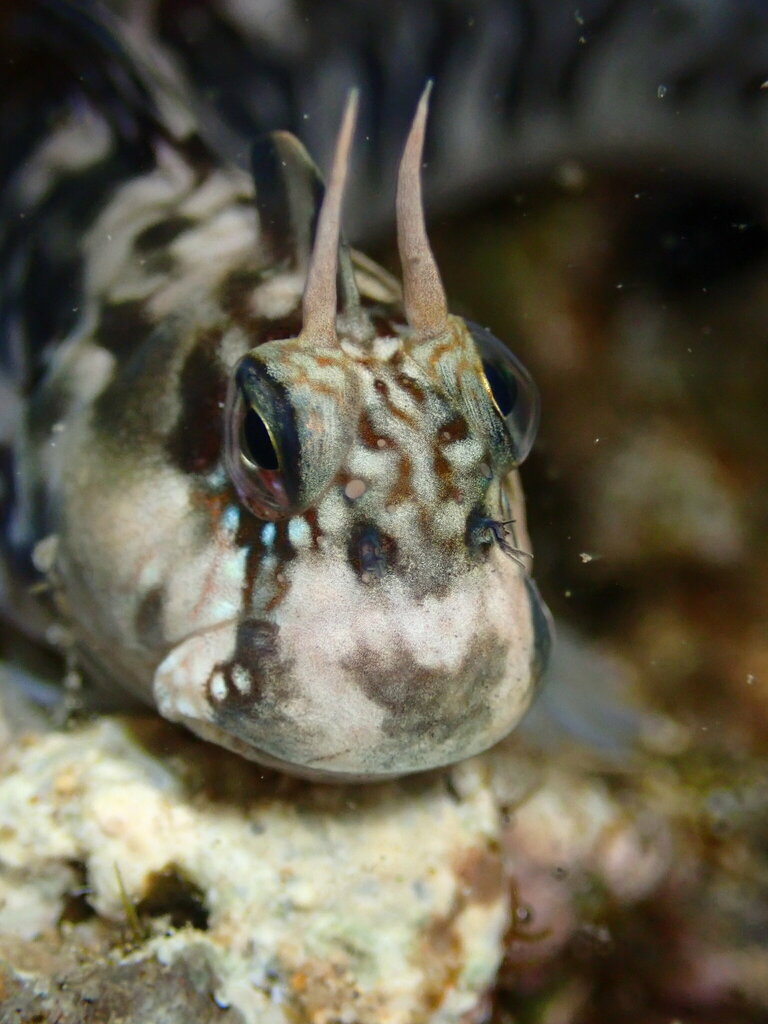 rockskipper
Istiblennius zebra
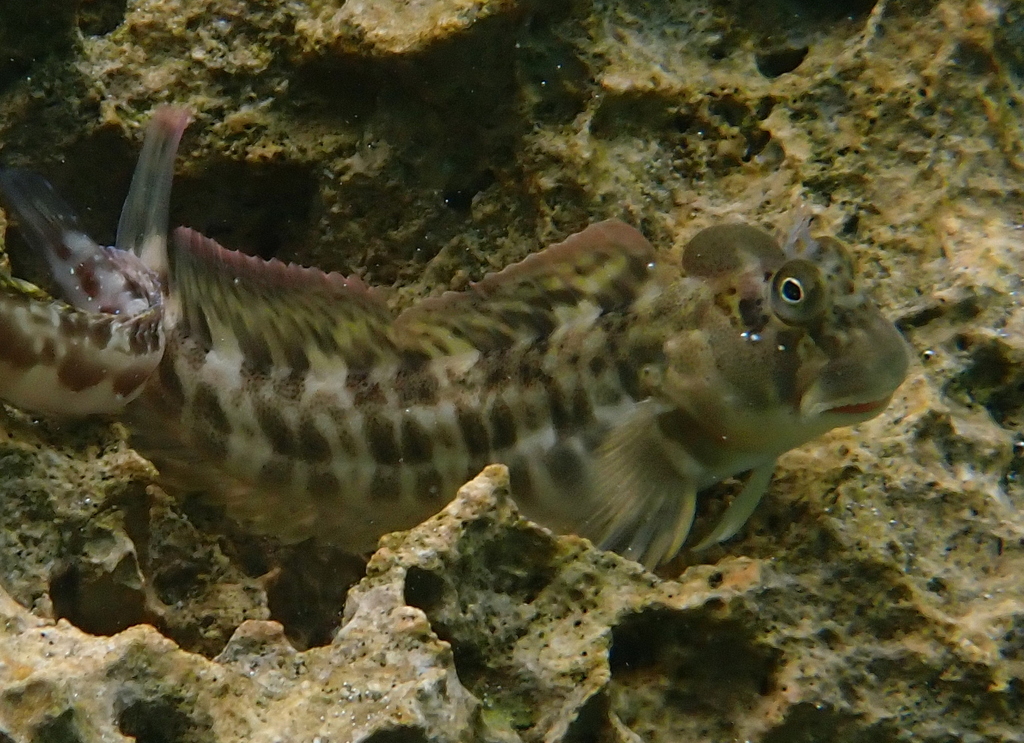 pallid rockskipper
Istiblennius flaviumbrinus
Sources and credits
Names and taxonomy: WoRMS (CC BY 4.0) and the GBIF Backbone (CC BY 4.0). Photos: iNaturalist observers, each under the licence shown (CC0, CC BY or CC BY-SA).
- Depth, temperature, months and maps: records from OBIS and GBIF under CC0 or CC BY.
- Descriptions: Wikipedia, licensed CC BY-SA, each linked to its article.
- Conservation status as published by GBIF (IUCN Red List).
- 111 open-data records from 1861 to 2023.
- Species data updated November 3, 2026.
Log what you see on your next dive
The free DiveHive diver app keeps your logbook with every sighting and shows what lives at the site you dive next.