
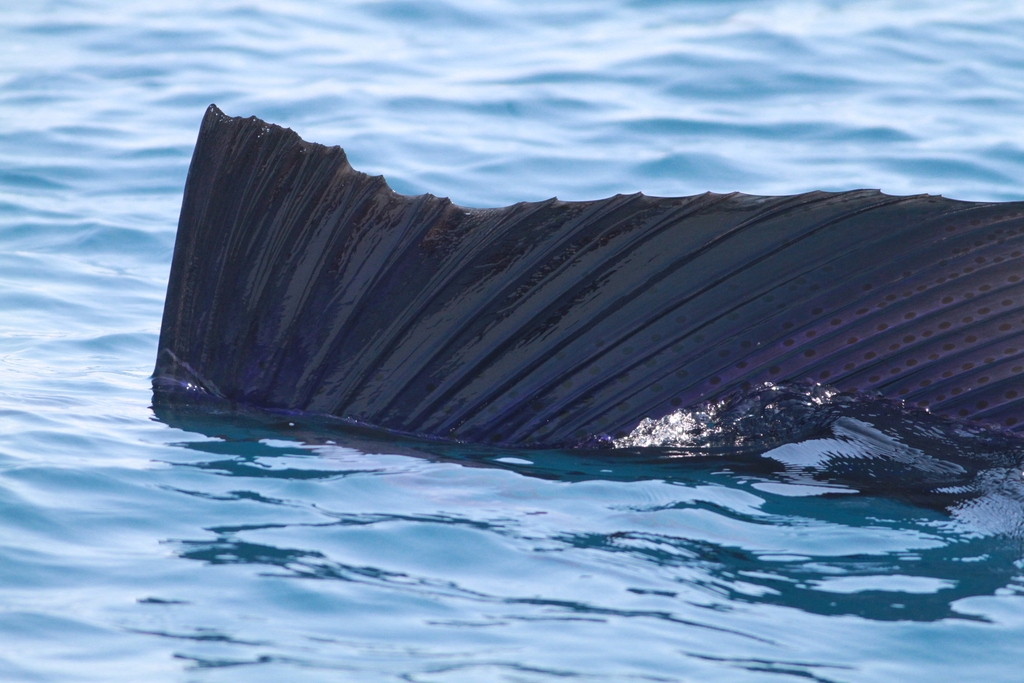
Indo-Pacific sailfish
Istiophorus platypterus
- Usual depth7–32 m
- Water temperature17–30 °C
- Best monthsJanuary, February, and June
- How commonOccasional
Photo credit: (c) harrier, some rights reserved (CC BY) · CC BY · iNaturalist
About this species
The Indo-Pacific sailfish is a sailfish native to the Indian and Pacific Oceans and is naturalized in the Atlantic where it has entered the Mediterranean Sea via the Suez Canal as a Lessepsian migrant. It is dark blue on top, brown-blue laterally, silvery white underbelly; upper jaw elongated in the form of a spear; first dorsal fin greatly enlarged in the form of a sail, with many black cones, its front squared off, highest at its midpoint; pelvic fins very narrow, reaching almost to the anus; body covered with embedded scales, blunt at end; lateral line curved above pectoral fin, then straight to base of tail. They have a large and sharp bill, which they use for hunting. They feed on tuna and mackerel, some of the fastest fish in the ocean. Most authorities only recognise a single species of sailfish, I. platypterus.
Text from the Wikipedia article “Indo-Pacific sailfish”, licensed CC BY-SA 4.0. Read the article
Where and when
Where it has been recorded
Worldwide
Loading the map
Best months
Worldwide (open data)
- January: 76 records
- February: 89 records
- March: 62 records
- April: 47 records
- May: 43 records
- June: 65 records
- July: 59 records
- August: 62 records
- September: 52 records
- October: 38 records
- November: 49 records
- December: 58 records
Depth and water temperature
Depth
Mostly recorded at 7–32 m · Deepest record: 39 m
Water temperature
Recorded in surface water of 17–30 °C
Photos
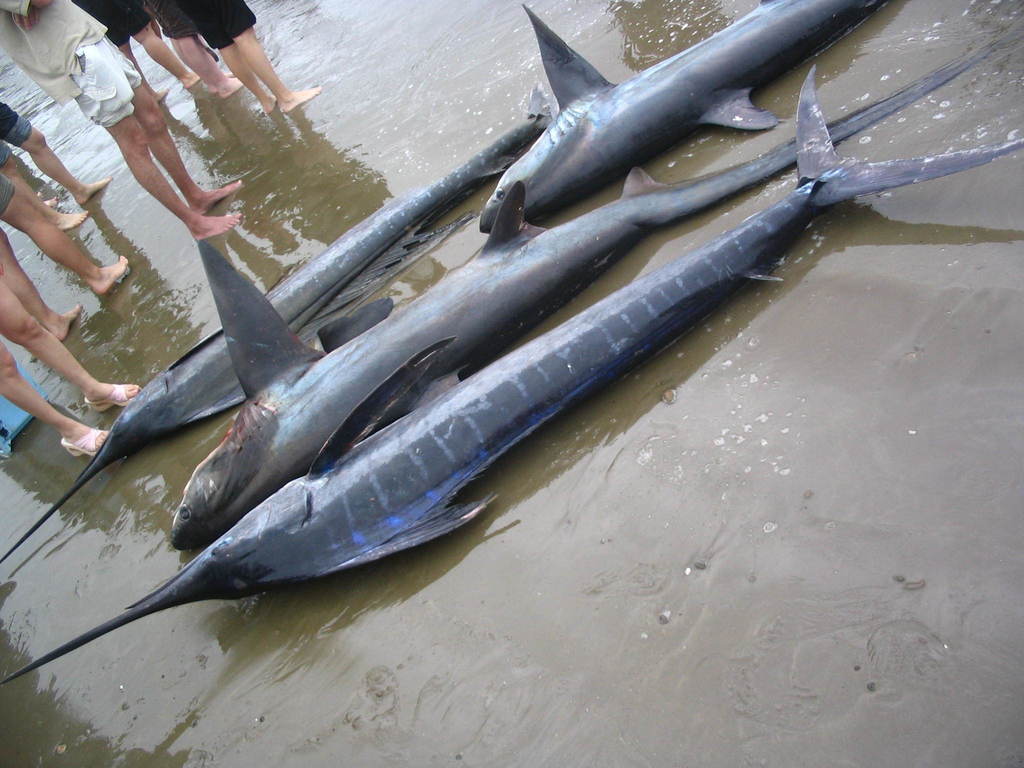
(c) cstobie, some rights reserved (CC BY) · CC BY · iNaturalist 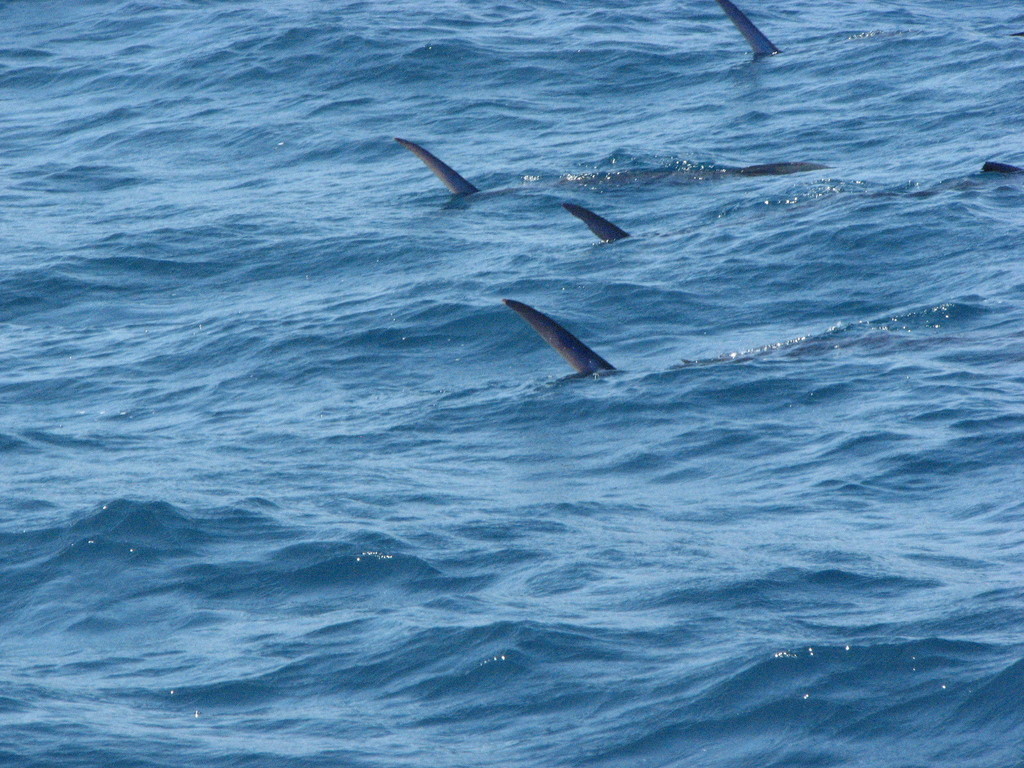
(c) CH Hemphill, some rights reserved (CC BY) · CC BY · iNaturalist 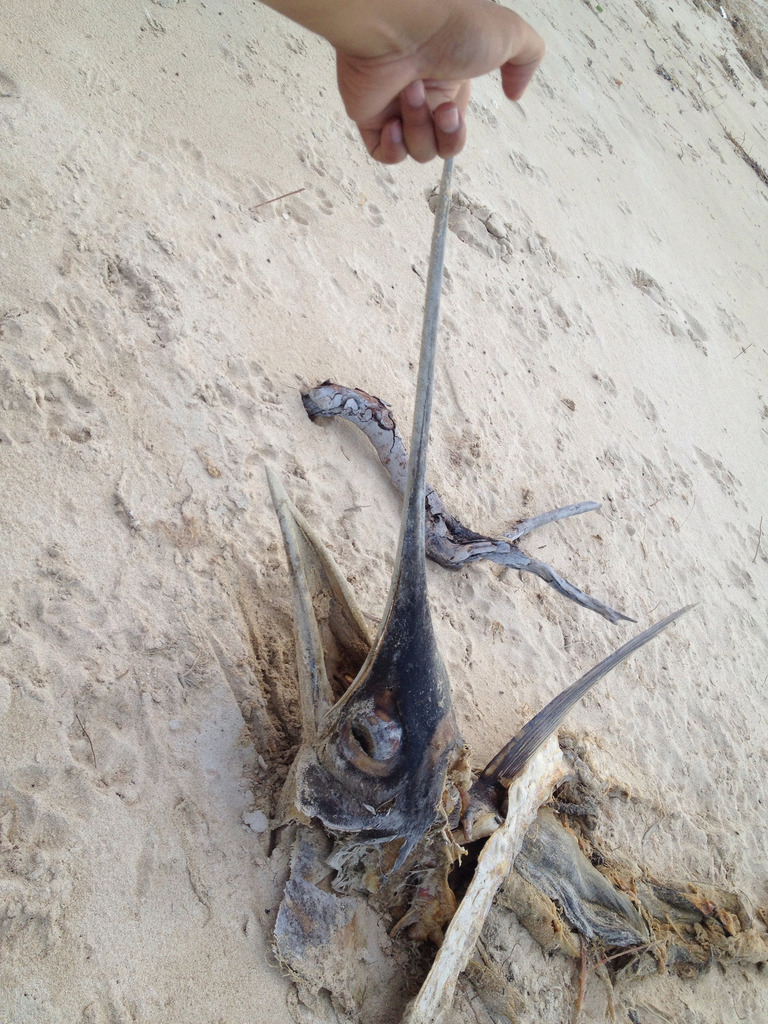
(c) Isaac Chacón, some rights reserved (CC BY) · CC BY · iNaturalist 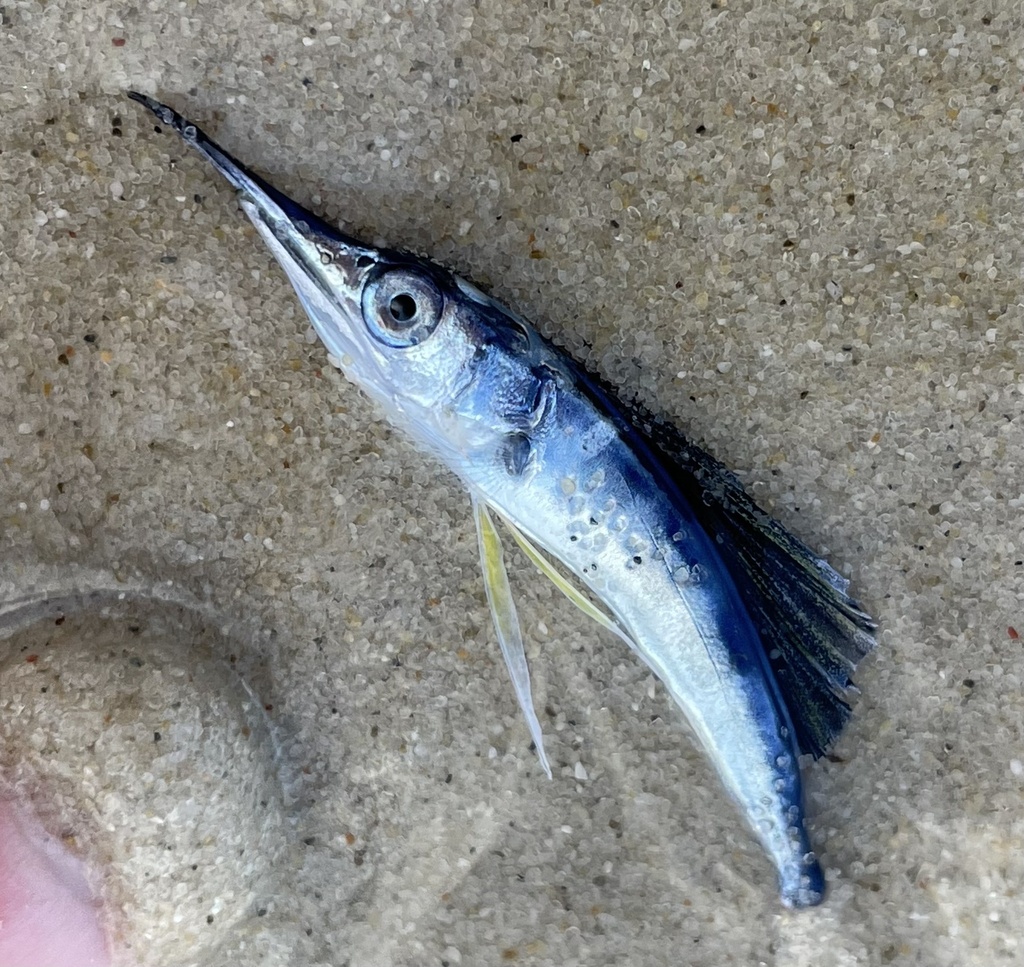
(c) Greg Tasney, some rights reserved (CC BY-SA) · CC BY-SA · iNaturalist 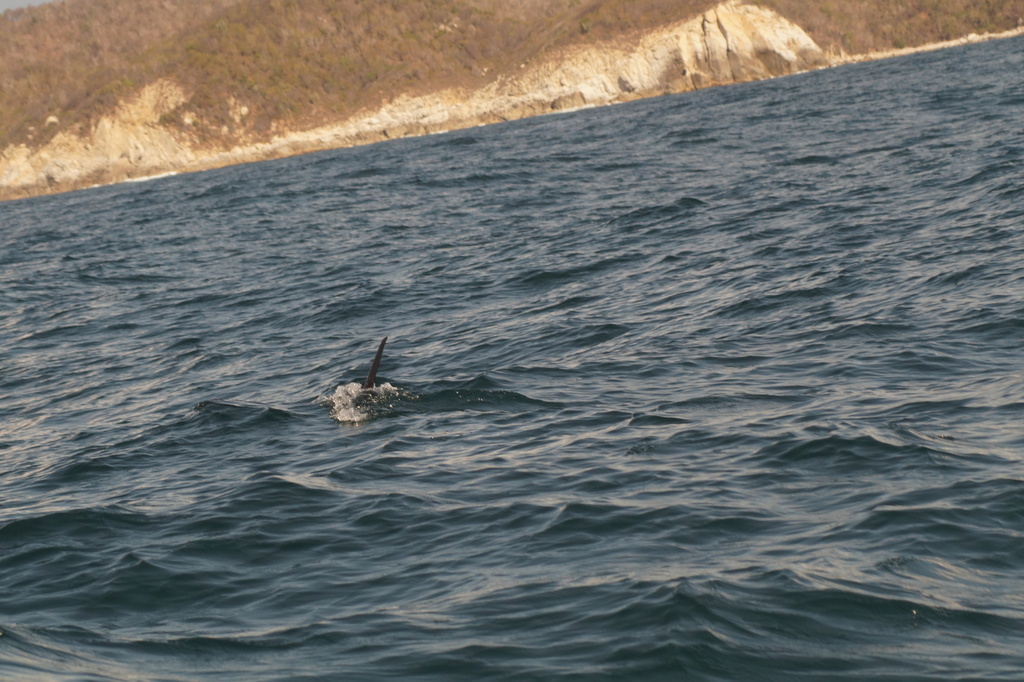
(c) Carlos Domínguez-Rodríguez, some rights reserved (CC BY) · CC BY · iNaturalist 
(c) James-LaFontaine, some rights reserved (CC BY) · CC BY · iNaturalist 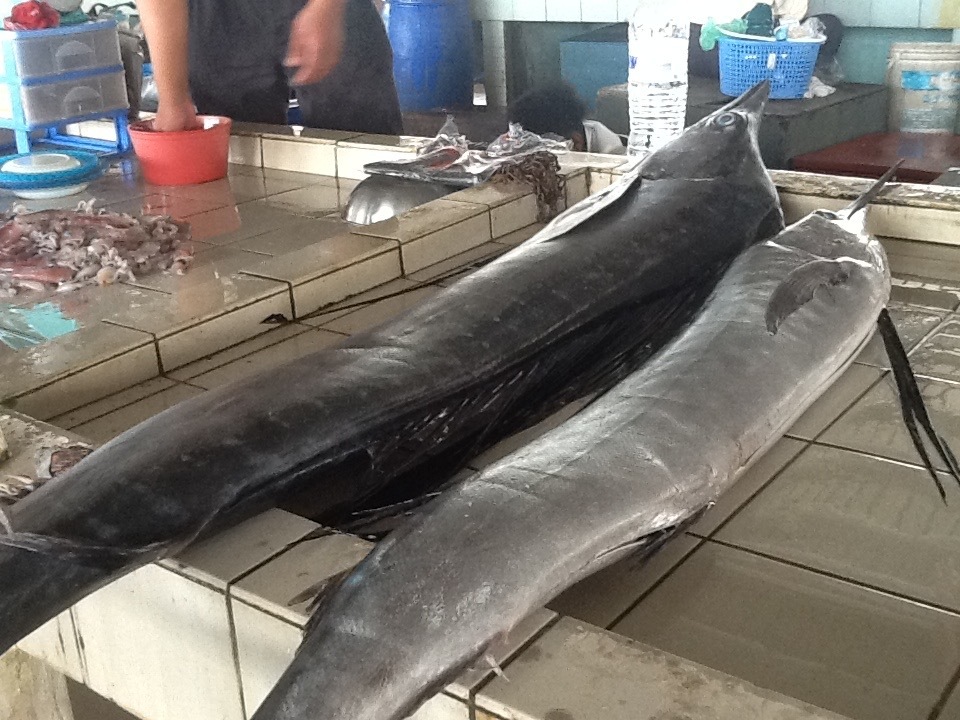
(c) Jiro Iguchi, some rights reserved (CC BY) · CC BY · iNaturalist
Names and classification
- English
- Indo-Pacific sailfish, Sailfish, Atlantic sailfish, bayonet fish, Bayonet-fish, Pacific Sailfish, sailfish
Names in 7 more languages
- German
- Fächerfisch, Indopazifischer Fächerfisch
- Spanish
- aguja de abanico, pez vela, Pez vela del Atlántico, Pez vela del Indo-Pacífico, Pez vela del Pacífico, Pez Velo, Picudo Banderón
- French
- Empereur Éventail, Empereur éventail, Voilier, Empereur l'éventail, Espadon Voilier, Poisson-voilier, Voilier, Voilier de I'Indo-Pacifique, Voilier de l'Atlantique, voilier indo-pacifique, Voilier indo-pacifique, Voilier, Voilier de I'Indo-Pacifique, Voilier indo-pacifique, Bécasse de mer, Espadon voilier
- Japanese
- Bashokajiki, Bashôkajiki, バショウカジキ
- Korean
- 돛새치, 대서양돛새치, 태평양돛새치
- Thai
- ปลากระโทงร่ม
- Simplified Chinese
- 雨傘旗魚
Other scientific names: Histiophorus dubius, Histiophorus gladius, Histiophorus immaculatus, Histiophorus indicus, Histiophorus orientalis, Istiophorus amarui, Istiophorus brookei, Istiophorus dubius, Istiophorus eriquius, Istiophorus gladifer, Istiophorus gladius, Istiophorus gladus, Istiophorus greyi, Istiophorus greyii, Istiophorus immaculatus, Istiophorus japonicus, Istiophorus ludibundus, Istiophorus orientalis, Istiophorus triactis, Scomber gladius, Xiphias platypterus, Xiphias velifer
Similar species
- Atlantic sailfish
Istiophorus albicans
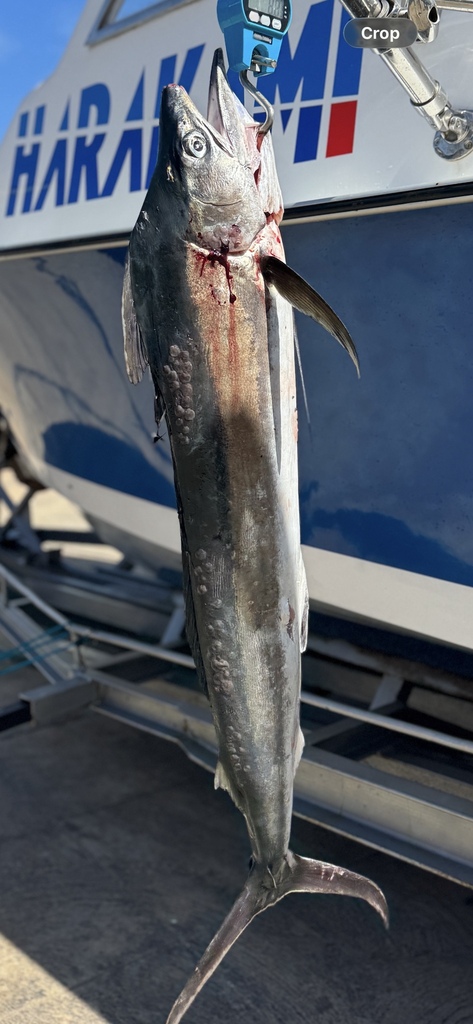 Black marlin
Istiompax indica
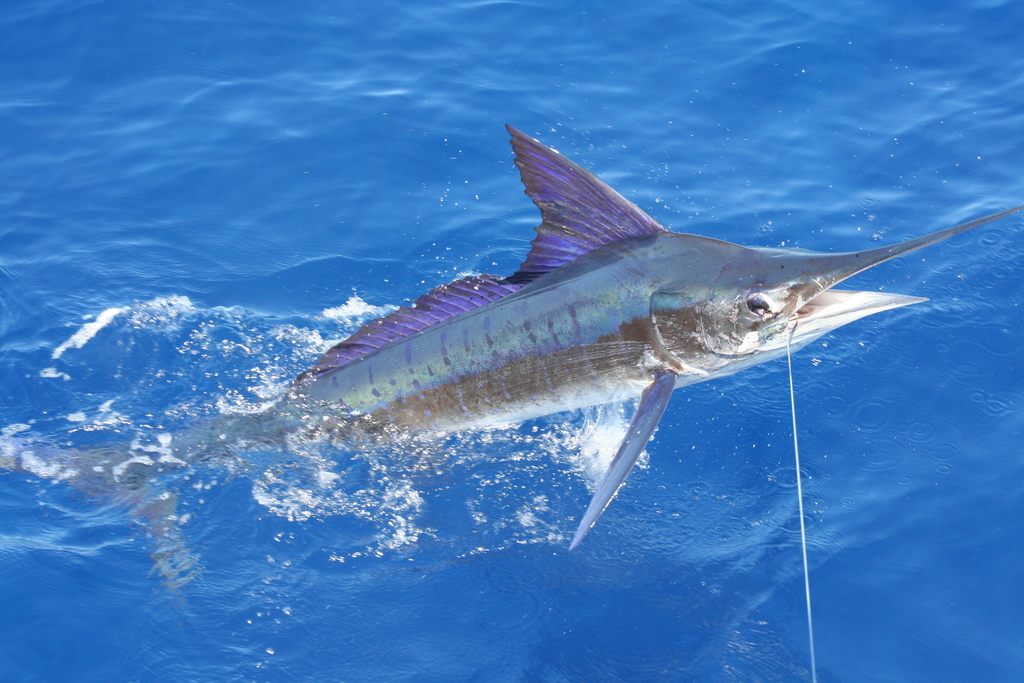 Striped marlin
Kajikia audax
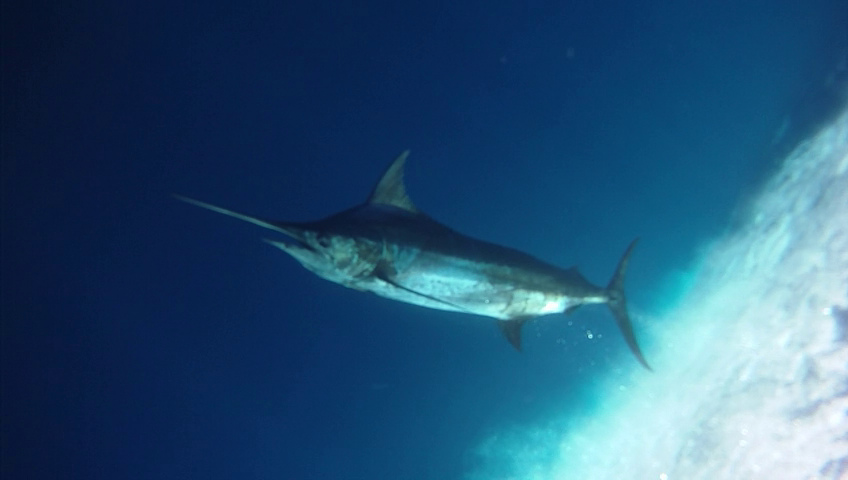 Atlantic blue marlin
Makaira nigricans
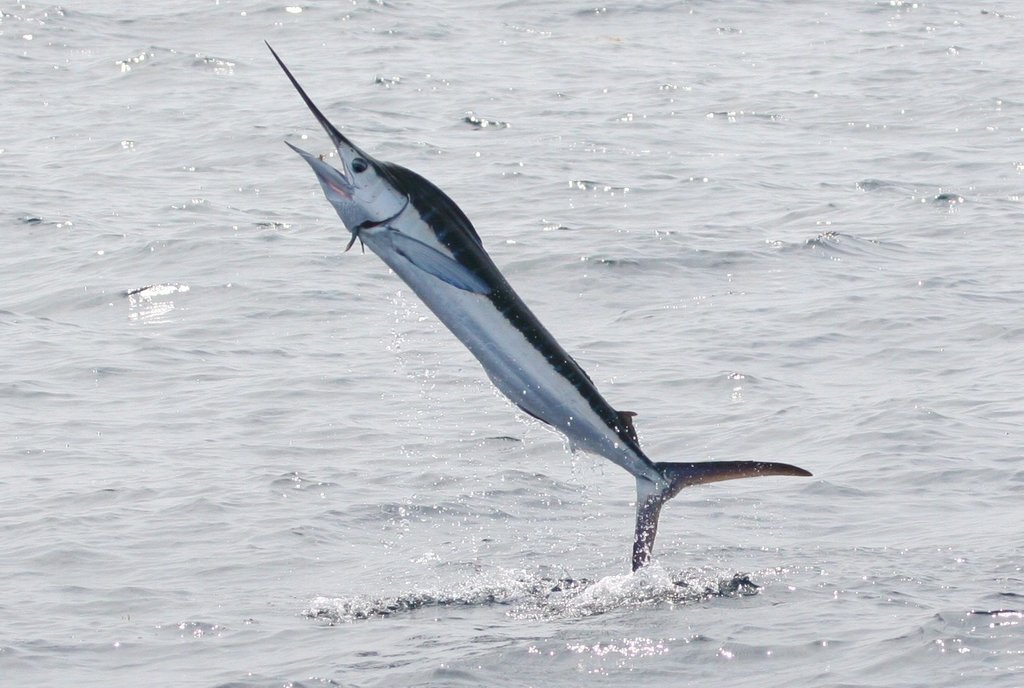 Atlantic white marlin
Kajikia albida
- Indo-Pacific blue marlin
Makaira mazara
Sources and credits
Names and taxonomy: WoRMS (CC BY 4.0) and the GBIF Backbone (CC BY 4.0). Photos: iNaturalist observers, each under the licence shown (CC0, CC BY or CC BY-SA).
- Depth, temperature, months and maps: records from OBIS and GBIF under CC0 or CC BY.
- Descriptions: Wikipedia, licensed CC BY-SA, each linked to its article.
- Conservation status as published by GBIF (IUCN Red List).
- 2,131 open-data records from 1792 to 2024.
- Species data updated November 3, 2026.
Log what you see on your next dive
The free DiveHive diver app keeps your logbook with every sighting and shows what lives at the site you dive next.