
DiscoverSpeciesSharks and rays
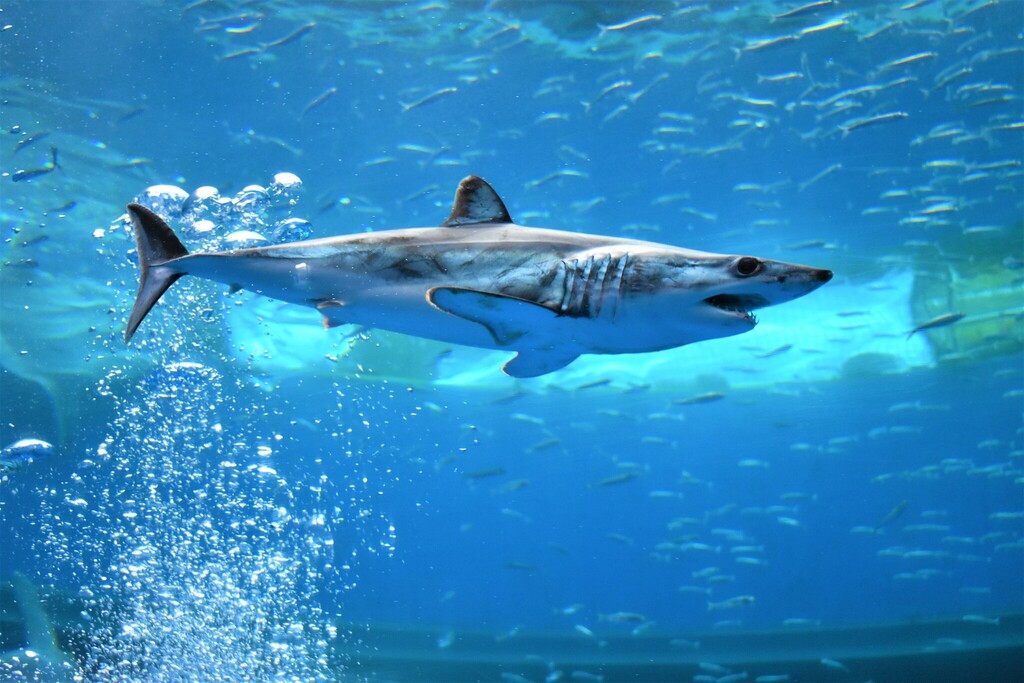
Atlantic mako shark
Isurus oxyrinchus
- Usual depth0–1,830 m
- Water temperature8–29 °C
- Best monthsFebruary and March
- How commonCommon
Photo credit: (c) 出羽雀台, some rights reserved (CC BY-SA) · CC BY-SA · iNaturalist
About this species
The shortfin mako shark, also known as the shortfin mako, blue pointer, or bonito shark, is a species of large mackerel shark. It is commonly referred to as the mako shark, as is the longfin mako shark. The fastest known shark species, able to reach speeds of 74 km/h (46 mph) in bursts, the shortfin mako can attain sizes of more than 4 m (13 ft) in length and weigh over 570 kg (1,260 lb). The species is classified as Endangered by the IUCN.
Text from the Wikipedia article “Shortfin mako shark”, licensed CC BY-SA 4.0. Read the article
Where and when
Where it has been recorded
Worldwide
Loading the map
Best months
Worldwide (open data)
- January: 540 records
- February: 1,566 records
- March: 968 records
- April: 564 records
- May: 270 records
- June: 158 records
- July: 164 records
- August: 132 records
- September: 77 records
- October: 119 records
- November: 107 records
- December: 151 records
Depth and water temperature
Depth
Mostly recorded at 0–1,830 m · Deepest record: 5,250 m
Water temperature
Recorded in surface water of 8–29 °C
Photos
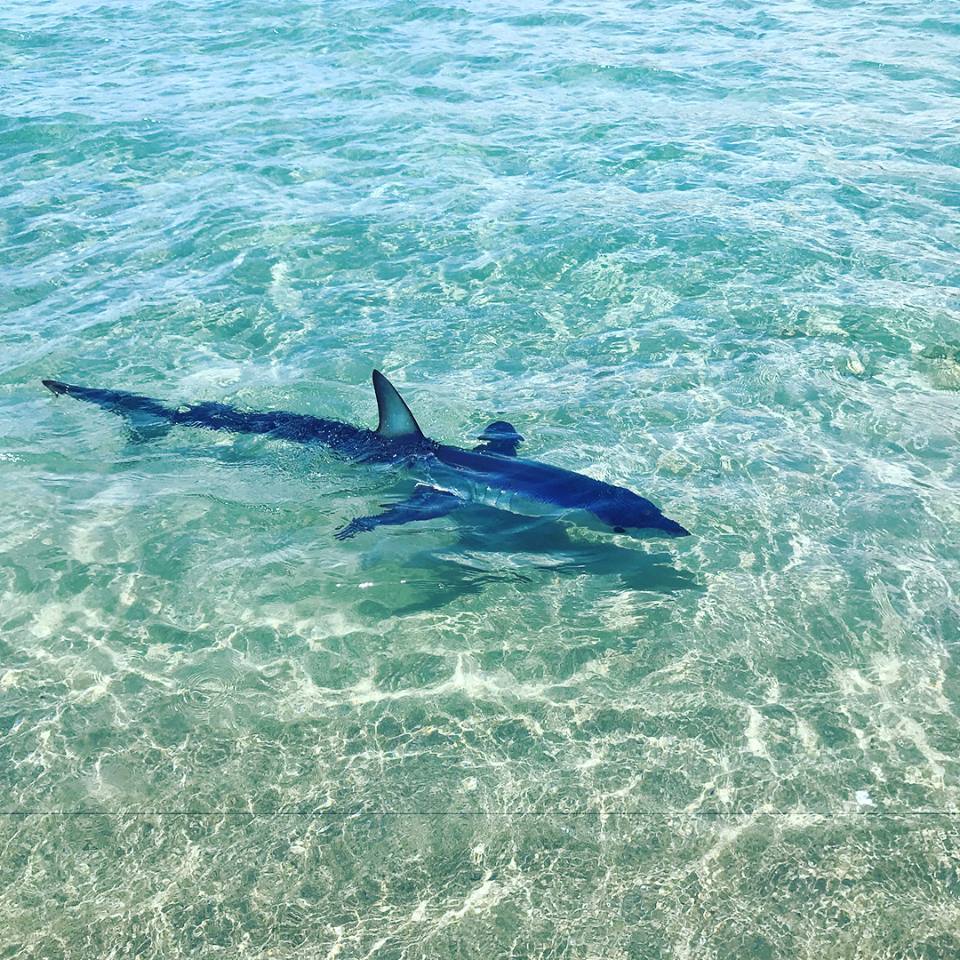
(c) biodiversitygr, some rights reserved (CC BY), uploaded by biodiversitygr · CC BY · iNaturalist 
(c) Fábio Olmos, some rights reserved (CC BY) · CC BY · iNaturalist 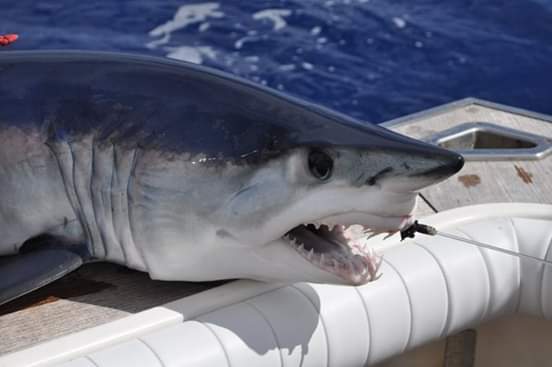
(c) Michel Frisch, some rights reserved (CC BY) · CC BY · iNaturalist 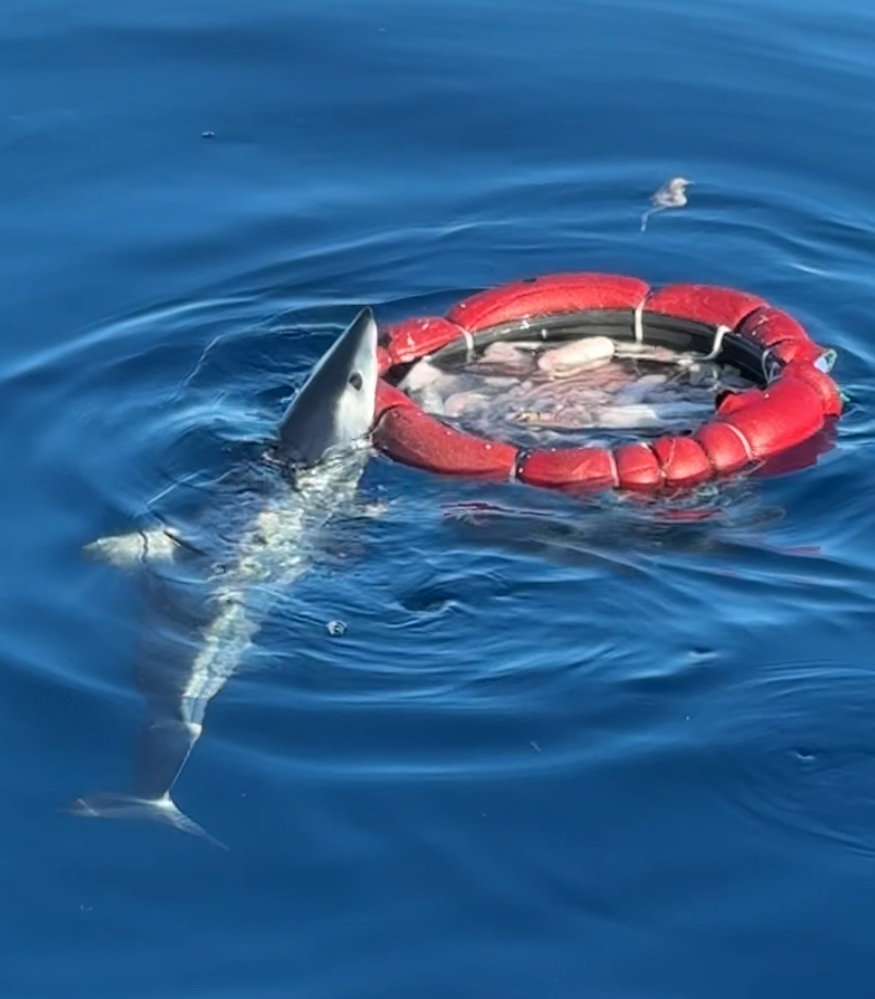
(c) Vsevolod Rudyi, some rights reserved (CC BY) · CC BY · iNaturalist 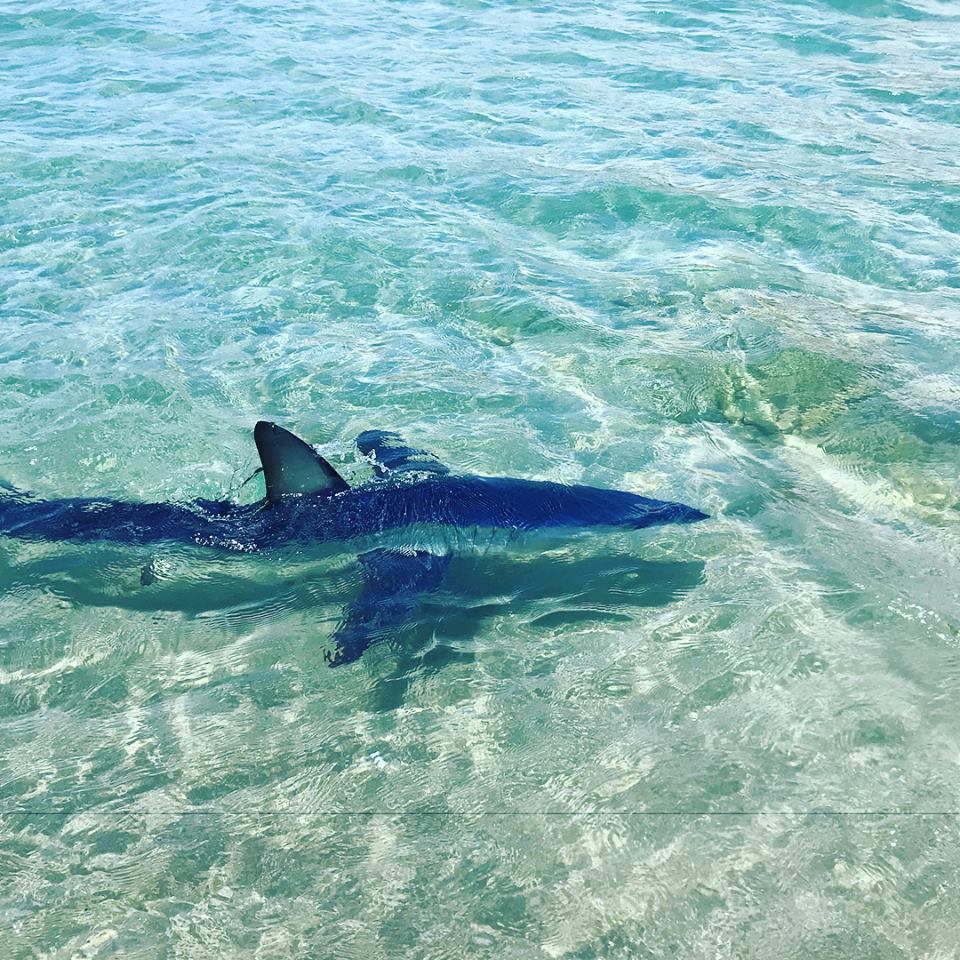
(c) biodiversitygr, some rights reserved (CC BY) · CC BY · iNaturalist 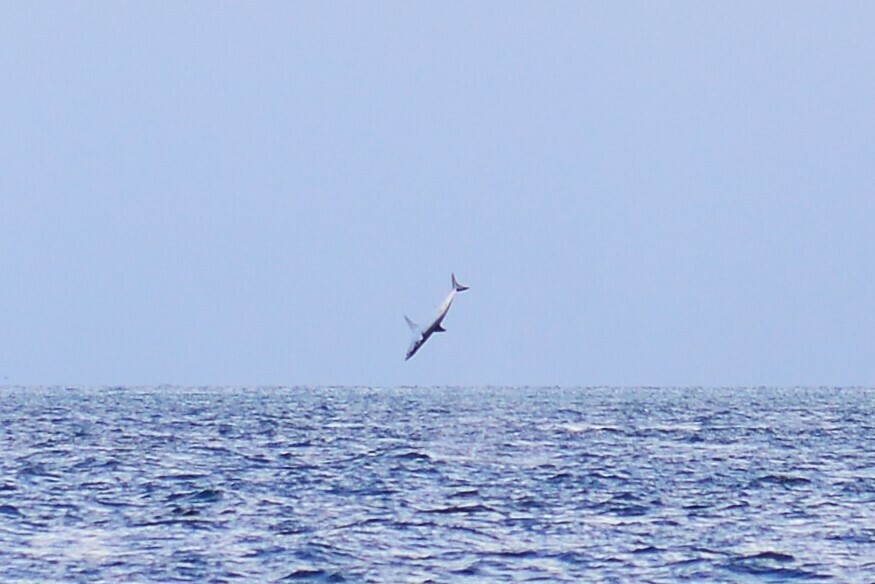
(c) Elias Freyhof, some rights reserved (CC BY) · CC BY · iNaturalist
Names and classification
- English
- Atlantic mako shark, Blue pointer, Blue porpoise shark, Blue shark, Bonito shark, Mackerel porbeagle, Atlantic mako, blue pointer, blue porpoise shark, blue shark, bonito shark, mackerel porbeagle, mackerel shark, mako, Mako, mako shark, Mediterranean mackerel shark, Pacific bonito shark, Pacific mako shark, porpoise shark, sharp nosed, sharp-nosed mackerel shark, Sharp-nosed mackerel shark, Sharp-nose mackerel shark, sharpnose mako, shortfin mako, Shortfin mako, short finned mako shark, snapper shark
Names in 5 more languages
- German
- Blauhai, Kurzflossen-Mako, Mako, Makohai, Makrelenhai
- Spanish
- alecrín, Atunero, Cane de mare, dentudo, Diamante, Dientuso, dientuso azul, ludia marraco, Maco, mako, marrajo, Marrajo, marrajo dientuso, Marrajo dientuso, marraquet, sobratg, tiburón, Tiburón azujelo, Tiburón bonito, Tiburón carito, Tinto
- French
- Lamie, Mako, mako à nageoires courtes, Marache, requin-taupe bleu, Requin taupe bleu, Requin-taupe bleu, taupe bleu, Taupe bleu, taupe bleue, Taupe bleue, Taupe bleu, Requin taupe bleu, Requin mako
- Japanese
- aozame, Aozame, awozame, morozame, アオザメ
- Simplified Chinese
- 尖吻鯖鯊, 灰鯖鮫, 煙仔沙, 煙仔鯊, 馬加, 馬加鯊
Other scientific names: Carcharias tigris, Isuropsis dekayi, Isuropsis glaucus, Isuropsis mako, Isurus africanus, Isurus bideni, Isurus cepedii, Isurus glaucus, Isurus guentheri, Isurus mako, Isurus oxyrhinchus, Isurus oxyrhincus, Isurus oxyrhynchus, Isurus spallanzani, Isurus tigris, Lamna glauca, Lamna guentheri, Lamna huidobrii, Lamna latro, Lamna oxyrhina, Oxyrhina glauca, Oxyrhina gomphodon, Squalus cepedii
Similar species
- Longfin mako
Isurus paucus
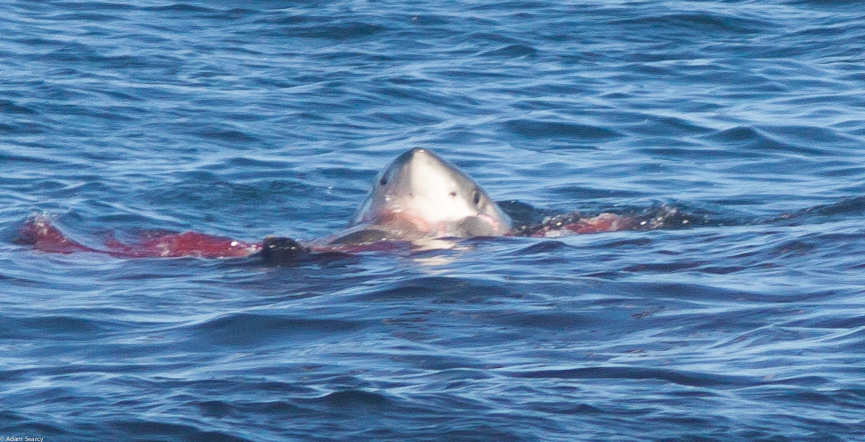 Anchovy-eater
Carcharodon carcharias
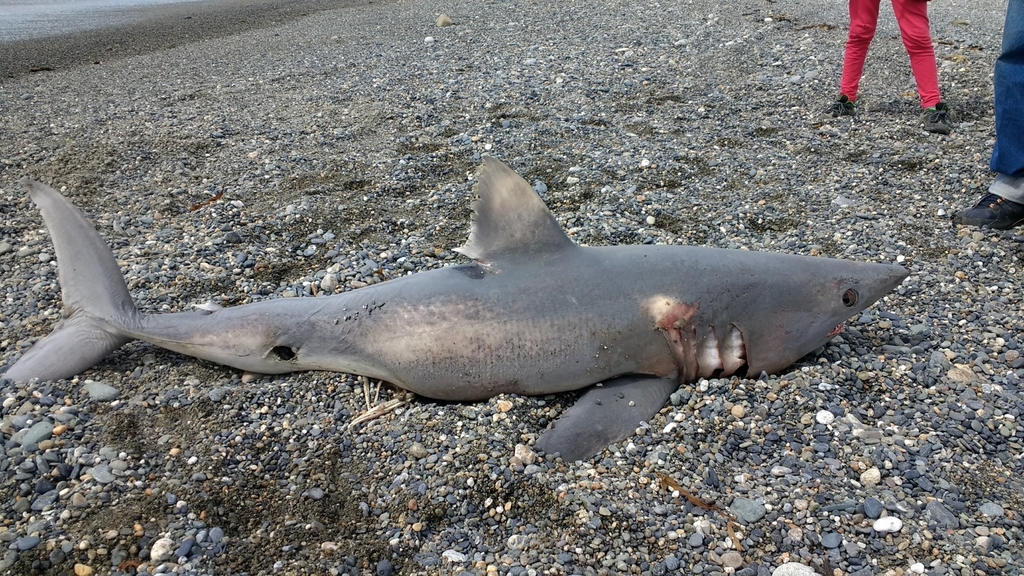 (common) Atlantic mackerel shark
Lamna nasus
Sources and credits
Names and taxonomy: WoRMS (CC BY 4.0) and the GBIF Backbone (CC BY 4.0). Photos: iNaturalist observers, each under the licence shown (CC0, CC BY or CC BY-SA).
- Depth, temperature, months and maps: records from OBIS and GBIF under CC0 or CC BY.
- Descriptions: Wikipedia, licensed CC BY-SA, each linked to its article.
- Conservation status as published by GBIF (IUCN Red List).
- 6,451 open-data records from 1810 to 2024.
- Species data updated November 3, 2026.
Log what you see on your next dive
The free DiveHive diver app keeps your logbook with every sighting and shows what lives at the site you dive next.