
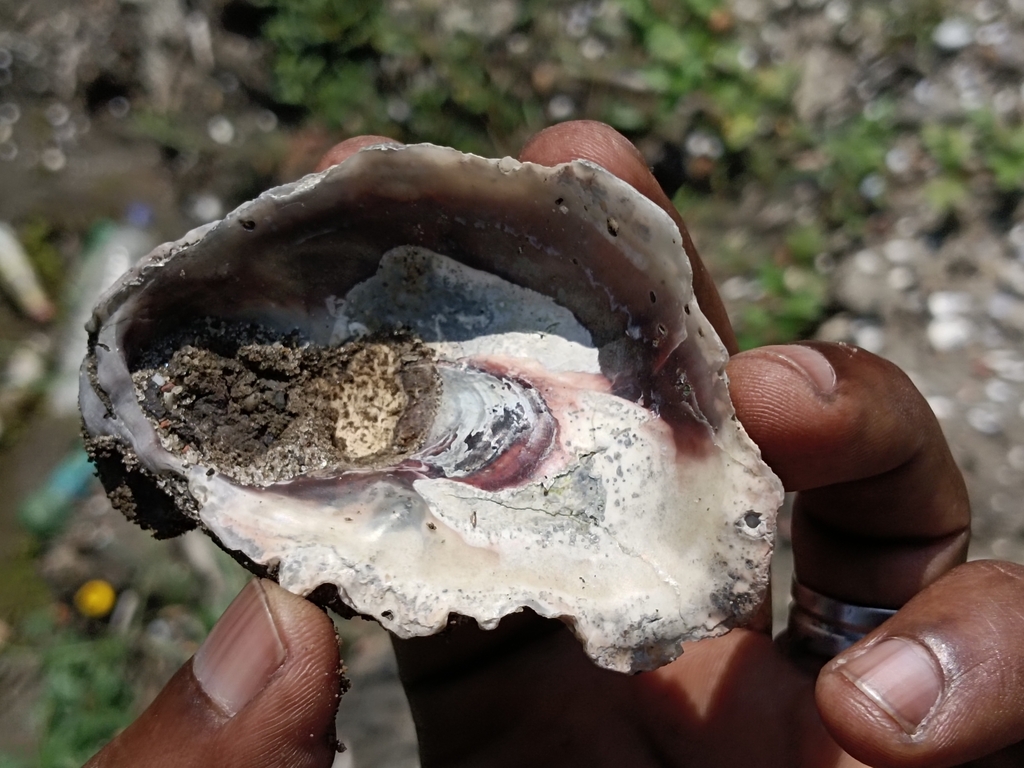
Black-Scar Oyster
Magallana bilineata
- Usual depth2–20 m
- Water temperature23–29 °C
- Best monthsFebruary and August
- How commonRare
Photo credit: (c) renjus box, some rights reserved (CC BY) · CC BY · iNaturalist
About this species
Magallana bilineata, commonly known as the Philippine cupped oyster or slipper oyster, is an economically important species of true oyster found abundantly in the western Pacific Ocean, from the Philippines to Tonga and Fiji. In 2020 an exotic population was discovered in north-east Australia. They grow attached to hard objects in brackish shallow intertidal or subtidal waters, at depths of 0 to 300 metres. They are cultured extensively in the Philippines, where annual landings can range from 11,700 to 18,300 tons. They are known as talaba or talabang tsinelas in Filipino to distinguish them from talabang kukong kabayo
Text from the Wikipedia article “Magallana bilineata”, licensed CC BY-SA 4.0. Read the article
Where and when
Where it has been recorded
Worldwide
Loading the map
Best months
Worldwide (open data)
- January: 4 records
- February: 8 records
- March: 2 records
- April: 1 records
- May: 1 records
- June: 0 records
- July: 1 records
- August: 6 records
- September: 0 records
- October: 4 records
- November: 4 records
- December: 2 records
Depth and water temperature
Depth
Mostly recorded at 2–20 m · Deepest record: 20 m
Water temperature
Recorded in surface water of 23–29 °C
Photos
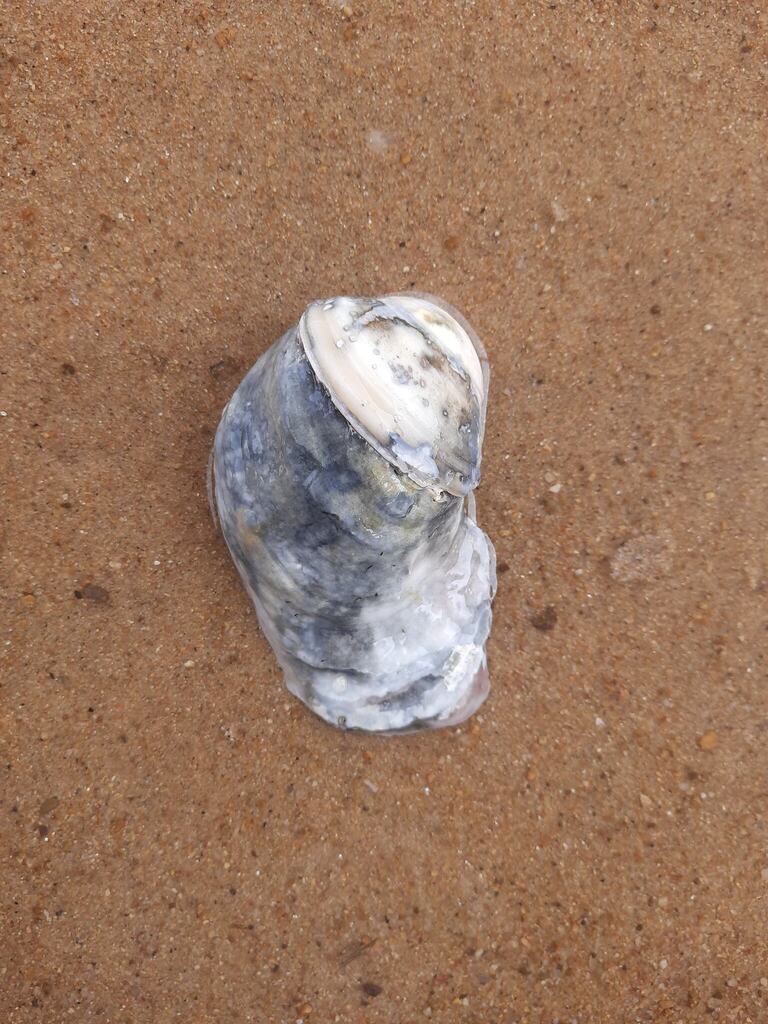
(c) Priyanshu Pradhan, some rights reserved (CC BY) · CC BY · iNaturalist
Names and classification
- English
- Black-Scar Oyster, Indian Backwater Oyster, Philippine cupped oyster, slipper cupped oyster
Names in 3 more languages
- French
- huître creuse chausson
- Japanese
- ミナミマガキ
- Thai
- หอยตะโกรมกรามดำ
Other scientific names: Crassostrea (Magallana) bilineata, Crassostrea bilineata, Crassostrea iredalei, Crassostrea lugubris, Crassostrea madrasensis, Ostraea angulata, Ostraea lugubris, Ostrea bilineata, Ostrea iredalei, Ostrea lischkei, Ostrea madrasensis, Ostrea orientalis, Ostrea pennigera, Ostrea radiata
Similar species
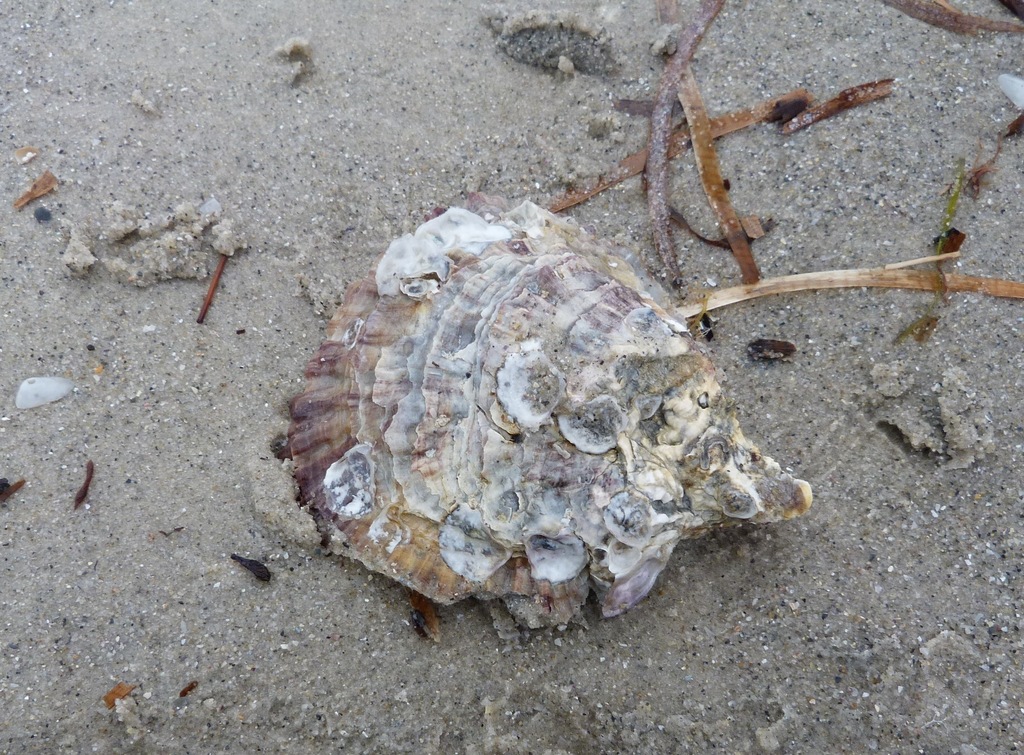
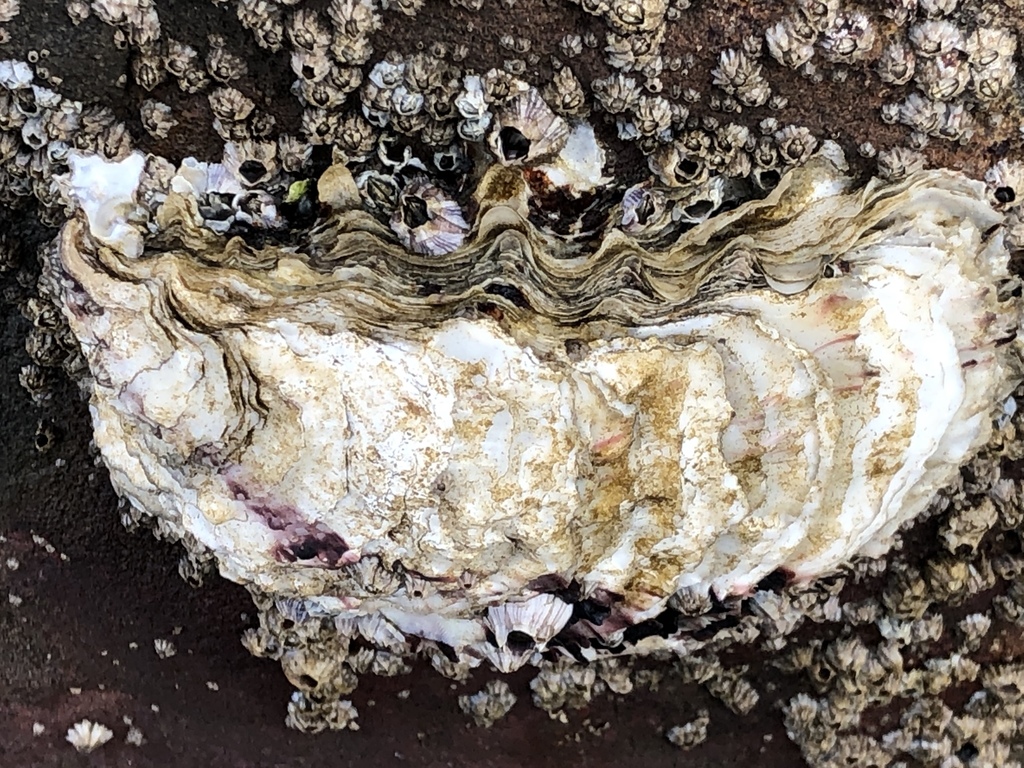 Japanese Oyster
Magallana gigas
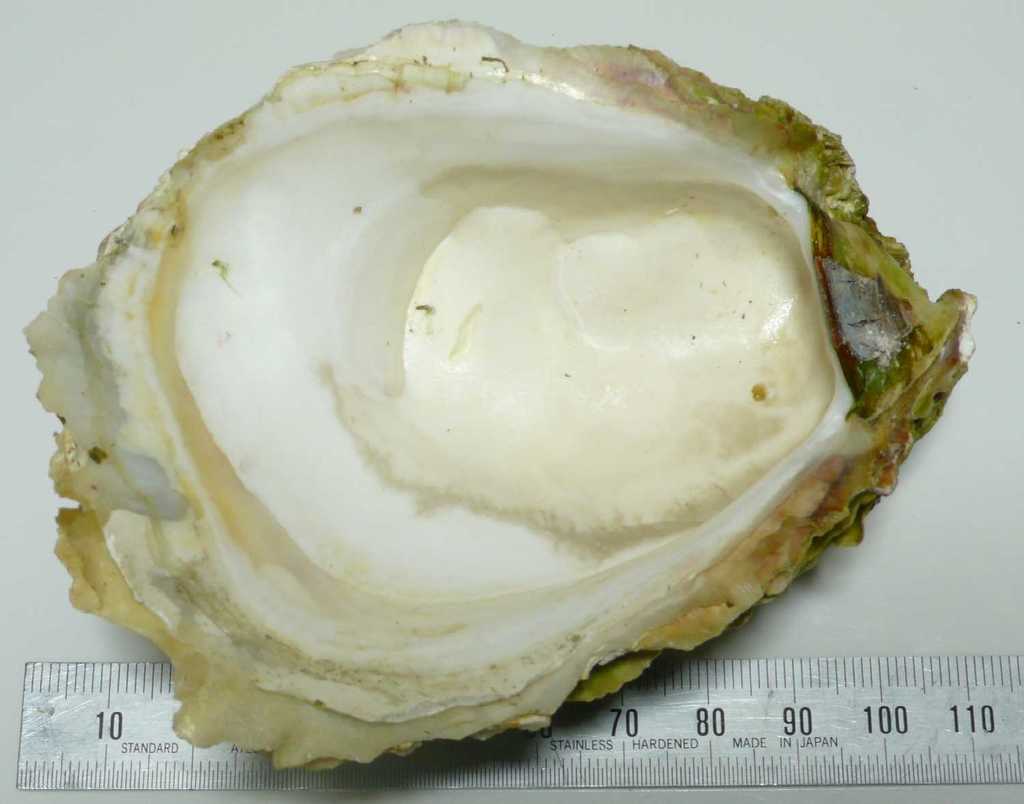
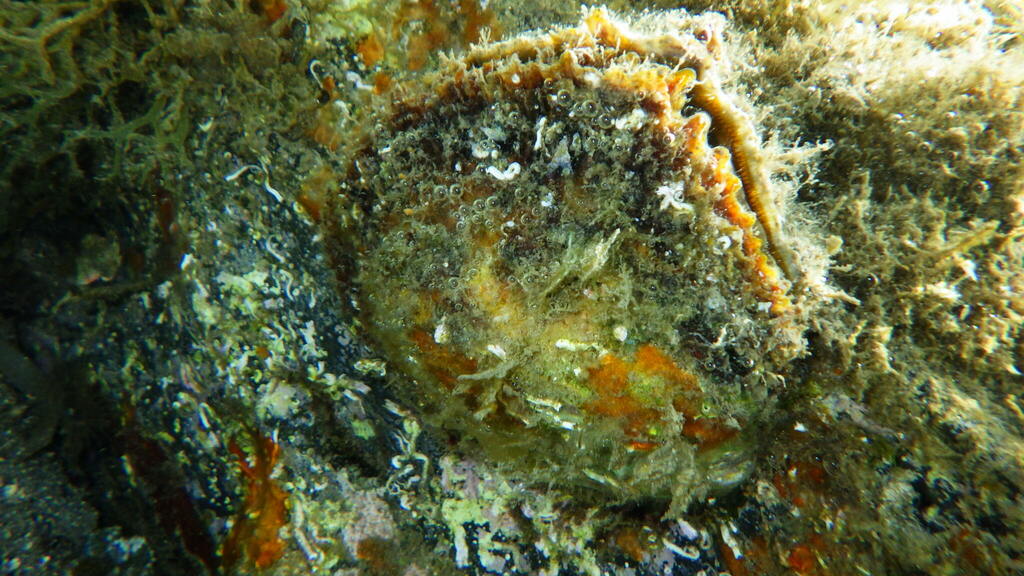
 Angasi oyster
Ostrea angasi
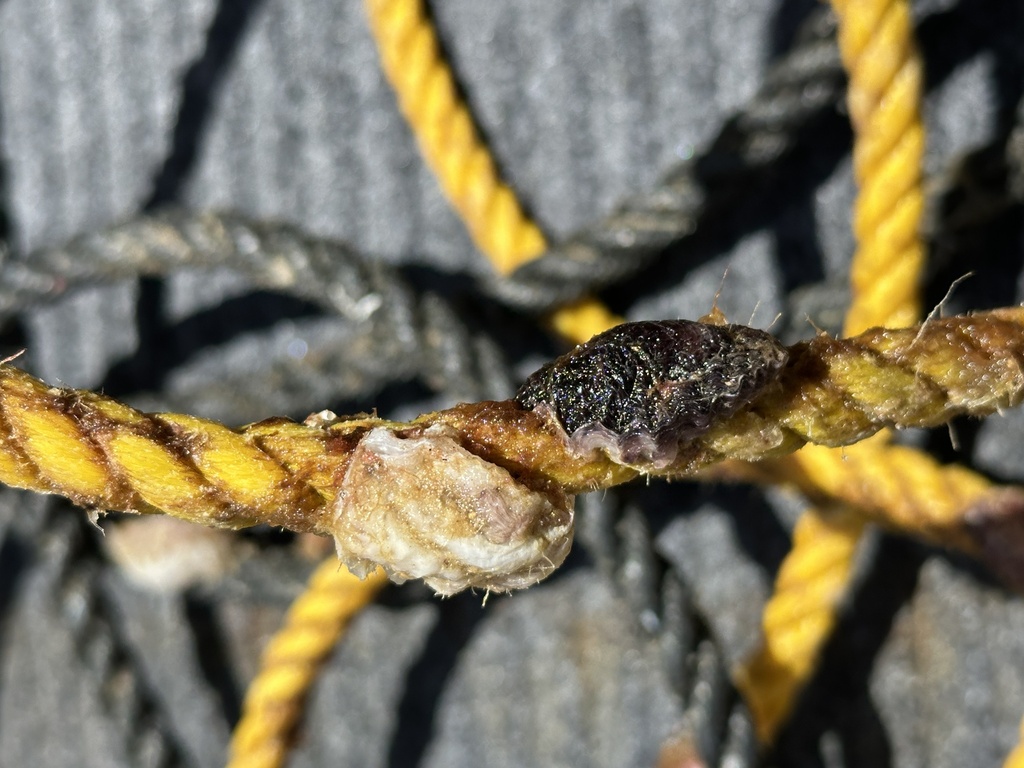
 Common oyster
Ostrea edulis
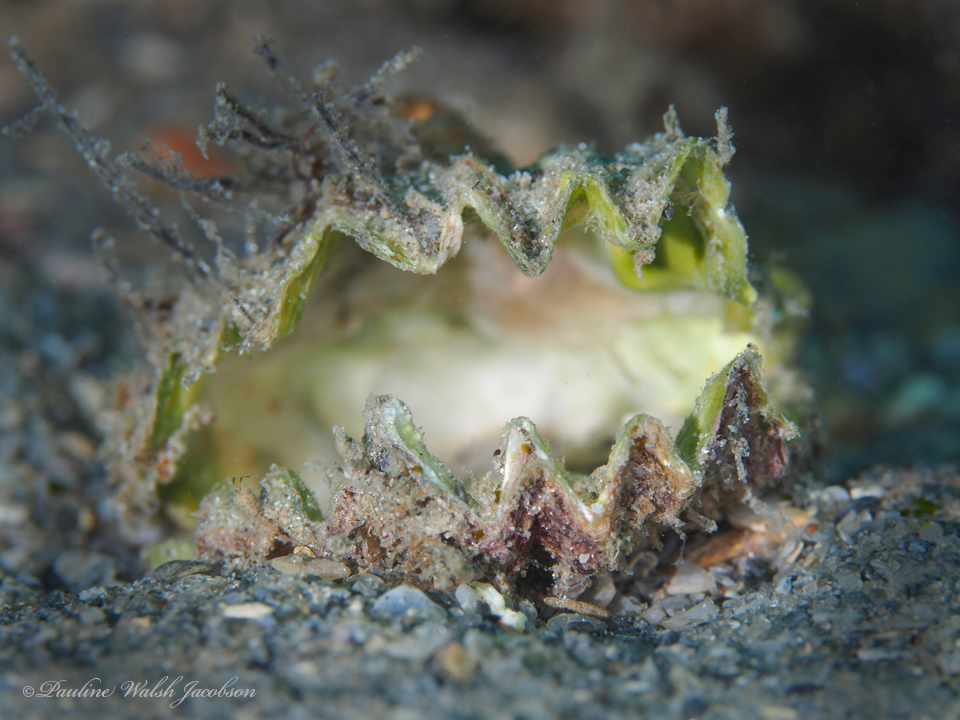
 Leaf oyster
Dendostrea folium
 Coon oyster
Dendostrea frons
Sources and credits
Names and taxonomy: WoRMS (CC BY 4.0) and the GBIF Backbone (CC BY 4.0). Photos: iNaturalist observers, each under the licence shown (CC0, CC BY or CC BY-SA).
- Depth, temperature, months and maps: records from OBIS and GBIF under CC0 or CC BY.
- Descriptions: Wikipedia, licensed CC BY-SA, each linked to its article.
- Conservation status as published by GBIF (IUCN Red List).
- 155 open-data records from 1916 to 2024.
- Species data updated November 4, 2026.
Log what you see on your next dive
The free DiveHive diver app keeps your logbook with every sighting and shows what lives at the site you dive next.