
Megalocranchia fisheri
- Usual depth140–650 m
- Water temperature25–26 °C
- Best monthsNovember
- How commonRare
About this species
Megalocranchia fisheri is a species of glass squid. Its natural range covers at least the waters off Hawaii. The species may attain a mantle length of 1.8 m (5.9 ft) and a total length of over 2.7 m (8.9 ft), making it one of the largest species of squid, together with the colossal squid, the giant squid, and the robust clubhook squid. It inhabits surface and mid-depth waters of open ocean. Juveniles live near the surface, while adults occupy mesopelagic depths during the day and migrate to near-surface waters at night. M. fisheri possesses two large light organs in the gill cavity. Females additionally have light organs on the ends of their third arm pair. As the animal matures, its fins become spear-like in appearance.
Text from the Wikipedia article “Megalocranchia fisheri”, licensed CC BY-SA 4.0. Read the article
Where and when
Where it has been recorded
Worldwide
Loading the map
Best months
Worldwide (open data)
- January: 0 records
- February: 0 records
- March: 0 records
- April: 1 records
- May: 0 records
- June: 1 records
- July: 0 records
- August: 0 records
- September: 0 records
- October: 0 records
- November: 2 records
- December: 0 records
Depth and water temperature
Depth
Mostly recorded at 140–650 m · Deepest record: 650 m
Water temperature
Recorded in surface water of 25–26 °C
Names and classification
Other scientific names: Helicocranchia fisheri
Similar species
- Large Cranch Squid
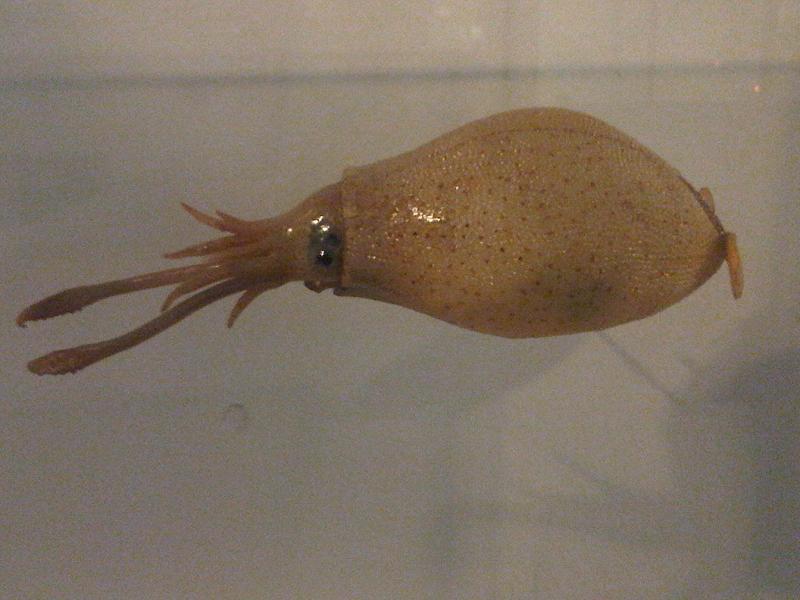
Megalocranchia maxima
 Cockatoo squid
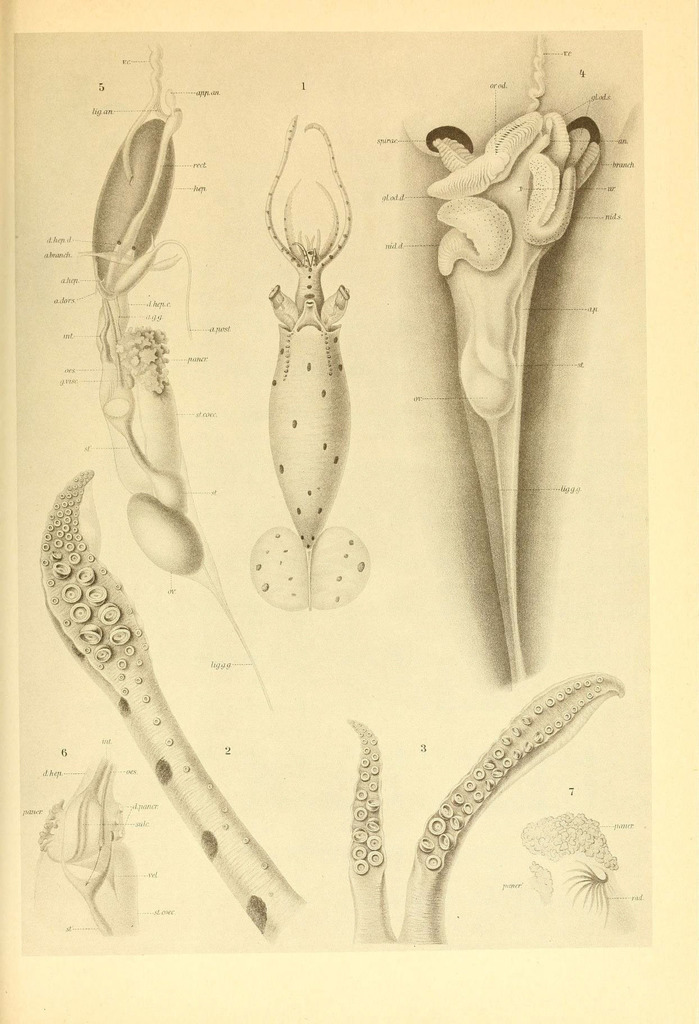
Cranchia scabra
 Pacific Leach's cranch squid
Leachia pacifica
 Colossal squid
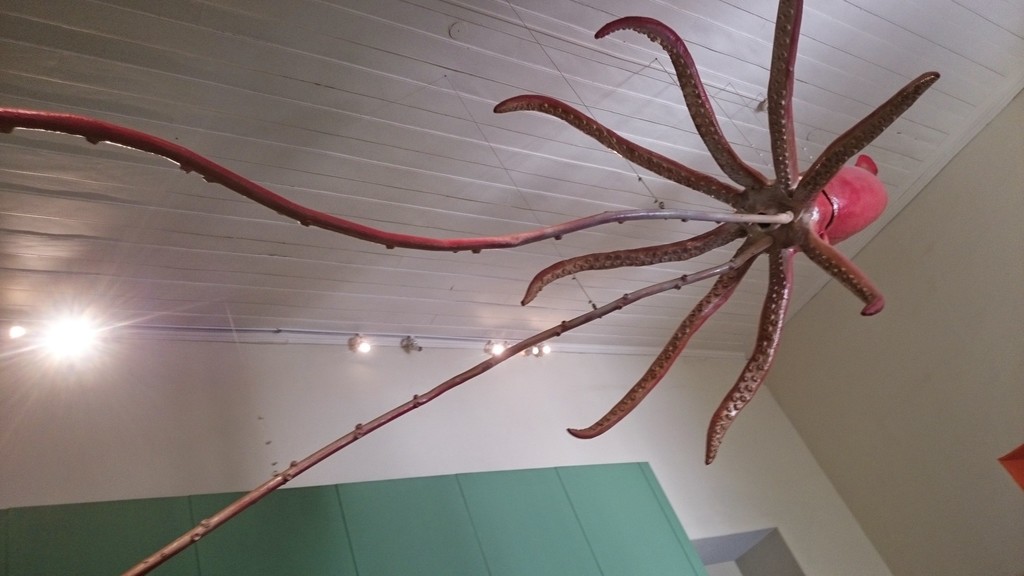
Mesonychoteuthis hamiltoni
- Deepsea squid
Bathothauma lyromma
Sources and credits
Names and taxonomy: WoRMS (CC BY 4.0) and the GBIF Backbone (CC BY 4.0). Photos: iNaturalist observers, each under the licence shown (CC0, CC BY or CC BY-SA).
- Depth, temperature, months and maps: records from OBIS and GBIF under CC0 or CC BY.
- Descriptions: Wikipedia, licensed CC BY-SA, each linked to its article.
- Conservation status as published by GBIF (IUCN Red List).
- 8 open-data records from 1902 to 1974.
- Species data updated November 4, 2026.
Log what you see on your next dive
The free DiveHive diver app keeps your logbook with every sighting and shows what lives at the site you dive next.