
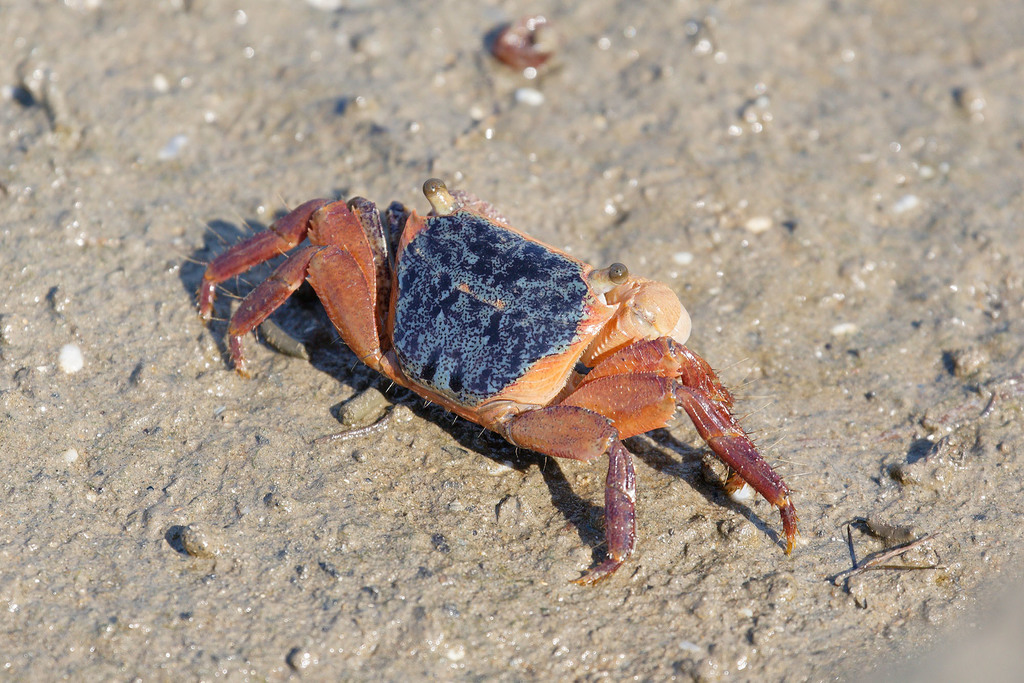
Metopograpsus latifrons
- Water temperature25–29 °C
- Best monthsJune, September, and October
- How commonRare
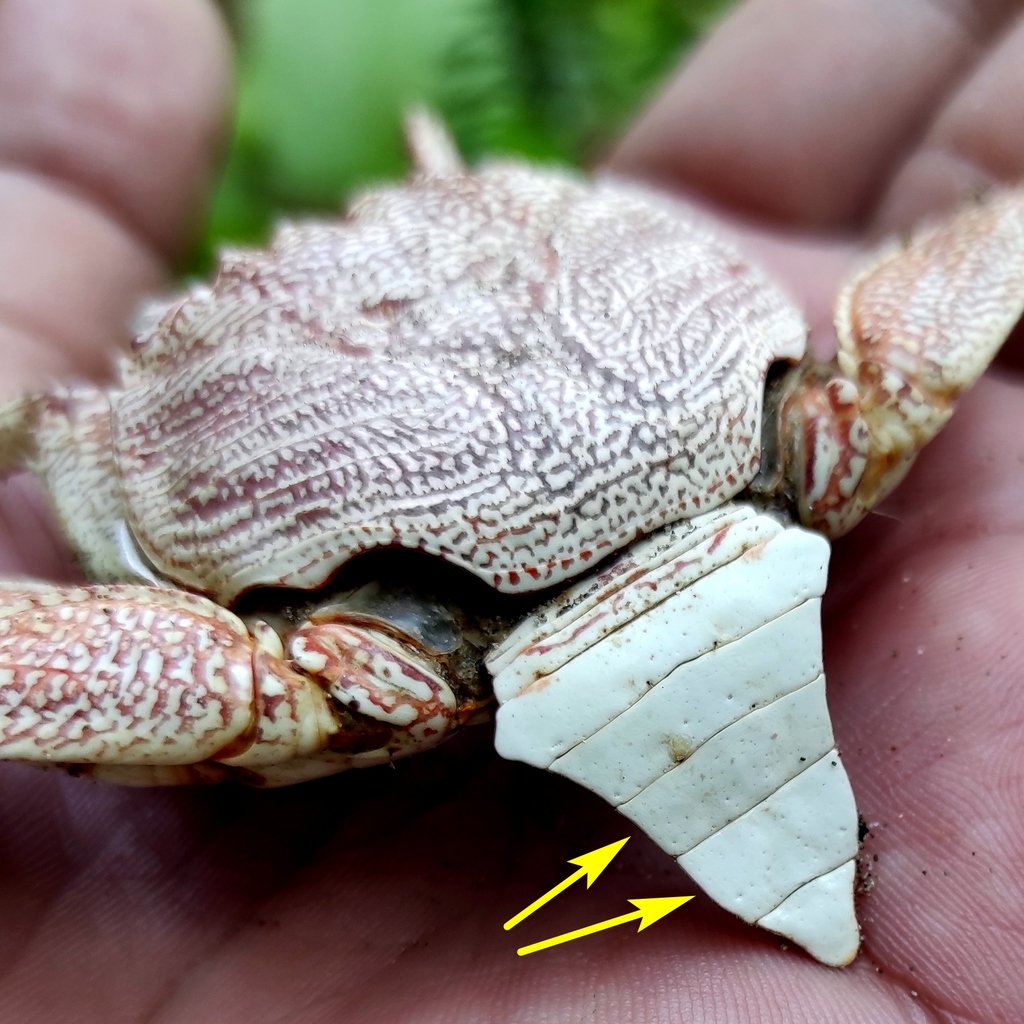
Photo credit: (c) Lek Khauv, some rights reserved (CC BY), uploaded by Lek Khauv · CC BY · iNaturalist
Where and when
Where it has been recorded
Worldwide
Loading the map
Best months
Worldwide (open data)
- January: 24 records
- February: 13 records
- March: 27 records
- April: 31 records
- May: 27 records
- June: 53 records
- July: 26 records
- August: 31 records
- September: 33 records
- October: 52 records
- November: 31 records
- December: 23 records
Depth and water temperature
Water temperature
Recorded in surface water of 25–29 °C
Photos
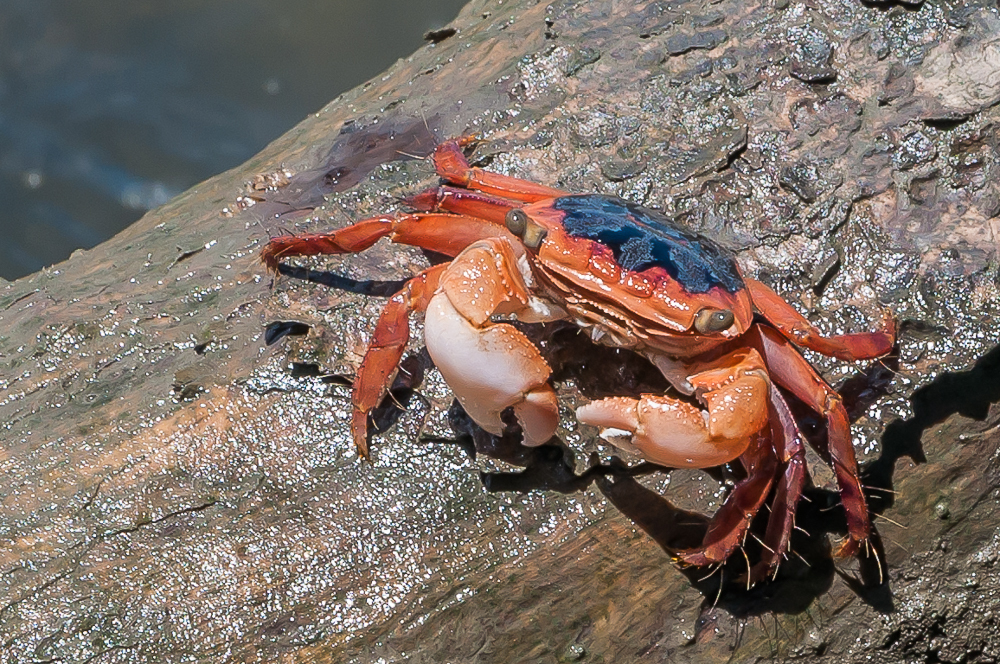
no rights reserved · CC0 1.0 · iNaturalist 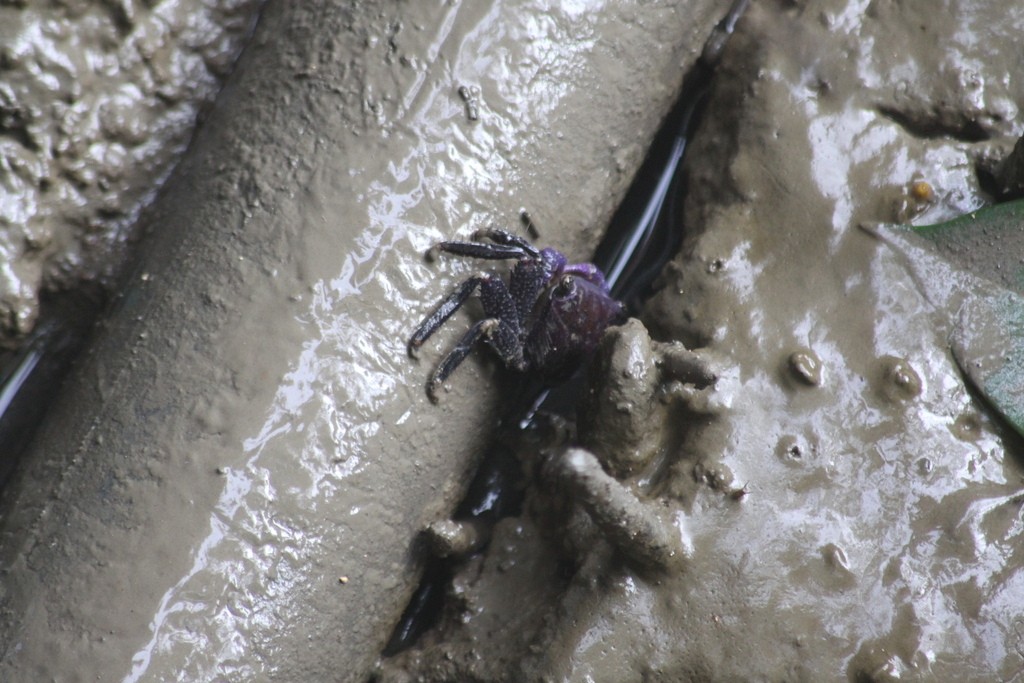
(c) sucker69420, some rights reserved (CC BY) · CC BY · iNaturalist 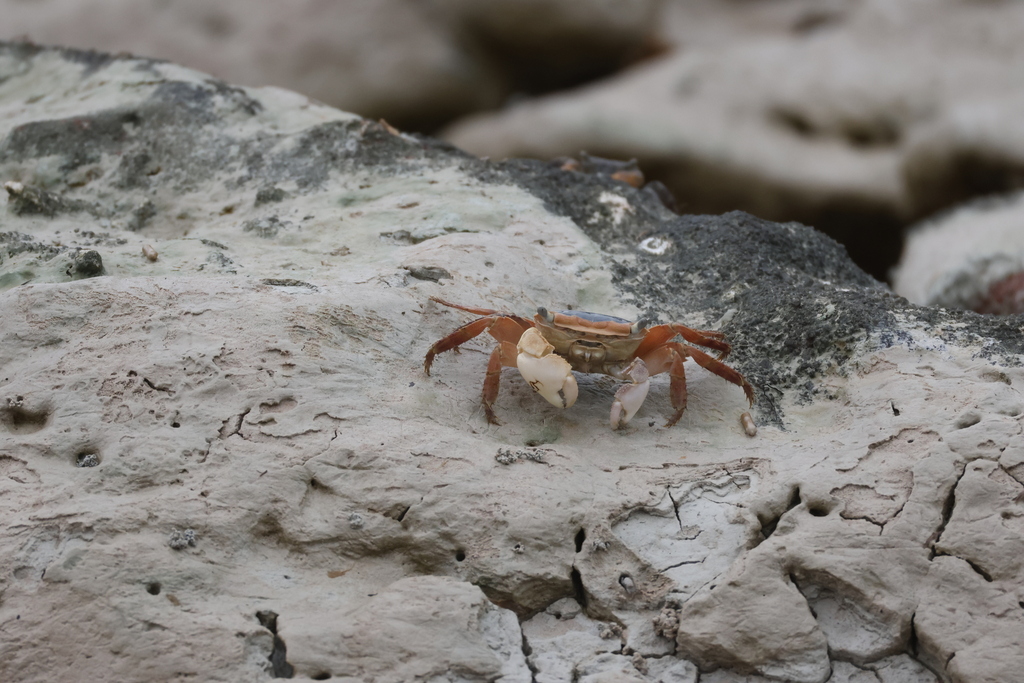
(c) Romain Boisseau, some rights reserved (CC BY-SA) · CC BY-SA · iNaturalist 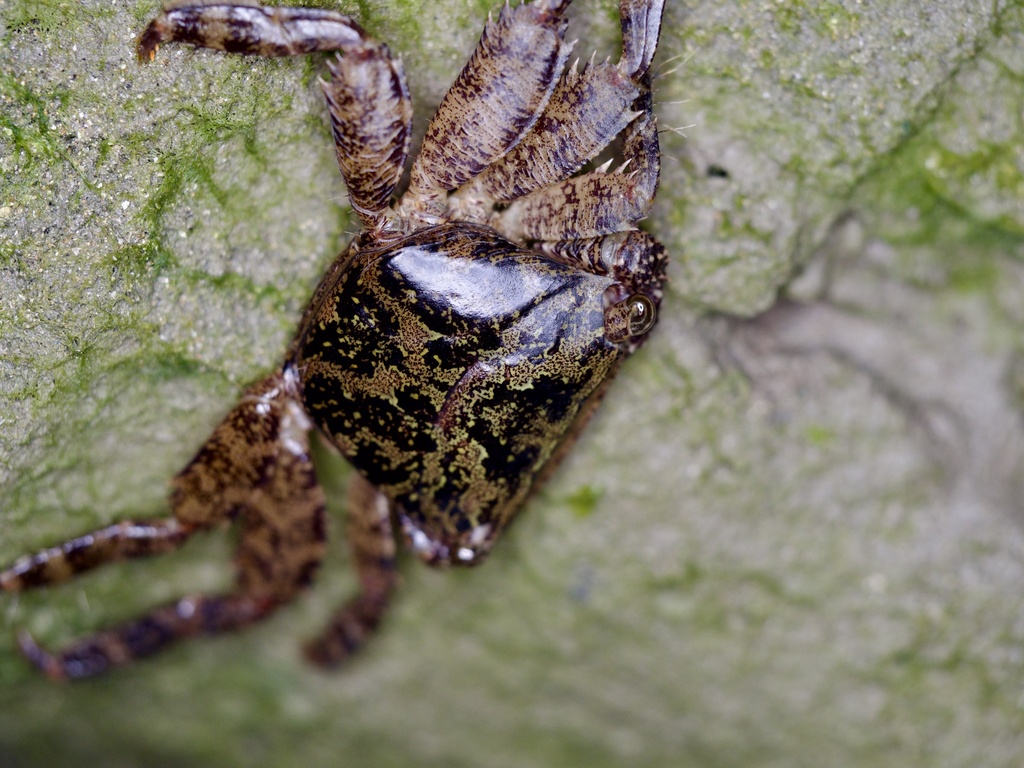
(c) りなべる, some rights reserved (CC BY) · CC BY · iNaturalist 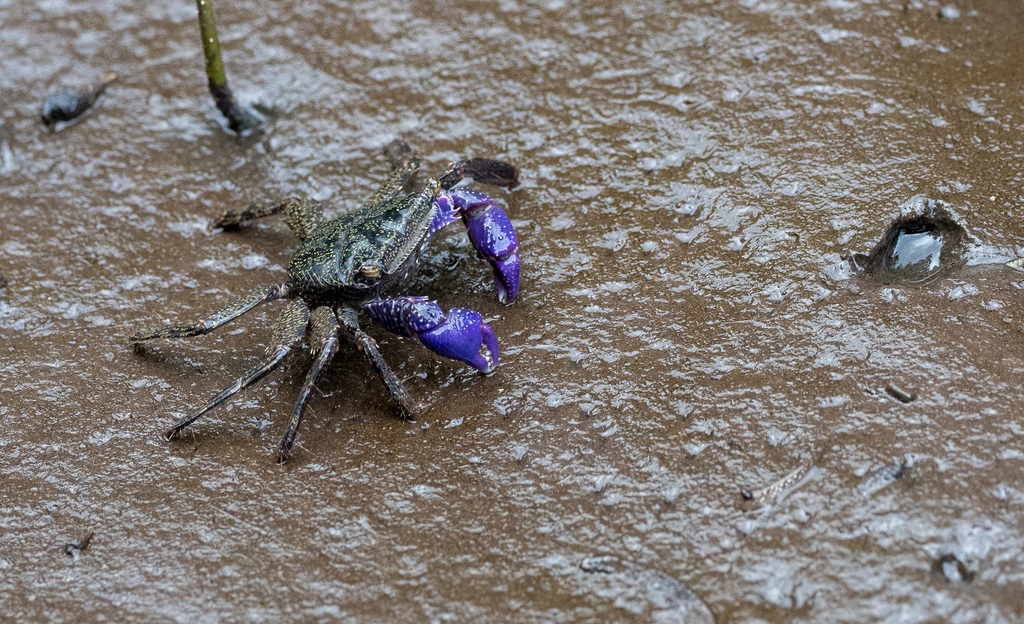
(c) Forest Botial-Jarvis, some rights reserved (CC BY) · CC BY · iNaturalist 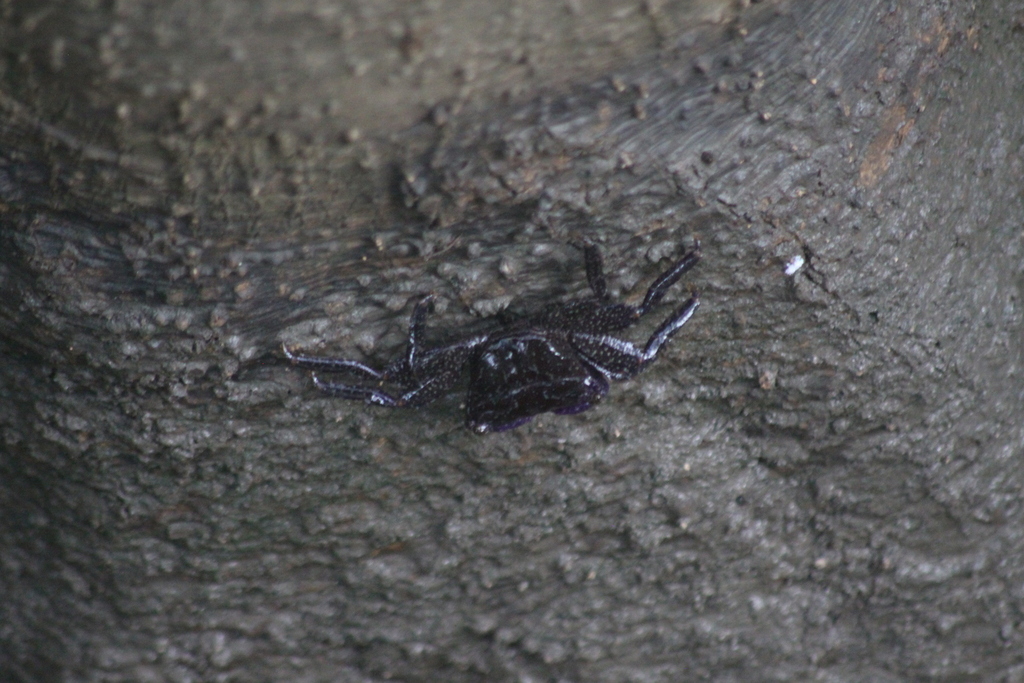
(c) sucker69420, some rights reserved (CC BY) · CC BY · iNaturalist
Names and classification
Names in 2 more languages
- Japanese
- ヒルギハシリイワガニ, ヒルギハシリイワガニ/クイラハシリイワガニ
- Thai
- ปูแสมหินก้ามม่วง, ปูแสมหินหน้ากว้าง
Other scientific names: Grapsus (Grapsus) dilatatus, Grapsus dilatatus, Grapsus latifrons, Metopograpsus maculatus, Metopograpsus pictus
Similar species
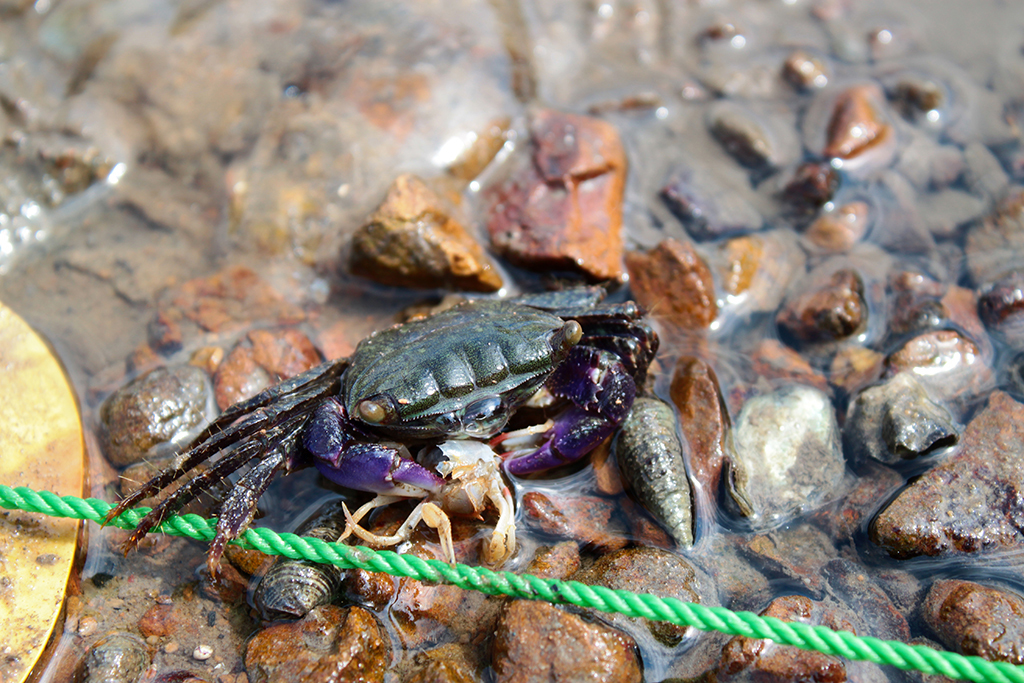 Purple Climber Crab
Metopograpsus frontalis
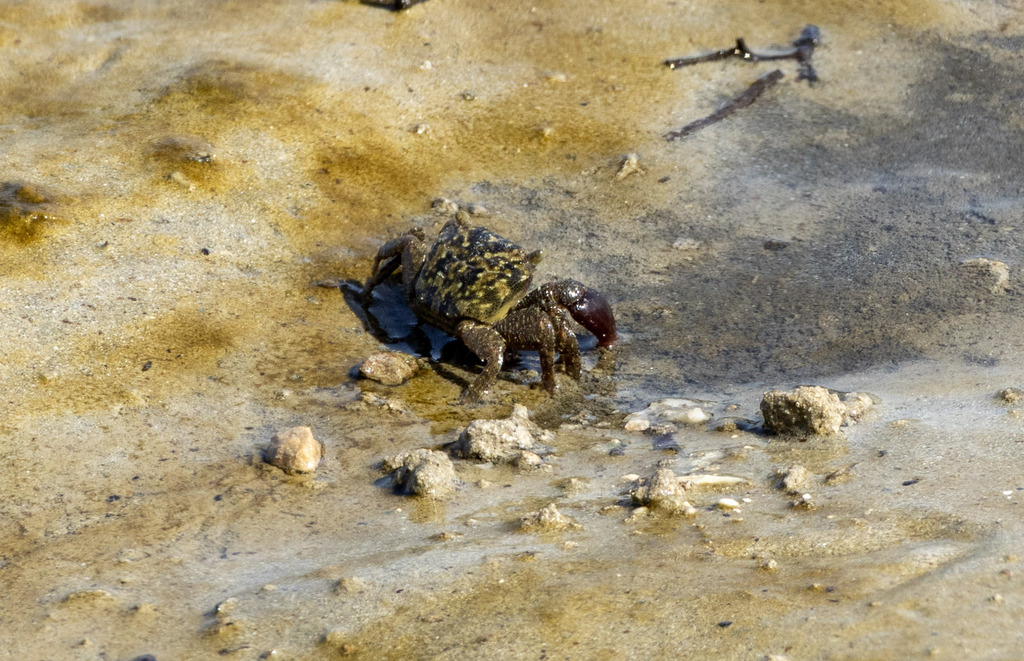 Alamihi
Metopograpsus messor
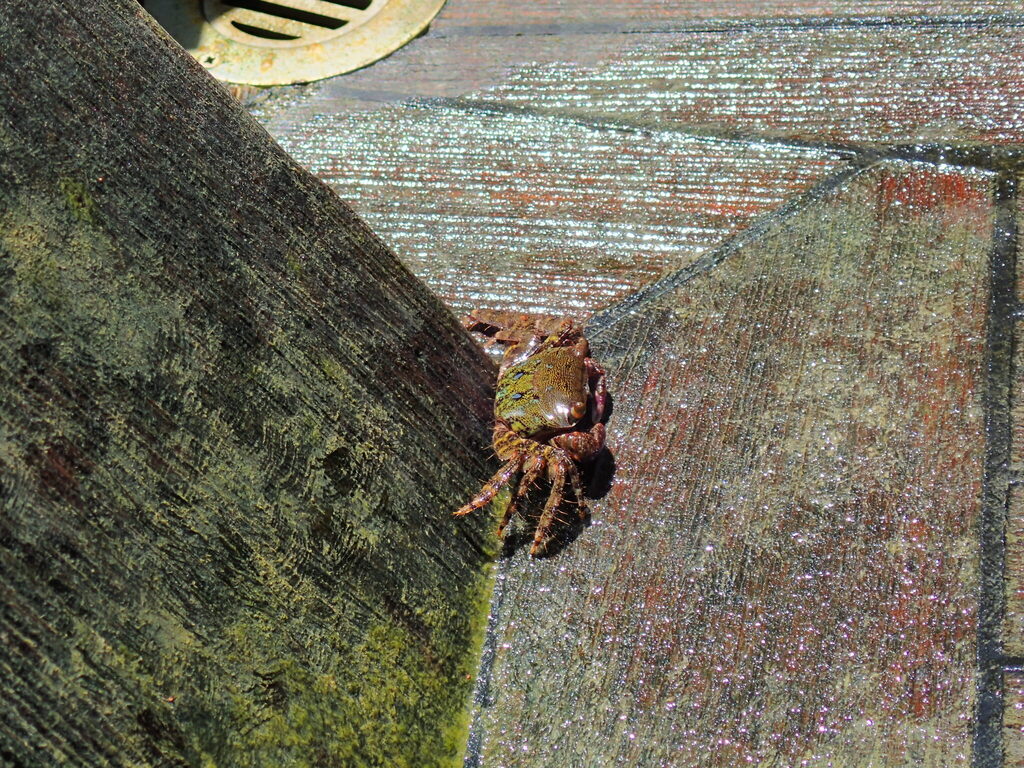 Crab
Metopograpsus oceanicus
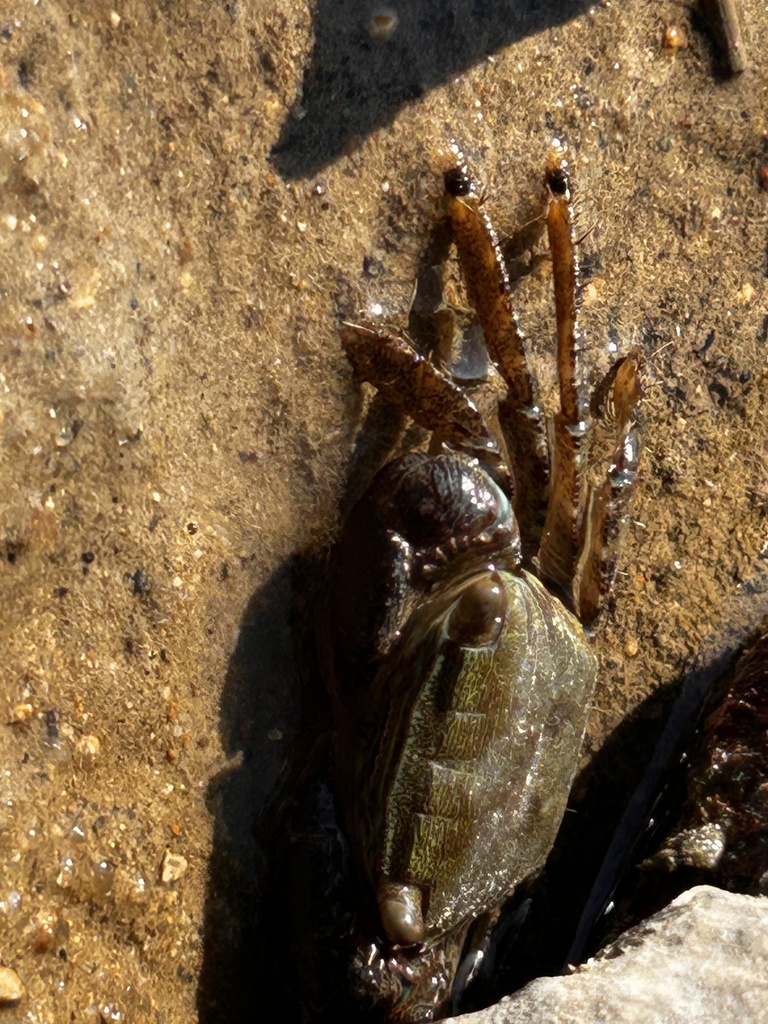
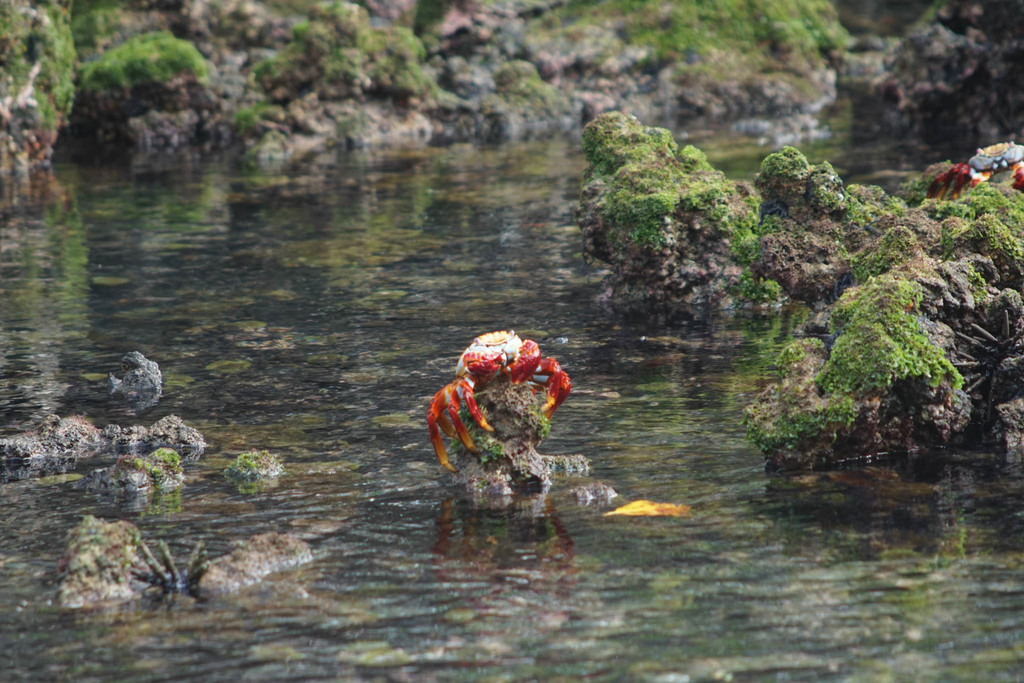 Cliff crab
Grapsus grapsus
 Natal lightfoot crab
Grapsus tenuicrustatus
Sources and credits
Names and taxonomy: WoRMS (CC BY 4.0) and the GBIF Backbone (CC BY 4.0). Photos: iNaturalist observers, each under the licence shown (CC0, CC BY or CC BY-SA).
- Depth, temperature, months and maps: records from OBIS and GBIF under CC0 or CC BY.
- Conservation status as published by GBIF (IUCN Red List).
- 112 open-data records from 1853 to 2008.
- Species data updated November 4, 2026.
Log what you see on your next dive
The free DiveHive diver app keeps your logbook with every sighting and shows what lives at the site you dive next.