
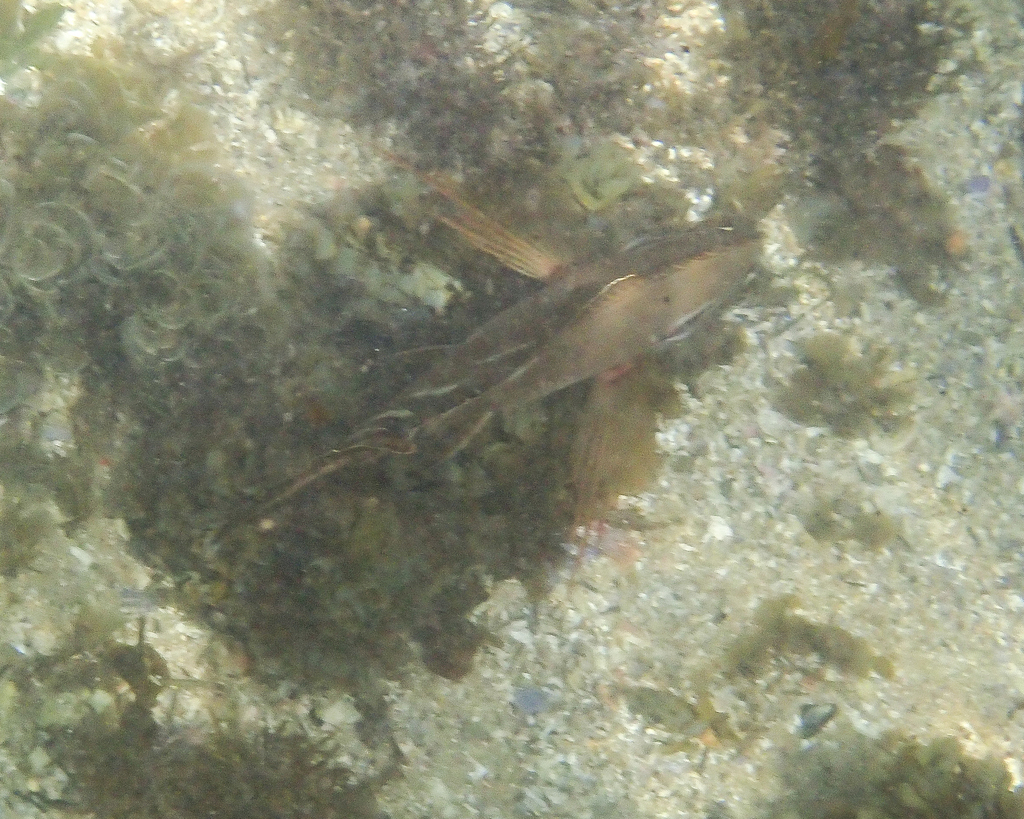
Red Morwong
Morwong fuscus
- Usual depth2–25 m
- Water temperature17–24 °C
- Best monthsJanuary, February, and December
- How commonOccasional
Photo credit: (c) Austen Armstrong, some rights reserved (CC BY) · CC BY · iNaturalist
About this species
The red morwong, also known as the sea carp, is a species of marine ray finned fish traditionally regarded as belonging to the family Cheilodactylidae, the members of which are commonly known as morwongs. It is found off southeast Australia and the North Island of New Zealand from shallow depths to at least 55 m, on rocky reef and coastal areas. Its length is between 30 and 60 cm.
Text from the Wikipedia article “Red morwong”, licensed CC BY-SA 4.0. Read the article
Where and when
Where it has been recorded
Worldwide
Loading the map
Best months
Worldwide (open data)
- January: 415 records
- February: 329 records
- March: 293 records
- April: 279 records
- May: 198 records
- June: 238 records
- July: 167 records
- August: 199 records
- September: 240 records
- October: 274 records
- November: 247 records
- December: 328 records
Depth and water temperature
Depth
Mostly recorded at 2–25 m · Deepest record: 62 m
Water temperature
Recorded in surface water of 17–24 °C
Photos
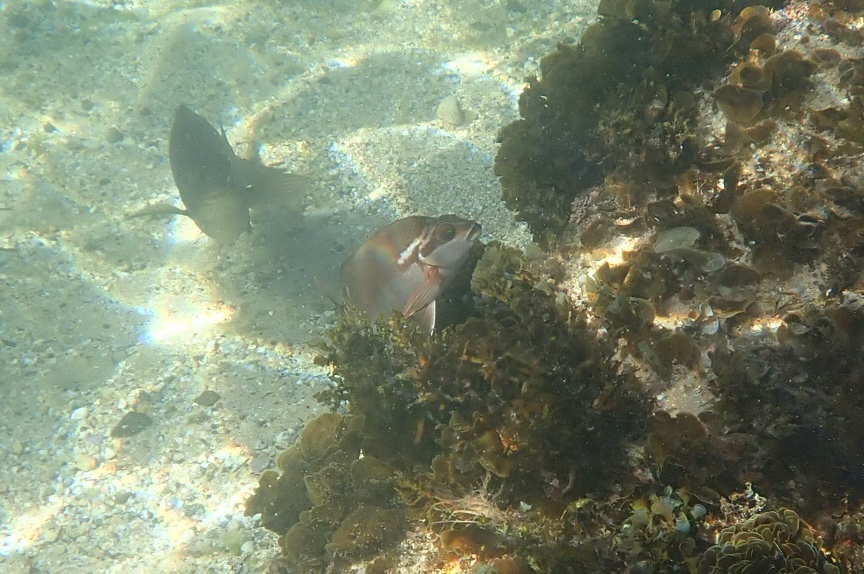
(c) Dave Shenton, some rights reserved (CC BY) · CC BY · iNaturalist 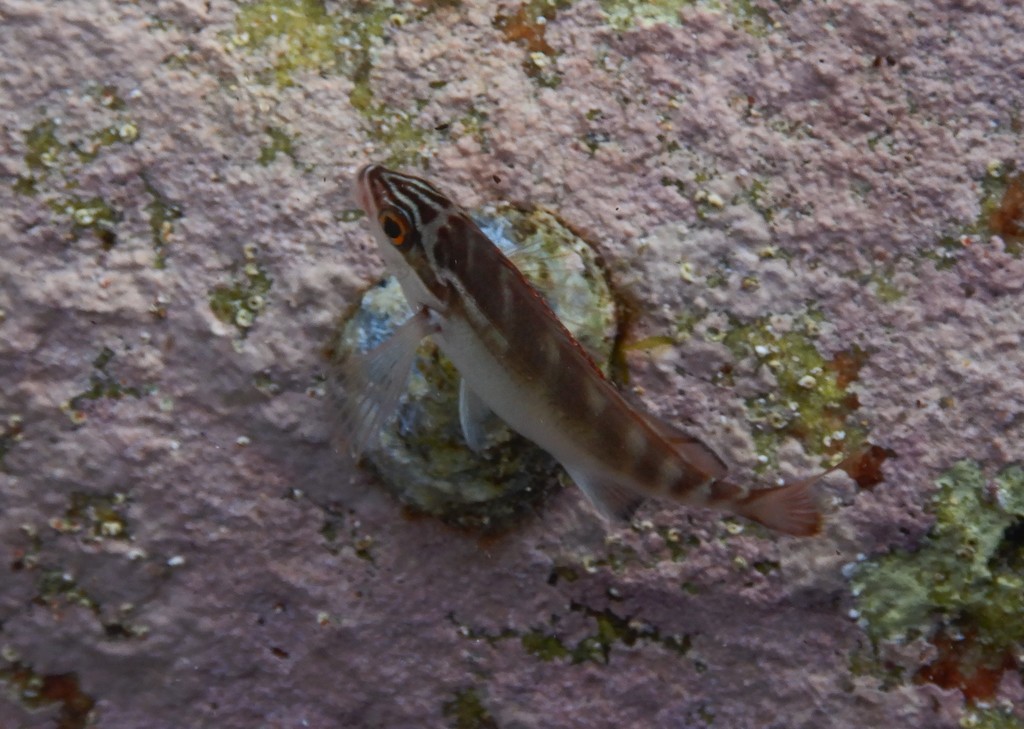
(c) Valentin Moser, some rights reserved (CC BY) · CC BY · iNaturalist 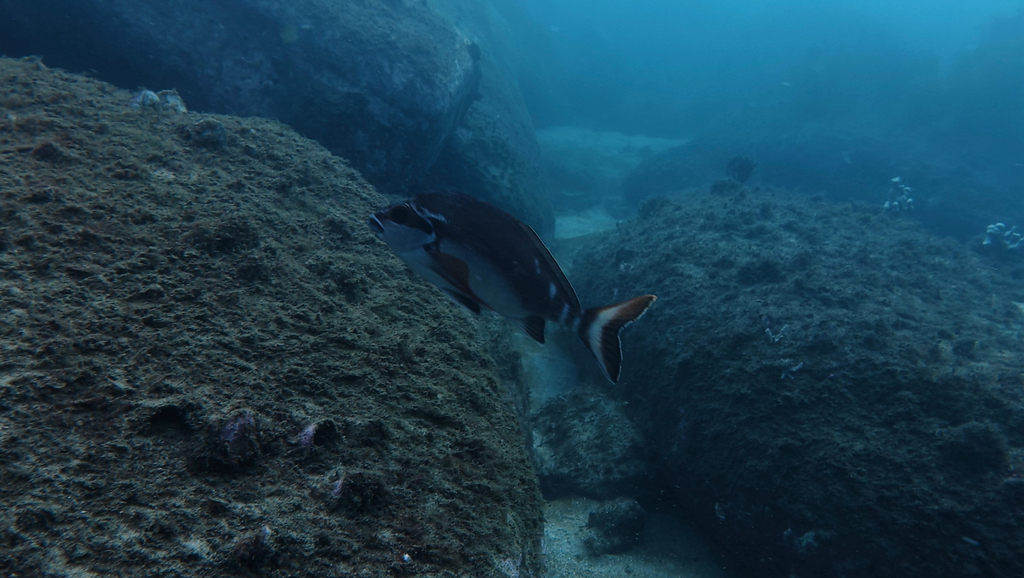
(c) Bryce Watts-Parker, some rights reserved (CC BY) · CC BY · iNaturalist 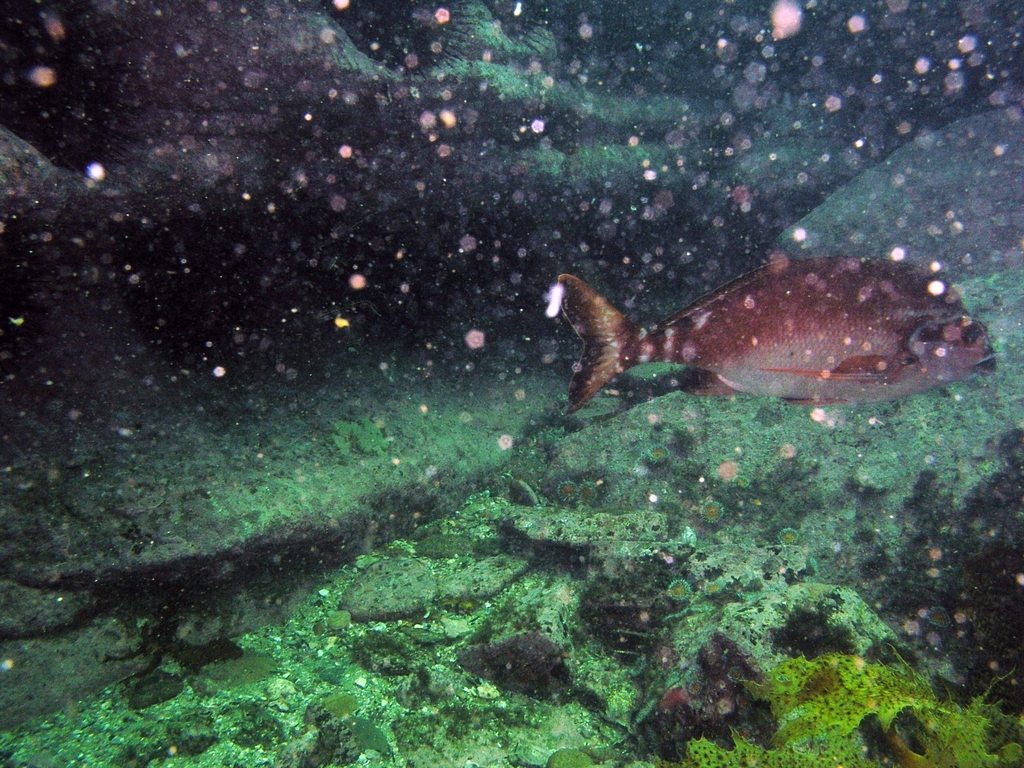
(c) neilfws, some rights reserved (CC BY) · CC BY · iNaturalist 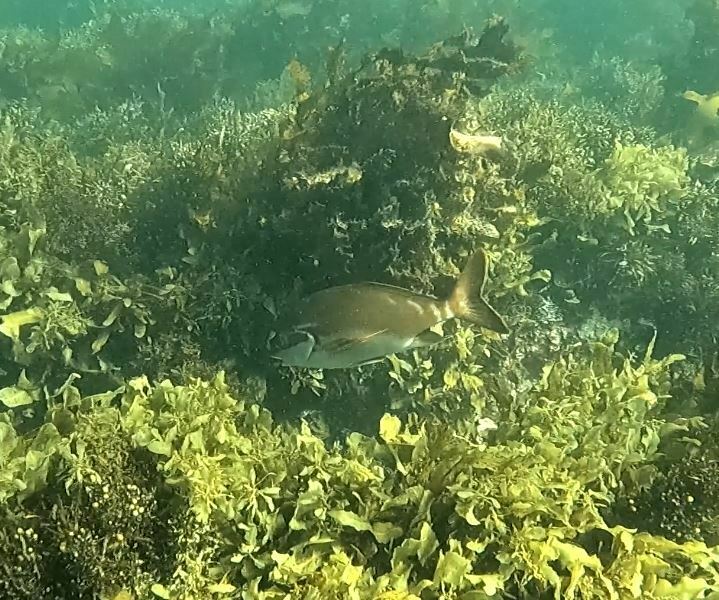
(c) Tim, some rights reserved (CC BY) · CC BY · iNaturalist 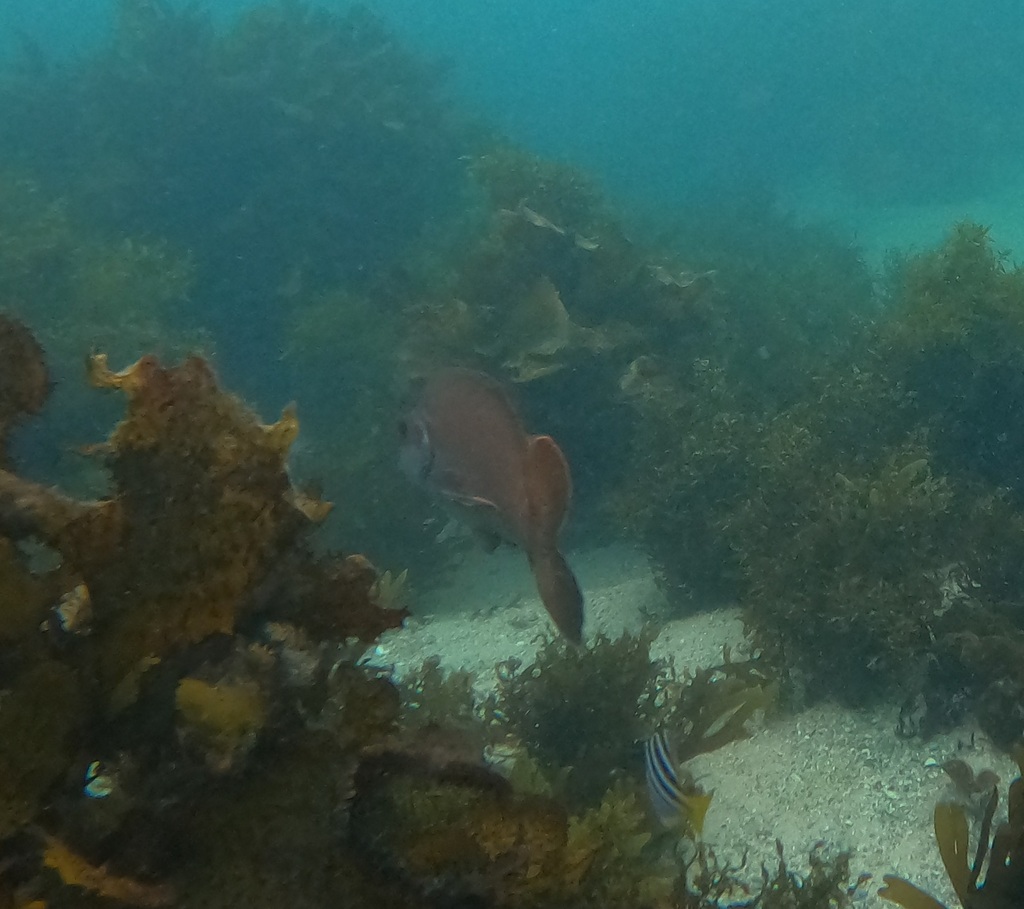
(c) Tim, some rights reserved (CC BY) · CC BY · iNaturalist 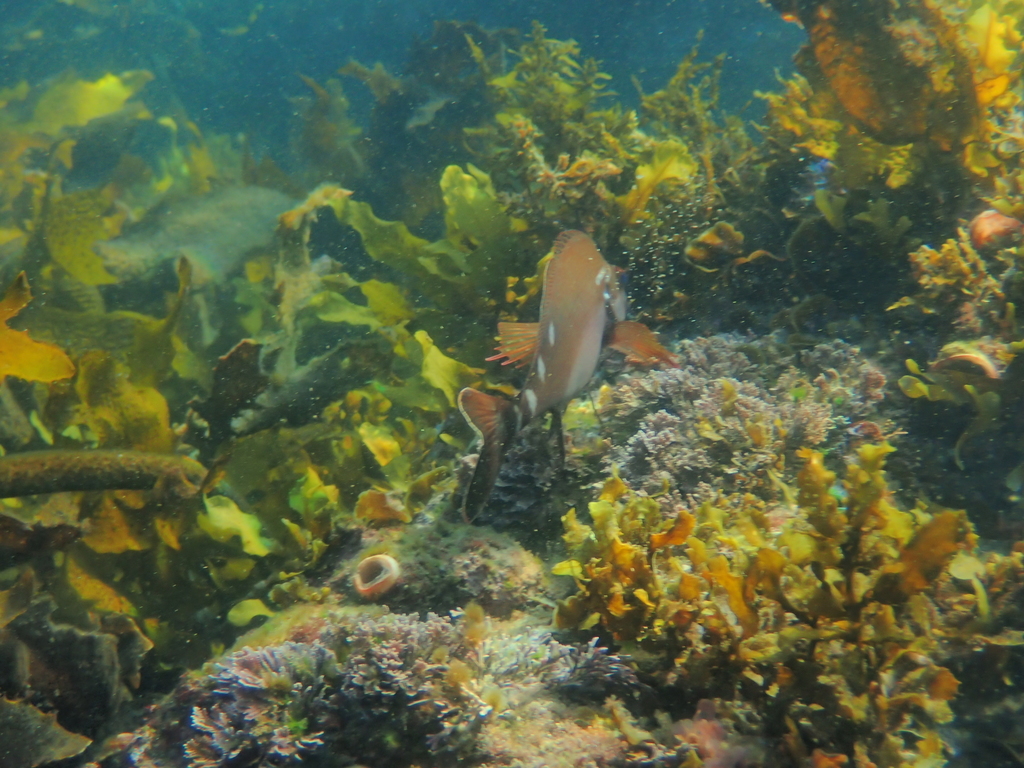
no rights reserved · CC0 1.0 · iNaturalist
Names and classification
- English
- Red Morwong, Sea Carp
Names in 2 more languages
- German
- Fingerflosser
- Simplified Chinese
- 灰唇指䱵
Other scientific names: Cheilodactylus annularis, Cheilodactylus fuscus, Goniistius fuscus
Similar species
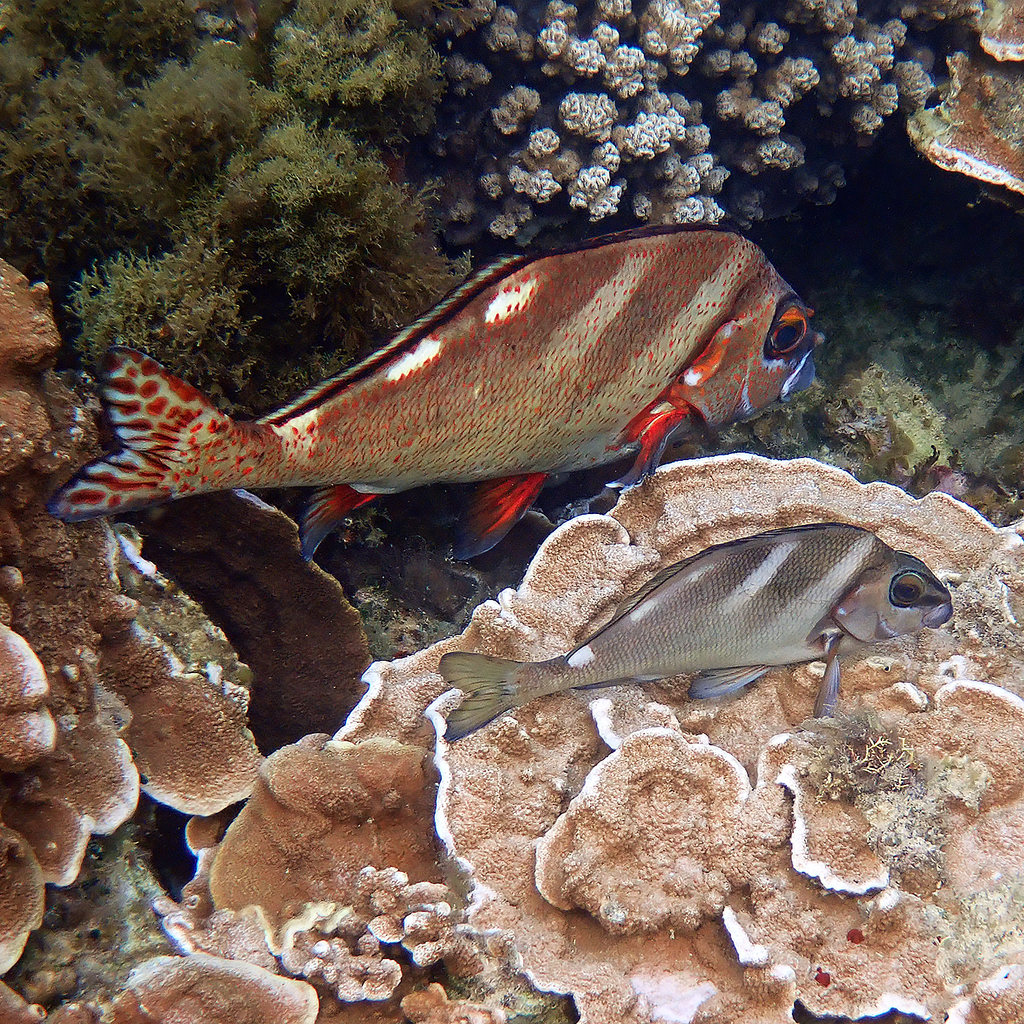 Painted Morwong
Morwong ephippium
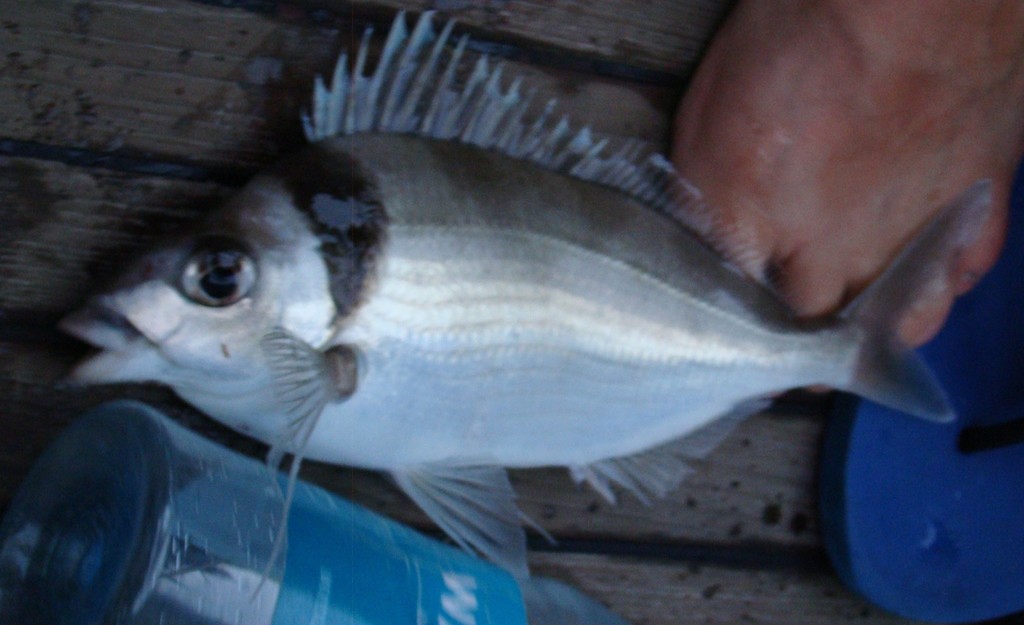 Deep Sea Perch
Nemadactylus macropterus
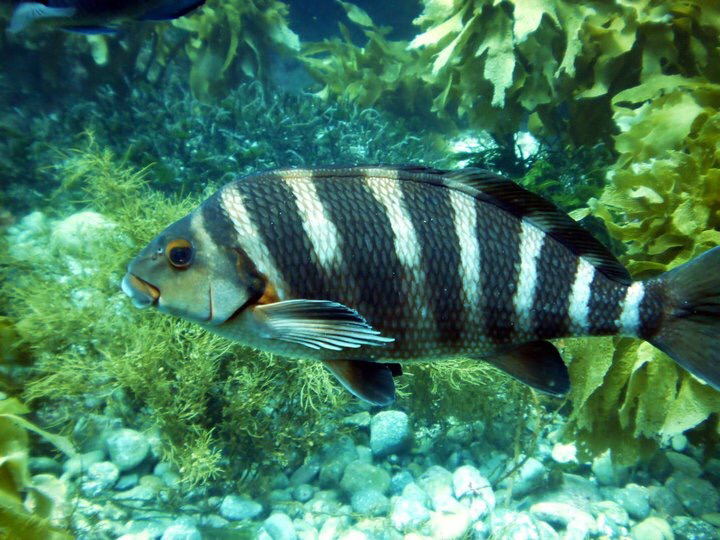 Banded Morwong
Chirodactylus spectabilis
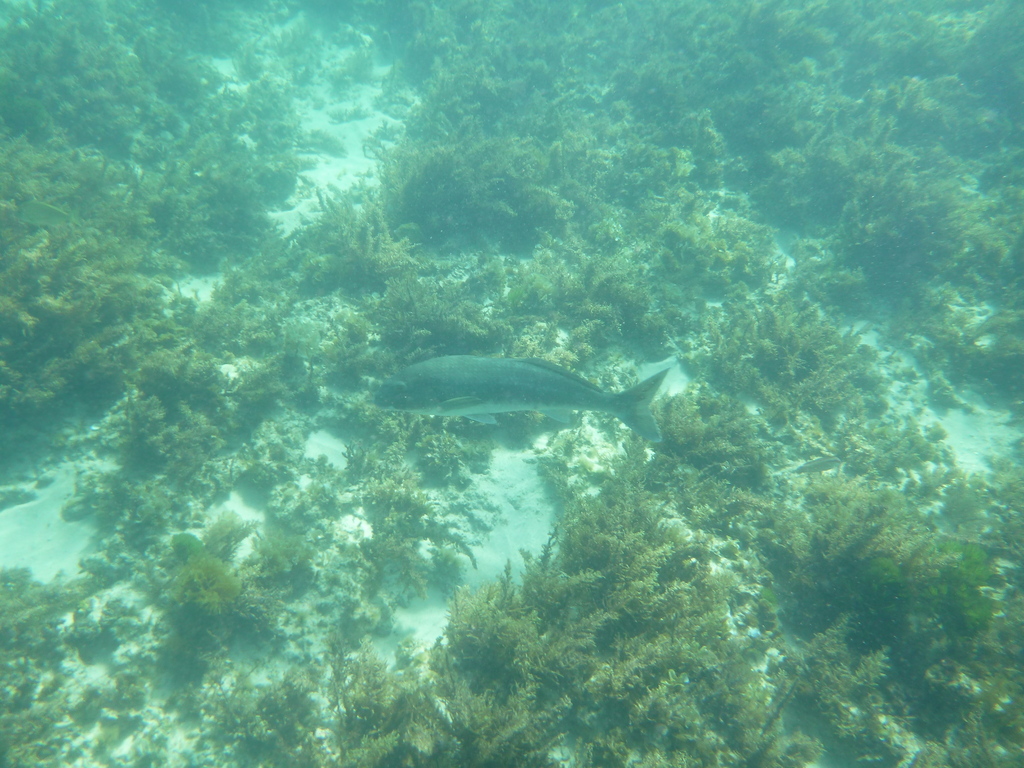 Black Butterfish
Dactylophora nigricans
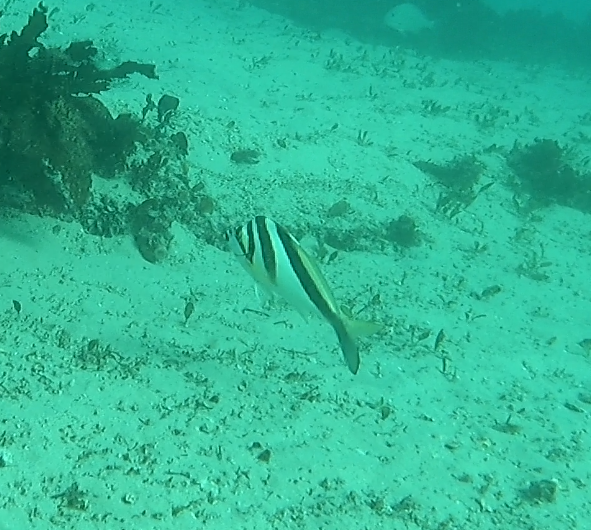 Crested Morwong
Goniistius vestitus
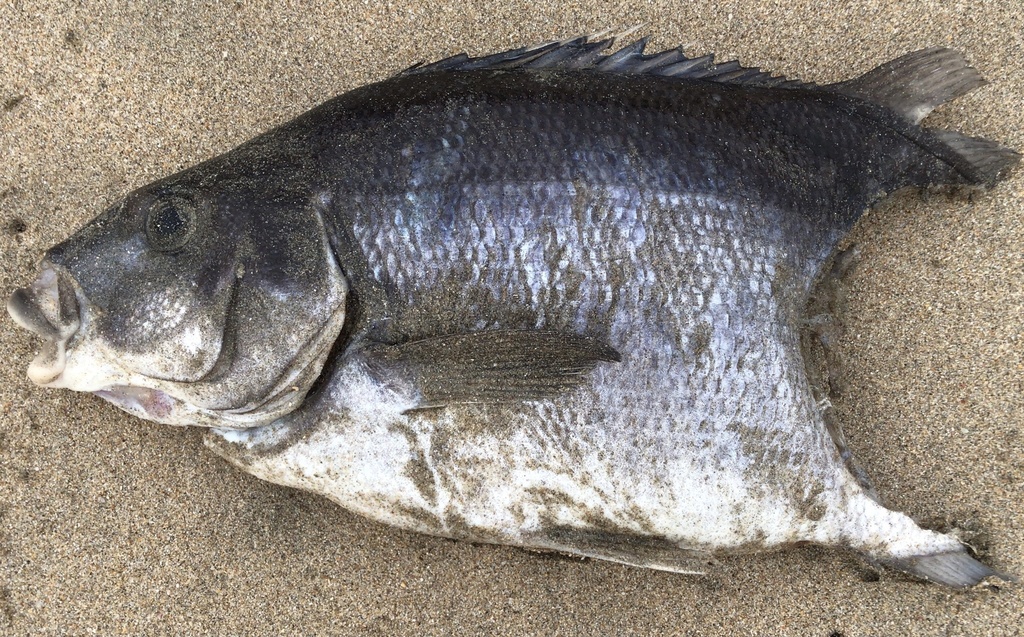 bastard trumpeter
Latridopsis ciliaris
Sources and credits
Names and taxonomy: WoRMS (CC BY 4.0) and the GBIF Backbone (CC BY 4.0). Photos: iNaturalist observers, each under the licence shown (CC0, CC BY or CC BY-SA).
- Depth, temperature, months and maps: records from OBIS and GBIF under CC0 or CC BY.
- Descriptions: Wikipedia, licensed CC BY-SA, each linked to its article.
- Conservation status as published by GBIF (IUCN Red List).
- 126 open-data records from 1906 to 2023.
- Species data updated November 4, 2026.
Log what you see on your next dive
The free DiveHive diver app keeps your logbook with every sighting and shows what lives at the site you dive next.