
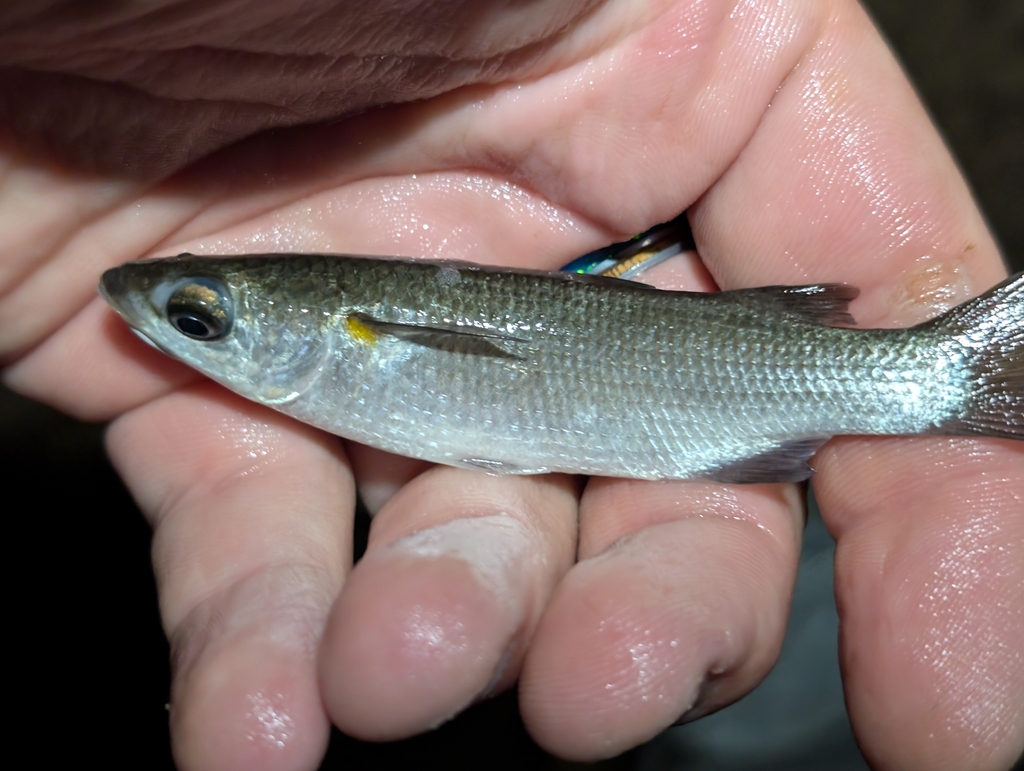
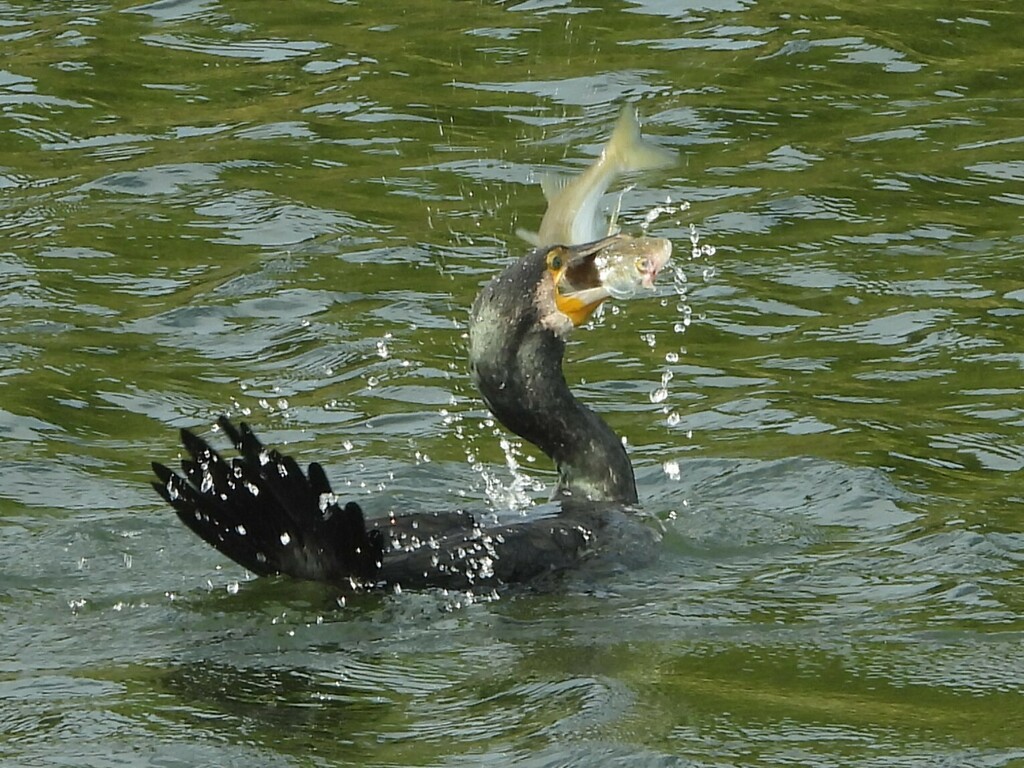
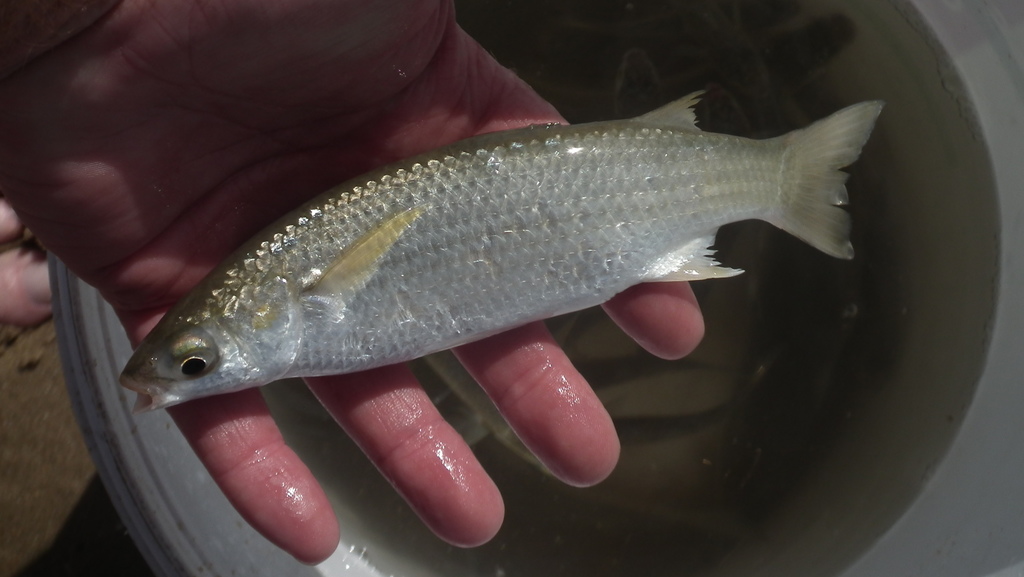
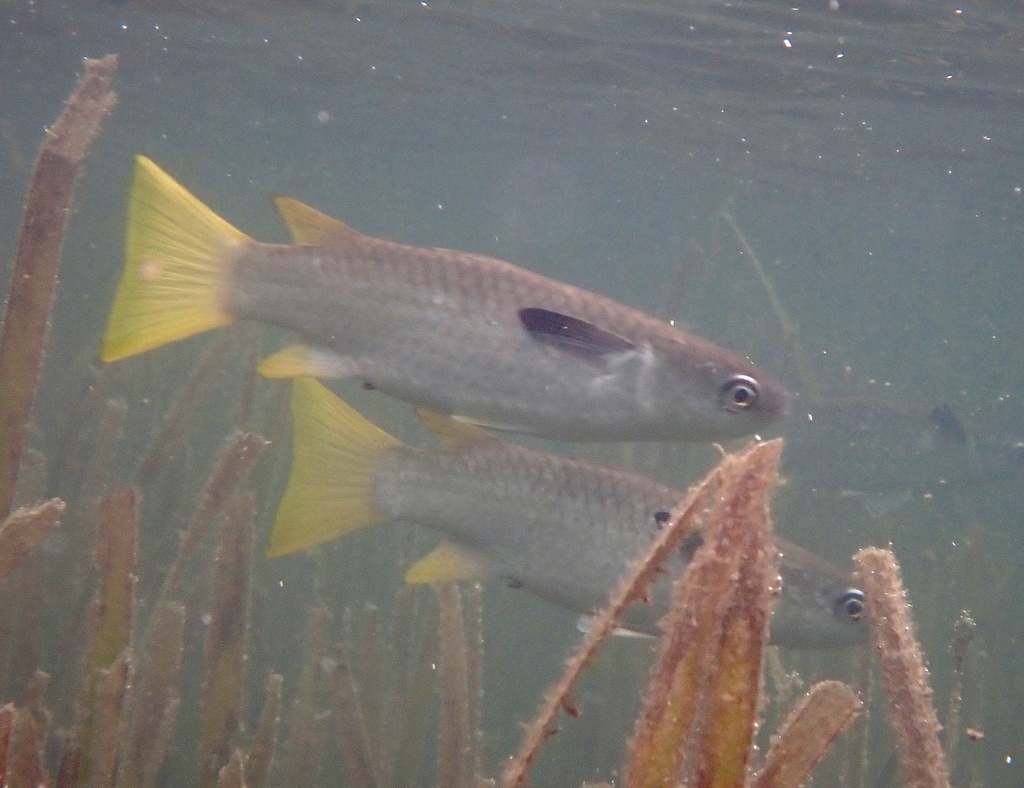
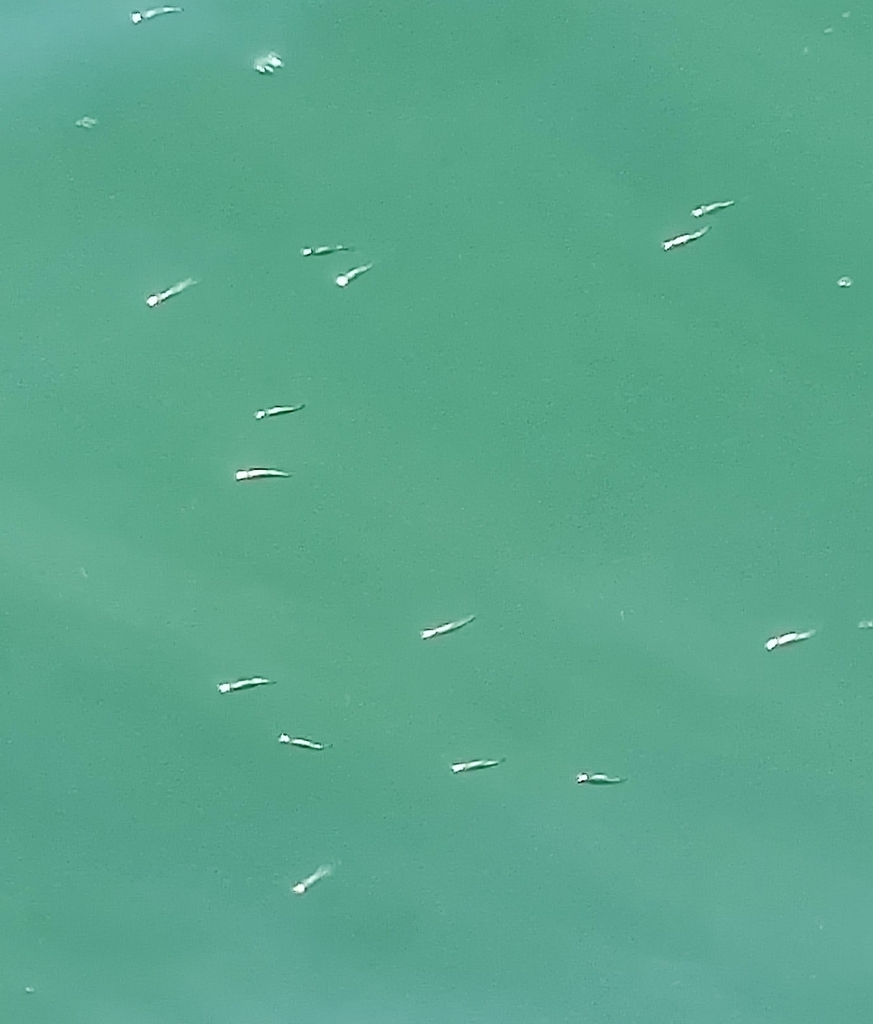
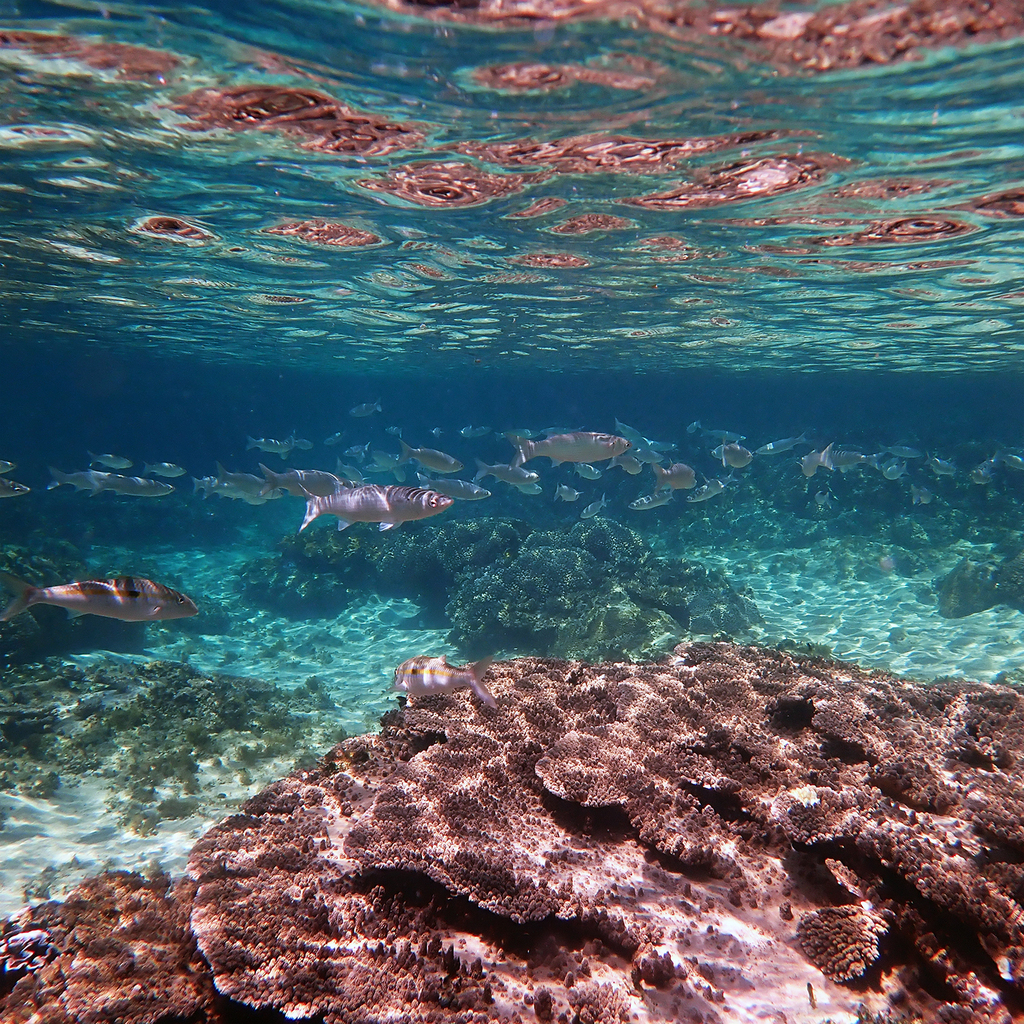
brown mullet
Neomyxus leuciscus
- Usual depth0–4 m
- Water temperature23–29 °C
- Best monthsMarch, May, and October
- How commonRare
Photo credit: no rights reserved · CC0 1.0 · iNaturalist
About this species
Neomyxus leuciscus, the acute-jawed mullet, is a species of mullet found in the tropical west and central Pacific Ocean. It is the only species in the genus Neomyxus.
Text from the Wikipedia article “Neomyxus”, licensed CC BY-SA 4.0. Read the article
Where and when
Where it has been recorded
Worldwide
Loading the map
Best months
Worldwide (open data)
- January: 18 records
- February: 15 records
- March: 28 records
- April: 22 records
- May: 35 records
- June: 17 records
- July: 24 records
- August: 15 records
- September: 23 records
- October: 34 records
- November: 23 records
- December: 10 records
Depth and water temperature
Depth
Mostly recorded at 0–4 m · Deepest record: 7.6 m
Water temperature
Recorded in surface water of 23–29 °C
Photos
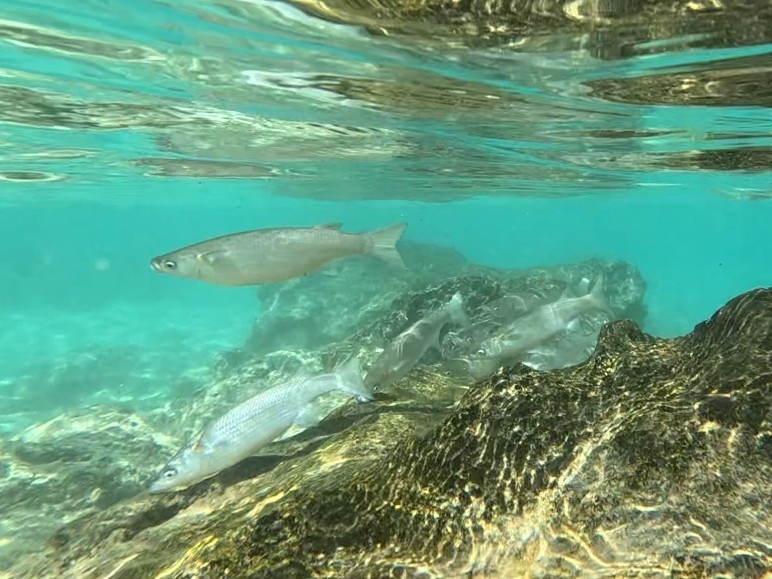
no rights reserved · CC0 1.0 · iNaturalist 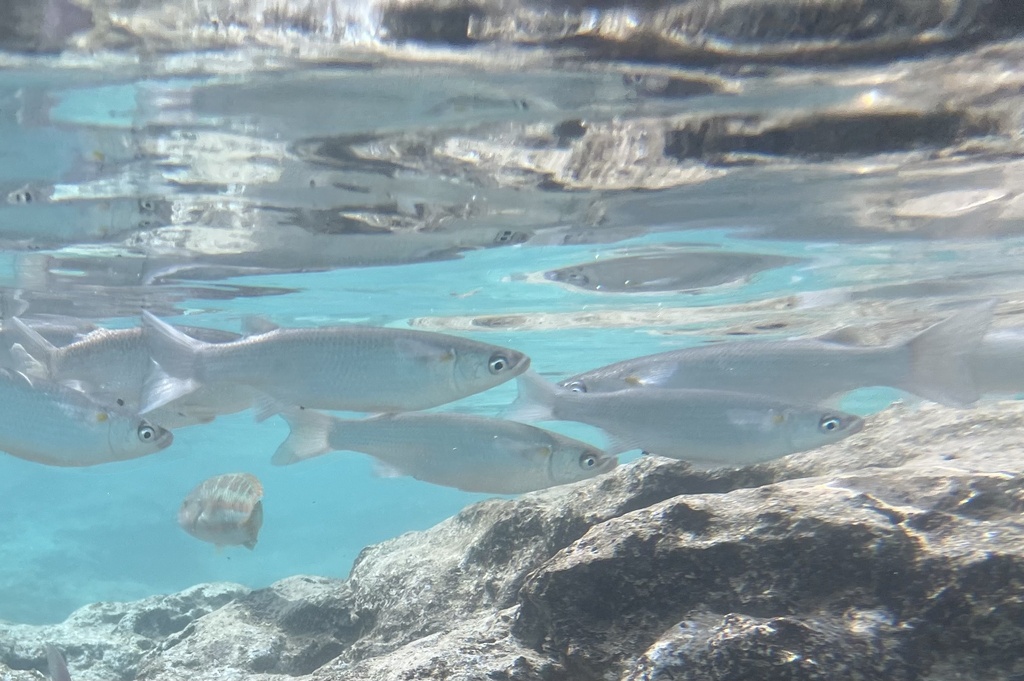
no rights reserved · CC0 1.0 · iNaturalist 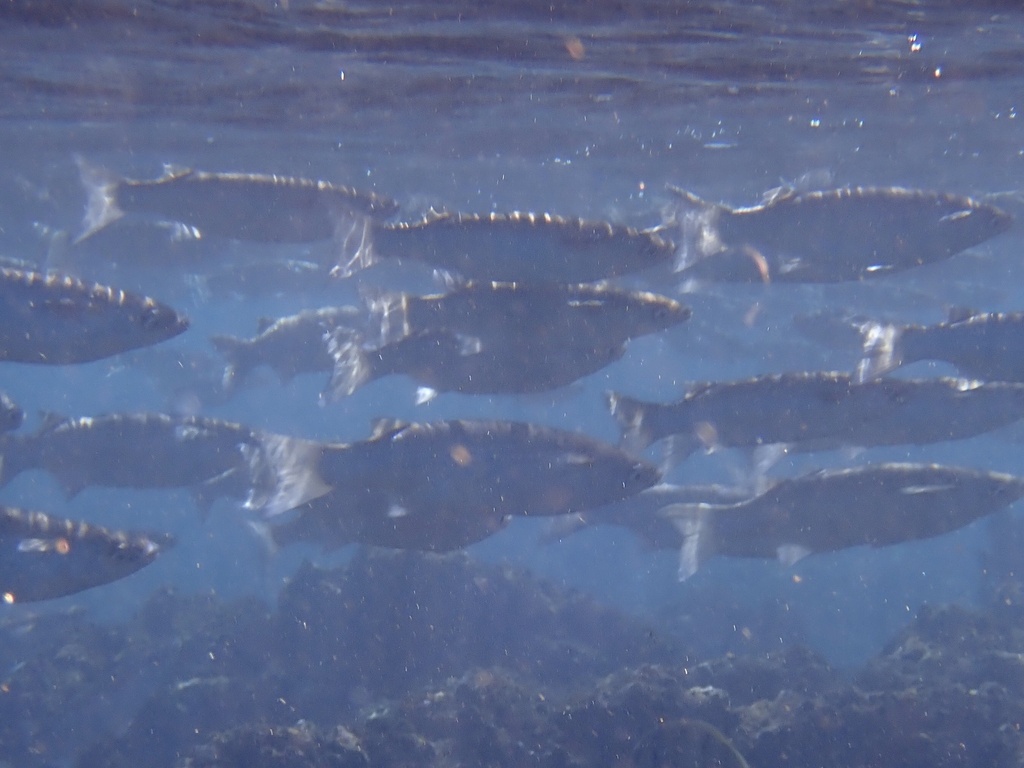
(c) Cricket Raspet, some rights reserved (CC BY) · CC BY · iNaturalist 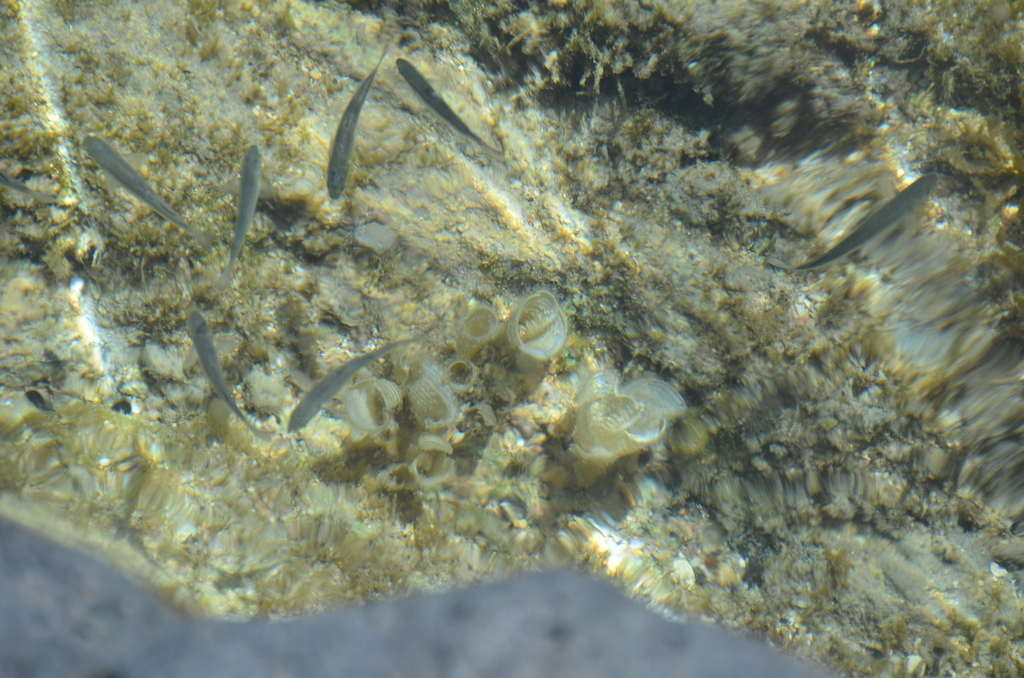
(c) Liam Steele, some rights reserved (CC BY) · CC BY · iNaturalist 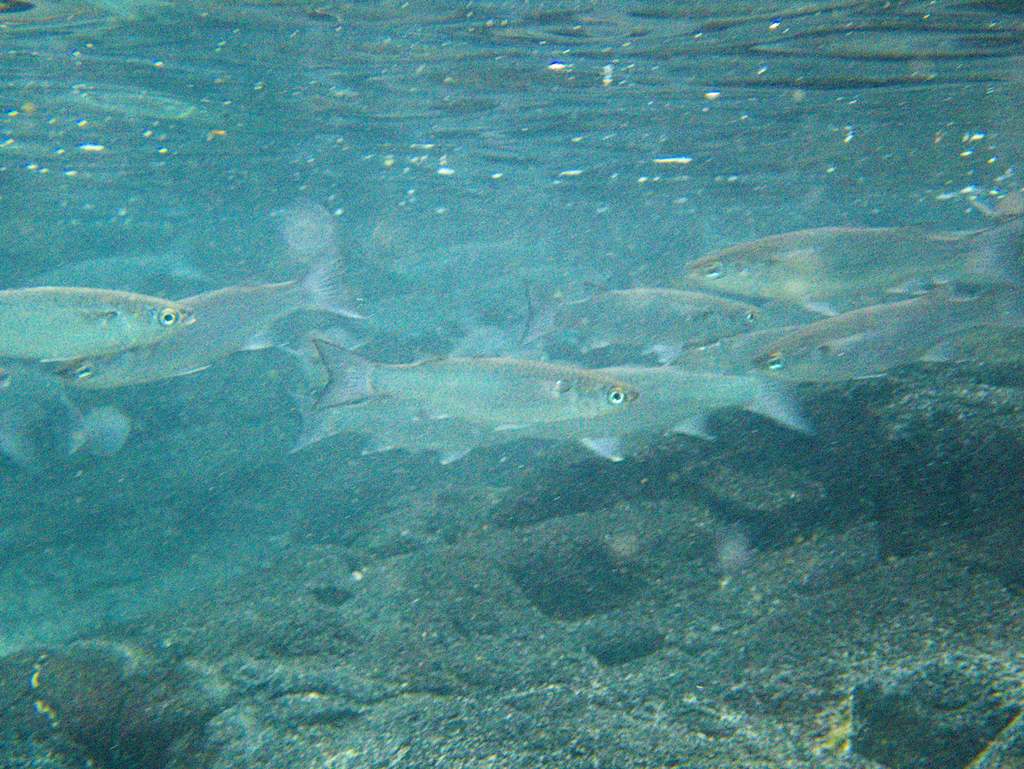
(c) Slunky, some rights reserved (CC BY) · CC BY · iNaturalist 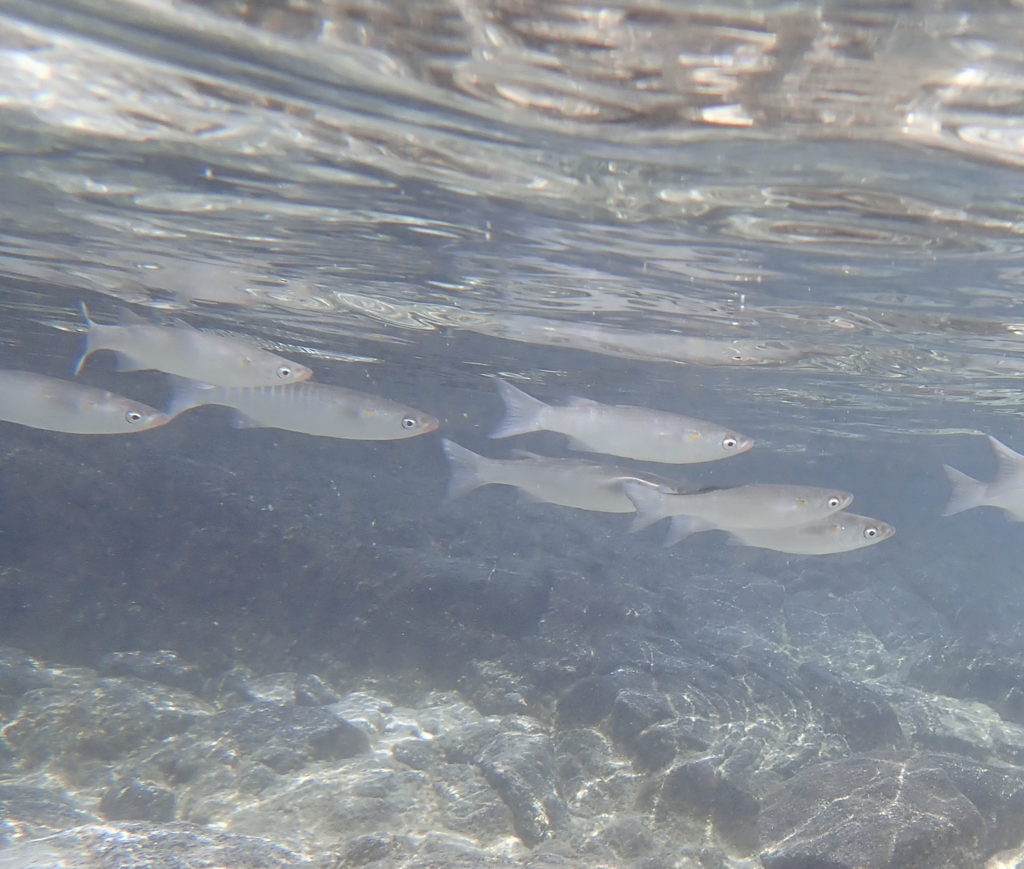
(c) Jason Grant, some rights reserved (CC BY) · CC BY · iNaturalist 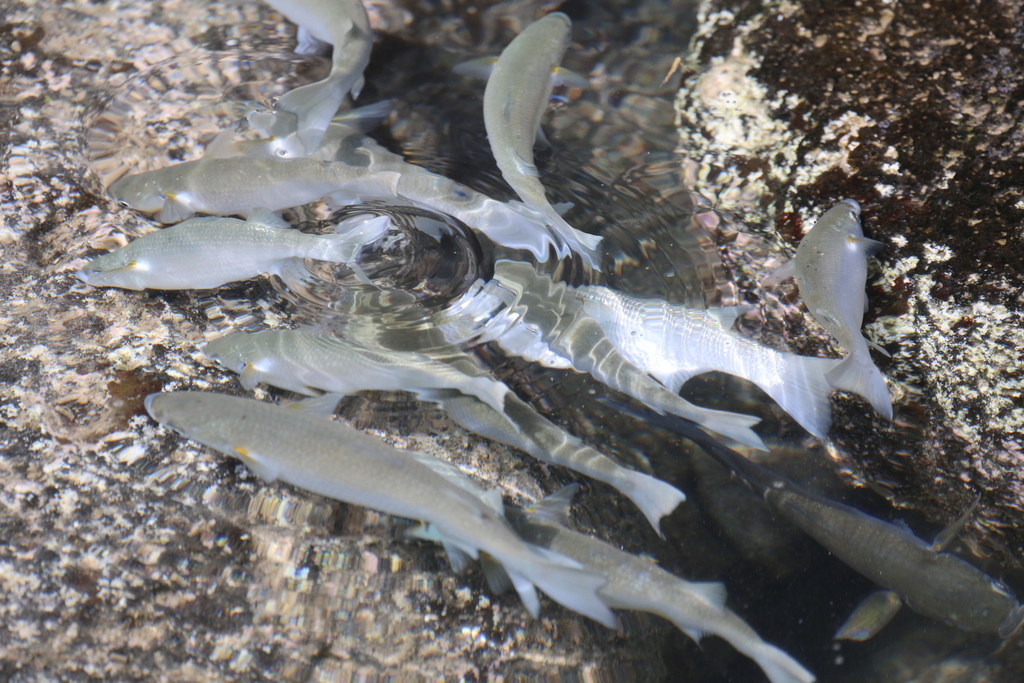
(c) Barry Langdon-Lassagne, some rights reserved (CC BY) · CC BY · iNaturalist
Names and classification
- English
- brown mullet, Sharpnose Mullet, Sharpnose Mullet, Acute-jawed mullet
Names in 2 more languages
- French
- Mulet argenté
- Japanese
- Kuchibosobora, クチボソボラ
Other scientific names: Chaenomugil leuciscus, Chaenomugil nauticus, Mugil chaptalii, Myxus leuciscus, Myxus sclateri, Neomyxus chaptalii, Neomyxus sclateri
Similar species
 Conmuri
Aldrichetta forsteri
 Flathead grey mullet
Mugil cephalus
 Brasilian Mullet
Chelon dumerili
 Diamond-scaled Mullet
Ellochelon vaigiensis
 Brown-back Mullet
Gracilimugil argenteus
 Black Spot Mullet
Myxus elongatus
Sources and credits
Names and taxonomy: WoRMS (CC BY 4.0) and the GBIF Backbone (CC BY 4.0). Photos: iNaturalist observers, each under the licence shown (CC0, CC BY or CC BY-SA).
- Depth, temperature, months and maps: records from OBIS and GBIF under CC0 or CC BY.
- Descriptions: Wikipedia, licensed CC BY-SA, each linked to its article.
- Conservation status as published by GBIF (IUCN Red List).
- 126 open-data records from 1902 to 2012.
- Species data updated November 4, 2026.
Log what you see on your next dive
The free DiveHive diver app keeps your logbook with every sighting and shows what lives at the site you dive next.