
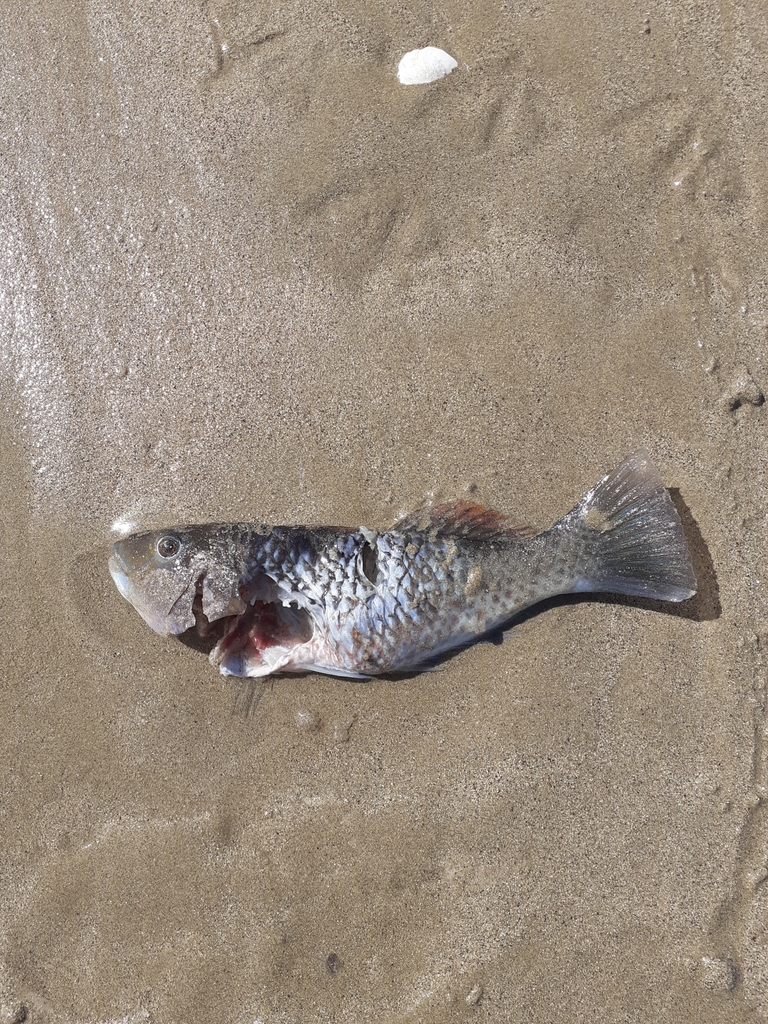
spotty
Notolabrus celidotus
- Usual depth6–36 m
- Water temperature12–21 °C
- Best monthsJanuary, November, and December
- How commonOccasional
Photo credit: (c) On Lee Lau, some rights reserved (CC BY) · CC BY · iNaturalist
About this species
The spotty or paketi is a species of wrasse endemic to the waters around New Zealand, including Stewart Island and the surrounding areas. It can be found on reefs at depths from 22 to 145 m, though most common in shallower parts of that range. This species can reach 23.9 cm (9.4 in) in standard length.
Text from the Wikipedia article “Spotty (fish)”, licensed CC BY-SA 4.0. Read the article
Where and when
Where it has been recorded
Worldwide
Loading the map
Best months
Worldwide (open data)
- January: 144 records
- February: 141 records
- March: 126 records
- April: 100 records
- May: 57 records
- June: 30 records
- July: 24 records
- August: 28 records
- September: 44 records
- October: 124 records
- November: 154 records
- December: 164 records
Depth and water temperature
Depth
Mostly recorded at 6–36 m · Deepest record: 287 m
Water temperature
Recorded in surface water of 12–21 °C
Photos
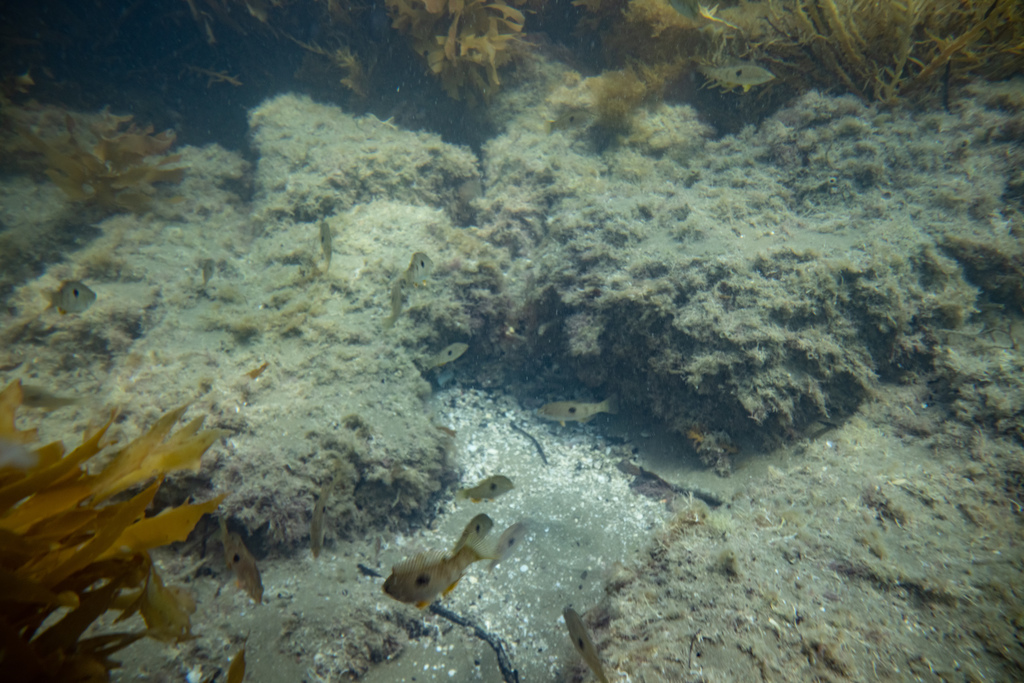
(c) Shaun Lee, some rights reserved (CC BY) · CC BY · iNaturalist 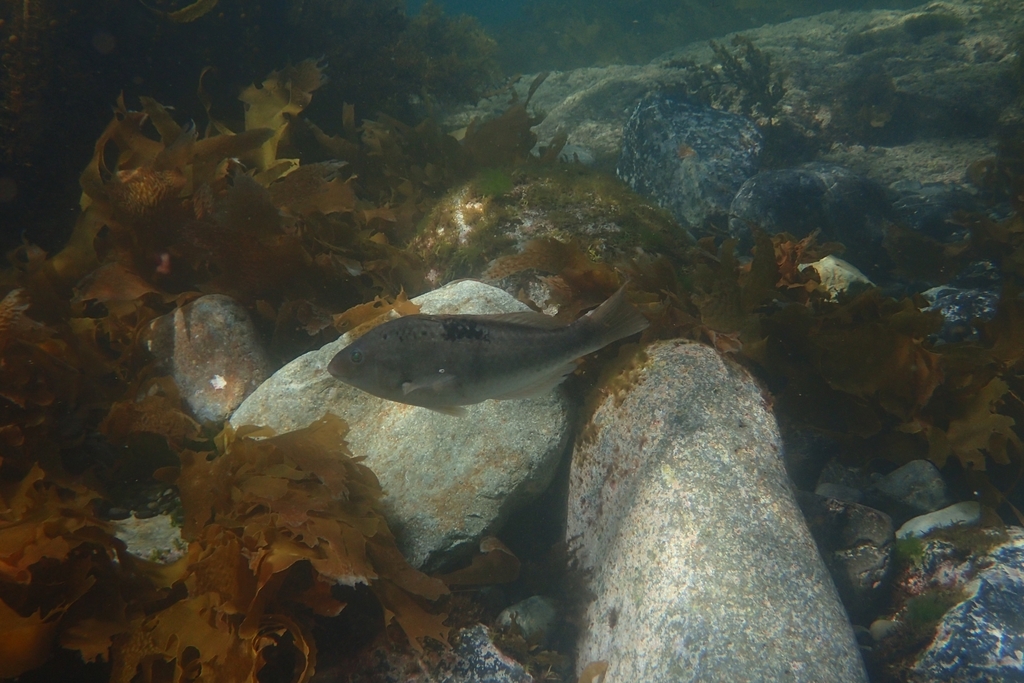
(c) Oscar Dove, some rights reserved (CC BY) · CC BY · iNaturalist 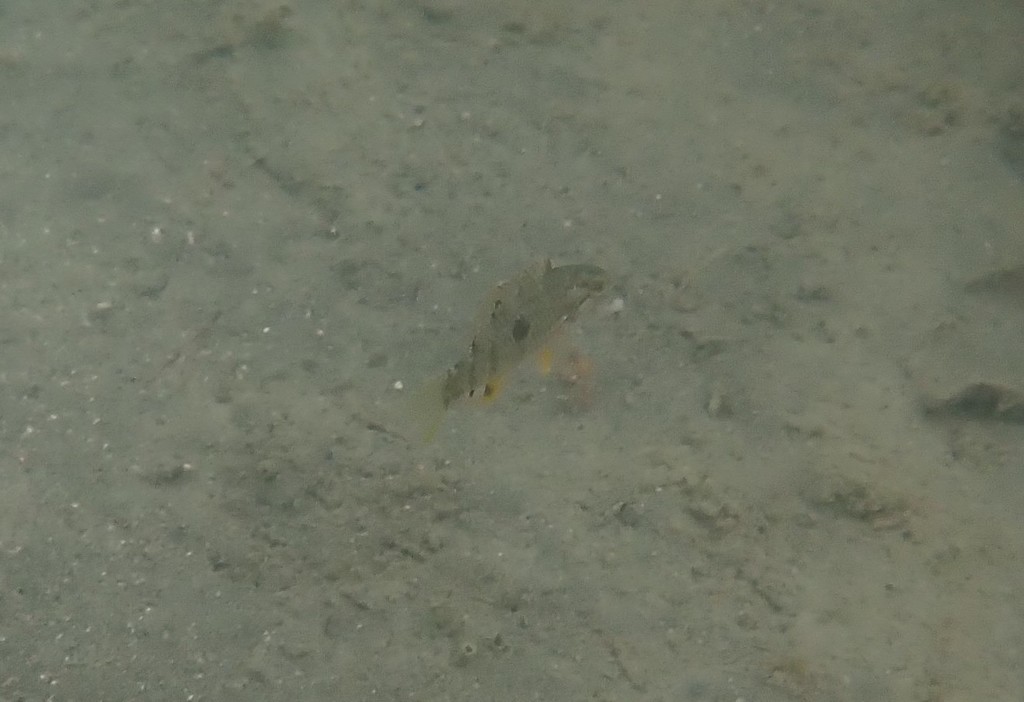
(c) Javier, some rights reserved (CC BY) · CC BY · iNaturalist (c) Colin Meurk, some rights reserved (CC BY-SA) · CC BY-SA · iNaturalist 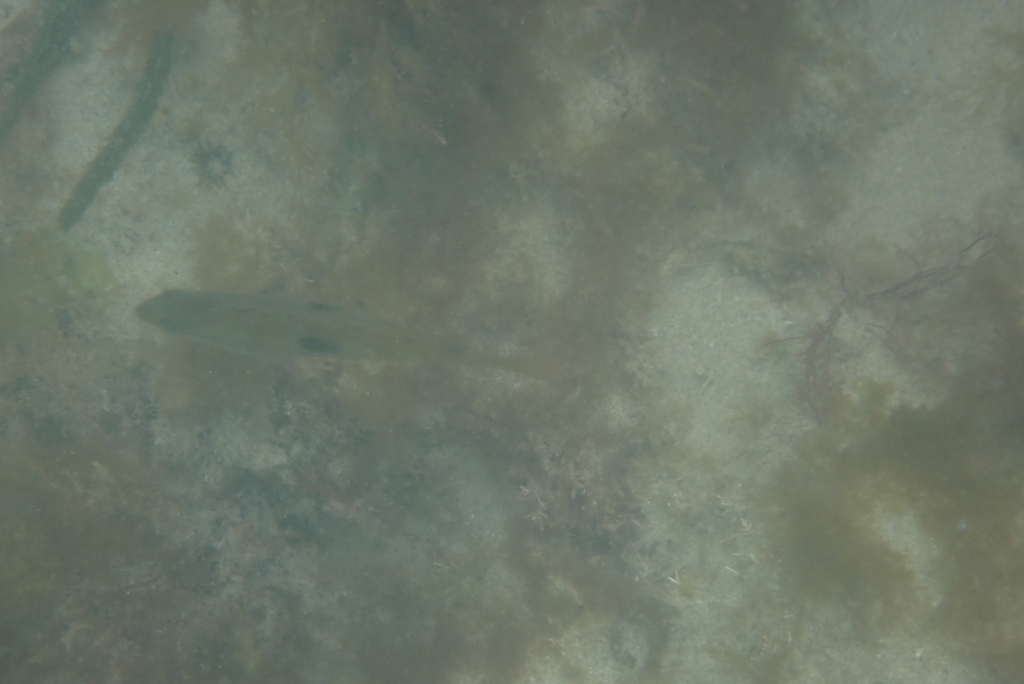
(c) Jenny Saito, some rights reserved (CC BY) · CC BY · iNaturalist 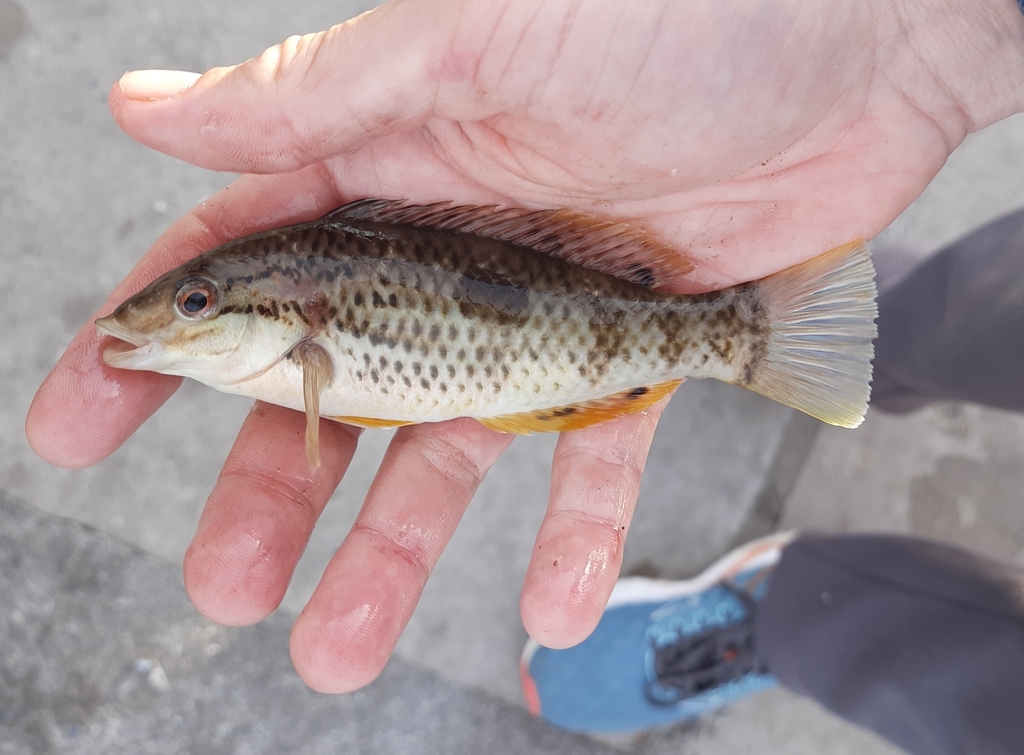
(c) Genevieve Early, some rights reserved (CC BY) · CC BY · iNaturalist 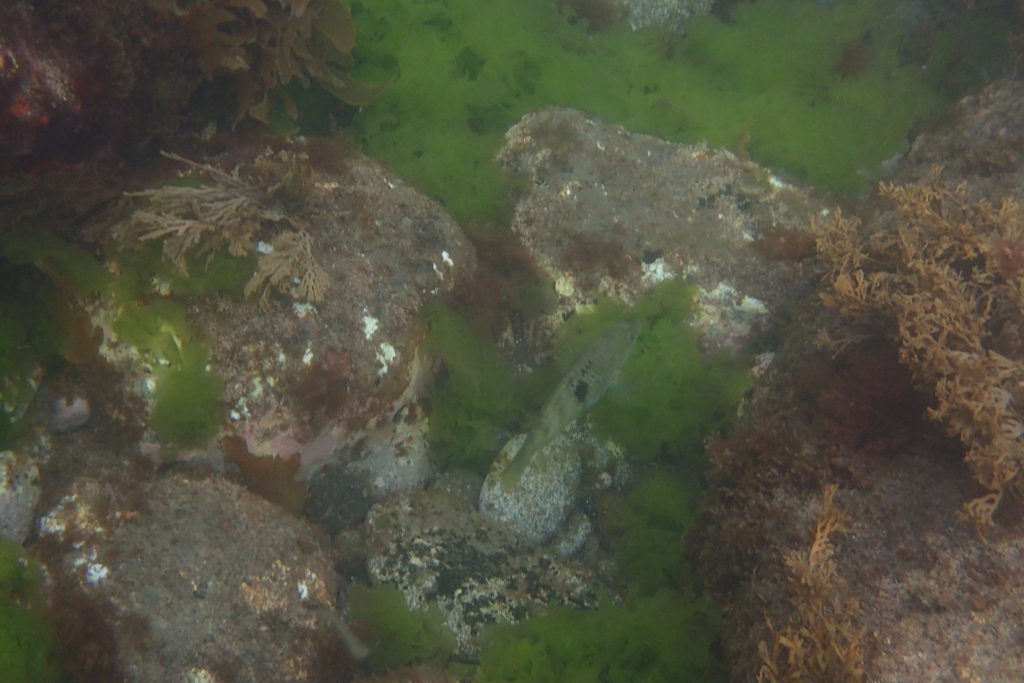
(c) Oscar Dove, some rights reserved (CC BY) · CC BY · iNaturalist

Names and classification
- English
- spotty
Names in 1 more languages
- German
- Flecken-Lippfisch
Other scientific names: Julis celidotus, Labrichthys botryocosmus, Labrichthys celidota, Labrus botryocosmus, Labrus celidotus, Labrus poecilopleura, Pseudolabrus celidotus
Similar species
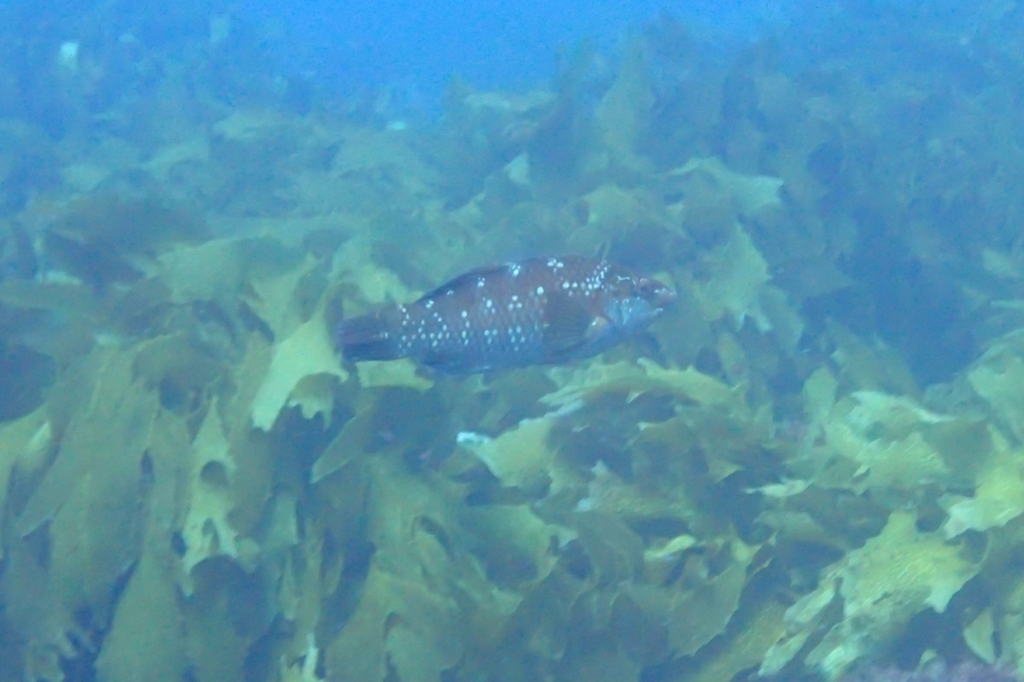 banded parrotfish
Notolabrus fucicola
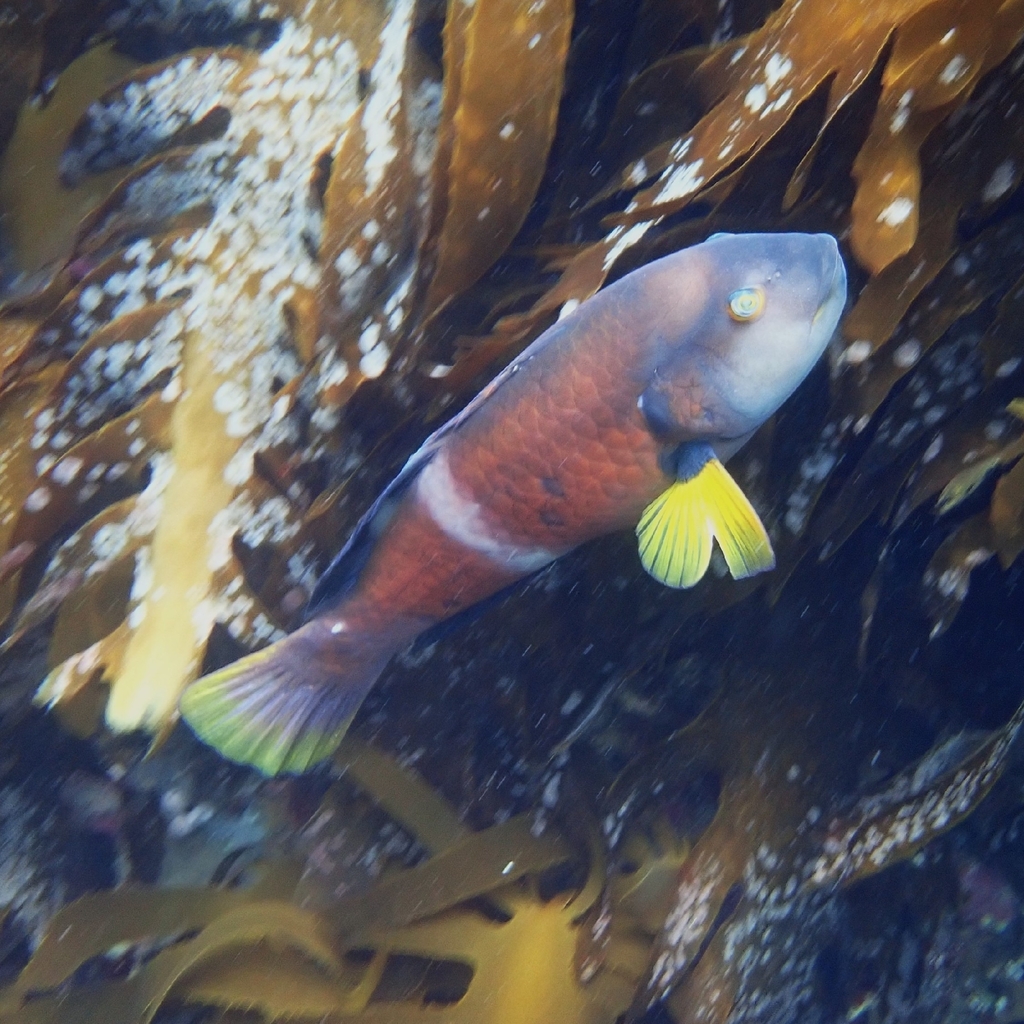 Bluehead
Notolabrus tetricus
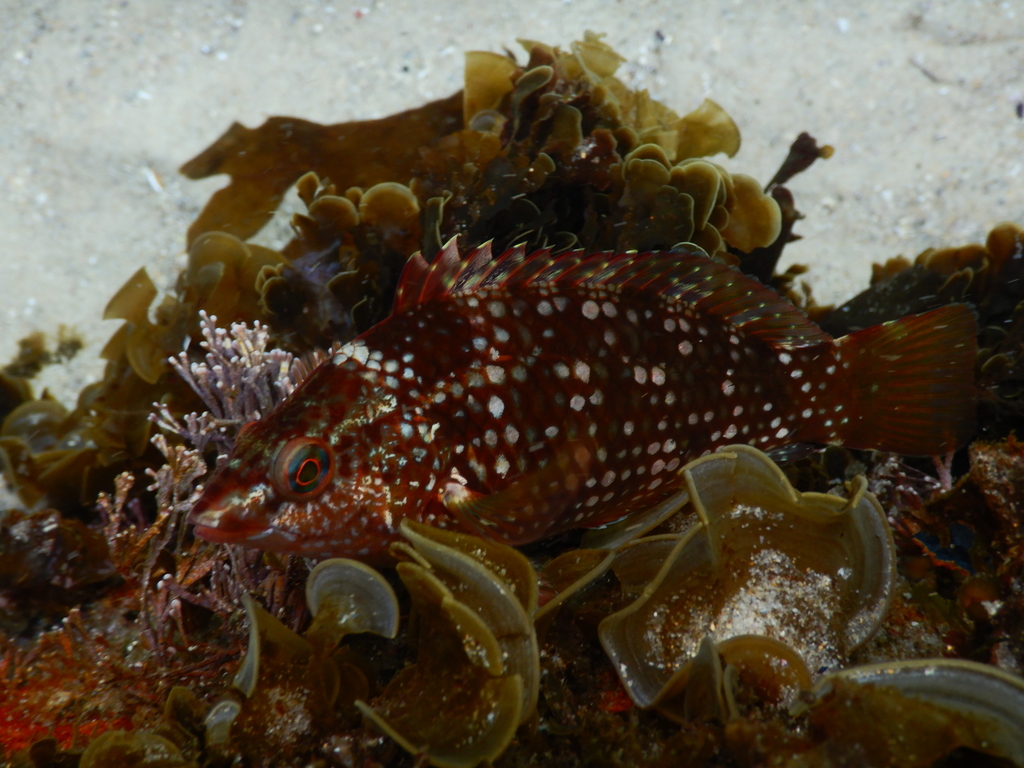 Crimson-banded Parrot-fish
Notolabrus gymnogenis
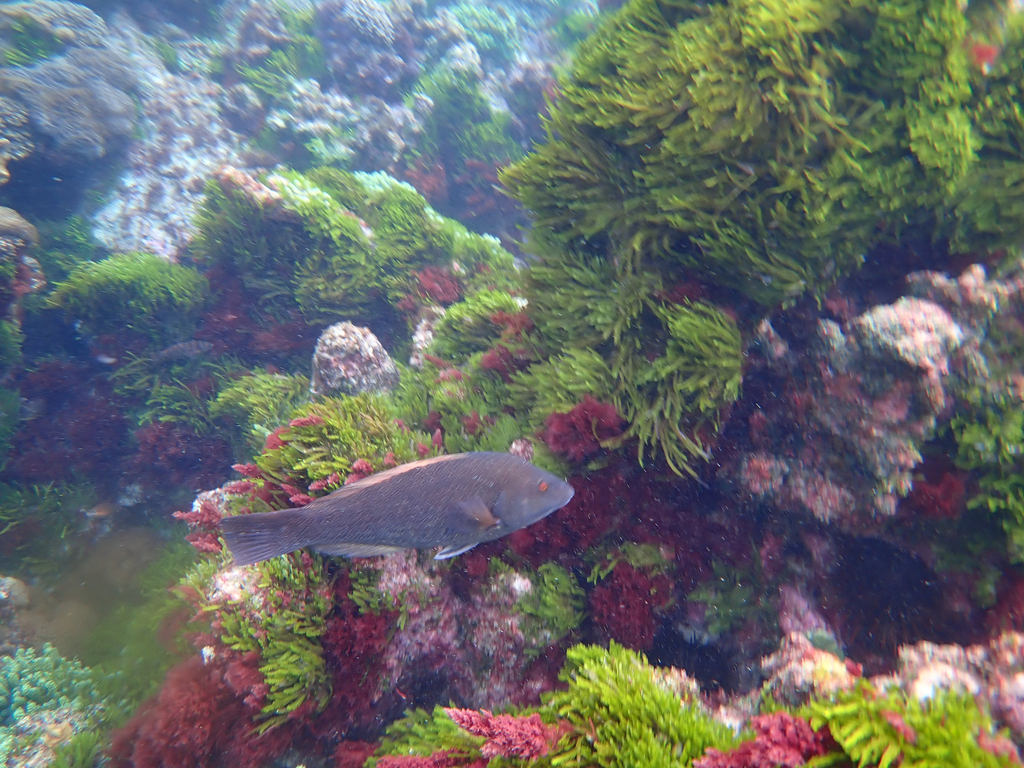 Green Wrasse
Notolabrus inscriptus
 Brown-spotted Parrotfish
Notolabrus parilus
- Girdled Wrasse
Notolabrus cinctus
Sources and credits
Names and taxonomy: WoRMS (CC BY 4.0) and the GBIF Backbone (CC BY 4.0). Photos: iNaturalist observers, each under the licence shown (CC0, CC BY or CC BY-SA).
- Depth, temperature, months and maps: records from OBIS and GBIF under CC0 or CC BY.
- Descriptions: Wikipedia, licensed CC BY-SA, each linked to its article.
- Conservation status as published by GBIF (IUCN Red List).
- 1,855 open-data records from 1907 to 2024.
- Species data updated November 5, 2026.
Log what you see on your next dive
The free DiveHive diver app keeps your logbook with every sighting and shows what lives at the site you dive next.