
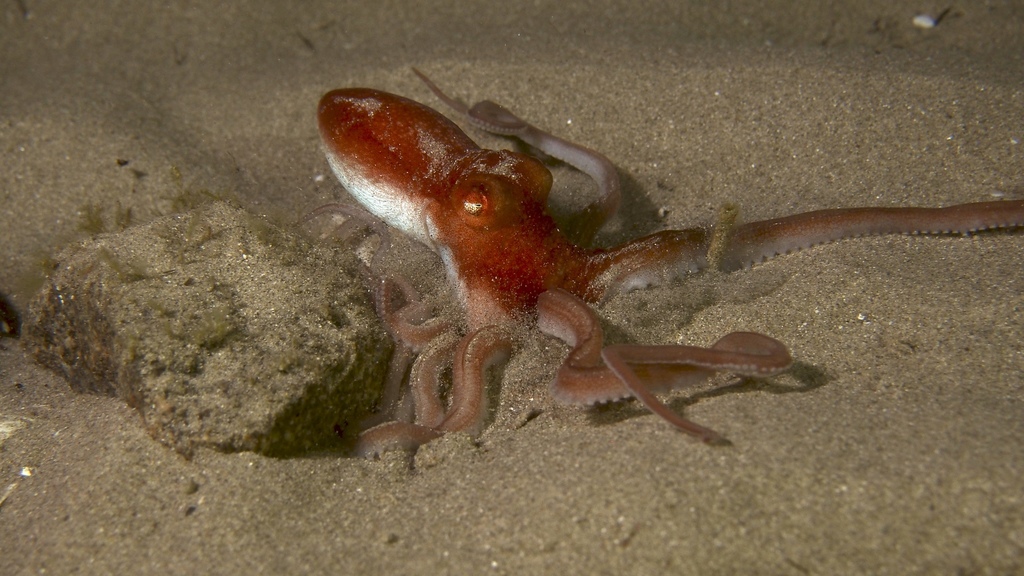
Southern sand octopus
Octopus kaurna
- Usual depth2–4 m
- Water temperature15–18 °C
- Best monthsJanuary, February, and April
- How commonRare
Photo credit: (c) Christopher Mark, some rights reserved (CC BY) · CC BY · iNaturalist
About this species
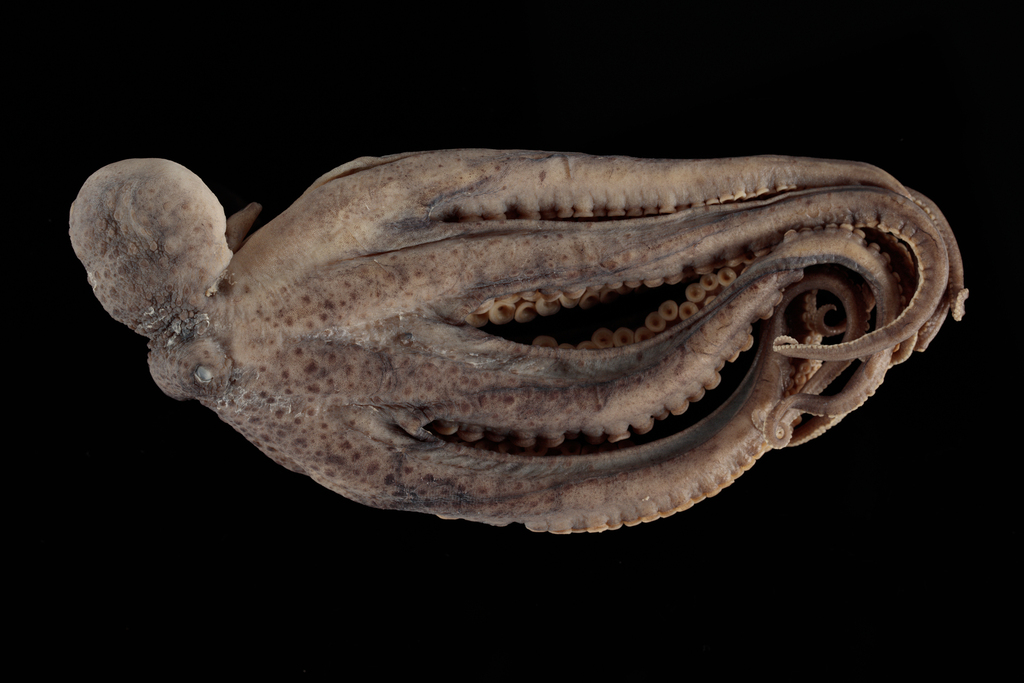
Octopus kaurna, also known as the southern sand octopus, is an octopus native to the waters around the Great Australian Bight and Tasmania. It has an arm span of up to 50 cm (20 in) with long, unusually thin tentacles joined at the base by webbing and studded with small suckers. The species was first identified by Timothy Nathaniel Stranks. Kaurna is the name of an Australian Aboriginal clan which lived in the Adelaide region of South Australia.
Text from the Wikipedia article “Octopus kaurna”, licensed CC BY-SA 4.0. Read the article
Where and when
Where it has been recorded
Worldwide
Loading the map
Best months
Worldwide (open data)
- January: 33 records
- February: 32 records
- March: 22 records
- April: 34 records
- May: 24 records
- June: 10 records
- July: 7 records
- August: 5 records
- September: 8 records
- October: 6 records
- November: 8 records
- December: 19 records
Depth and water temperature
Depth
Mostly recorded at 2–4 m · Deepest record: 4 m
Water temperature
Recorded in surface water of 15–18 °C
Photos
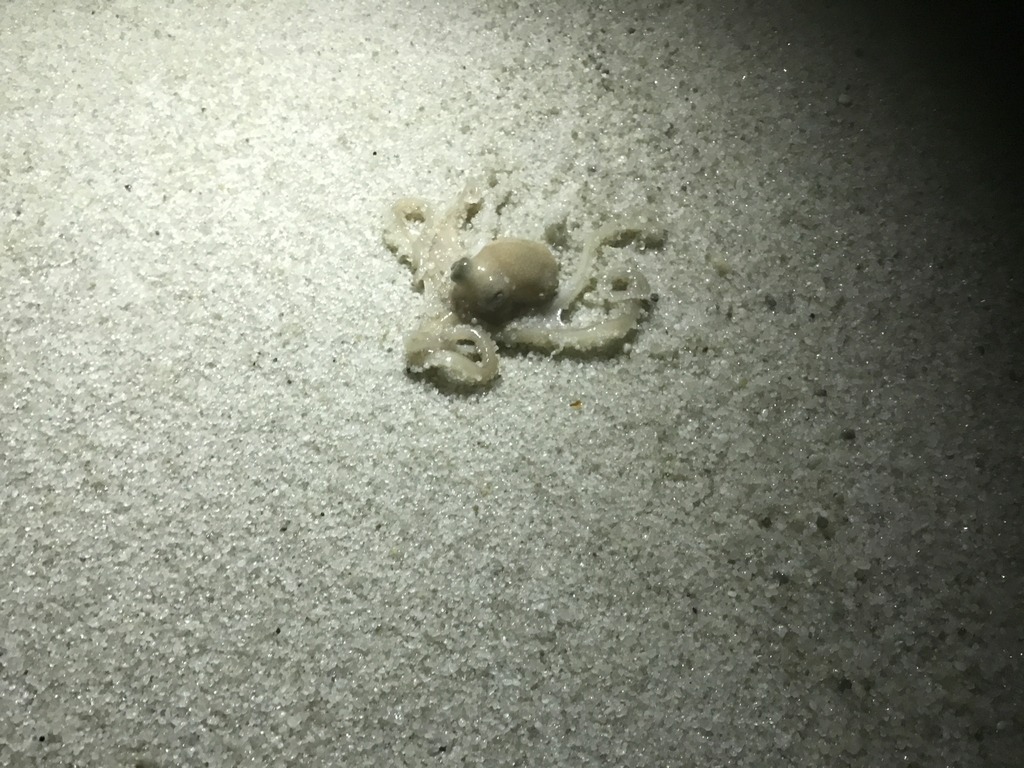
no rights reserved · CC0 1.0 · iNaturalist 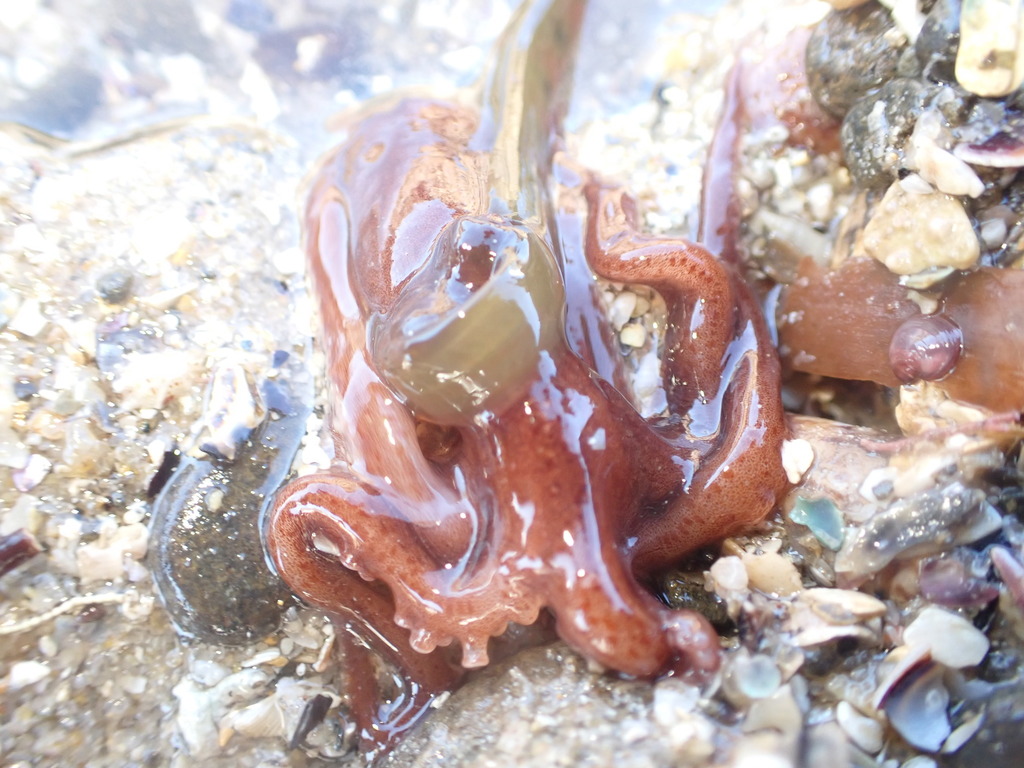
(c) Tim, some rights reserved (CC BY-SA) · CC BY-SA · iNaturalist 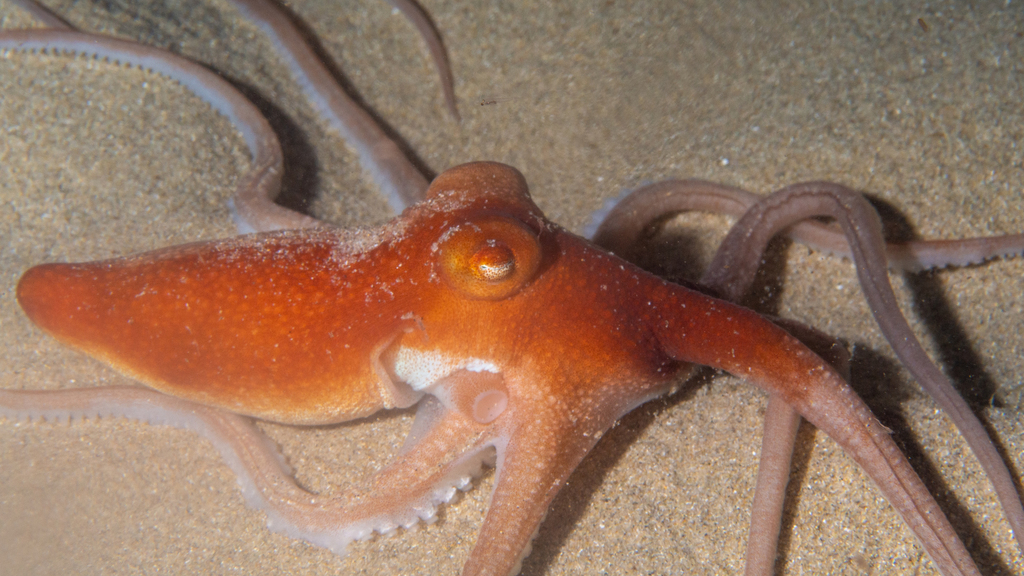
(c) Christopher Mark, some rights reserved (CC BY) · CC BY · iNaturalist
Names and classification
- English
- Southern sand octopus, southern sand octopus
Names in 4 more languages
- German
- Südlicher Sandkrake
- Spanish
- Pulpo de l’arena austral
- French
- Poulpe du sable meridional
- Thai
- ปลาหมึกสายซ่อนทราย
Similar species
 Common Atlantic octopus
Octopus vulgaris
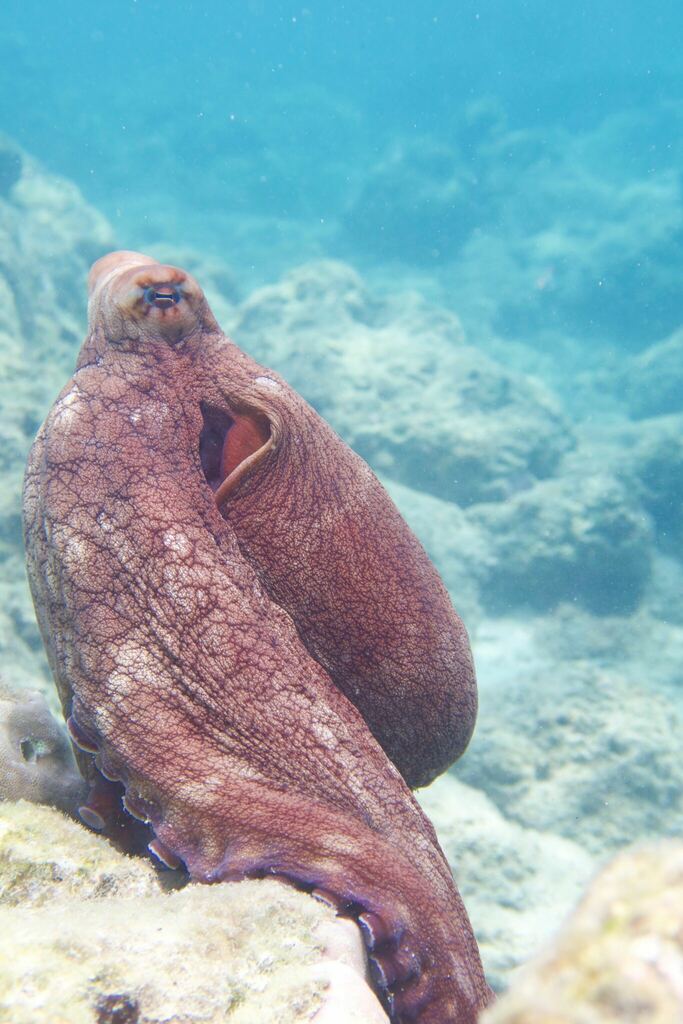 Big blue octopus
Octopus cyanea
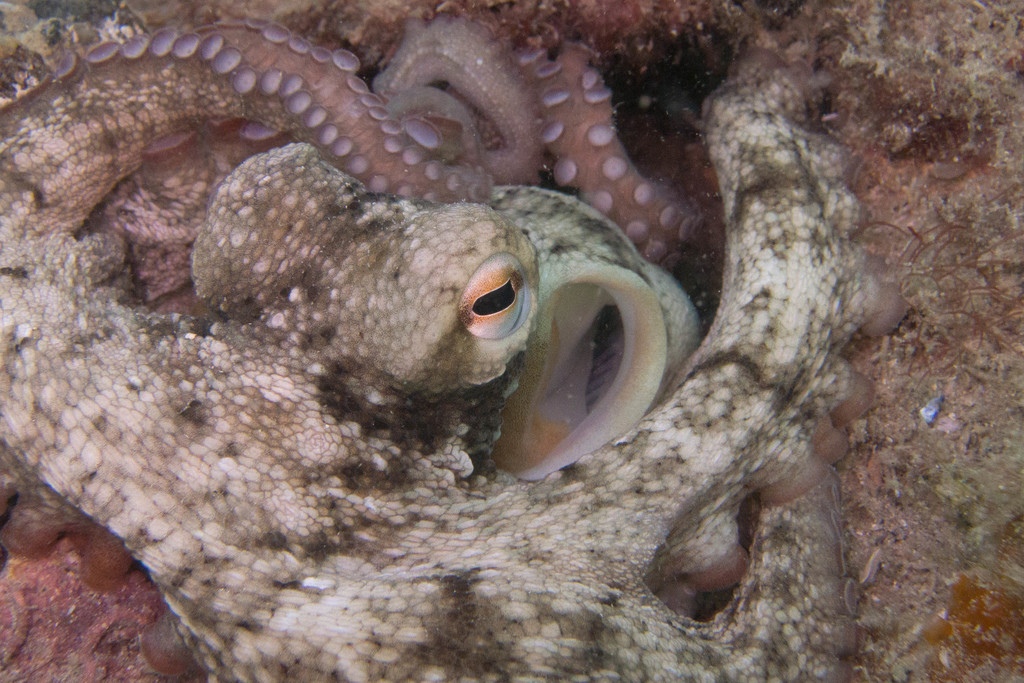 Gloomy octopus
Octopus tetricus
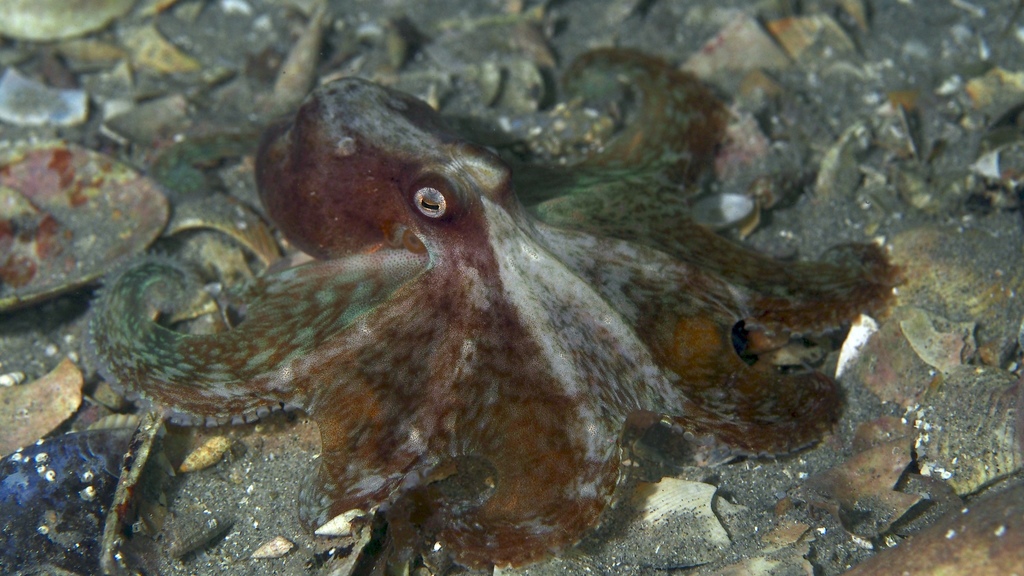 Southern Keeled Octopus
Octopus berrima
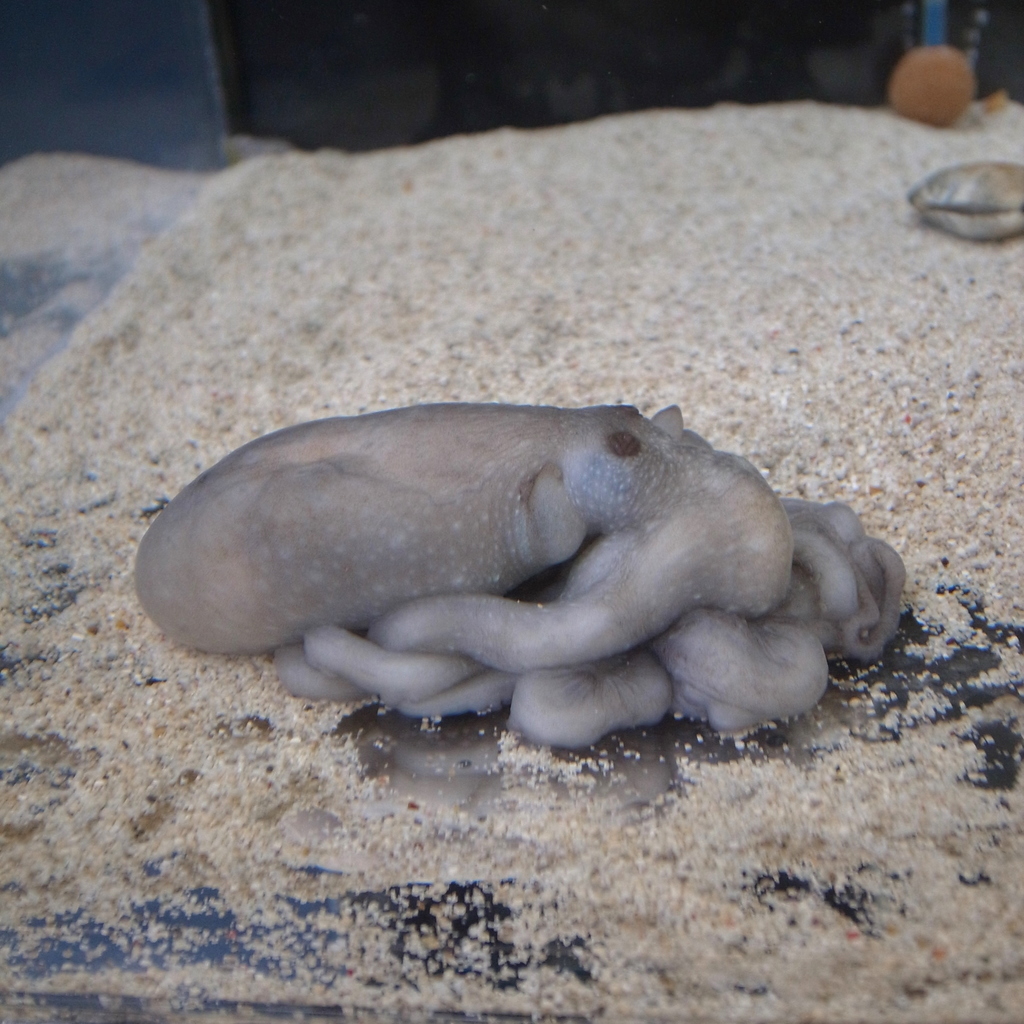 Common Long-arm Octopus
Octopus minor
 Oliver's Octopus
Octopus oliveri
Sources and credits
Names and taxonomy: WoRMS (CC BY 4.0) and the GBIF Backbone (CC BY 4.0). Photos: iNaturalist observers, each under the licence shown (CC0, CC BY or CC BY-SA).
- Depth, temperature, months and maps: records from OBIS and GBIF under CC0 or CC BY.
- Descriptions: Wikipedia, licensed CC BY-SA, each linked to its article.
- Conservation status as published by GBIF (IUCN Red List).
- 87 open-data records from 1880 to 2015.
- Species data updated November 5, 2026.
Log what you see on your next dive
The free DiveHive diver app keeps your logbook with every sighting and shows what lives at the site you dive next.