
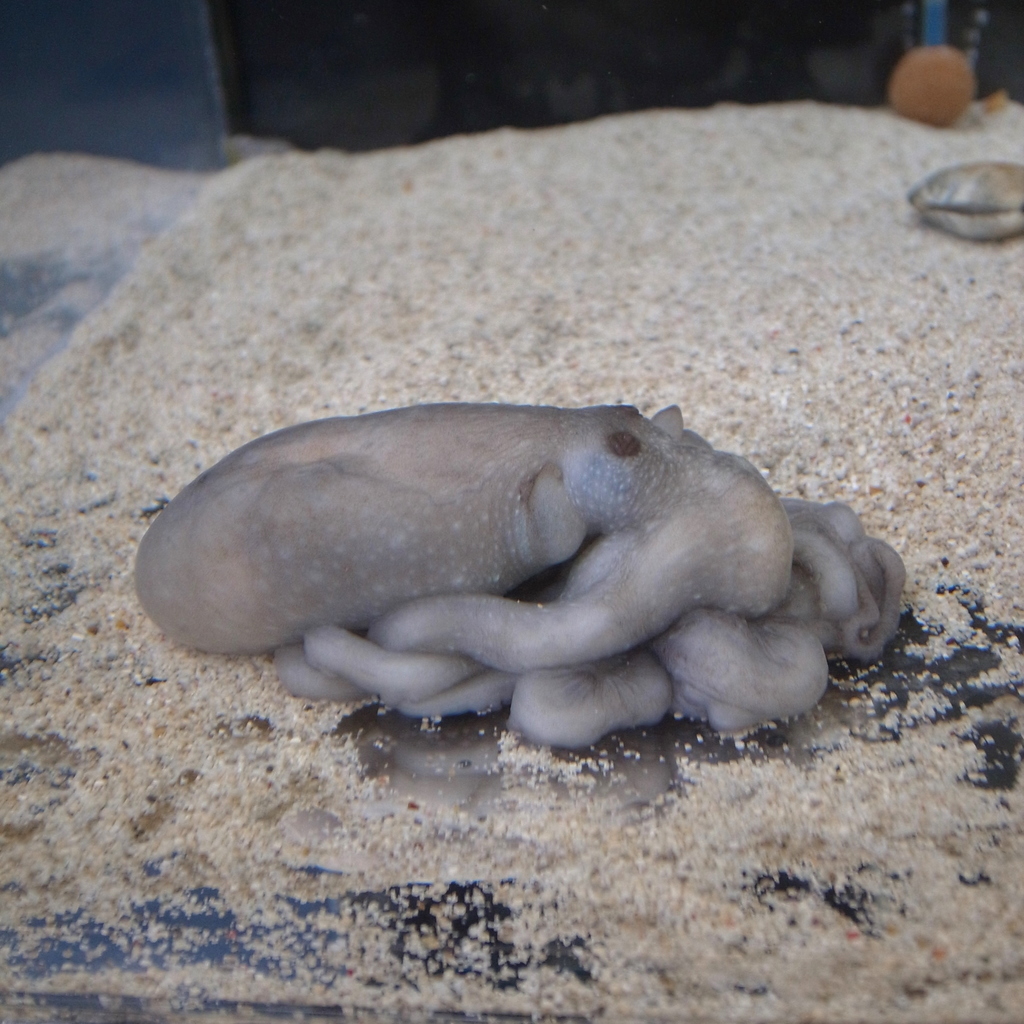
Common Long-arm Octopus
Octopus minor
- Usual depth86 m
- Water temperature13–21 °C
- Best monthsApril, July, and October
- How commonRare
Photo credit: (c) anonymous, some rights reserved (CC BY-SA) · CC BY-SA · iNaturalist
About this species
Octopus minor, commonly known as the long arm octopus or the Korean common octopus, is a small-bodied octopus species distributed along the benthic coastal waters bordering China, Japan, and the Korean Peninsula. It lives at depths ranging from the sea surface to 200 metres. O. minor is commonly found in the mudflats of sub-tidal zones where it is exposed to significant environmental variation. It is grouped within the class Cephalopoda along with squids and cuttlefish.
Text from the Wikipedia article “Octopus minor”, licensed CC BY-SA 4.0. Read the article
Where and when
Where it has been recorded
Worldwide
Loading the map
Best months
Worldwide (open data)
- January: 0 records
- February: 0 records
- March: 0 records
- April: 1 records
- May: 0 records
- June: 0 records
- July: 1 records
- August: 0 records
- September: 0 records
- October: 1 records
- November: 1 records
- December: 0 records
Depth and water temperature
Depth
Mostly recorded at 86 m · Deepest record: 86 m
Water temperature
Recorded in surface water of 13–21 °C
Names and classification
- English
- Common Long-arm Octopus, Korean Common Octopus, Long-armed Octopus, Long-arm Octopus, Long Arm Octopus, Nakji, Whiparm octopus
Names in 7 more languages
- German
- Langarm-Oktopus
- Spanish
- Pulpo antenado
- French
- Poulpe fouet
- Indonesian
- Gurita Korea, Gurita lengan panjang
- Japanese
- テナガダコ
- Korean
- 낙제, 낙지, 석거, 장어
- Simplified Chinese
- Cháng-Xiāo, 長腕小章魚, 長蛸
Other scientific names: Polypus variabilis
Similar species
 Common Atlantic octopus
Octopus vulgaris
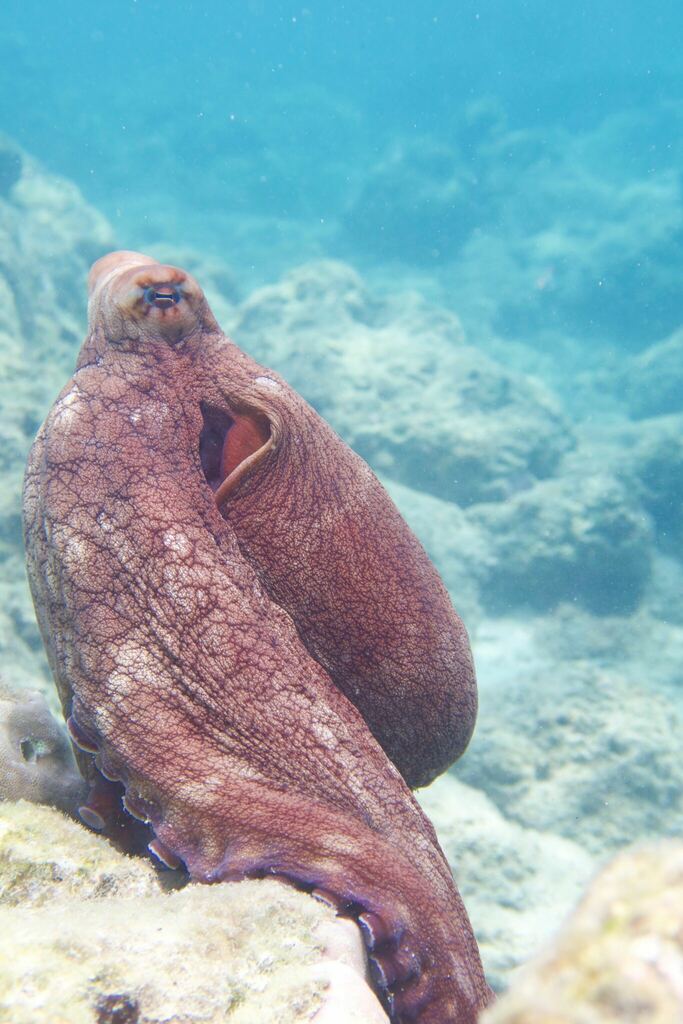 Big blue octopus
Octopus cyanea
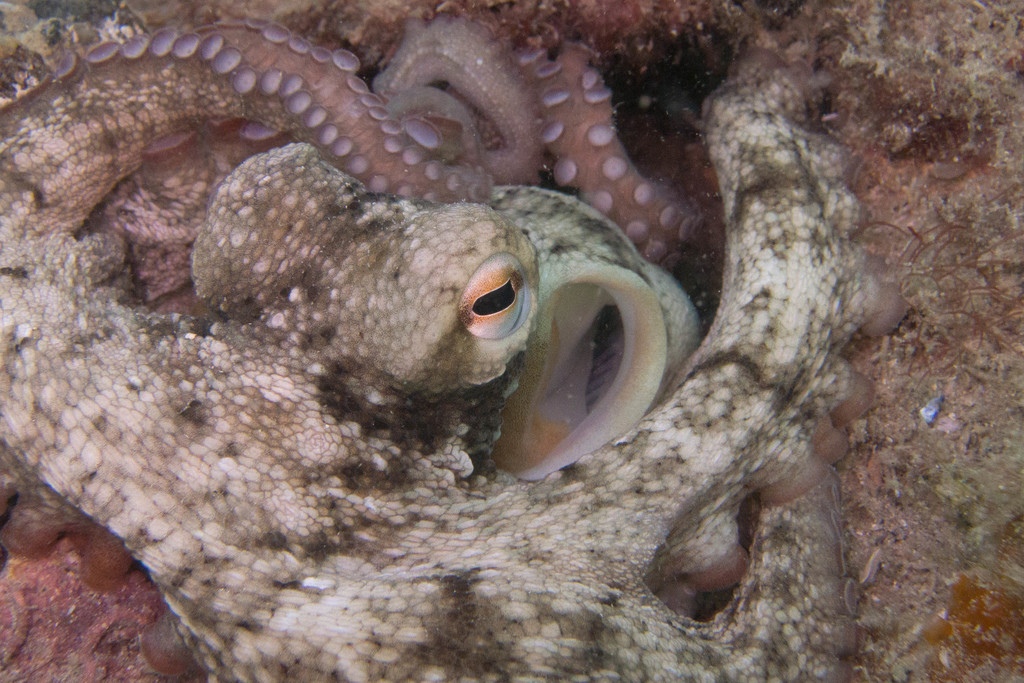 Gloomy octopus
Octopus tetricus
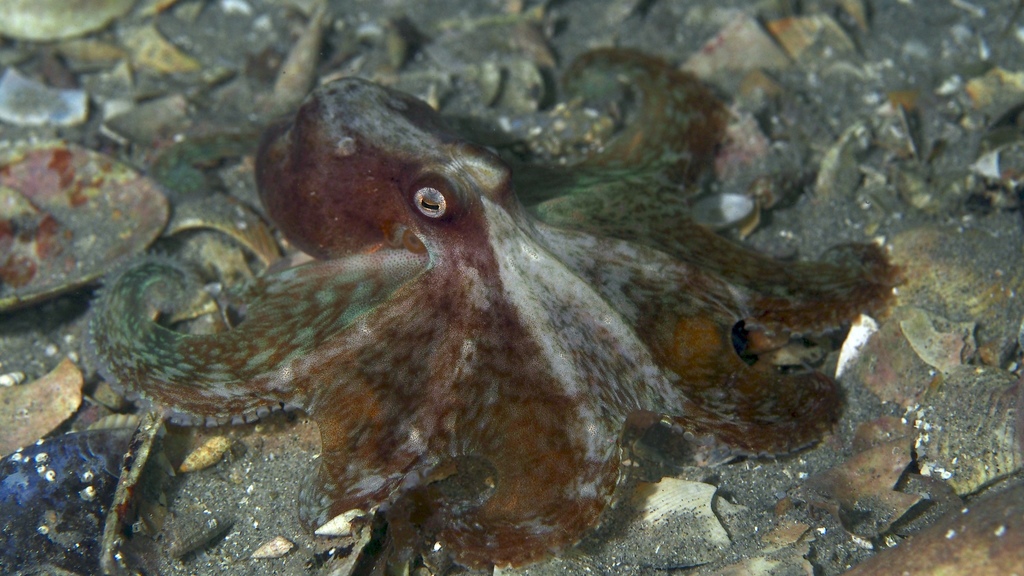 Southern Keeled Octopus
Octopus berrima
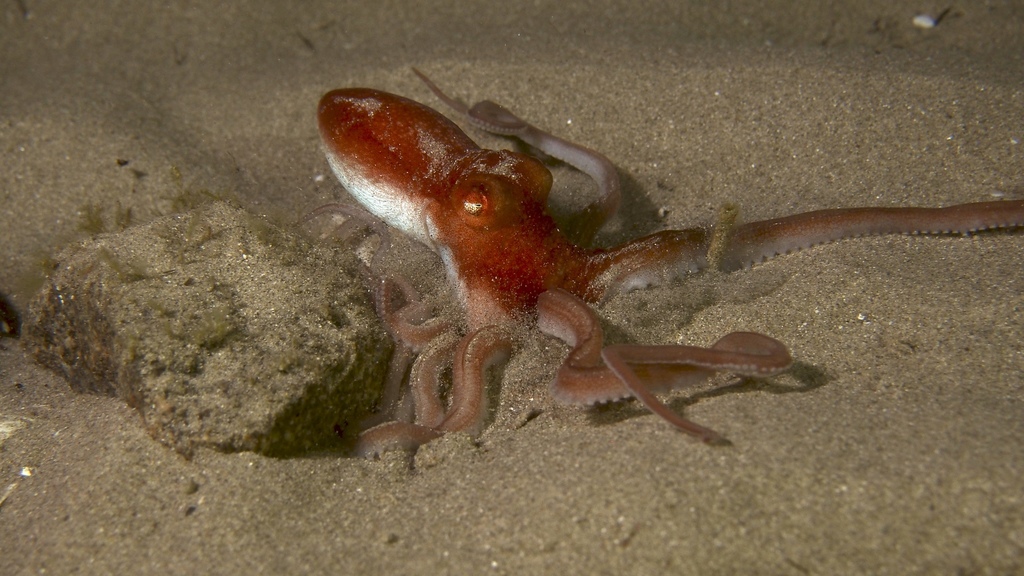 Southern sand octopus
Octopus kaurna
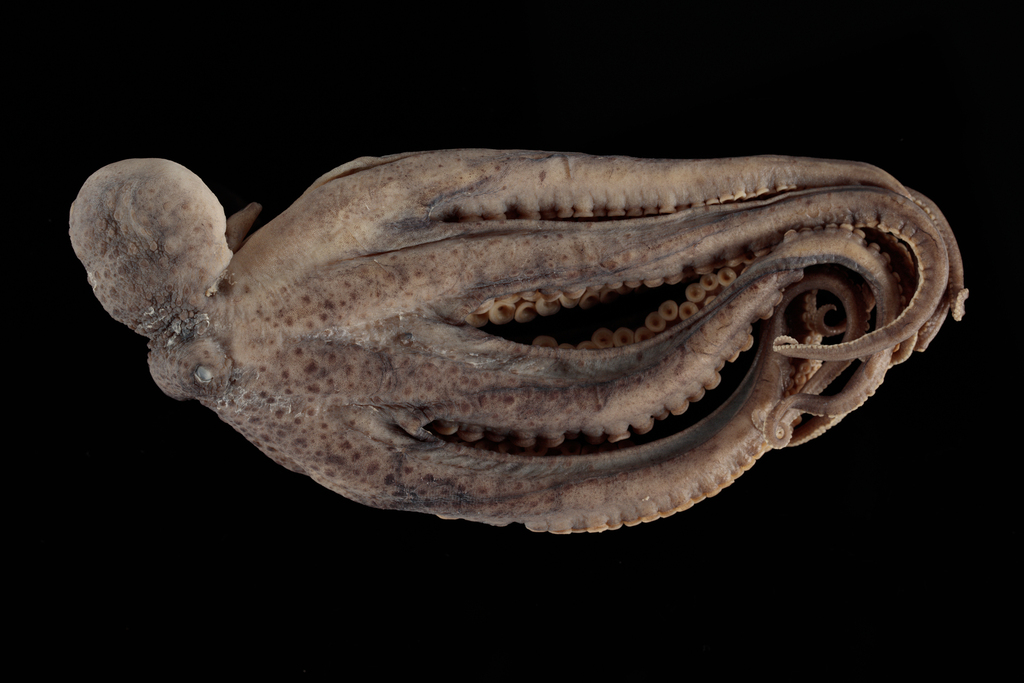 Oliver's Octopus
Octopus oliveri
Sources and credits
Names and taxonomy: WoRMS (CC BY 4.0) and the GBIF Backbone (CC BY 4.0). Photos: iNaturalist observers, each under the licence shown (CC0, CC BY or CC BY-SA).
- Depth, temperature, months and maps: records from OBIS and GBIF under CC0 or CC BY.
- Descriptions: Wikipedia, licensed CC BY-SA, each linked to its article.
- Conservation status as published by GBIF (IUCN Red List).
- 4 open-data records from 1906 to 2009.
- Species data updated November 5, 2026.
Log what you see on your next dive
The free DiveHive diver app keeps your logbook with every sighting and shows what lives at the site you dive next.