
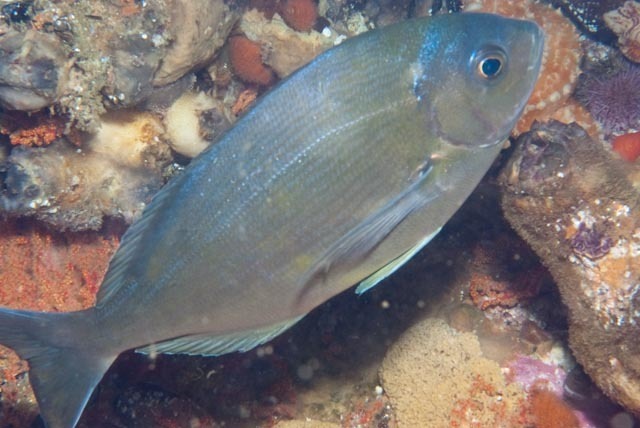
Blue Hottentot
Pachymetopon aeneum
- Usual depth32–89 m
- Water temperature16–25 °C
- Best monthsJune, July, and August
- How commonCommon
Photo credit: (c) Georgina Jones, some rights reserved (CC BY-SA) · CC BY-SA · iNaturalist
About this species
Pachymetopon aeneum, the blue hottentot, is a species of marine demersal ray-finned fish belonging to the family which includes the seabreams and porgies. It is endemic to the south and east coasts of South Africa.
Text from the Wikipedia article “Pachymetopon aeneum”, licensed CC BY-SA 4.0. Read the article
Where and when
Where it has been recorded
Worldwide
Loading the map
Best months
Worldwide (open data)
- January: 1,250 records
- February: 1,097 records
- March: 1,257 records
- April: 1,276 records
- May: 1,403 records
- June: 1,426 records
- July: 1,508 records
- August: 1,454 records
- September: 1,253 records
- October: 915 records
- November: 914 records
- December: 1,055 records
Depth and water temperature
Depth
Mostly recorded at 32–89 m · Deepest record: 284 m
Water temperature
Recorded in surface water of 16–25 °C
Photos
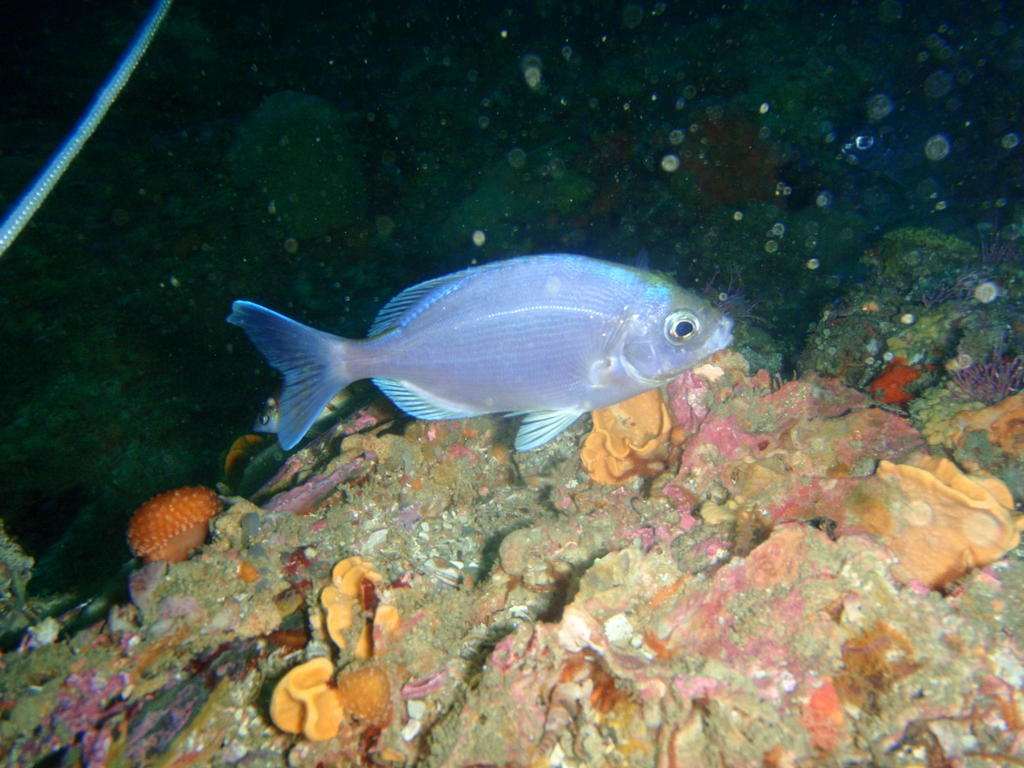
(c) Peter Southwood, some rights reserved (CC BY-SA) · CC BY-SA · iNaturalist 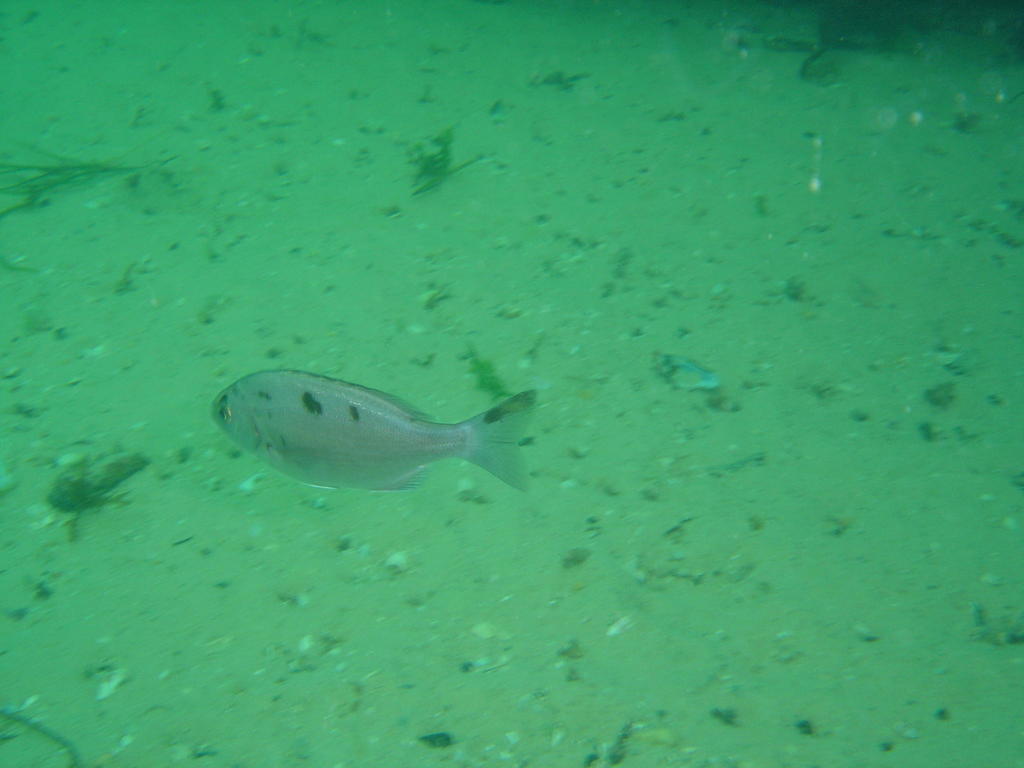
(c) Peter Southwood, some rights reserved (CC BY-SA) · CC BY-SA · iNaturalist
Names and classification
- English
- Blue Hottentot, Copper Bream
Names in 3 more languages
- Spanish
- Hotentote Azul
- French
- Hottentot Bleu
- Simplified Chinese
- 藍切齒鯛
Other scientific names: Cantharus aeneus, Cantharus natalensis, Cantharus simus
Similar species
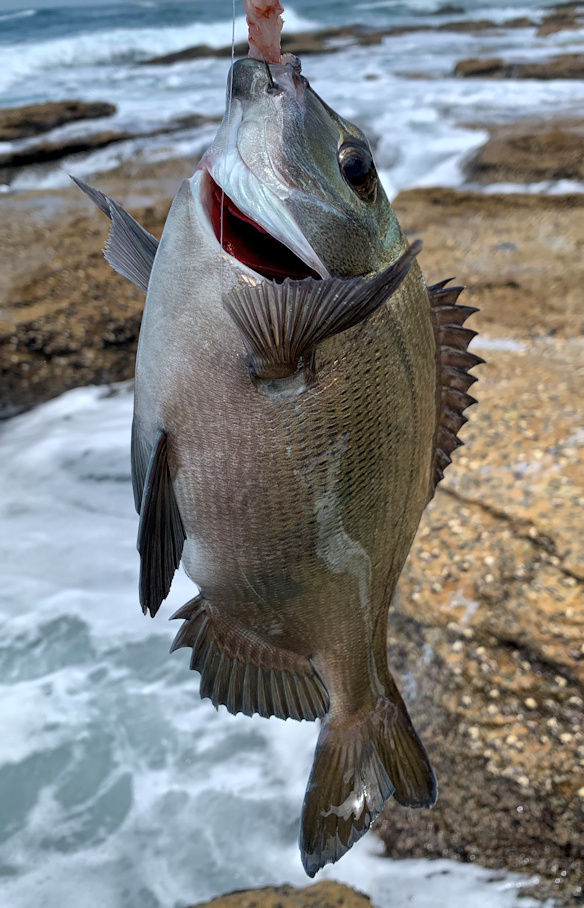 Bronze seabream
Pachymetopon grande
 Australian Seabream
Acanthopagrus australis
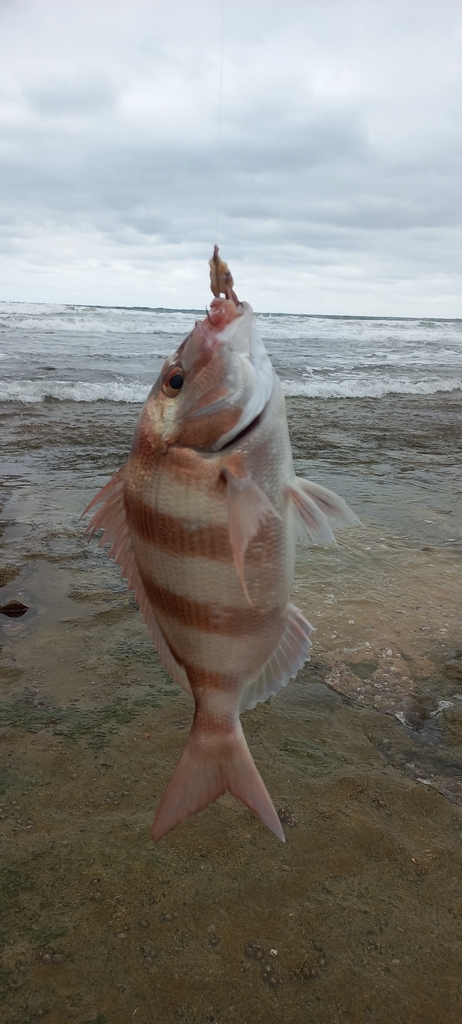 Santer seabream
Cheimerius nufar
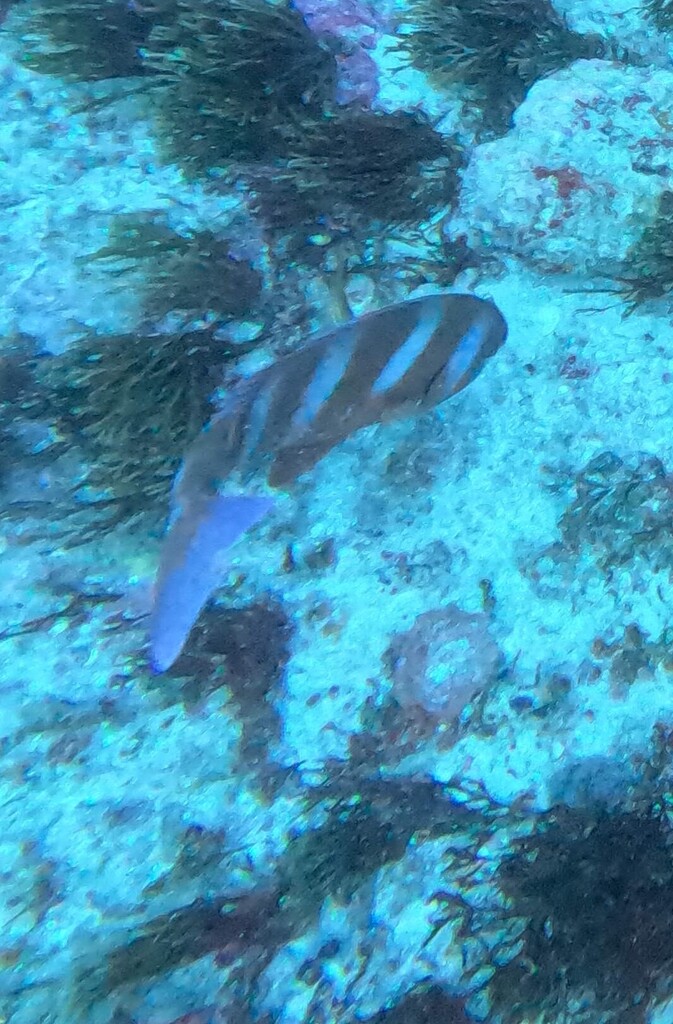 Englishman seabream
Chrysoblephus anglicus
 Dageraad
Chrysoblephus cristiceps
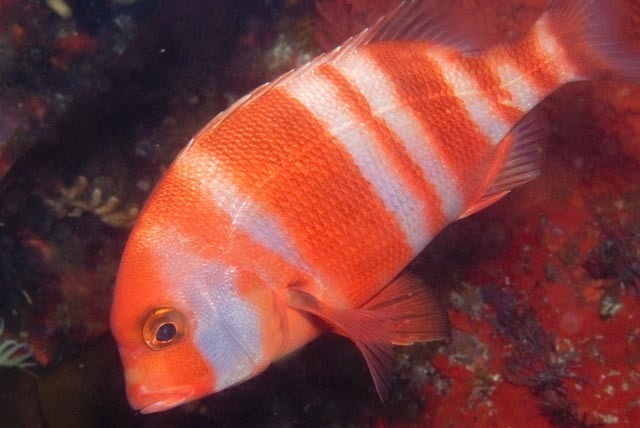 Miss Lucy
Chrysoblephus gibbiceps
Sources and credits
Names and taxonomy: WoRMS (CC BY 4.0) and the GBIF Backbone (CC BY 4.0). Photos: iNaturalist observers, each under the licence shown (CC0, CC BY or CC BY-SA).
- Depth, temperature, months and maps: records from OBIS and GBIF under CC0 or CC BY.
- Descriptions: Wikipedia, licensed CC BY-SA, each linked to its article.
- Conservation status as published by GBIF (IUCN Red List).
- 14,805 open-data records from 1979 to 2015.
- Species data updated November 5, 2026.
Log what you see on your next dive
The free DiveHive diver app keeps your logbook with every sighting and shows what lives at the site you dive next.