
DiscoverSpeciesOther invertebrates
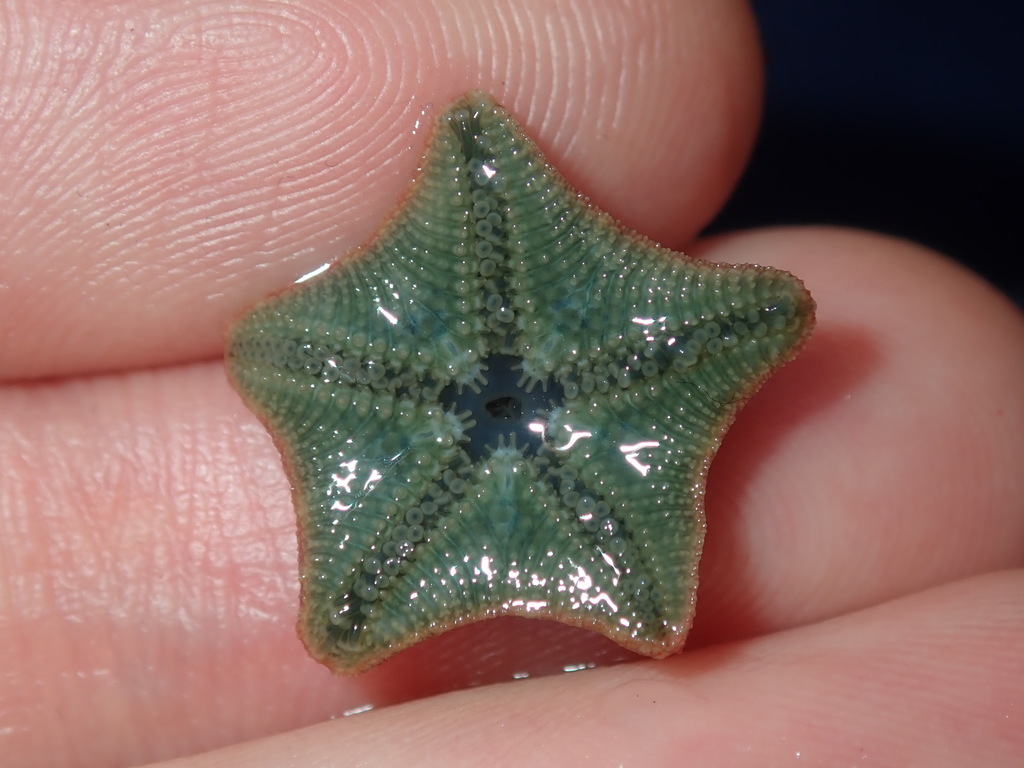
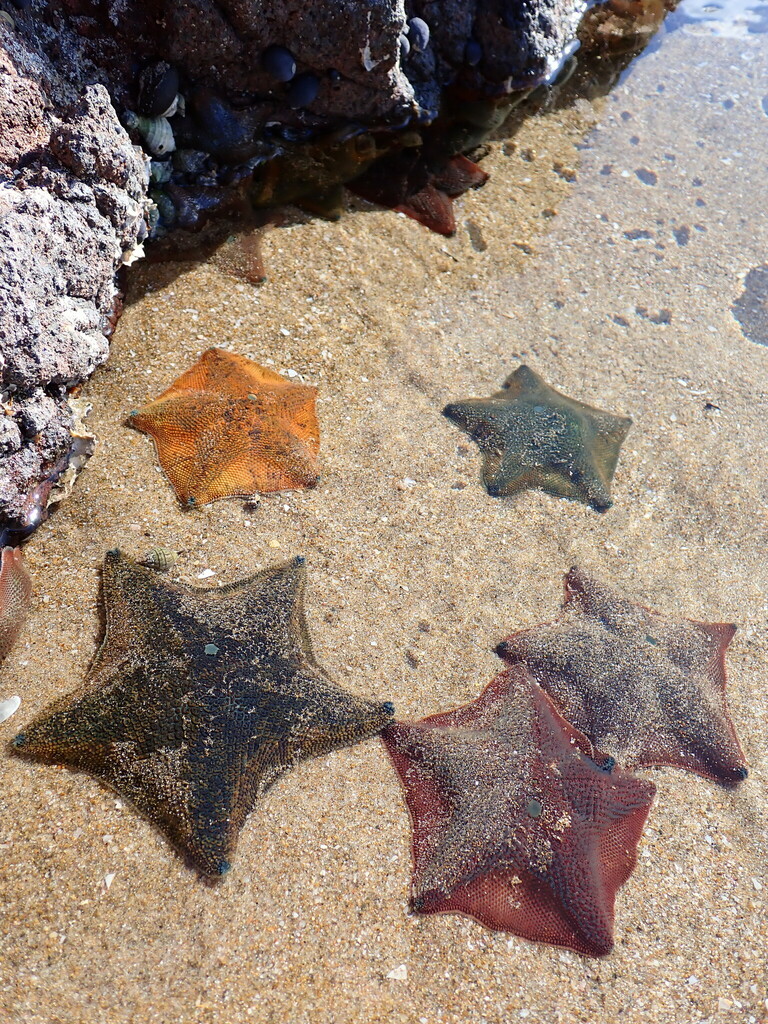
Dwarf Cushion Star
Parvulastra exigua
- Usual depth0–5 m
- Water temperature14–29 °C
- Best monthsJanuary, March, and April
- How commonOccasional
Photo credit: (c) Thomas Mesaglio, some rights reserved (CC BY), uploaded by Thomas Mesaglio · CC BY · iNaturalist
About this species
Parvulastra exigua, or the dwarf cushion star is a species of sea star in the family Asterinidae. It can be found in temperate intertidal marine communities from geographically widespread sites around the southern hemisphere.
Text from the Wikipedia article “Parvulastra exigua”, licensed CC BY-SA 4.0. Read the article
Where and when
Where it has been recorded
Worldwide
Loading the map
Best months
Worldwide (open data)
- January: 441 records
- February: 268 records
- March: 434 records
- April: 587 records
- May: 348 records
- June: 225 records
- July: 211 records
- August: 263 records
- September: 365 records
- October: 362 records
- November: 271 records
- December: 391 records
Depth and water temperature
Depth
Mostly recorded at 0–5 m · Deepest record: 6 m
Water temperature
Recorded in surface water of 14–29 °C
Photos
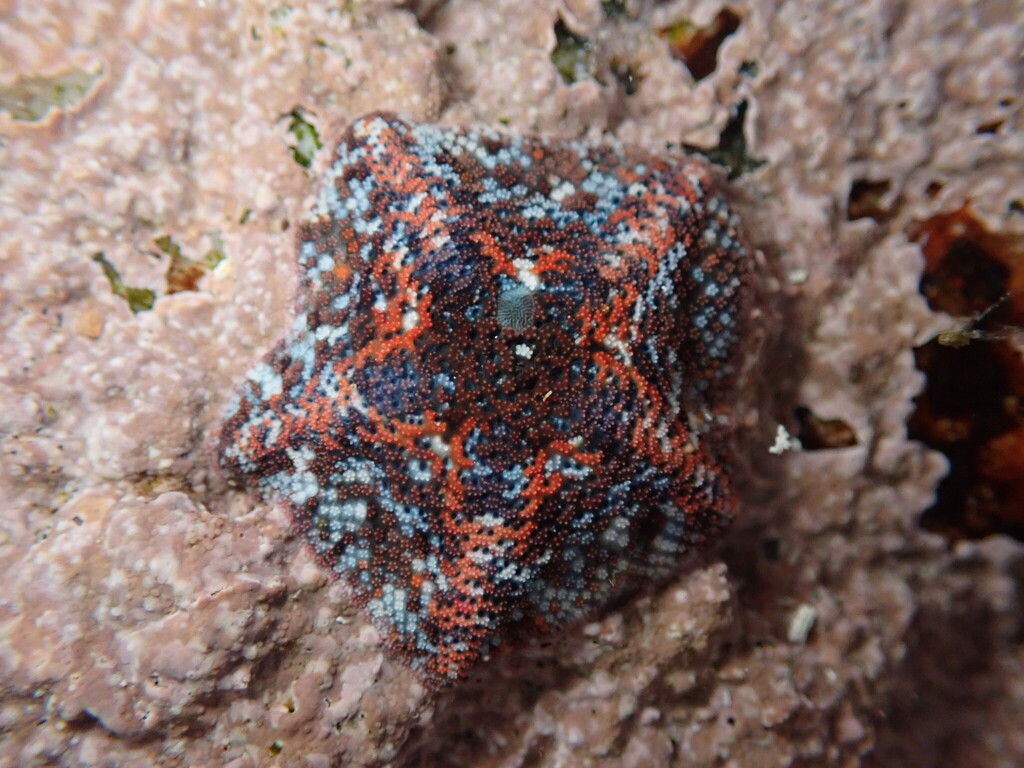
(c) Cricket Raspet, some rights reserved (CC BY) · CC BY · iNaturalist 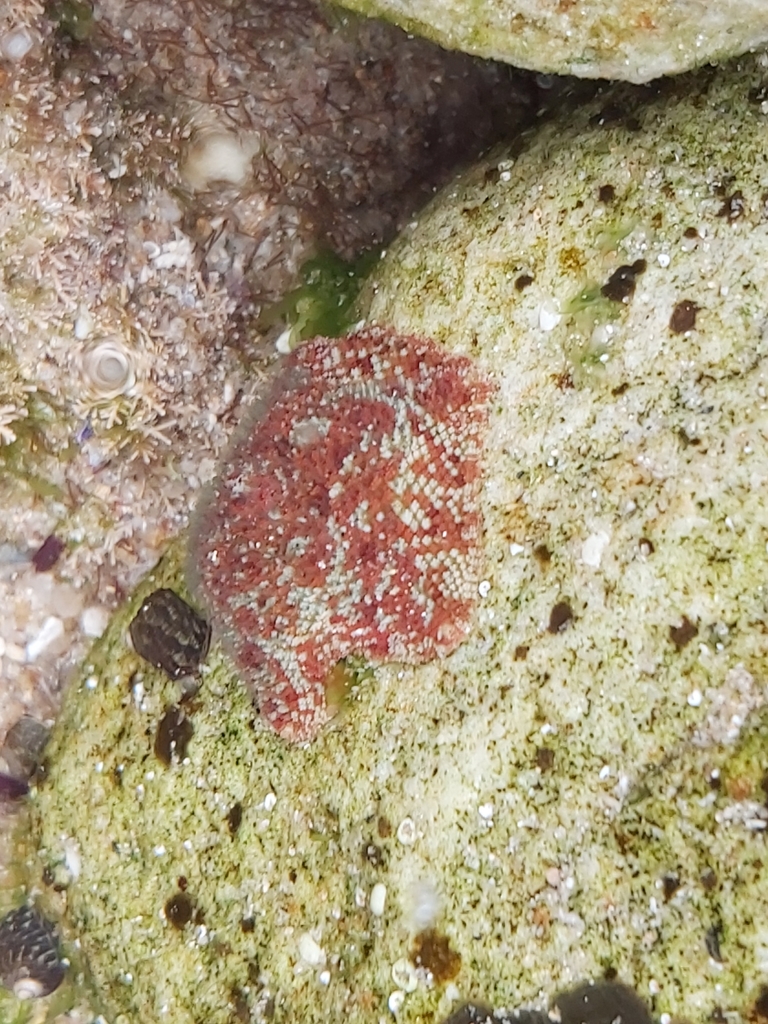
(c) Tim, some rights reserved (CC BY) · CC BY · iNaturalist 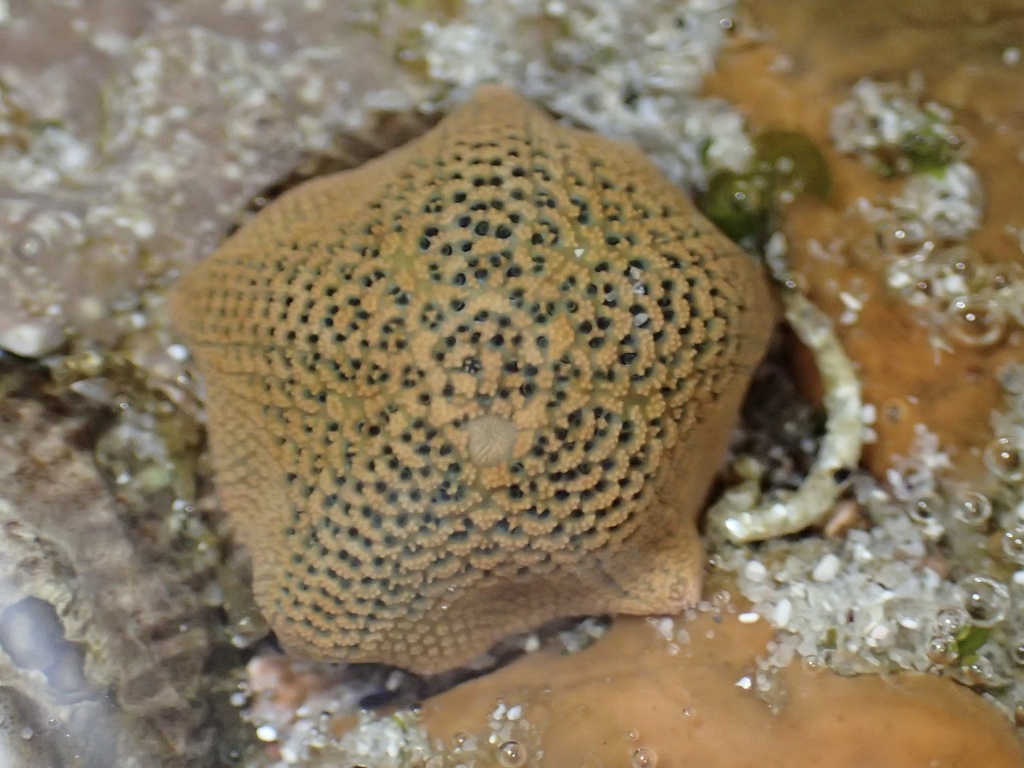
(c) Cricket Raspet, some rights reserved (CC BY) · CC BY · iNaturalist 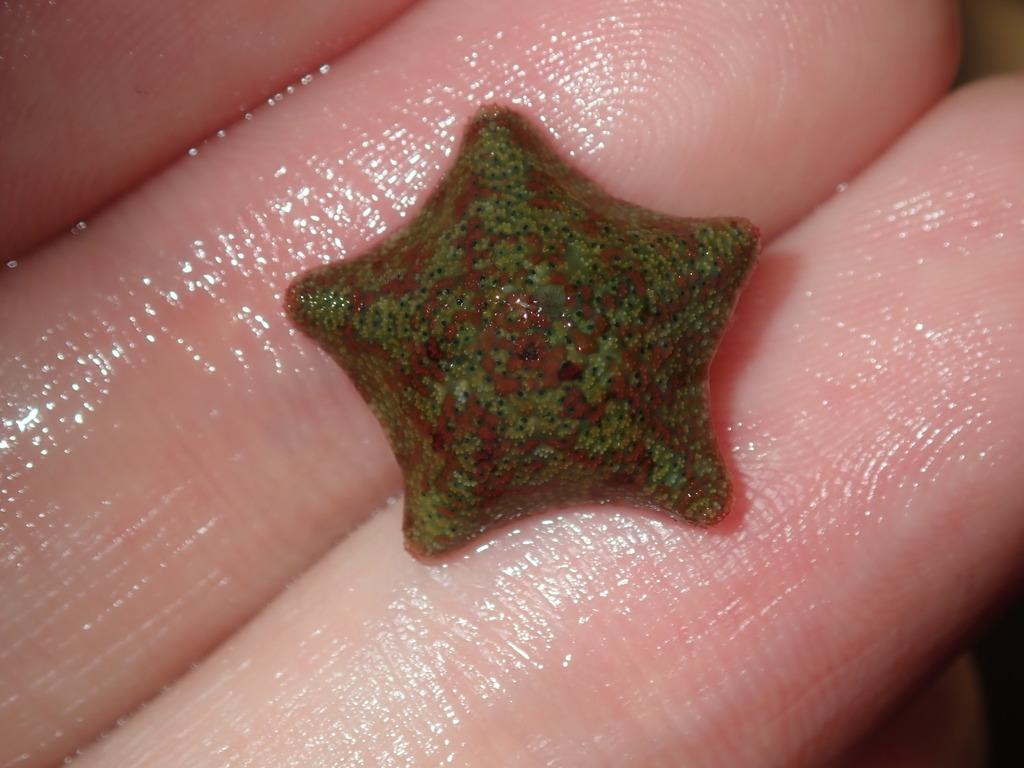
(c) Thomas Mesaglio, some rights reserved (CC BY) · CC BY · iNaturalist 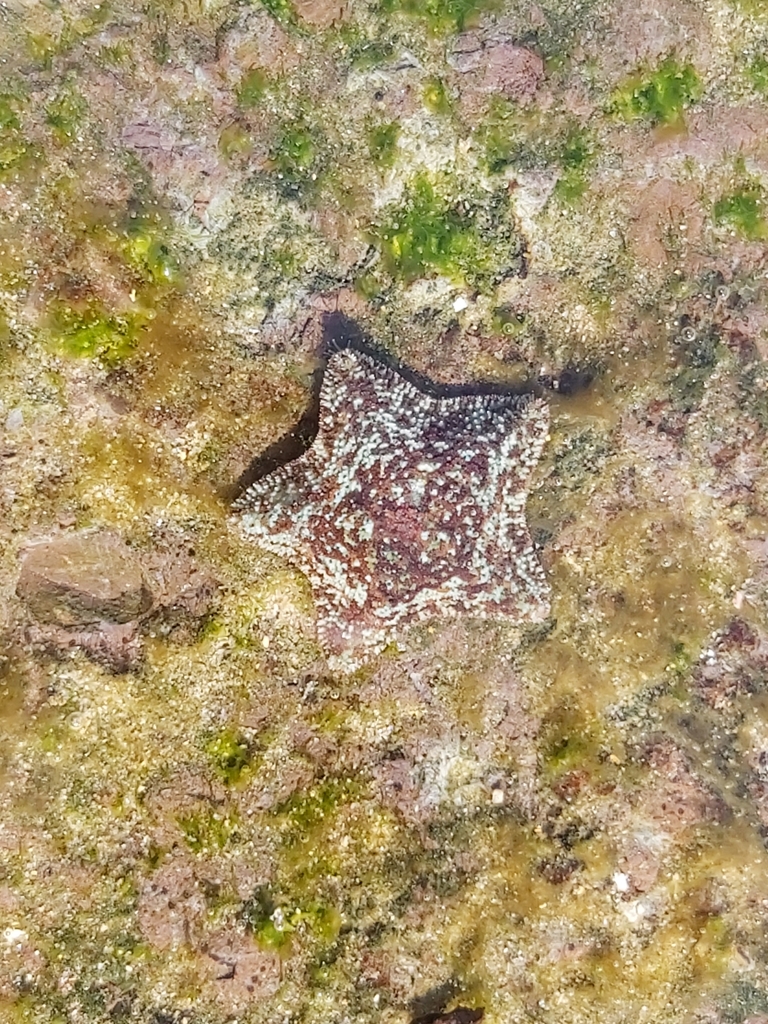
(c) Tim, some rights reserved (CC BY) · CC BY · iNaturalist 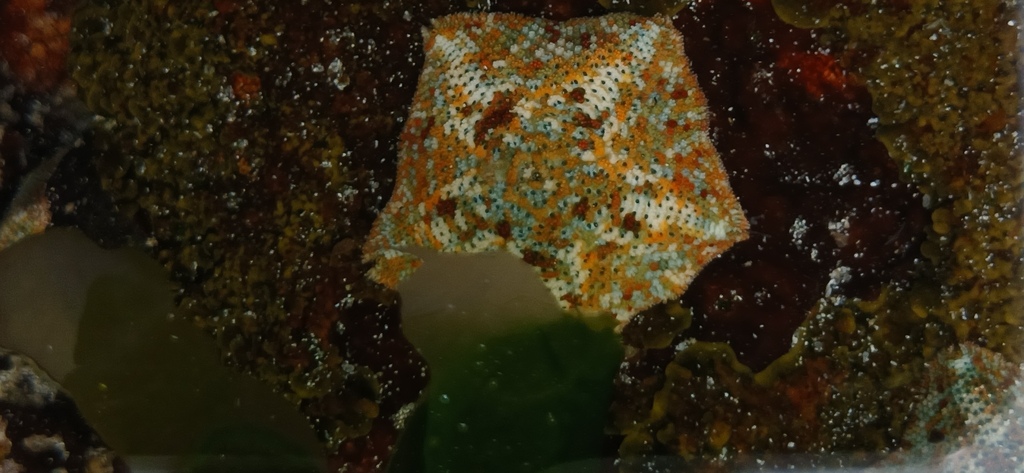
(c) Tony Rebelo, some rights reserved (CC BY-SA) · CC BY-SA · iNaturalist 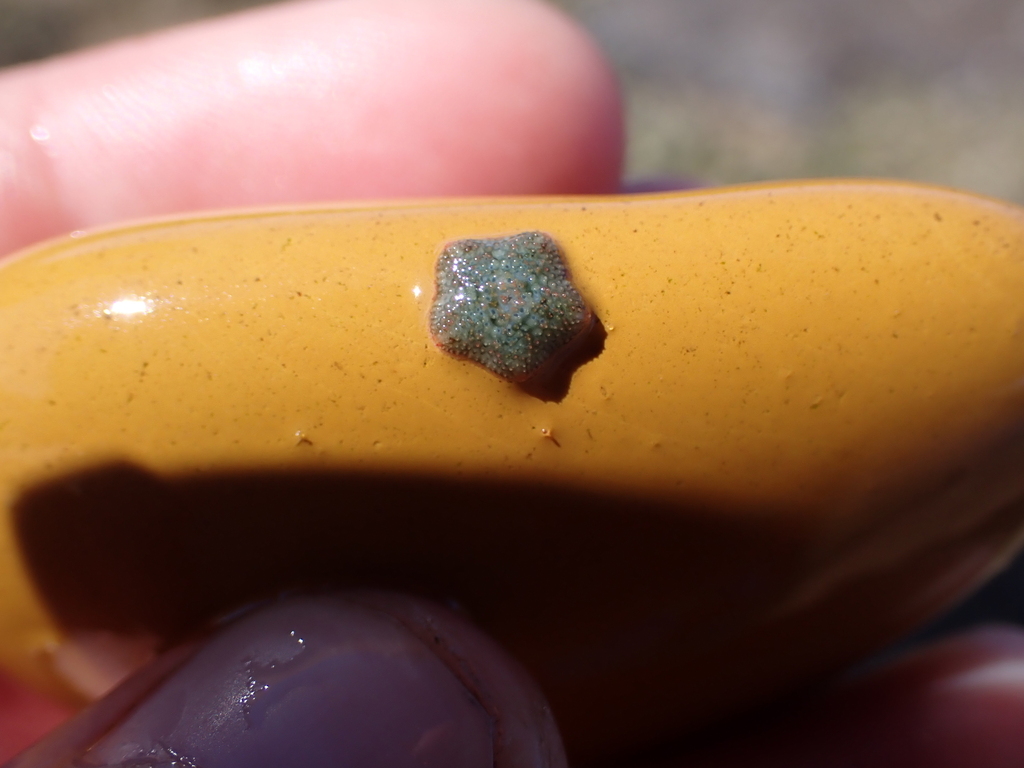
(c) ttsquid, some rights reserved (CC BY) · CC BY · iNaturalist
Names and classification
- English
- Dwarf Cushion Star, Sinesipho
Other scientific names: Asterias exigua, Asterias minuta, Asterina exigua, Asteriscus krausi, Patiriella exigua
Similar species
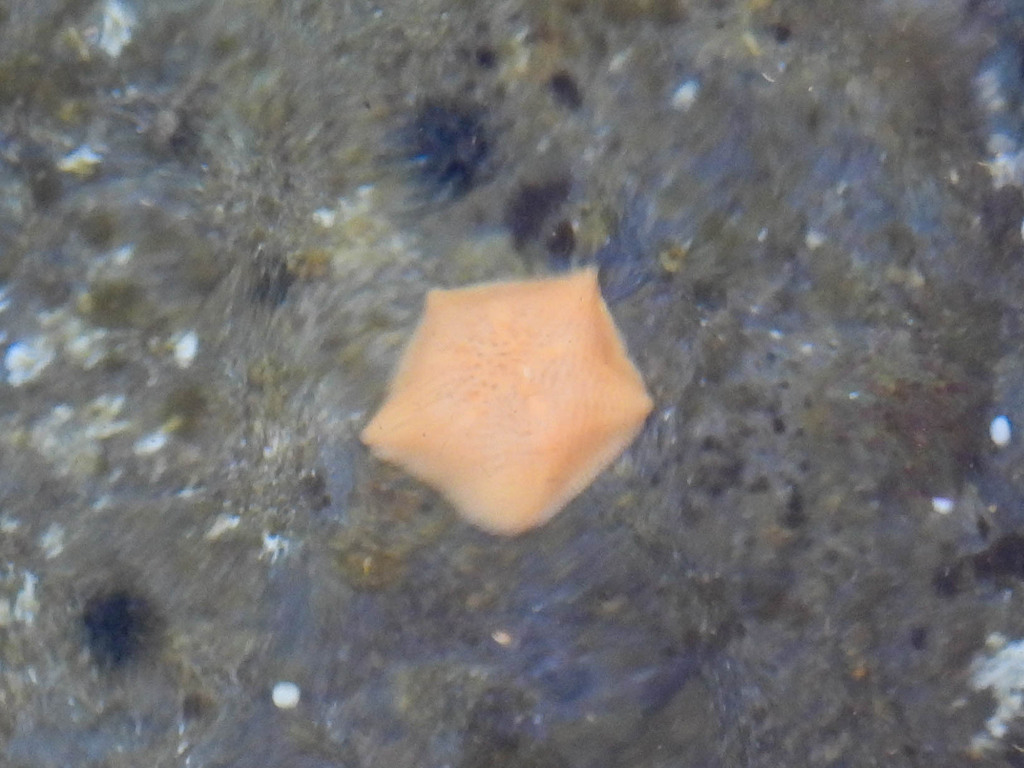 Tasmanian Livebearing Seastar
Parvulastra vivipara
- South Australian Live-bearing Sea Star
Parvulastra parvivipara
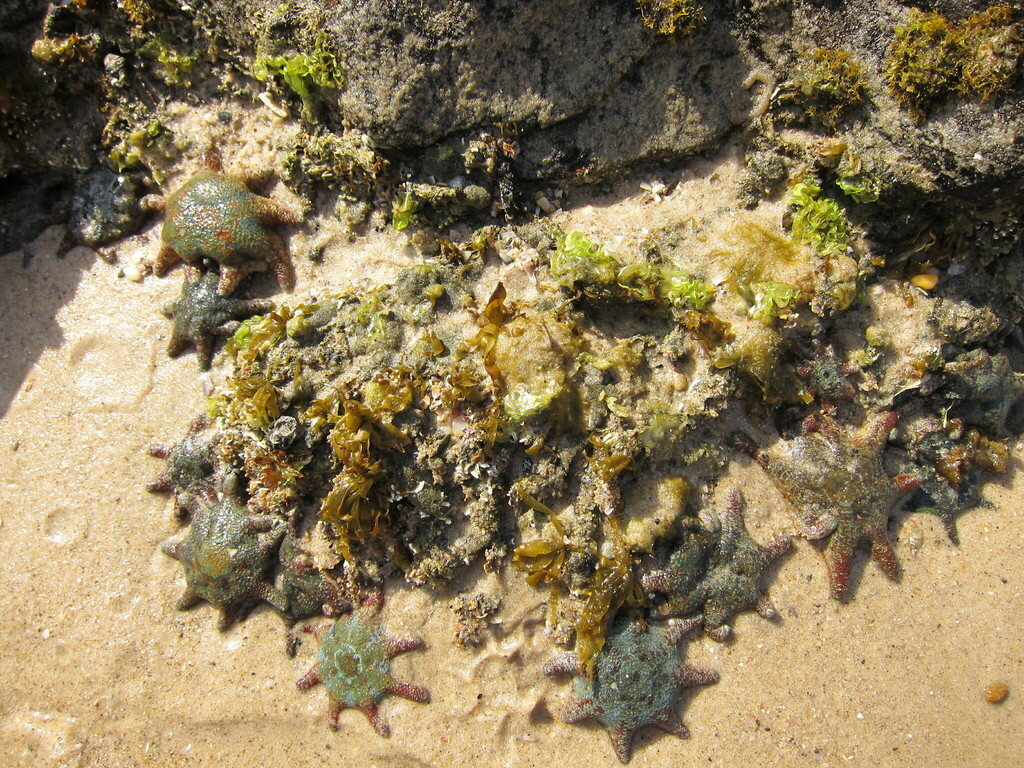 Carpet Sea Star
Meridiastra calcar
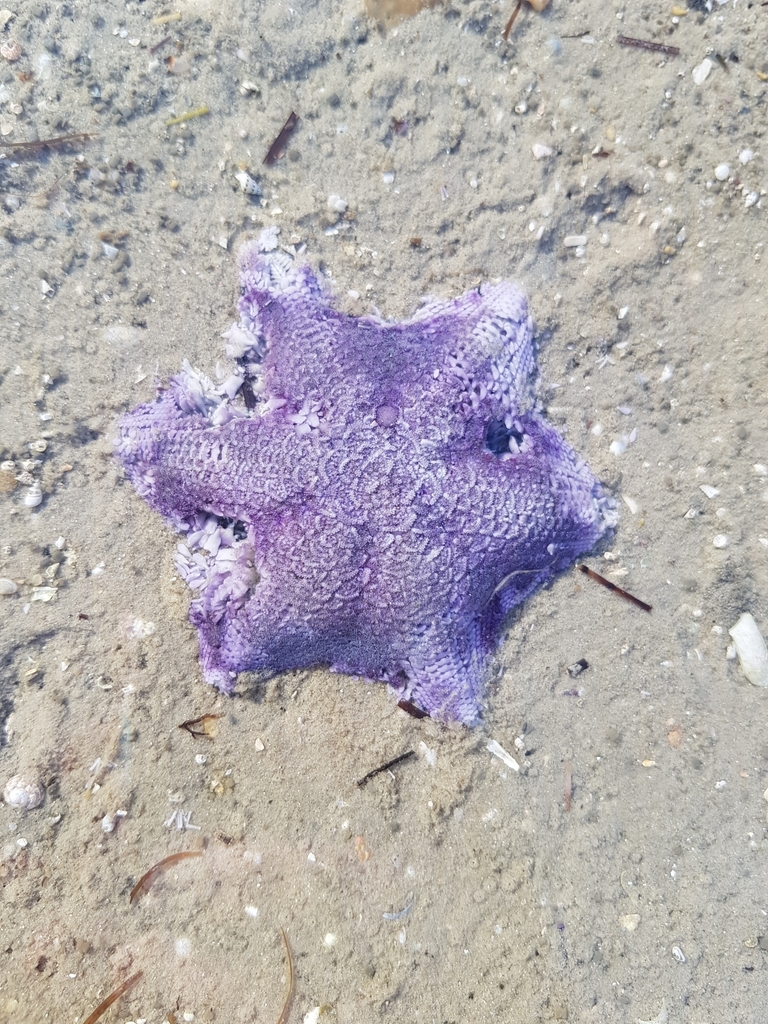 Gunn's six-armed star
Meridiastra gunnii
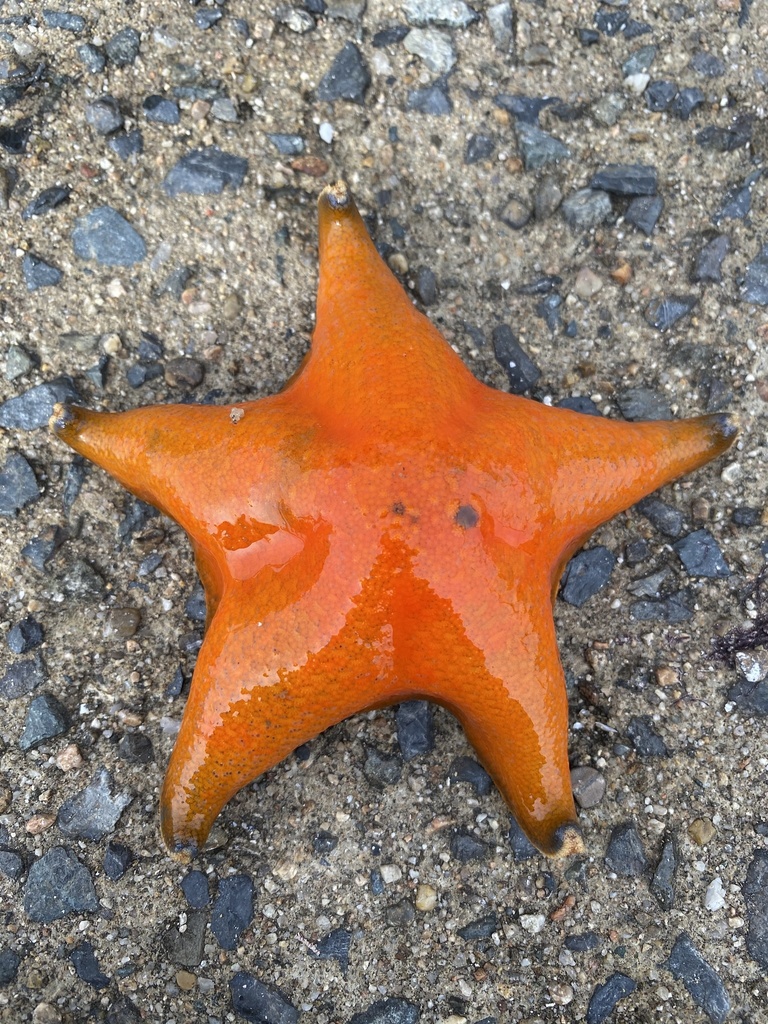 Blue bat star
Patiria pectinifera
 Common cushion star
Patiriella regularis
Sources and credits
Names and taxonomy: WoRMS (CC BY 4.0) and the GBIF Backbone (CC BY 4.0). Photos: iNaturalist observers, each under the licence shown (CC0, CC BY or CC BY-SA).
- Depth, temperature, months and maps: records from OBIS and GBIF under CC0 or CC BY.
- Descriptions: Wikipedia, licensed CC BY-SA, each linked to its article.
- Conservation status as published by GBIF (IUCN Red List).
- 1,476 open-data records from 1816 to 2023.
- Species data updated November 5, 2026.
Log what you see on your next dive
The free DiveHive diver app keeps your logbook with every sighting and shows what lives at the site you dive next.