

Boring clam
Tridacna crocea
- Usual depth6–17 m
- Water temperature24–30 °C
- Best monthsApril, May, and July
- How commonOccasional
Photo credit: (c) Nhobgood, some rights reserved (CC BY-SA) · CC BY-SA · iNaturalist
About this species
Tridacna crocea, the boring clam, crocus clam, crocea clam or saffron-coloured clam, is a species of bivalve in the family Cardiidae. It is native to the Indo-Pacific region. It is occasionally found in the aquarium trade where it is often simply referred to as crocea.
Text from the Wikipedia article “Tridacna crocea”, licensed CC BY-SA 4.0. Read the article
Where and when
Where it has been recorded
Worldwide
Loading the map
Best months
Worldwide (open data)
- January: 180 records
- February: 166 records
- March: 250 records
- April: 411 records
- May: 418 records
- June: 238 records
- July: 506 records
- August: 308 records
- September: 276 records
- October: 265 records
- November: 234 records
- December: 195 records
Depth and water temperature
Depth
Mostly recorded at 6–17 m · Deepest record: 18 m
Water temperature
Recorded in surface water of 24–30 °C
Photos

(c) Mudasir Zainuddin, some rights reserved (CC BY-SA) · CC BY-SA · iNaturalist 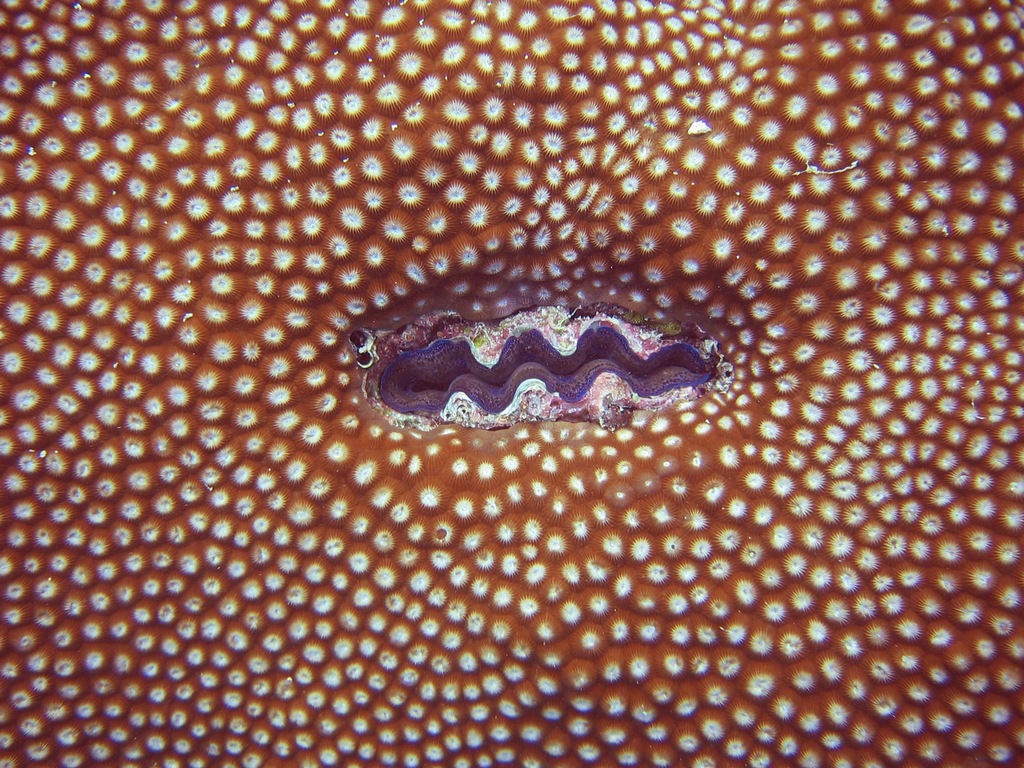
(c) Geoff Shuetrim, some rights reserved (CC BY) · CC BY · iNaturalist 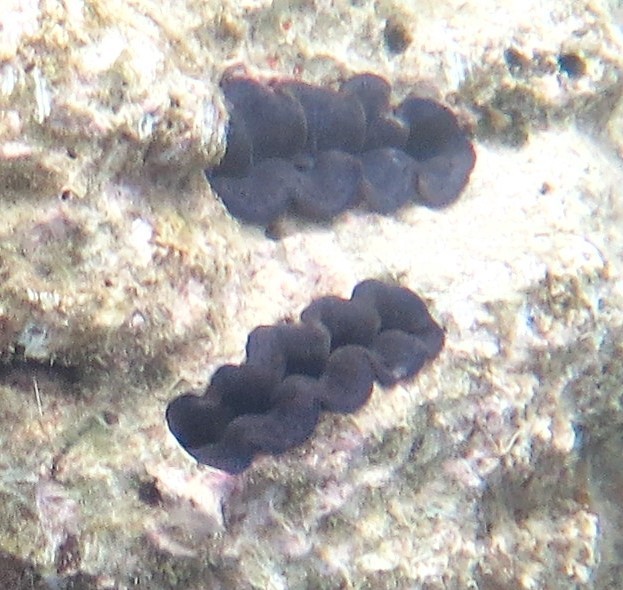
(c) Tia Offner, some rights reserved (CC BY) · CC BY · iNaturalist 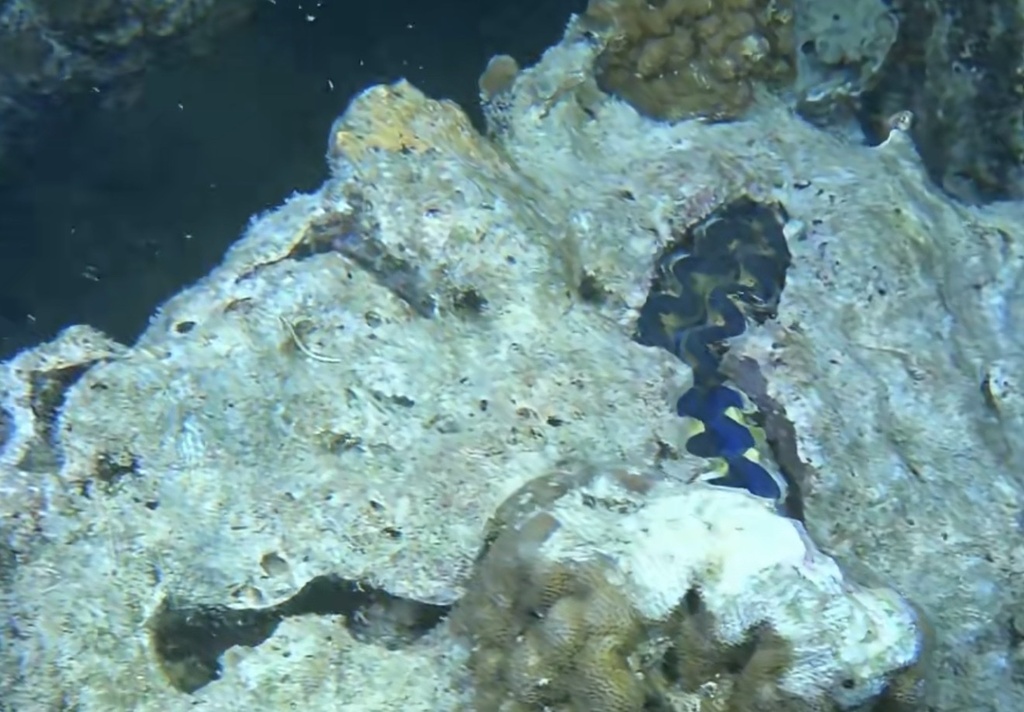
(c) TonyT, some rights reserved (CC BY) · CC BY · iNaturalist 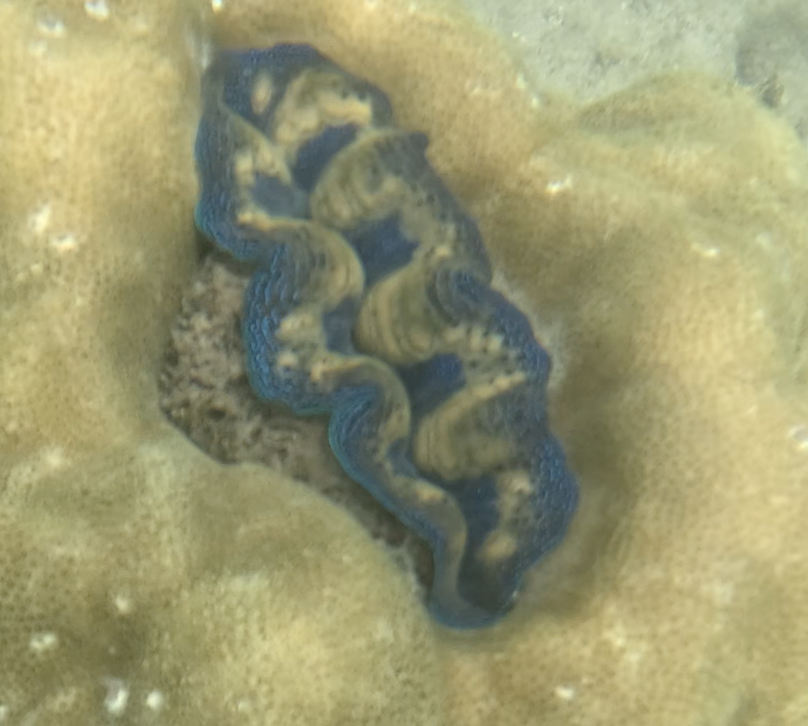
(c) Sockrosma, some rights reserved (CC BY) · CC BY · iNaturalist 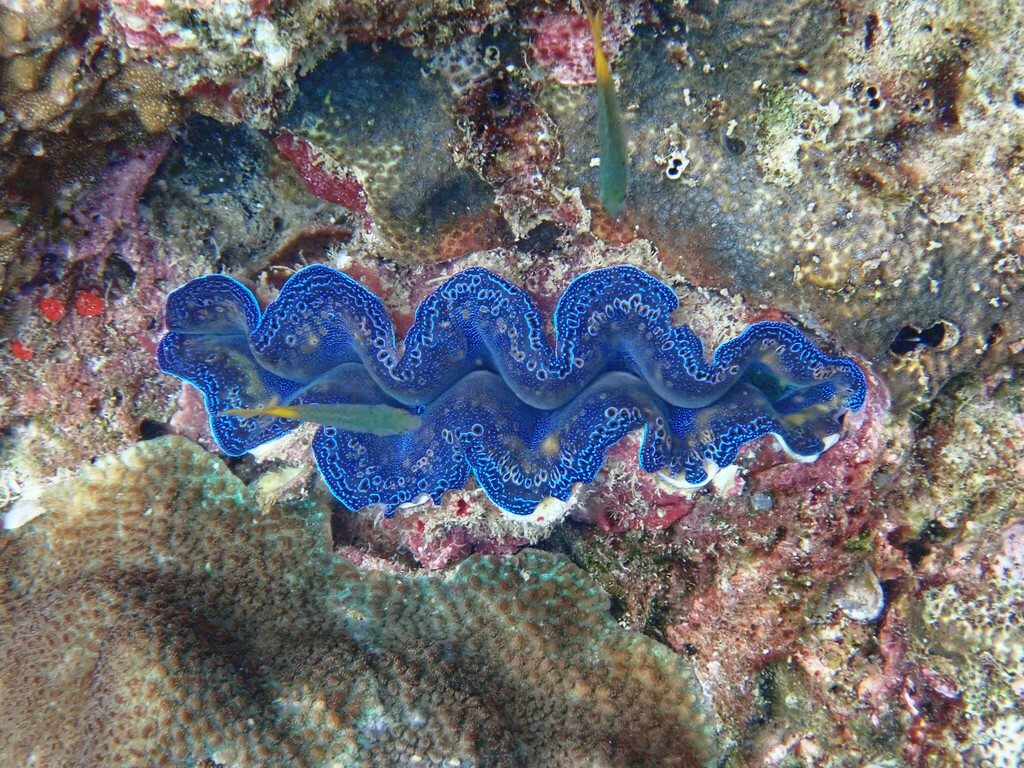
(c) Donald Davesne, some rights reserved (CC BY) · CC BY · iNaturalist 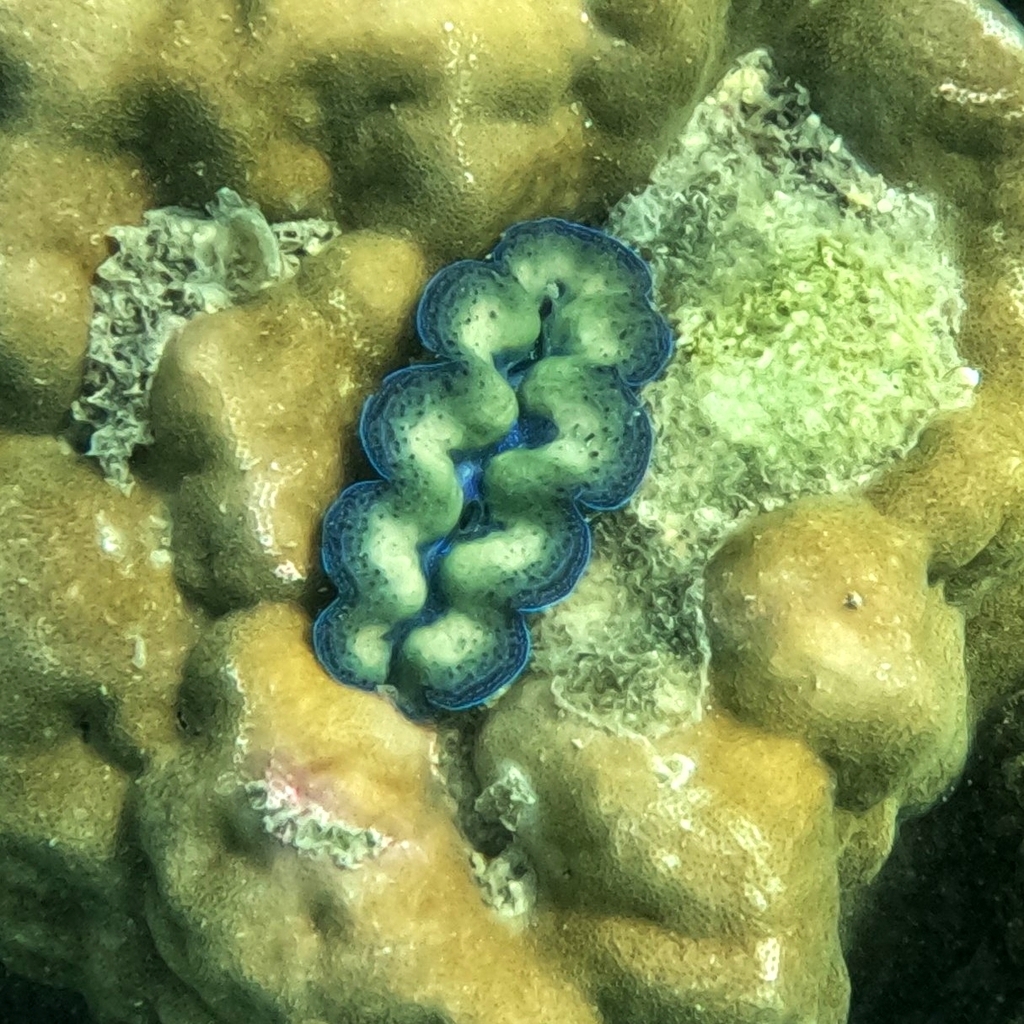
no rights reserved · CC0 1.0 · iNaturalist
Names and classification
- English
- Boring clam, Crocus clam, Crocus giant clam, Saffron-coloured clam, boring clam, crocus clam, crocus giant clam, saffron-coloured clam
Names in 2 more languages
- German
- Bohrende Riesenmuschel, Eingewachsene Riesenmuschel, Krokus-Riesenmuschel
- Japanese
- ヒメシャコガイ
Other scientific names: Tridacna (Chametrachea) crocea, Tridacna cumingii, Tridacna ferruginea
Similar species
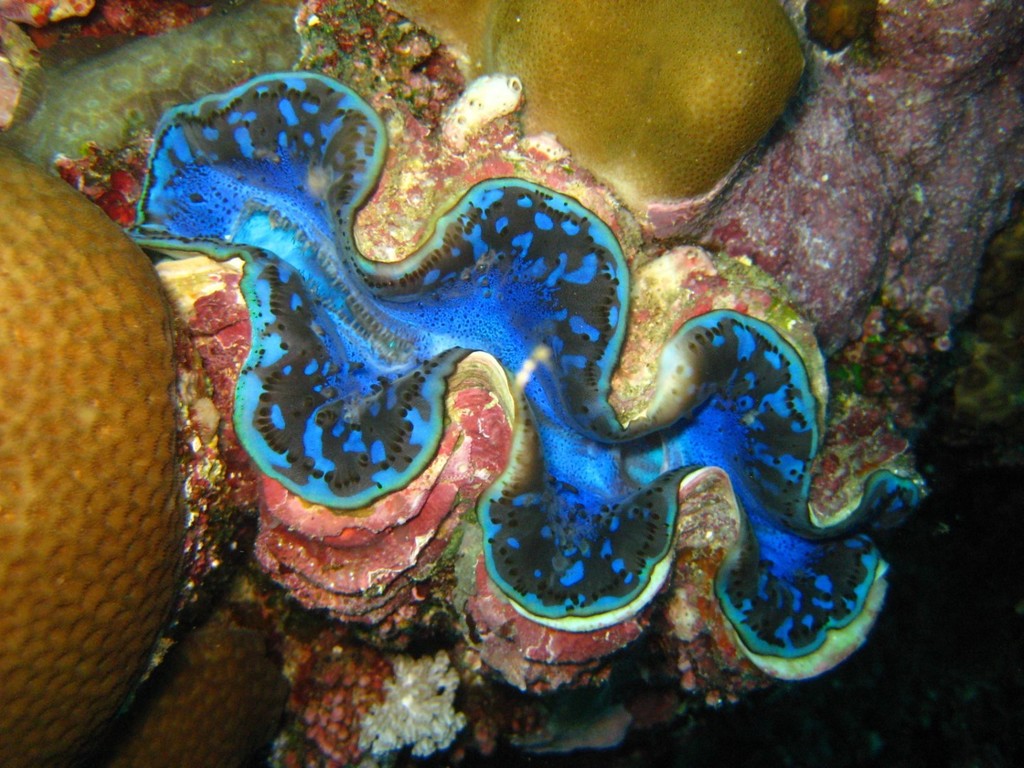 Elongate clam
Tridacna maxima
 Giant clam
Tridacna gigas
 Fluted clam
Tridacna squamosa
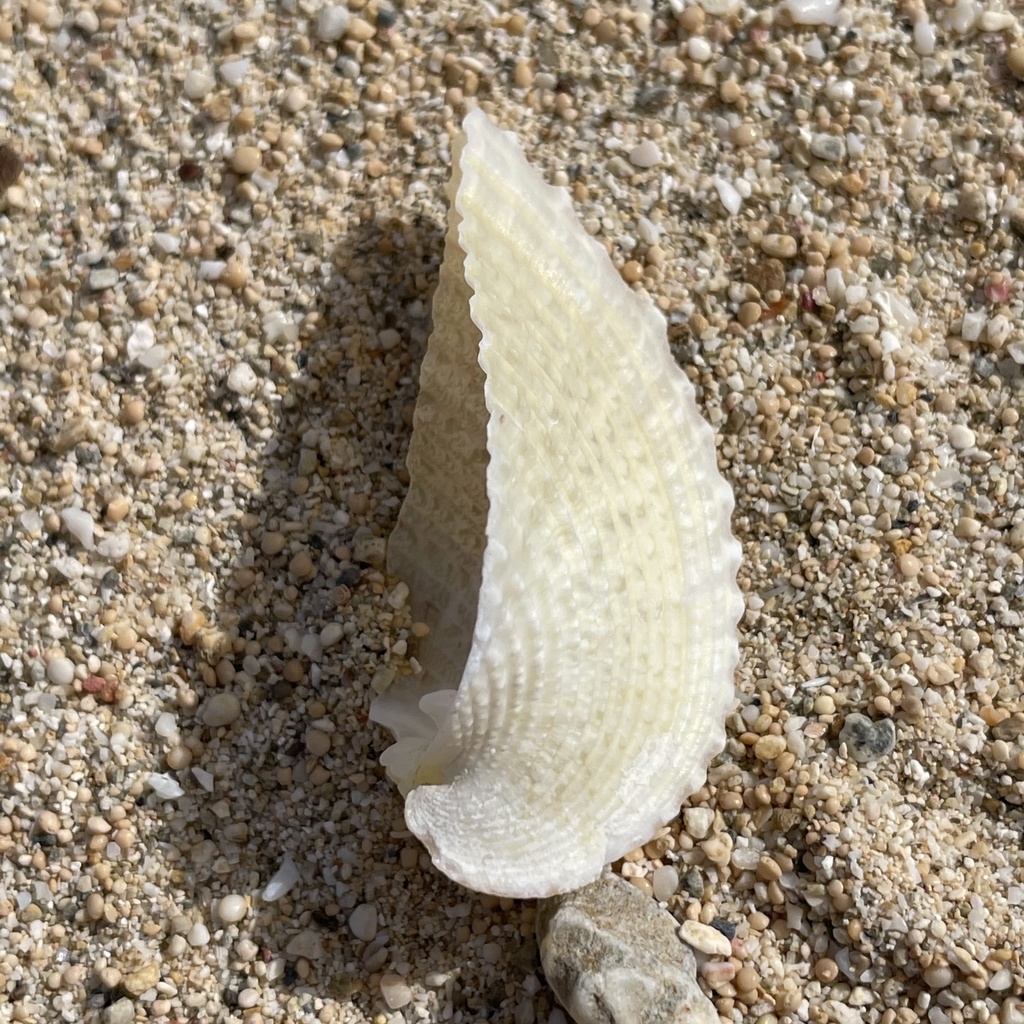 Heart cockle
Corculum cardissa
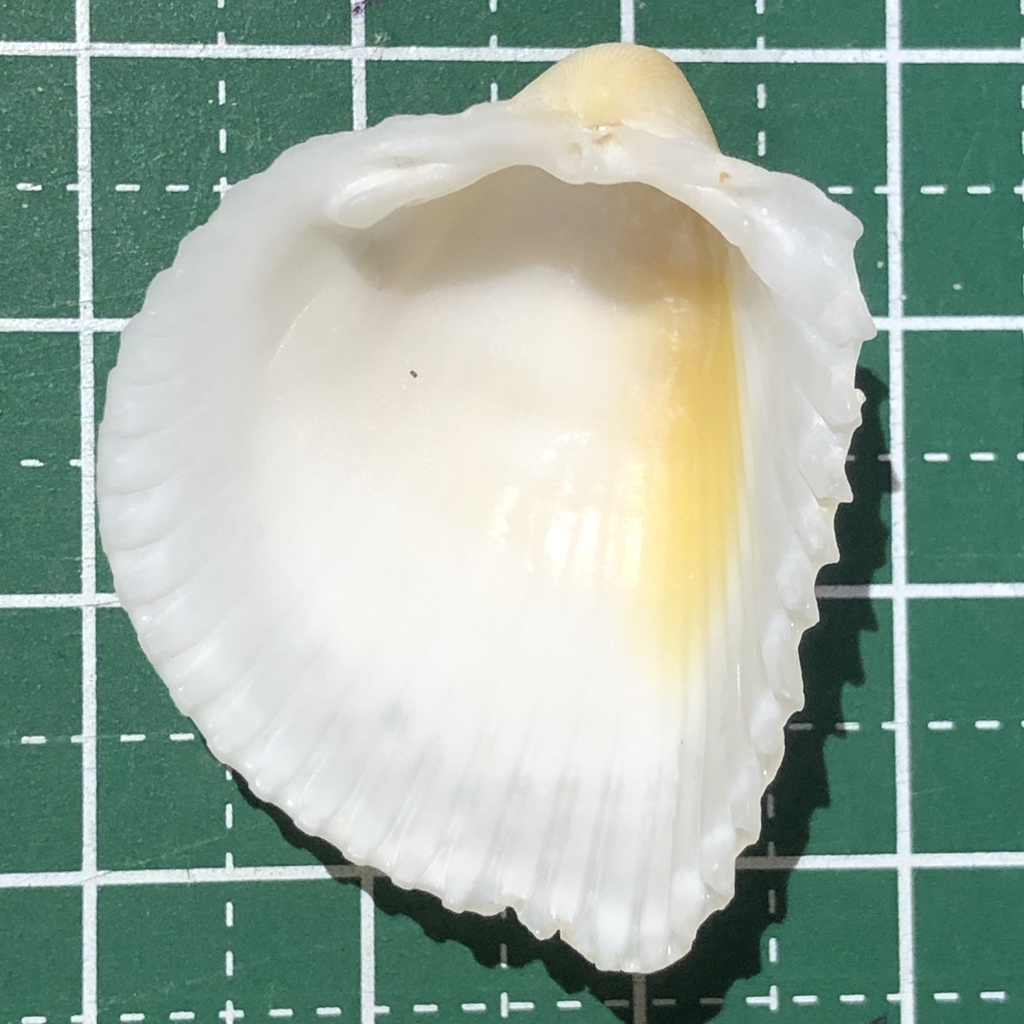 Pacific strawberry cockle
Fragum fragum
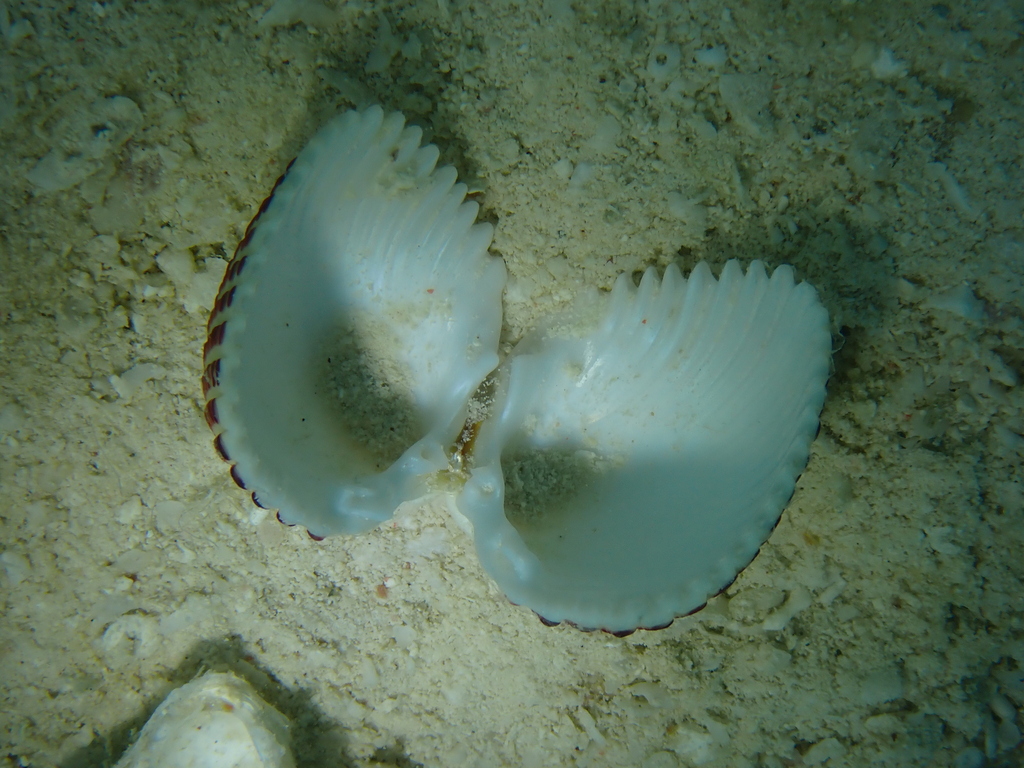 Strawberry cockle
Fragum unedo
Sources and credits
Names and taxonomy: WoRMS (CC BY 4.0) and the GBIF Backbone (CC BY 4.0). Photos: iNaturalist observers, each under the licence shown (CC0, CC BY or CC BY-SA).
- Depth, temperature, months and maps: records from OBIS and GBIF under CC0 or CC BY.
- Descriptions: Wikipedia, licensed CC BY-SA, each linked to its article.
- Conservation status as published by GBIF (IUCN Red List).
- 2,750 open-data records from 1819 to 2023.
- Species data updated October 31, 2026.
Log what you see on your next dive
The free DiveHive diver app keeps your logbook with every sighting and shows what lives at the site you dive next.