
Hardenberg's Burrfish
Cyclichthys hardenbergi
- Usual depth4–51 m
- Water temperature26–29 °C
- Best monthsJuly and November
- How commonRare
About this species
Cyclichthys hardenbergi, commonly known as Hardenburg's burrfish, is a species of porcupinefish in the family Diodontidae. It is native to the tropical western Pacific Ocean, where it is known from southern New Guinea and northern Australia east of Cape York. The species is typically seen at depths of less than 100 m (328 ft) over soft substrates. It is believed to be a solitary species that feeds on hard-shelled invertebrates. The species reaches 25 cm in standard length. Although sometimes caught by trawling, it is not a target for commercial fisheries.
Text from the Wikipedia article “Cyclichthys hardenbergi”, licensed CC BY-SA 4.0. Read the article
Where and when
Where it has been recorded
Worldwide
Loading the map
Best months
Worldwide (open data)
- January: 0 records
- February: 1 records
- March: 1 records
- April: 0 records
- May: 3 records
- June: 3 records
- July: 7 records
- August: 3 records
- September: 1 records
- October: 4 records
- November: 8 records
- December: 1 records
Depth and water temperature
Depth
Mostly recorded at 4–51 m · Deepest record: 52 m
Water temperature
Recorded in surface water of 26–29 °C
Names and classification
- English
- Hardenberg's Burrfish, Plain Porcupine-fish, Plain Porcupinefish
Other scientific names: Chilomycterus hardenbergi
Similar species
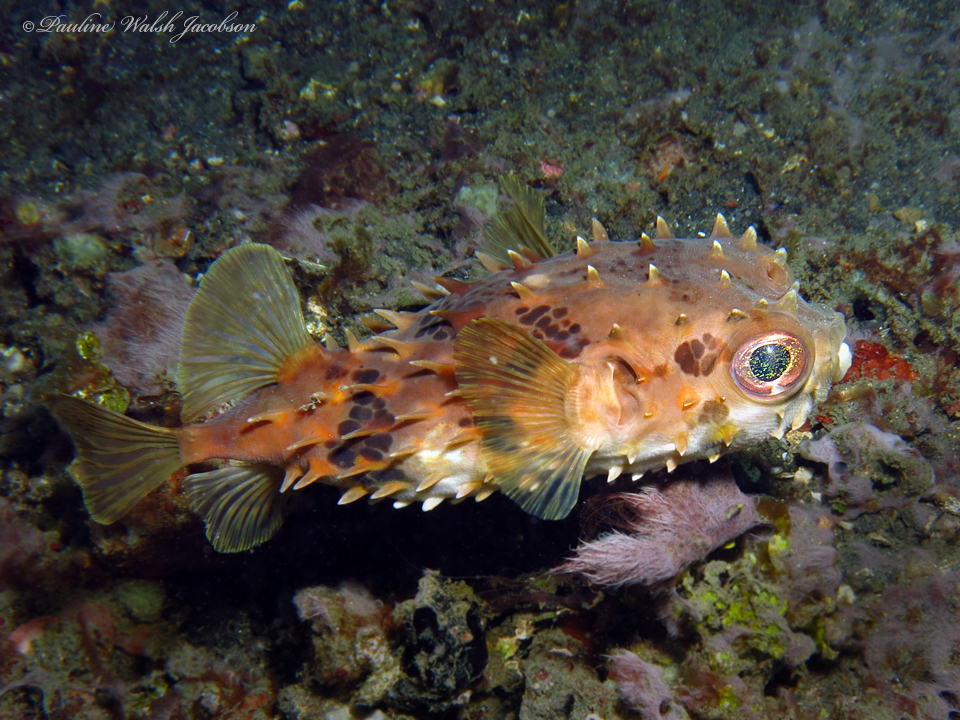 Birdbeak burrfish
Cyclichthys orbicularis
 Ballonfish
Cyclichthys spilostylus
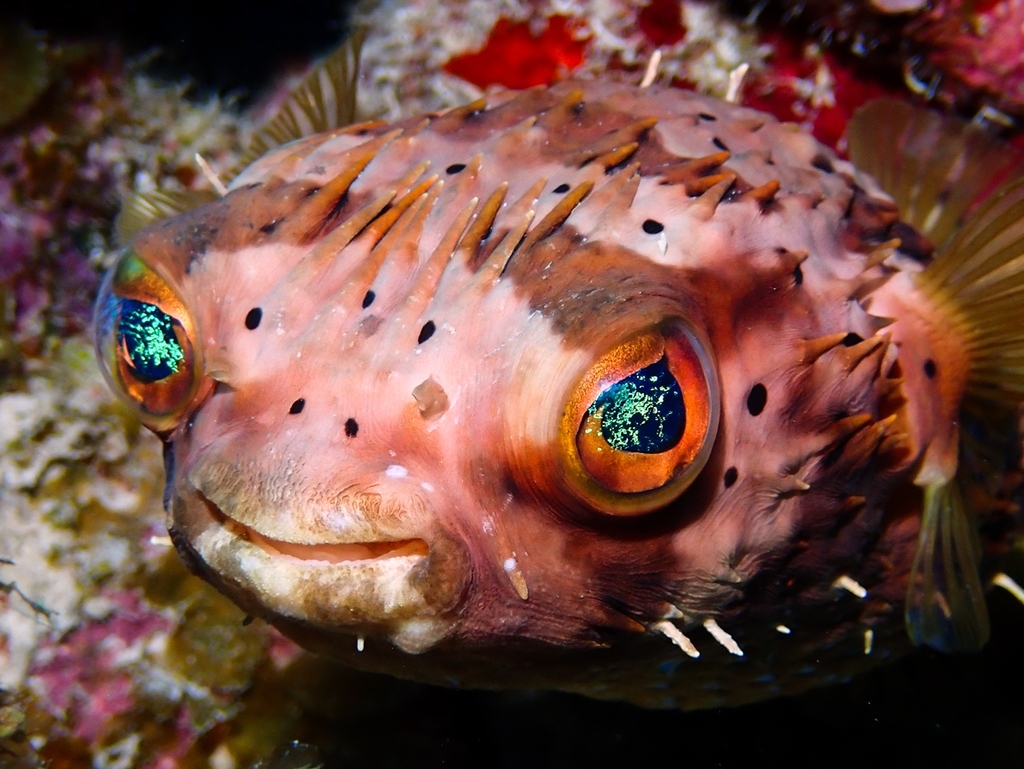 Balloonfish
Diodon holocanthus
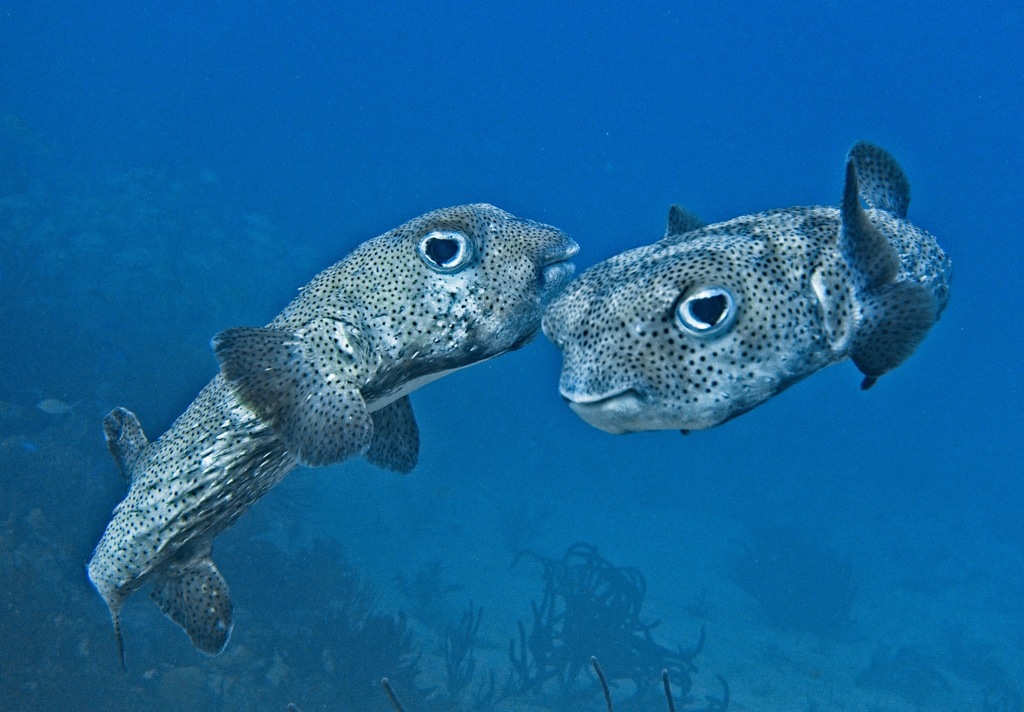 Porcupinefish
Diodon hystrix
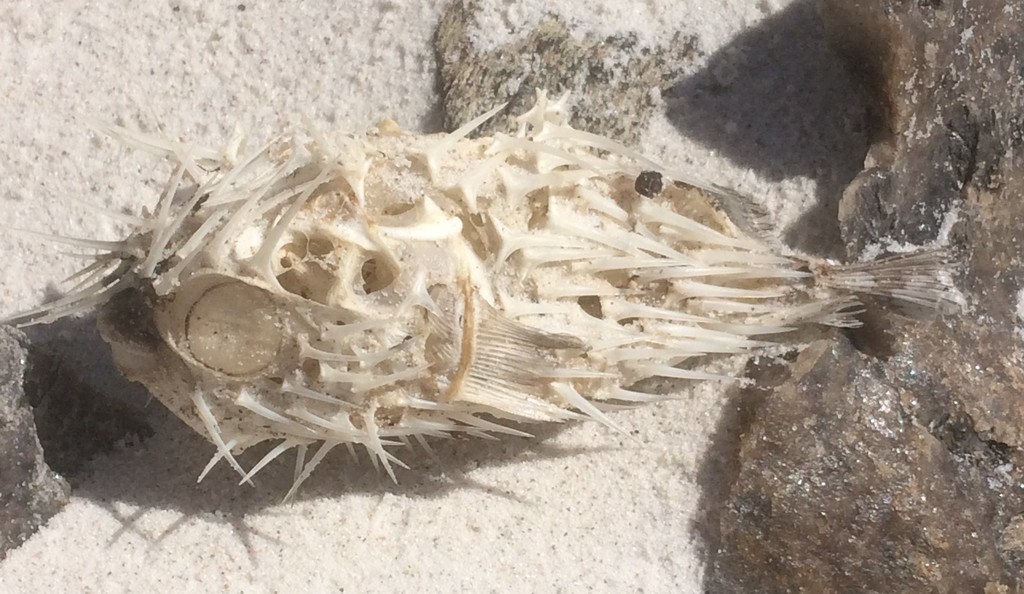 Globefish
Diodon nicthemerus
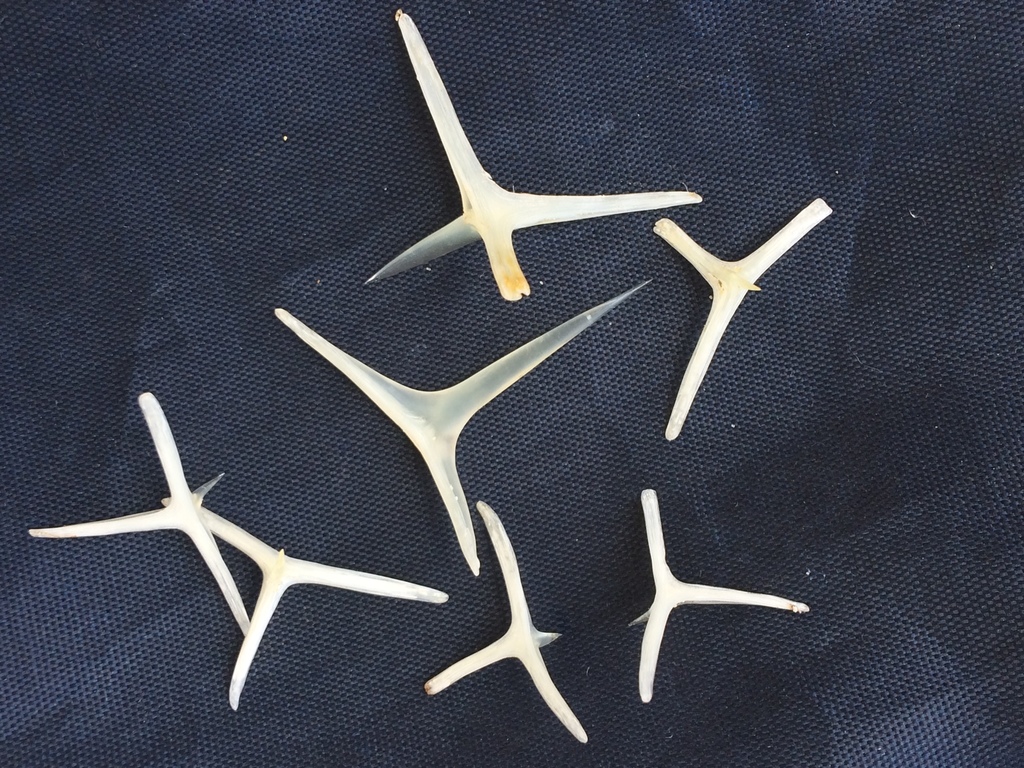 Australian Burrfish
Allomycterus pilatus
Sources and credits
Names and taxonomy: WoRMS (CC BY 4.0) and the GBIF Backbone (CC BY 4.0). Photos: iNaturalist observers, each under the licence shown (CC0, CC BY or CC BY-SA).
- Depth, temperature, months and maps: records from OBIS and GBIF under CC0 or CC BY.
- Descriptions: Wikipedia, licensed CC BY-SA, each linked to its article.
- Conservation status as published by GBIF (IUCN Red List).
- 48 open-data records from 1963 to 2015.
- Species data updated November 1, 2026.
Log what you see on your next dive
The free DiveHive diver app keeps your logbook with every sighting and shows what lives at the site you dive next.