
Pelagic porcupinefish
Diodon eydouxii
- Usual depth14–310 m
- Water temperature18–29 °C
- Best monthsMay, August, and September
- How commonRare
About this species
Diodon eydouxii, commonly known as the pelagic porcupinefish, is a species of porcupinefish with a circumtropical marine distribution.
Text from the Wikipedia article “Diodon eydouxii”, licensed CC BY-SA 4.0. Read the article
Where and when
Where it has been recorded
Worldwide
Loading the map
Best months
Worldwide (open data)
- January: 2 records
- February: 2 records
- March: 1 records
- April: 1 records
- May: 6 records
- June: 3 records
- July: 4 records
- August: 5 records
- September: 7 records
- October: 2 records
- November: 2 records
- December: 1 records
Depth and water temperature
Depth
Mostly recorded at 14–310 m · Deepest record: 310 m
Water temperature
Recorded in surface water of 18–29 °C
Names and classification
- English
- Pelagic porcupinefish, pelagic porcupinefish, Pelagic Porcupinefish
Names in 5 more languages
- Spanish
- pez erizo pelágico
- French
- Poisson porc-épic océanique
- Japanese
- Yaseharisembon, Yase-harisenbon, ヤセハリセンボン
- Thai
- ปลาปักเป้าหนามทุเรียนครีบจุด
- Simplified Chinese
- 刺規, 愛氏二齒魨, 氣瓜仔, 艾氏刺魨
Other scientific names: Diodon bertolettii, Diodon melanopsis
Similar species
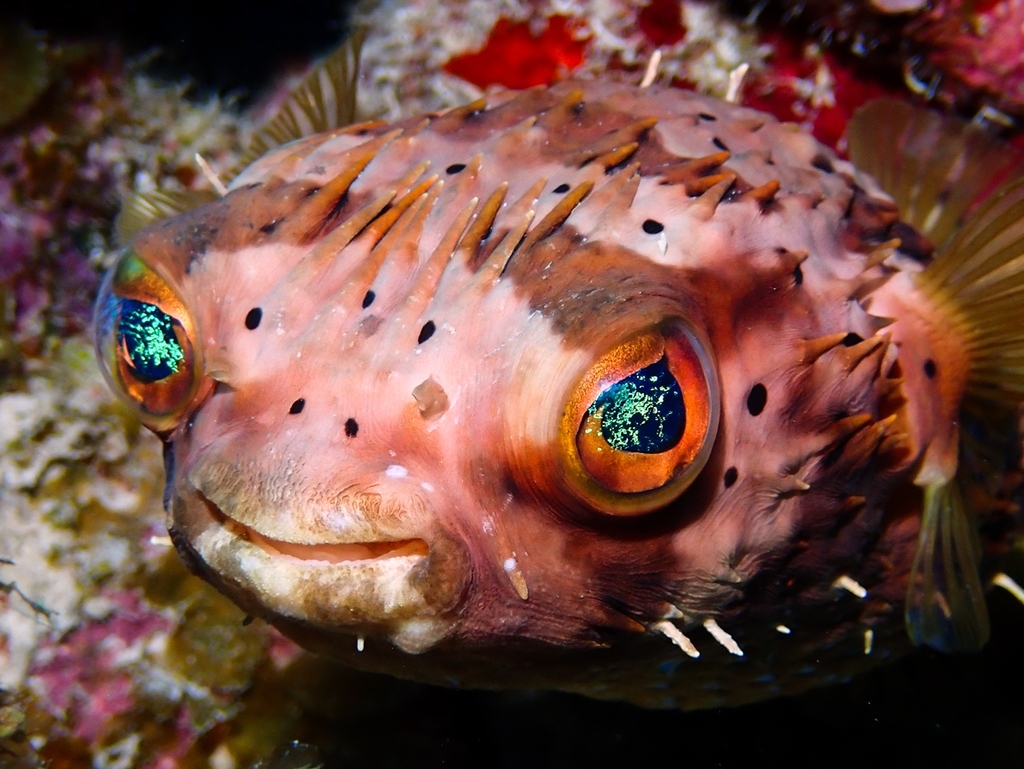 Balloonfish
Diodon holocanthus
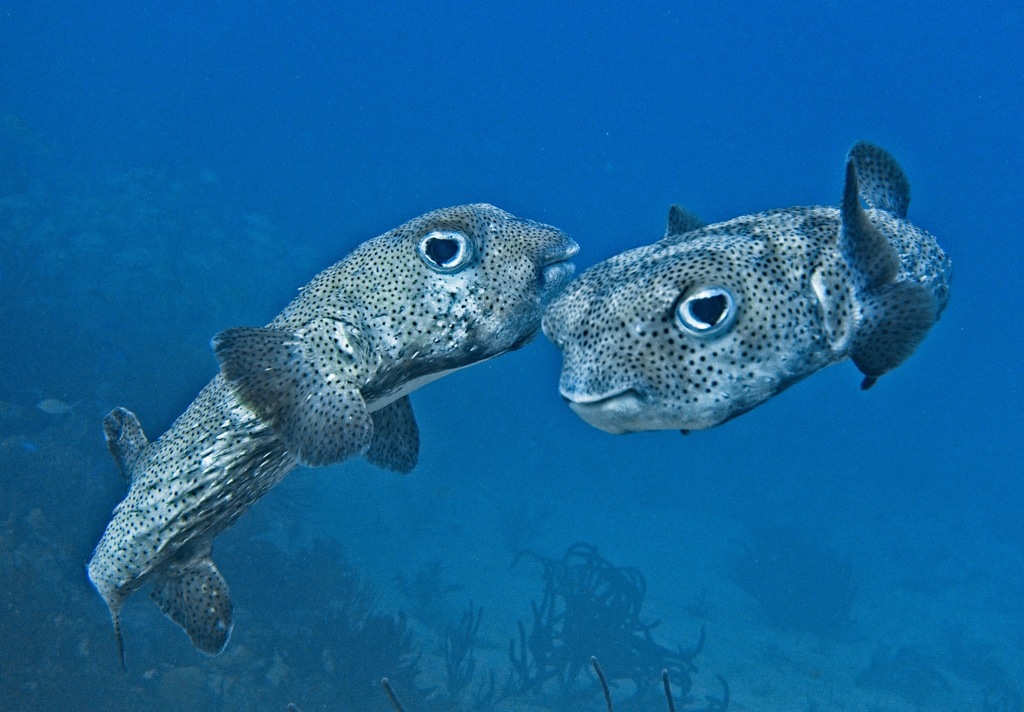 Porcupinefish
Diodon hystrix
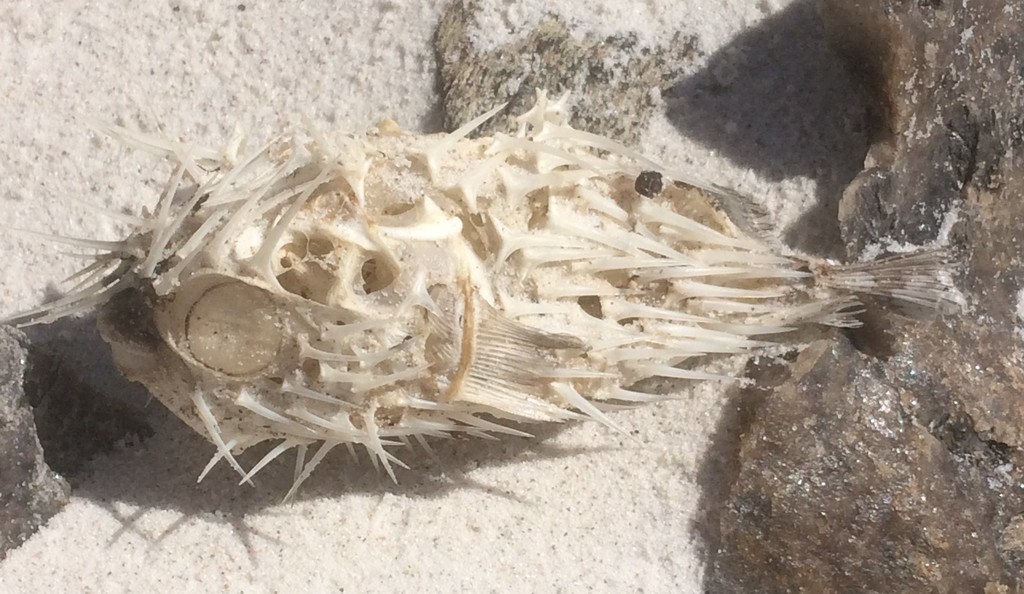 Globefish
Diodon nicthemerus
 Black-blotched porcupinefish
Diodon liturosus
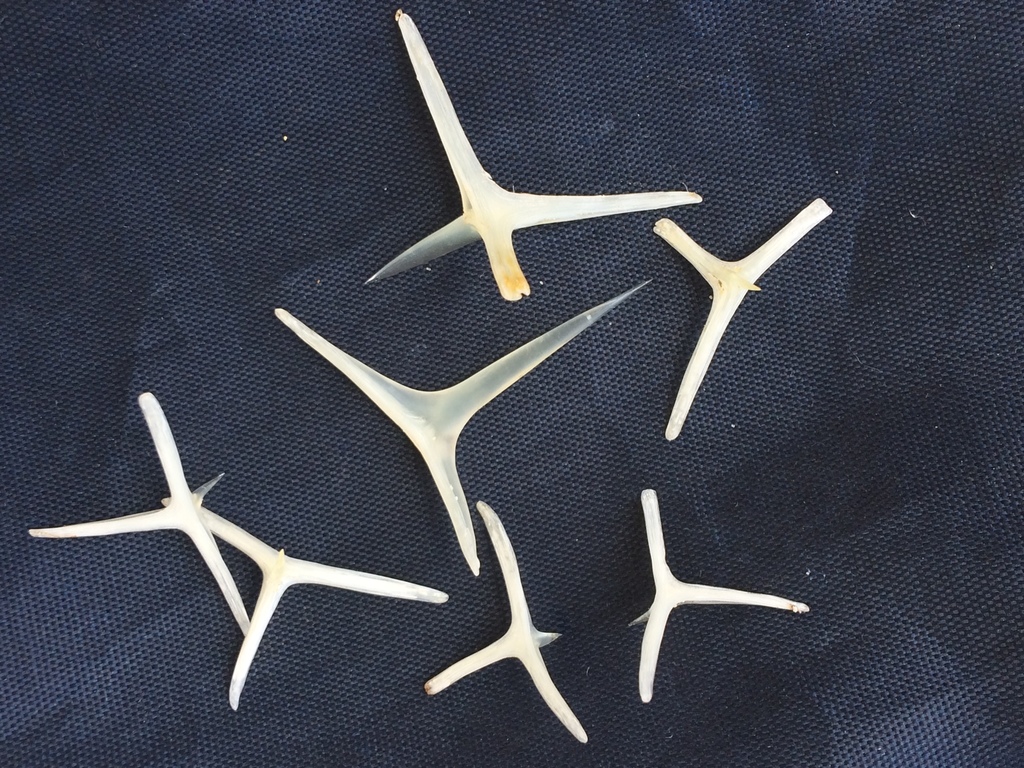 Australian Burrfish
Allomycterus pilatus
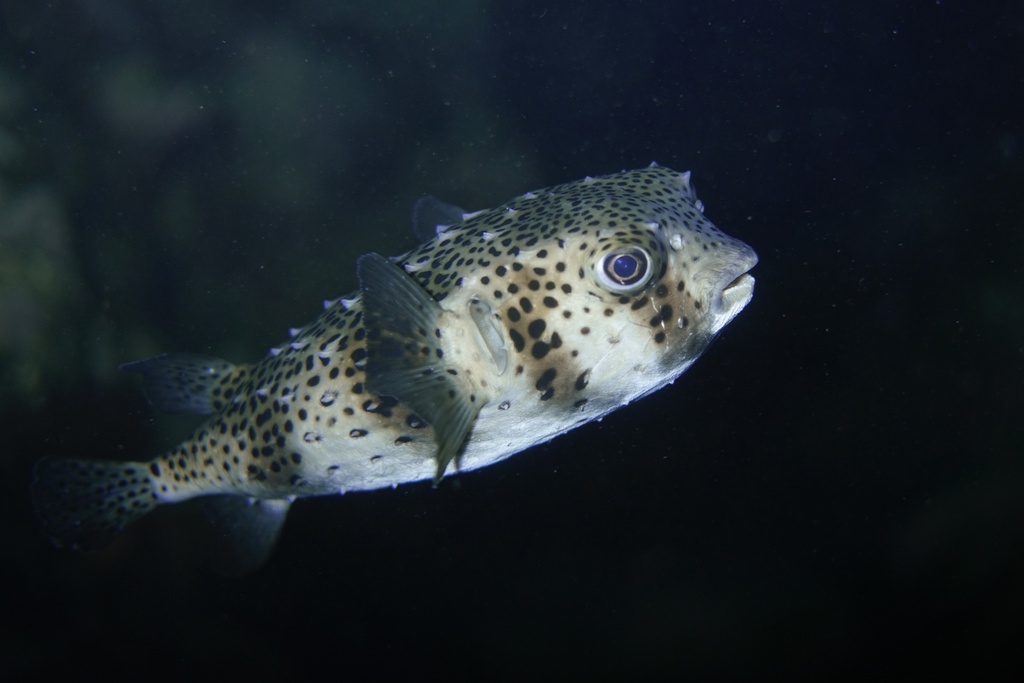 Spotfin burrfish
Chilomycterus reticulatus
Sources and credits
Names and taxonomy: WoRMS (CC BY 4.0) and the GBIF Backbone (CC BY 4.0). Photos: iNaturalist observers, each under the licence shown (CC0, CC BY or CC BY-SA).
- Depth, temperature, months and maps: records from OBIS and GBIF under CC0 or CC BY.
- Descriptions: Wikipedia, licensed CC BY-SA, each linked to its article.
- Conservation status as published by GBIF (IUCN Red List).
- 79 open-data records from 1957 to 2024.
- Species data updated November 2, 2026.
Log what you see on your next dive
The free DiveHive diver app keeps your logbook with every sighting and shows what lives at the site you dive next.