
DiscoverSpeciesCorals and anemones
Branched disc coral
Duncanopsammia axifuga
- Usual depth3–15 m
- Water temperature23–29 °C
- Best monthsMarch and October
- How commonRare
About this species
Duncanopsammia is a monotypic genus of stony corals. It is represented by the single species, Duncanopsammia axifuga, commonly called whisker coral, duncanops coral, or simply duncan coral. Individual polyps are fairly large with round skeletal bases (corallites) 10–14 millimetres (0.39–0.55 in) in diameter and larger central discs from which multiple tentacles radiate; the polyps form a structure branching at irregular intervals to form a large colony.
Text from the Wikipedia article “Duncanopsammia”, licensed CC BY-SA 4.0. Read the article
Where and when
Where it has been recorded
Worldwide
Loading the map
Best months
Worldwide (open data)
- January: 6 records
- February: 10 records
- March: 15 records
- April: 10 records
- May: 9 records
- June: 9 records
- July: 5 records
- August: 10 records
- September: 11 records
- October: 22 records
- November: 10 records
- December: 2 records
Depth and water temperature
Depth
Mostly recorded at 3–15 m · Deepest record: 19 m
Water temperature
Recorded in surface water of 23–29 °C
Names and classification
- English
- Branched disc coral, Daisy coral, Duncan coral, Whisker coral, branched disc coral, daisy coral, whisker coral
Names in 1 more languages
- German
- Bartkoralle
Other scientific names: Dendrophyllia axifuga
Similar species
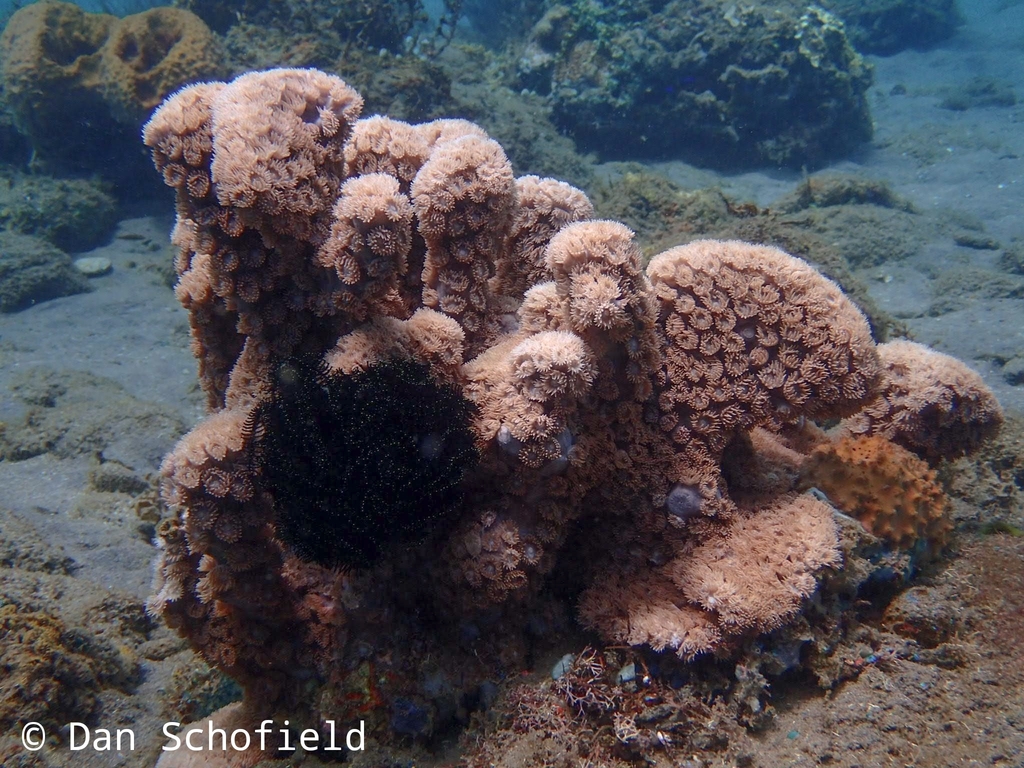 Bowl coral
Duncanopsammia peltata
- Beaked stony coral
Enallopsammia rostrata
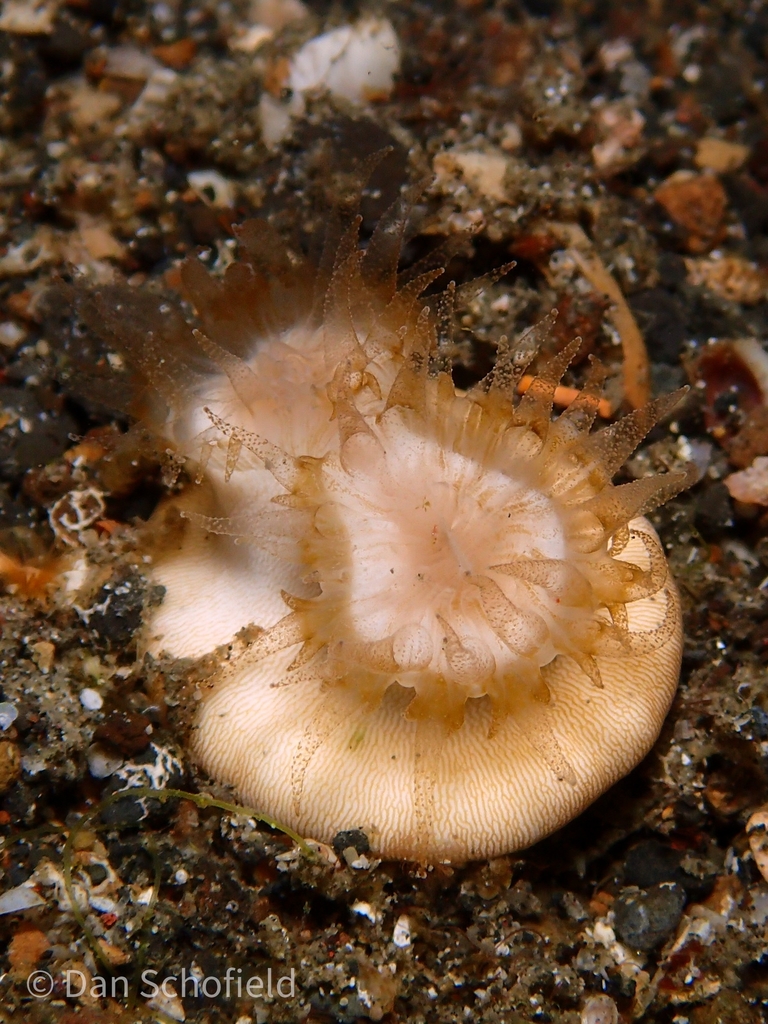 Smooth bum coral
Heteropsammia cochlea
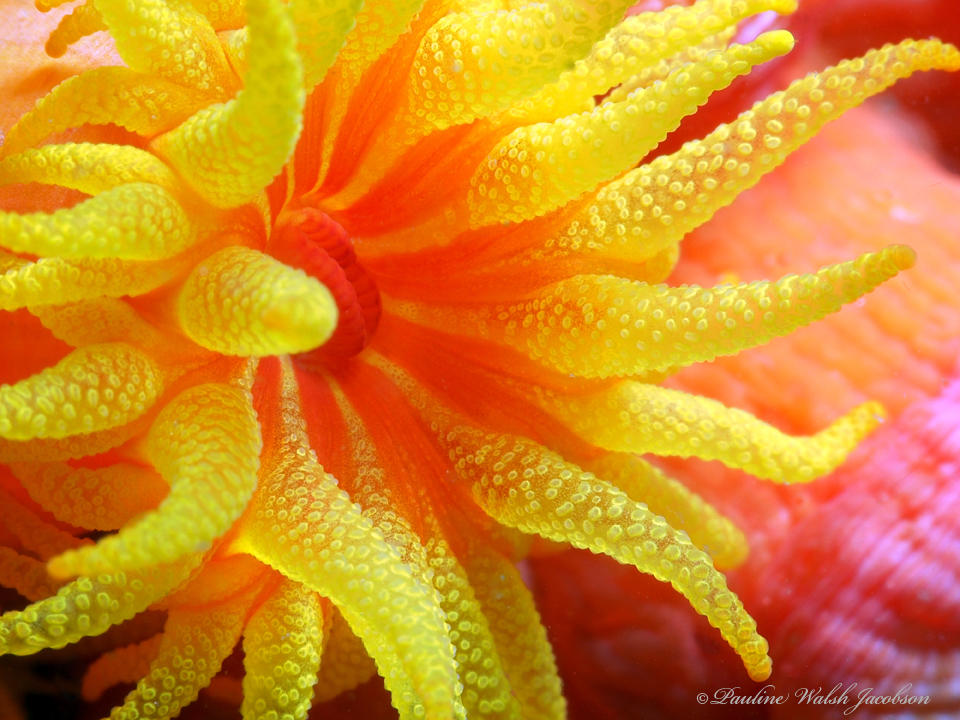 Orange cup coral
Tubastraea coccinea
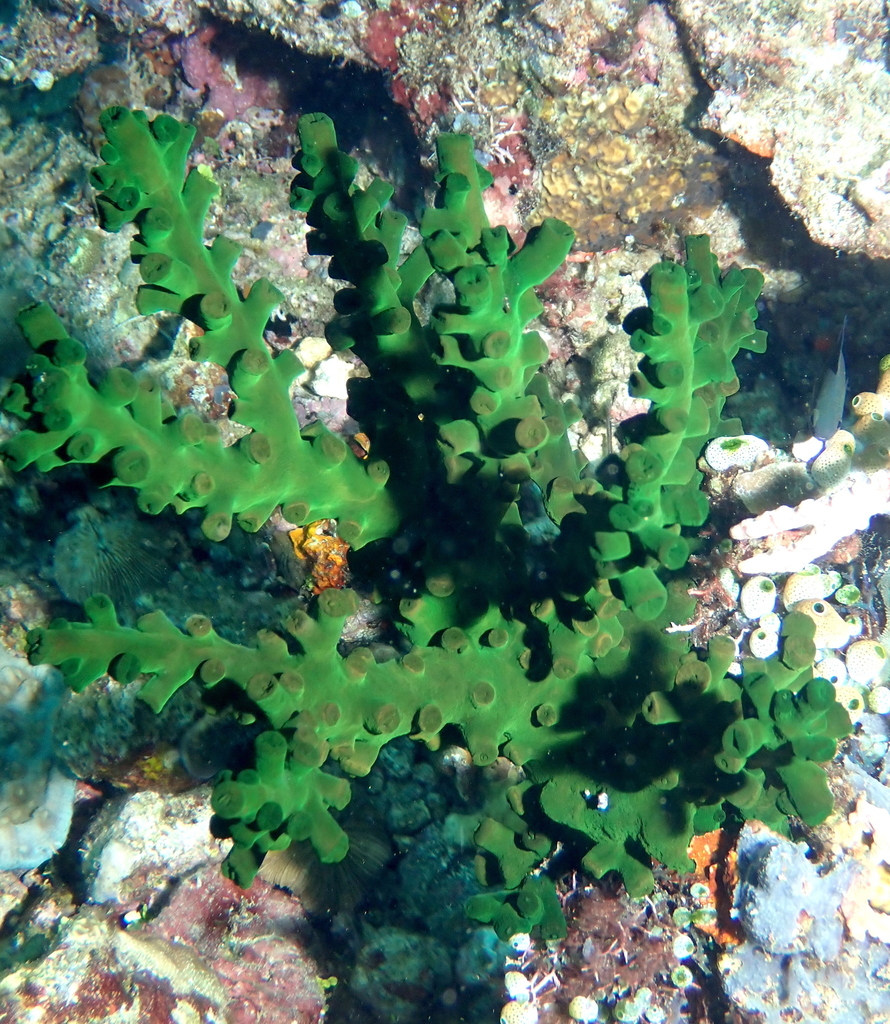 Black cup coral
Tubastraea micranthus
- Tree coral
Dendrophyllia alcocki
Sources and credits
Names and taxonomy: WoRMS (CC BY 4.0) and the GBIF Backbone (CC BY 4.0). Photos: iNaturalist observers, each under the licence shown (CC0, CC BY or CC BY-SA).
- Depth, temperature, months and maps: records from OBIS and GBIF under CC0 or CC BY.
- Descriptions: Wikipedia, licensed CC BY-SA, each linked to its article.
- Conservation status as published by GBIF (IUCN Red List).
- 68 open-data records from 1874 to 1997.
- Species data updated November 2, 2026.
Log what you see on your next dive
The free DiveHive diver app keeps your logbook with every sighting and shows what lives at the site you dive next.