
Sharkclub Octopus
Galeoctopus lateralis
- Usual depth207–305 m
- Water temperature26–27 °C
- Best monthsJanuary
- How commonRare
About this species
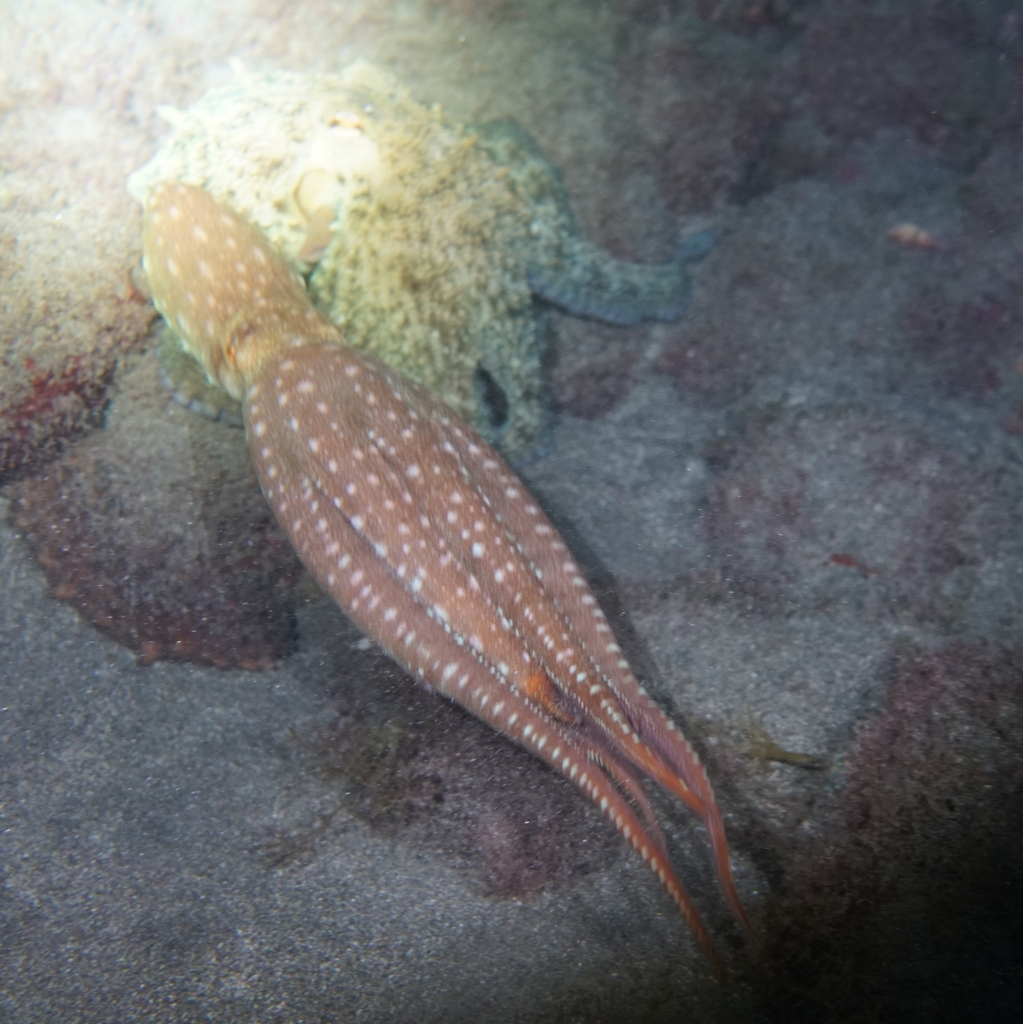
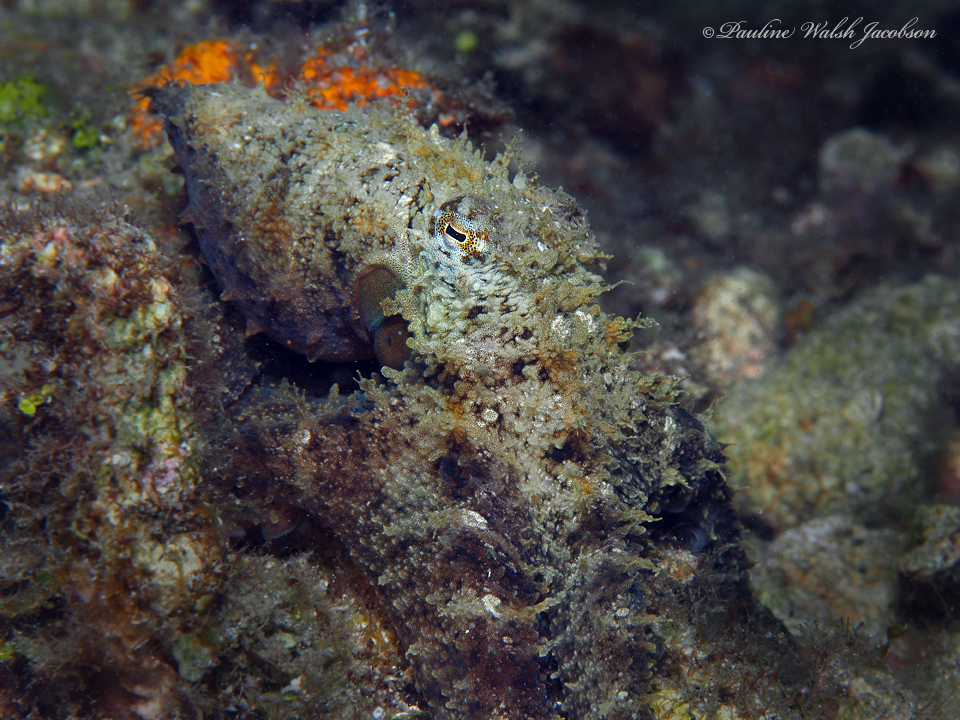
Galeoctopus lateralis, the sharkclub octopus, is a species of octopus, from the family Octopodidae. This species was described in 2004 from specimens collected at depths of 200–400 m in the southern and western Pacific Ocean. It is a small octopus in which the mature males have a distinctive ligula which superficially resembles a shark's jaw and head including teeth‐like lugs. Other distinguishing characteristics include a lateral mantle ridge, a skin sculpture which includes star-shaped papillae, and the females have oviducts with hare distally swollen.
Text from the Wikipedia article “Galeoctopus”, licensed CC BY-SA 4.0. Read the article
Where and when
Where it has been recorded
Worldwide
Loading the map
Best months
Worldwide (open data)
- January: 3 records
- February: 0 records
- March: 0 records
- April: 0 records
- May: 0 records
- June: 0 records
- July: 0 records
- August: 0 records
- September: 0 records
- October: 0 records
- November: 1 records
- December: 0 records
Depth and water temperature
Depth
Mostly recorded at 207–305 m · Deepest record: 305 m
Water temperature
Recorded in surface water of 26–27 °C
Names and classification
- English
- Sharkclub Octopus
Similar species
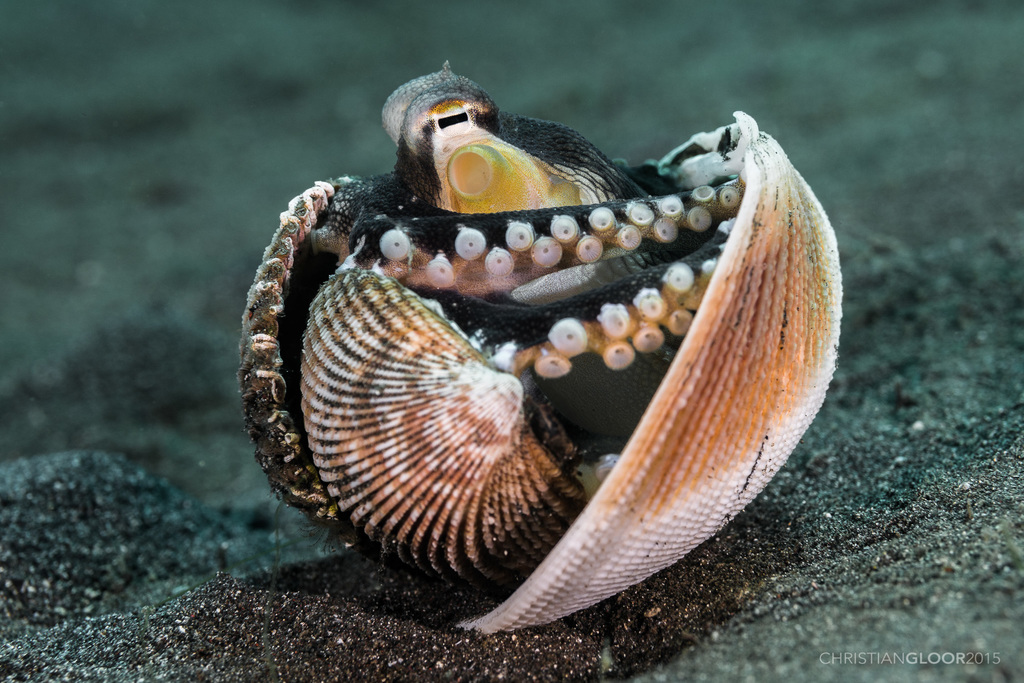 Coconut Octopus
Amphioctopus marginatus
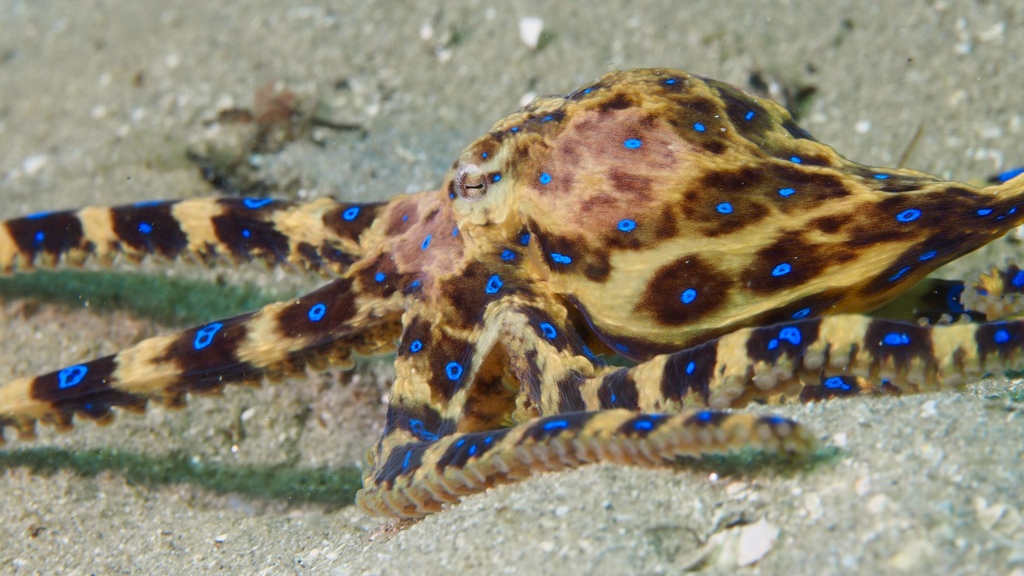 Blue-ringed octopus
Hapalochlaena maculosa
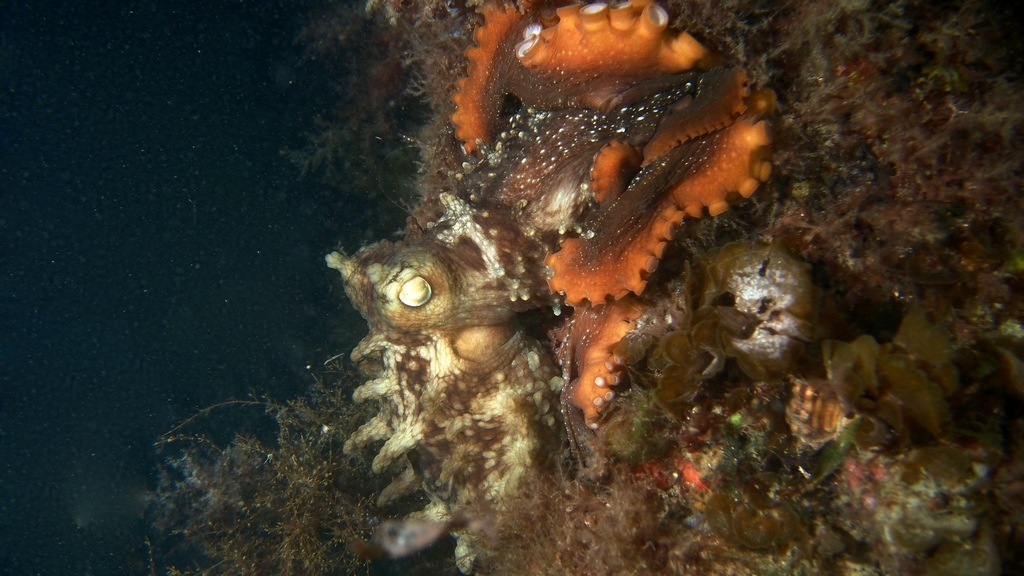 Maori octopus
Macroctopus maorum
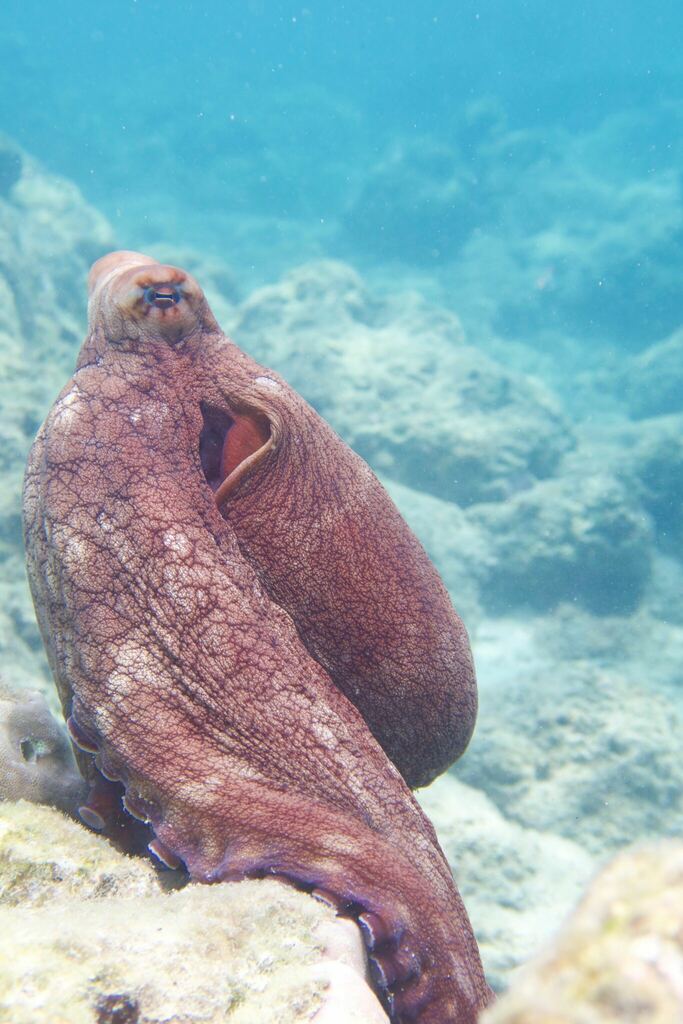 Big blue octopus
Octopus cyanea
 Algae Octopus
Abdopus aculeatus
Sources and credits
Names and taxonomy: WoRMS (CC BY 4.0) and the GBIF Backbone (CC BY 4.0). Photos: iNaturalist observers, each under the licence shown (CC0, CC BY or CC BY-SA).
- Depth, temperature, months and maps: records from OBIS and GBIF under CC0 or CC BY.
- Descriptions: Wikipedia, licensed CC BY-SA, each linked to its article.
- Conservation status as published by GBIF (IUCN Red List).
- 11 open-data records from 1985 to 1986.
- Species data updated November 2, 2026.
Log what you see on your next dive
The free DiveHive diver app keeps your logbook with every sighting and shows what lives at the site you dive next.