
DiscoverSpeciesSharks and rays
Leopard Epaulette shark
Hemiscyllium michaeli
- Usual depth1–6 m
- Water temperature28–29 °C
- Best monthsFebruary, March, and April
- How commonRare
About this species
The leopard epaulette shark, also known as the Milne Bay epaulette shark and Michael's epaulette shark, is a species of bamboo shark in the genus Hemiscyllium. It is a tropical shark known from the shallow ocean in the Milne Bay region of eastern Papua New Guinea. The epaulette sharks of this region have long been confused with the Indonesian speckled carpetshark, and it was only in 2010 that H. michaeli was described as a separate species by Gerald R. Allen and Christine L. Dudgeon. It can reach a maximum length of 82 cm (32.3 in). Confusingly, some books with illustrations and photos labelled as H. freycineti actually show H. michaeli.
Text from the Wikipedia article “Leopard epaulette shark”, licensed CC BY-SA 4.0. Read the article
Where and when
Where it has been recorded
Worldwide
Loading the map
Best months
Worldwide (open data)
- January: 0 records
- February: 3 records
- March: 2 records
- April: 2 records
- May: 0 records
- June: 1 records
- July: 0 records
- August: 2 records
- September: 0 records
- October: 1 records
- November: 1 records
- December: 0 records
Depth and water temperature
Depth
Mostly recorded at 1–6 m · Deepest record: 6 m
Water temperature
Recorded in surface water of 28–29 °C
Names and classification
- English
- Leopard Epaulette shark, Michael's Epaulette Shark, Milne Bay epaulette shark
Similar species
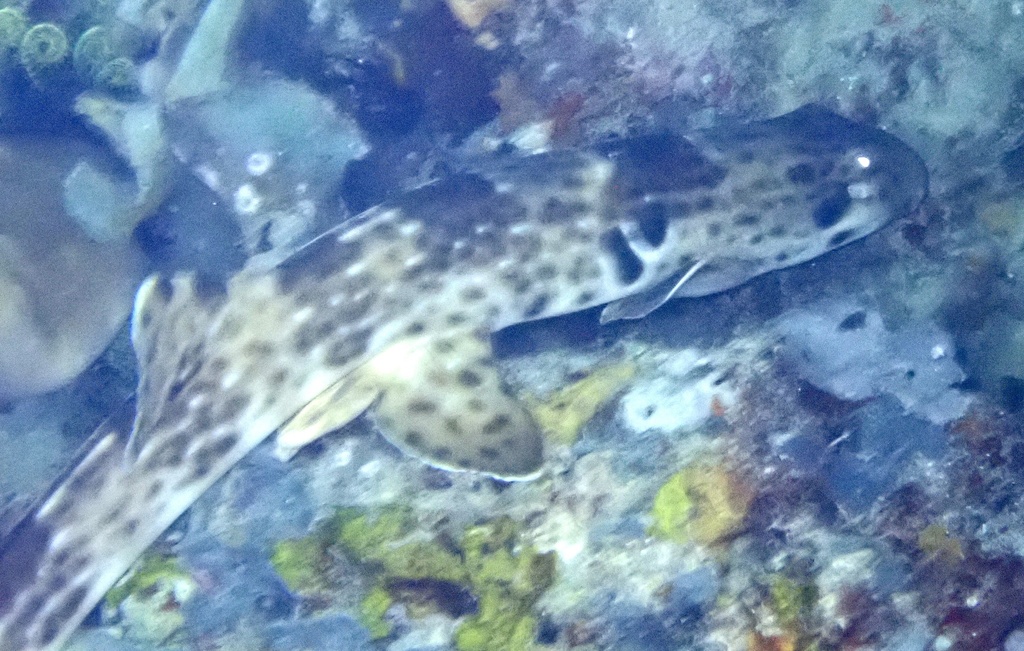
 Epaulette shark
Hemiscyllium ocellatum
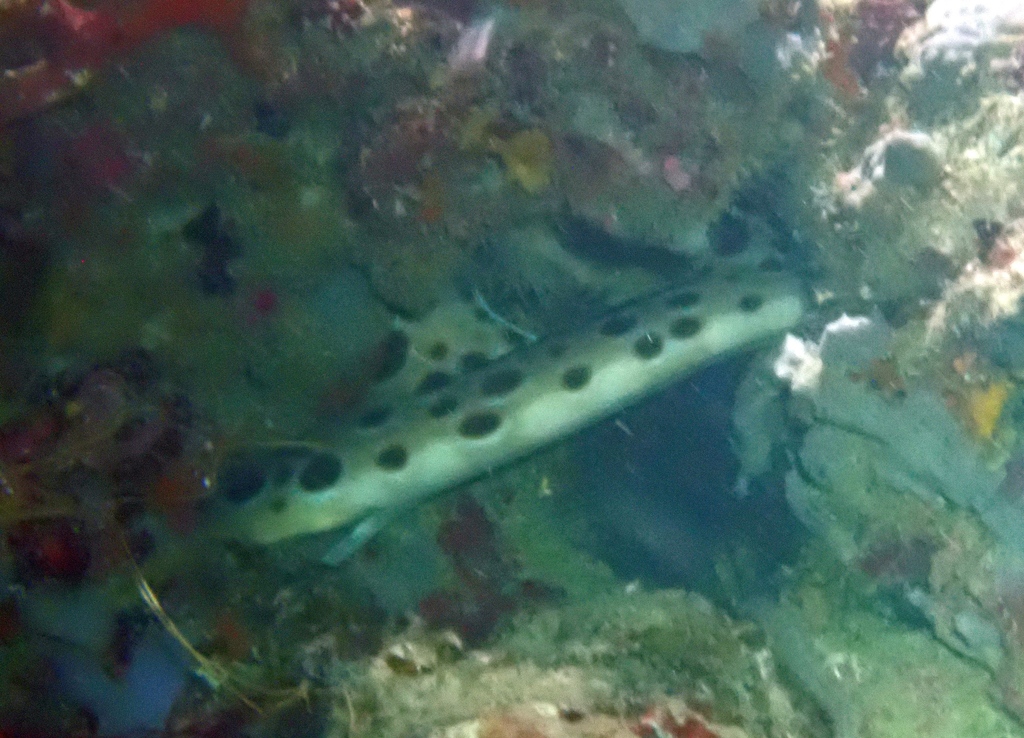
 Freckled carpet shark
Hemiscyllium freycineti
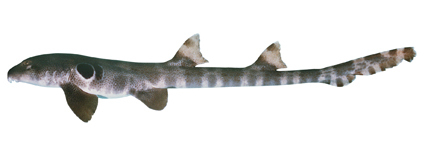
 Papuan epaulette shark
Hemiscyllium hallstromi
 Cat shark
Hemiscyllium trispeculare
- Hooded carpet shark
Hemiscyllium strahani
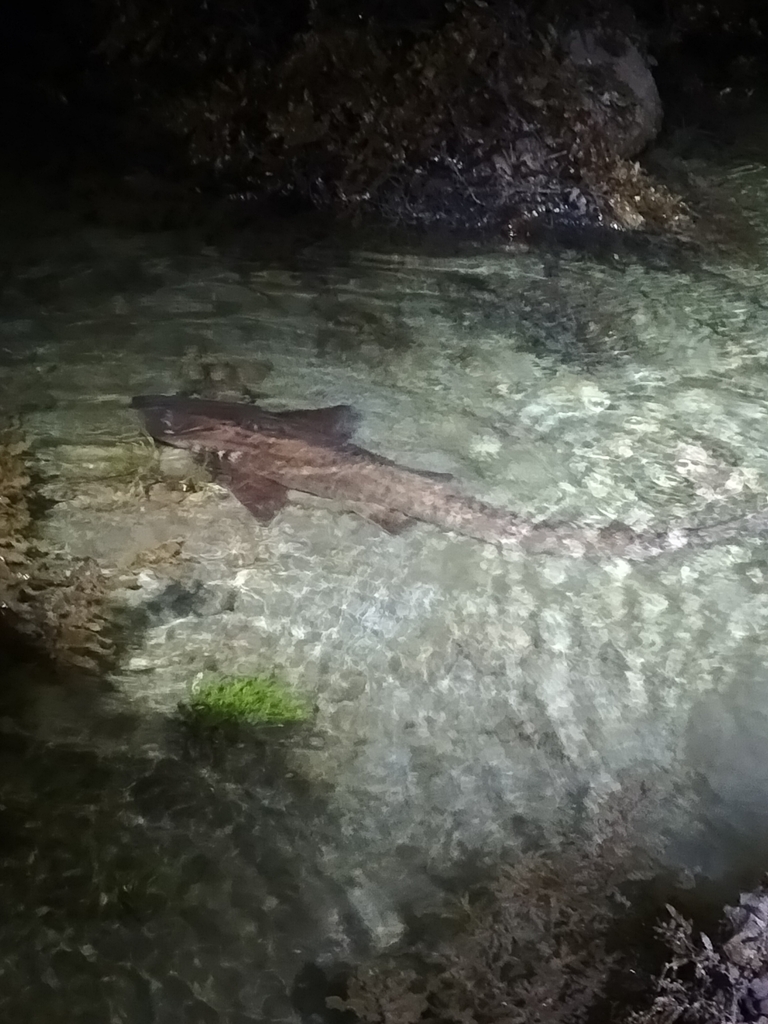 Brownbanded bamboo shark
Chiloscyllium punctatum
Sources and credits
Names and taxonomy: WoRMS (CC BY 4.0) and the GBIF Backbone (CC BY 4.0). Photos: iNaturalist observers, each under the licence shown (CC0, CC BY or CC BY-SA).
- Depth, temperature, months and maps: records from OBIS and GBIF under CC0 or CC BY.
- Descriptions: Wikipedia, licensed CC BY-SA, each linked to its article.
- Conservation status as published by GBIF (IUCN Red List).
- 8 open-data records from 1933 to 2003.
- Species data updated November 3, 2026.
Log what you see on your next dive
The free DiveHive diver app keeps your logbook with every sighting and shows what lives at the site you dive next.