
DiscoverSpeciesSharks and rays
Hooded carpet shark
Hemiscyllium strahani
- Usual depth18–23 m
- Water temperature29–29 °C
- Best monthsNovember
- How commonRare
About this species
The hooded carpetshark is a bamboo shark in the family Hemiscylliidae found around Papua New Guinea, between latitudes 5° S and 10° S, and longitude 144° E and 153° E. Its length is up to 75 cm. Like other longtailed carpetsharks, it can use its strong pectoral fins to walk on land for a short period of time. The hooded carpetshark is heavily wanted in the aquarium trade, the result is making this shark endangered.
Text from the Wikipedia article “Hooded carpetshark”, licensed CC BY-SA 4.0. Read the article
Where and when
Where it has been recorded
Worldwide
Loading the map
Best months
Worldwide (open data)
- January: 0 records
- February: 0 records
- March: 0 records
- April: 0 records
- May: 1 records
- June: 0 records
- July: 0 records
- August: 0 records
- September: 0 records
- October: 0 records
- November: 3 records
- December: 1 records
Depth and water temperature
Depth
Mostly recorded at 18–23 m · Deepest record: 22.5 m
Water temperature
Recorded in surface water of 29–29 °C
Names and classification
- English
- Hooded carpet shark, hooded carpet shark, hooded carpetshark, Hooded epaulette
Names in 4 more languages
- German
- Hauben-Epaulettenhai
- Spanish
- bamboa capuchona
- French
- requin-chabot moine
- Japanese
- ズキンモンツキテンジクザメ
Similar species
 Epaulette shark
Hemiscyllium ocellatum
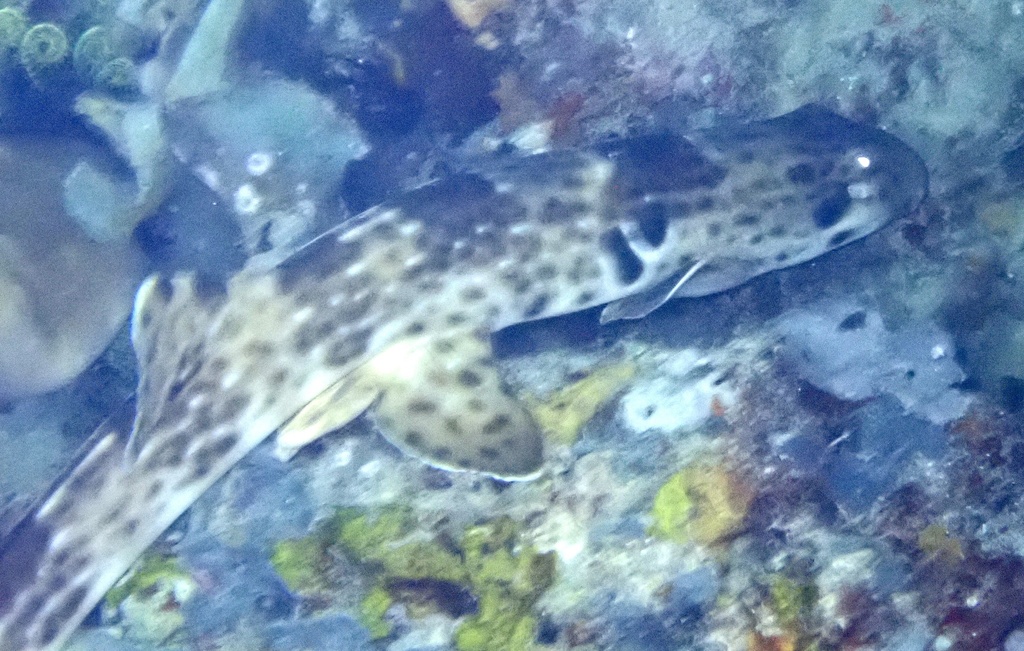 Freckled carpet shark
Hemiscyllium freycineti
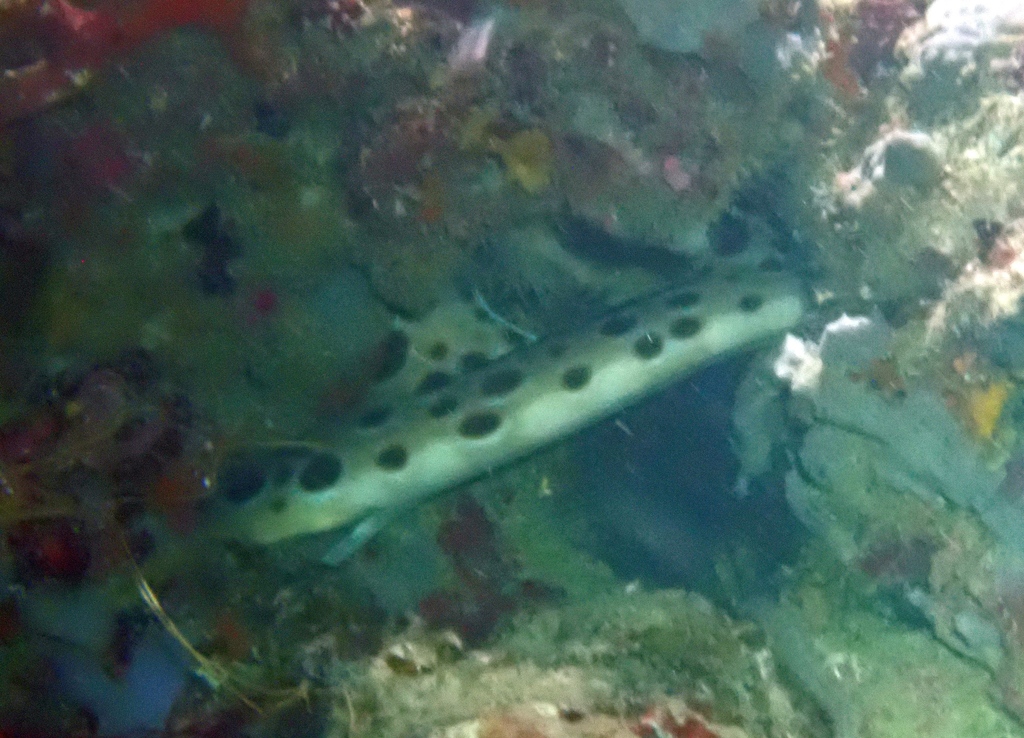 Papuan epaulette shark
Hemiscyllium hallstromi
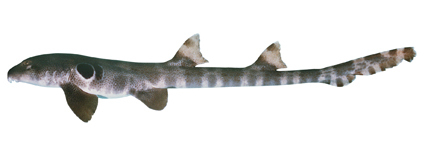 Cat shark
Hemiscyllium trispeculare
- Leopard Epaulette shark
Hemiscyllium michaeli
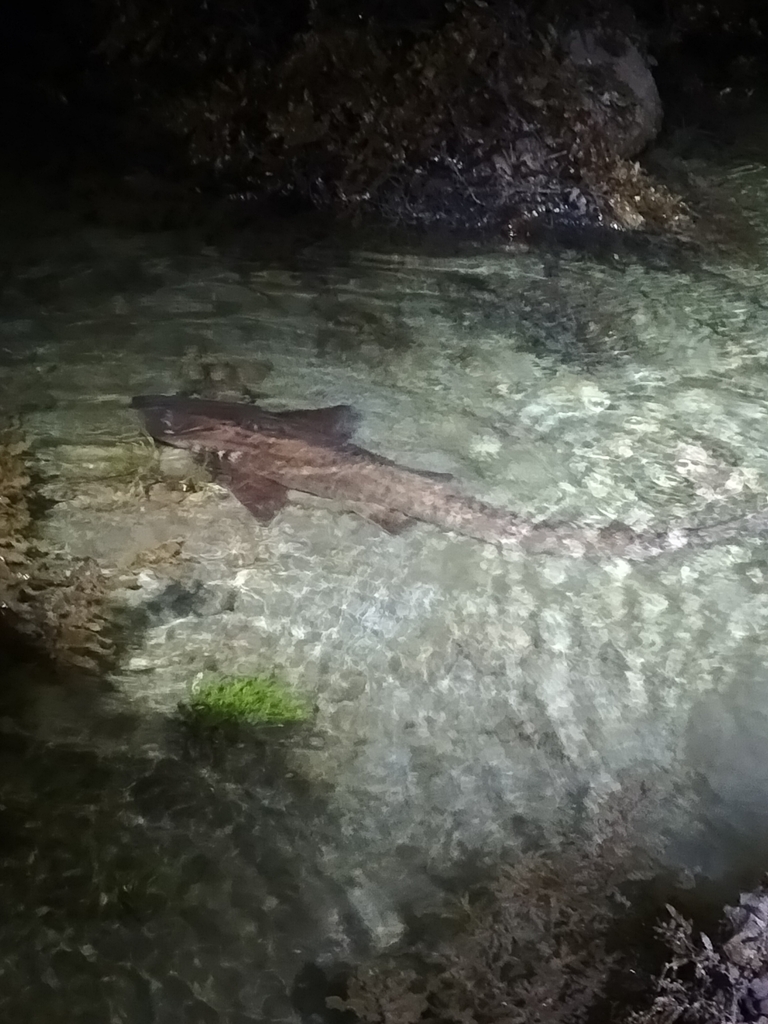 Brownbanded bamboo shark
Chiloscyllium punctatum
Sources and credits
Names and taxonomy: WoRMS (CC BY 4.0) and the GBIF Backbone (CC BY 4.0). Photos: iNaturalist observers, each under the licence shown (CC0, CC BY or CC BY-SA).
- Depth, temperature, months and maps: records from OBIS and GBIF under CC0 or CC BY.
- Descriptions: Wikipedia, licensed CC BY-SA, each linked to its article.
- Conservation status as published by GBIF (IUCN Red List).
- 4 open-data records from 1976 to 2012.
- Species data updated November 3, 2026.
Log what you see on your next dive
The free DiveHive diver app keeps your logbook with every sighting and shows what lives at the site you dive next.