
DiscoverSpeciesSharks and rays
Ginger Carpetshark
Parascyllium sparsimaculatum
- Usual depth204–245 m
- Water temperature20–22 °C
- Best monthsJanuary and February
- How commonRare
About this species
The ginger carpetshark is a species of carpetshark of the family Parascylliidae endemic to the waters of western Australia. It is a small fish at only 78.1 cm (2.56 ft) TL in length in females and harmless to humans. Its depth range is 204–245 m (669–804 ft) on the upper continental shelf. It is known from only three specimens, so biological and population data are lacking. It is likely not under threat due to its depth range, but its limited range may make it vulnerable to fishing. Reproduction is oviparous and embryos feed solely on yolk.
Text from the Wikipedia article “Ginger carpetshark”, licensed CC BY-SA 4.0. Read the article
Where and when
Where it has been recorded
Worldwide
Loading the map
Best months
Worldwide (open data)
- January: 2 records
- February: 2 records
- March: 0 records
- April: 0 records
- May: 0 records
- June: 0 records
- July: 0 records
- August: 0 records
- September: 0 records
- October: 0 records
- November: 0 records
- December: 0 records
Depth and water temperature
Depth
Mostly recorded at 204–245 m · Deepest record: 245 m
Water temperature
Recorded in surface water of 20–22 °C
Names and classification
- English
- Ginger Carpetshark
Names in 1 more languages
- French
- Requin carpette beige
Similar species
 Cat shark
Parascyllium ferrugineum
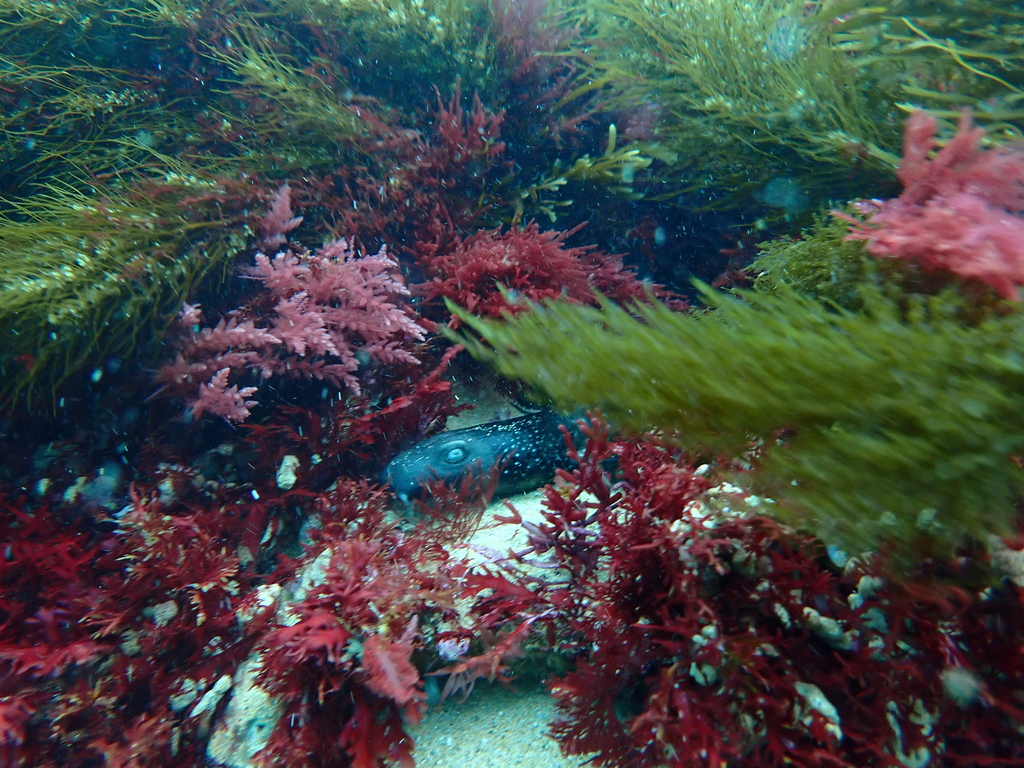 Cat shark
Parascyllium variolatum
- Cat shark
Parascyllium collare
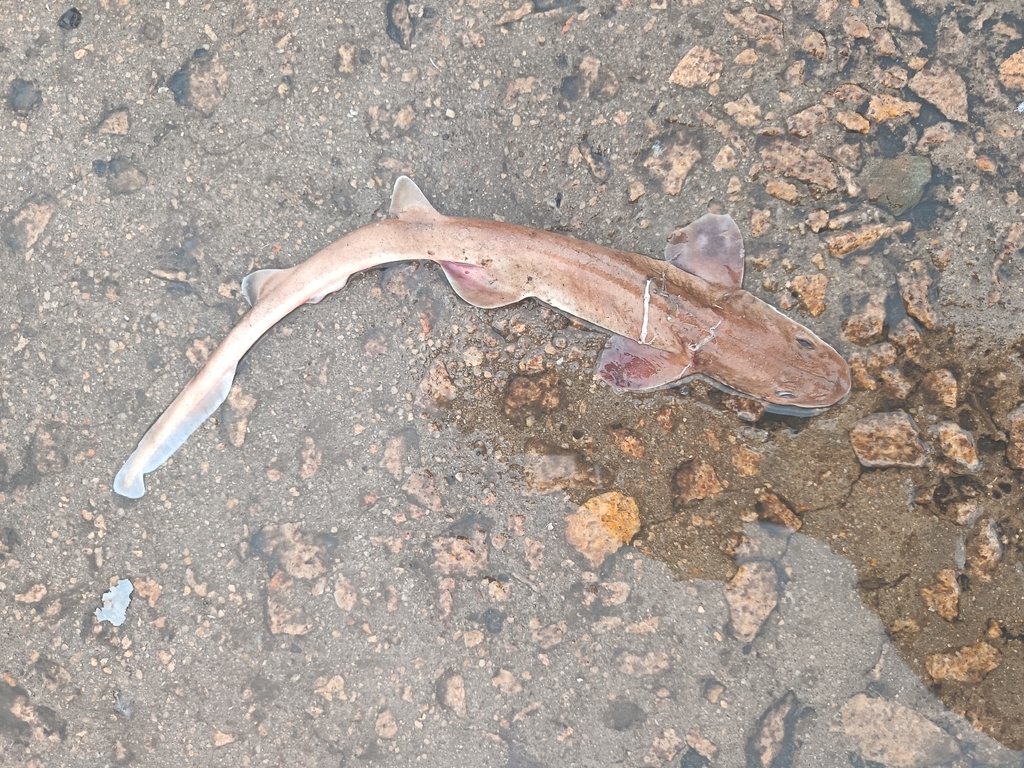 Taiwan saddled carpet shark
Cirrhoscyllium formosanum
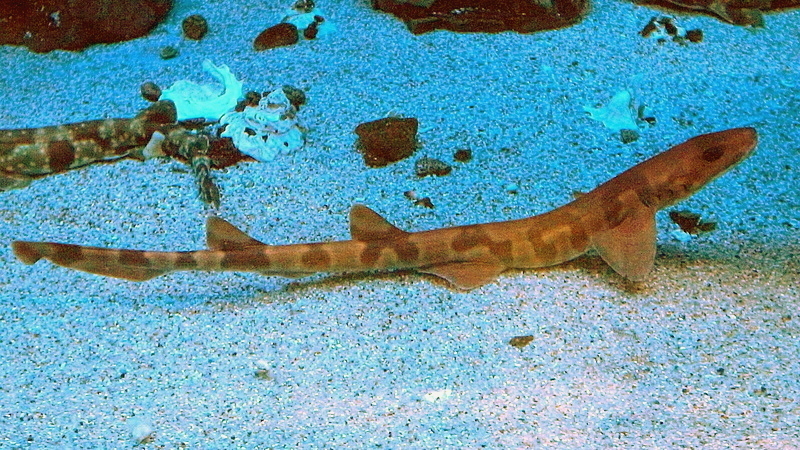 Saddled carpet shark
Cirrhoscyllium japonicum
- Barbelthroat carpet shark
Cirrhoscyllium expolitum
Sources and credits
Names and taxonomy: WoRMS (CC BY 4.0) and the GBIF Backbone (CC BY 4.0). Photos: iNaturalist observers, each under the licence shown (CC0, CC BY or CC BY-SA).
- Depth, temperature, months and maps: records from OBIS and GBIF under CC0 or CC BY.
- Descriptions: Wikipedia, licensed CC BY-SA, each linked to its article.
- Conservation status as published by GBIF (IUCN Red List).
- 8 open-data records from 1989 to 1990.
- Species data updated November 5, 2026.
Log what you see on your next dive
The free DiveHive diver app keeps your logbook with every sighting and shows what lives at the site you dive next.